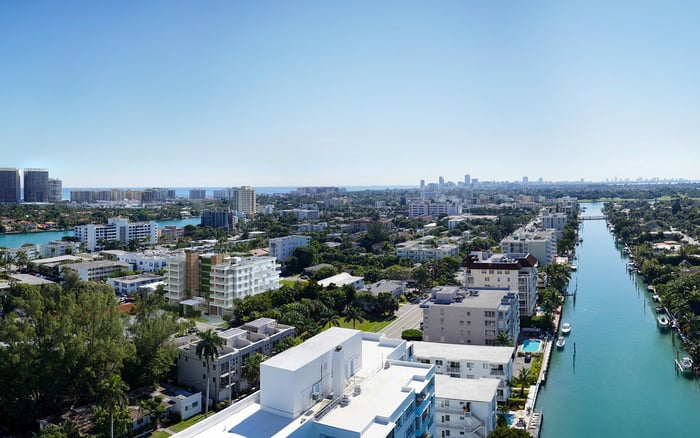
A discreet buyer’s guide for finance executives evaluating seawall responsibility, risk allocation, reserves and transaction discipline before acquiring waterfront property in South Florida.
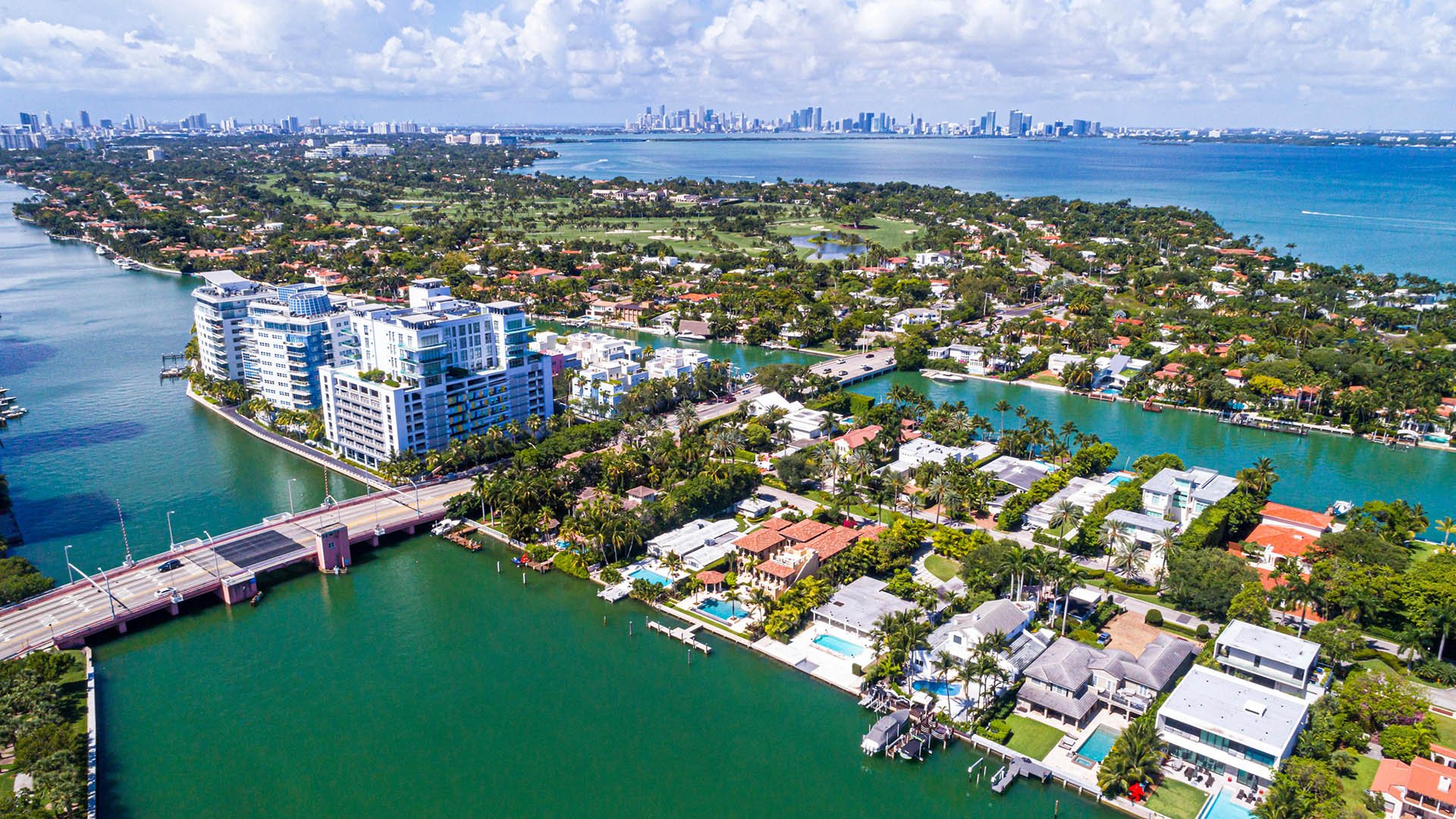
For finance executives, a waterfront purchase in South Florida is rarely just a lifestyle decision. It is a capital allocation decision shaped by architecture, privacy, access and long-term stewardship. The view may be immediate, but the obligations along the property’s edge can be less visible. Before signing, disciplined buyers want to know who is responsible for the seawall, how that responsibility is documented and whether future repair or replacement exposure has been properly considered.
That is especially relevant in a market where buyers move between single-family estates, boutique waterfront buildings and branded condominiums with very different governance structures. A direct waterfront residence may place more responsibility on the individual owner. A condominium may allocate obligations through association documents, common elements, reserves or special assessments. A property within a private enclave may involve additional rules, approvals or shared infrastructure. The key is not to assume. The key is to verify.
A buyer comparing Miami Beach, Fort Lauderdale, Boca Raton or Bay Harbor Islands should bring the same rigor used in an investment committee meeting. The seawall is not a decorative line between land and water. It is part of the asset’s risk profile, and for high-net-worth buyers it can influence carrying costs, resale positioning, financing conversations and the tone of negotiations.
Finance leaders are trained to separate price from exposure. A purchase price may be negotiated in days, while infrastructure obligations can unfold over years. Seawall responsibility therefore deserves focused review before the contract becomes difficult to unwind.
Start with obligation. Who owns the seawall, who maintains it, and who pays if work is needed? The answer may be obvious in some transactions and more nuanced in others. It can depend on recorded documents, association rules, property boundaries, easements, maintenance history and the way waterfront elements are defined. A polished residence can still carry a complicated edge condition.
Then consider timing. A seawall that appears serviceable today may still require monitoring, engineering review or future capital planning. For a finance executive, the relevant question is not simply whether there is a present issue. It is whether the asset has a credible framework for addressing one if it arises.
Control is the third variable. Can the owner act independently, or must approvals be obtained from an association, municipality, neighboring owner or other stakeholder? In many luxury scenarios, control is as valuable as cost certainty. A buyer who prizes privacy and precision should understand whether future work could require coordination beyond the household.
A waterfront condominium and a waterfront estate can offer similar visual rewards while assigning responsibility in very different ways. In a condominium, the seawall may be addressed through shared governance, documents, budgets and reserves. That can diffuse cost across owners, but it may also mean decisions are made collectively. The executive buyer should review whether the association’s structure, reserve philosophy and decision-making cadence align with personal expectations.
In an estate purchase, the buyer may find more autonomy, but autonomy can come with direct accountability. If the property’s waterfront edge is private, the owner may need to think like a steward of infrastructure as well as a resident. That does not make the asset less desirable. It simply changes the diligence.
This is where South Florida’s luxury choices become highly specific. A buyer considering condominium living in Brickell might evaluate Una Residences Brickell as part of a broader urban waterfront search, while another buyer may prefer the residential rhythm of Miami Beach and review opportunities such as The Perigon Miami Beach. The point is not that one structure is inherently superior. It is that responsibility follows the legal and physical design of the property.
A polished showing is not a substitute for document discipline. Before signing, or during the earliest contractual diligence period, the buyer’s team should review recorded materials, association documents where applicable, surveys, disclosures, maintenance records and any available engineering information. The objective is to map the chain of responsibility with enough clarity that the buyer understands both ordinary maintenance and extraordinary events.
A practical diligence approach asks direct questions. Is the seawall part of the property, a common element, a limited common element or subject to shared maintenance? Are there easements that affect access? Is there a history of repairs, complaints, assessments or pending discussions? Are there limitations on construction access, staging or timing? If work is needed, who approves it and who pays?
For condominium buyers, the reserve conversation matters. Not every future expense is visible in a monthly carrying cost. A thoughtful buyer will want to understand whether waterfront infrastructure is being addressed as part of a broader capital plan. For estate buyers, the focus may shift to inspection, engineering input and the buyer’s tolerance for direct operational oversight.
None of this should diminish the pleasure of owning on the water. It should enhance confidence. In South Florida, the finest acquisitions often feel effortless after closing because they were handled with care before signing.
The word waterfront covers a wide range of experiences. Oceanfront, bayfront, riverfront, canalfront and marina-adjacent living can each carry different practical questions. A buyer moving from a high-rise residence to a single-family home may be surprised by how much responsibility shifts from the association to the individual owner. Conversely, an estate owner moving into a condominium may welcome shared governance but need to accept a board-driven process.
In Fort Lauderdale, buyers may compare settings such as St. Regis® Residences Bahia Mar Fort Lauderdale while still asking the same core questions about waterfront responsibility and shared infrastructure. In Boca Raton, a buyer reviewing The Residences at Mandarin Oriental Boca Raton may be approaching the market from a different lifestyle perspective, yet the diligence discipline remains similar.
Bay Harbor Islands, Surfside, Sunny Isles Beach and Palm Beach each attract buyers who value privacy, design and access in different proportions. For those considering boutique island living, Onda Bay Harbor may sit within a search where waterfront context is part of the emotional appeal. The sophisticated buyer treats that appeal as an invitation to ask better questions.
Seawall responsibility can affect more than maintenance planning. It can shape negotiation strategy. If documents are clean, responsibilities are well understood and capital planning appears orderly, the buyer gains confidence. If questions remain unresolved, the buyer may seek additional diligence time, specialist review, contract protections or price consideration.
For finance executives, the discipline is familiar. Unclear responsibility is not automatically a reason to walk away. It is a reason to price risk intelligently. Some buyers will accept greater exposure in exchange for a rare location, architectural quality or privacy. Others will favor a condominium format that centralizes decision-making. The best choice depends on the buyer’s appetite for control, involvement and long-term stewardship.
It is also important to think about the eventual exit. A future buyer may ask the same questions. If seawall documentation is organized, responsibility is clear and maintenance history is accessible, the resale conversation can be more efficient. Luxury buyers are often willing to pay for beauty, but they also appreciate confidence.
South Florida waterfront property rewards buyers who combine aspiration with diligence. The seawall is part of that equation. It may be quiet, utilitarian and visually secondary to the residence, but it helps define the boundary between enjoyment and obligation.
The most prepared finance executives do not wait until late in the transaction to ask about it. They bring counsel, inspection expertise and advisory perspective into the process early. They review documents before emotion overtakes analysis. They ask who controls the asset, who funds future work and how responsibility would be explained to the next buyer.
That mindset does not make the purchase less romantic. It makes the ownership more graceful.
Why should a finance executive ask about seawall responsibility early? Because responsibility can affect carrying costs, negotiation strategy and long-term asset planning.
Is seawall responsibility always handled the same way in South Florida? No. Responsibility can vary by property type, documents, governance and the physical configuration of the waterfront edge.
Does a condominium eliminate seawall concerns? Not necessarily. It may shift responsibility into association governance, reserves or shared decision-making.
Can a single-family waterfront home carry more direct responsibility? It can, depending on ownership boundaries, maintenance obligations and applicable property documents.
What documents should a buyer review? Buyers should review recorded materials, surveys, association documents, disclosures and available maintenance information.
Should an engineer be involved before signing? When seawall exposure is material, specialist input can help the buyer understand condition, access and future planning.
Can seawall uncertainty affect valuation? Yes. Unclear obligations may influence price, contract terms, diligence timing or the buyer’s required risk premium.
Is waterfront living still attractive with added diligence? Absolutely. Better diligence often makes the ownership experience more confident and refined.
How does this relate to investment planning? Seawall responsibility belongs in the same framework as reserves, liquidity, exit timing and capital exposure.
Who should coordinate this review for a luxury buyer? The buyer’s real estate advisor, counsel, inspection team and financial advisors should work together early.
To compare the best-fit options with clarity, connect with MILLION.
If branded residences are on your mind — as a home or as an allocation — we would be glad to share what we are seeing, privately.
Begin a quiet conversation