A buyer-focused guide to assessing private elevators, controlled arrival sequences, privacy, service flow, and long-term livability in North Bay Village residences.
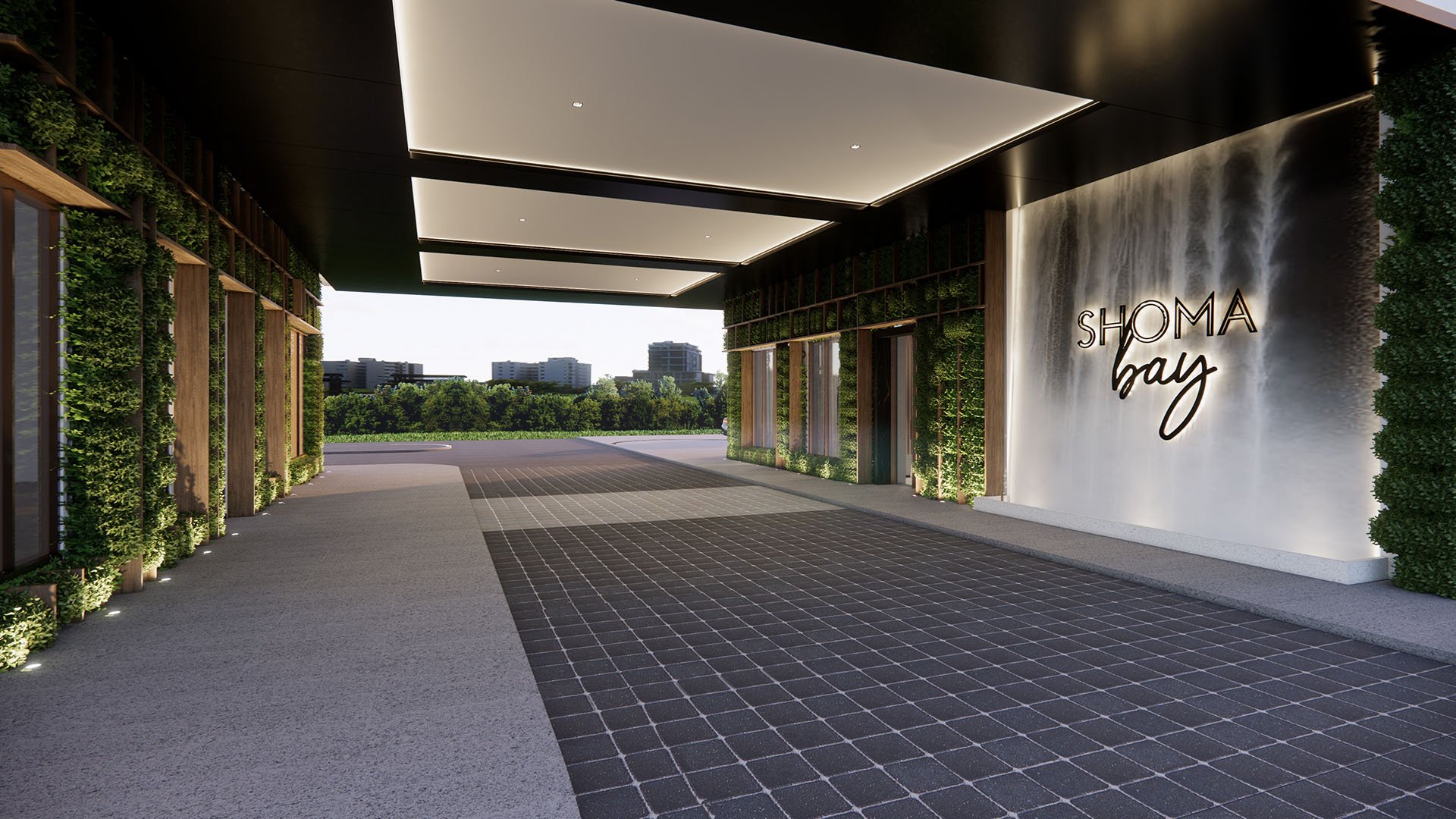
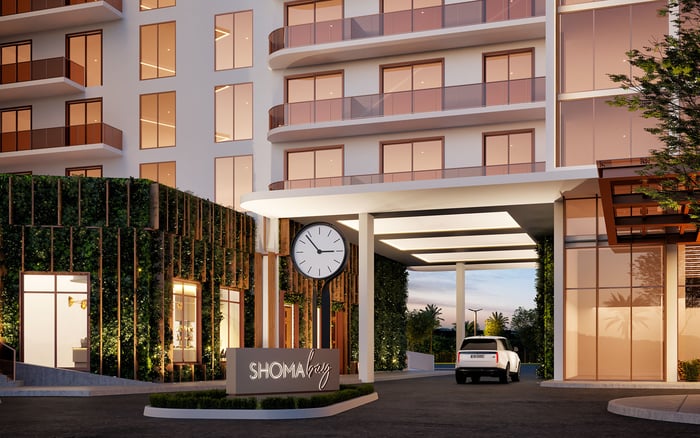
In North Bay Village, where waterfront appeal is often paired with the intimacy of island living, the first serious test of a residence begins before the front door. A private elevator, controlled arrival court, or discreet lobby can be as meaningful to daily comfort as a terrace view or an entertaining kitchen. The question is not whether the building speaks the language of luxury. The question is whether the arrival sequence truly protects privacy, supports service, and remains effortless over time.
For buyers considering Continuum Club & Residences North Bay Village, Shoma Bay North Bay Village, or Tula Residences North Bay Village, the private elevator conversation should move beyond brochure language. Controlled arrival is not a single feature. It is a choreography of approach, parking, staffing, credentials, elevator access, guest handling, deliveries, and emergency planning.
“Private elevator” can mean several things. In one building, it may mean direct elevator entry into a residence or private foyer. In another, it may mean a keyed or credentialed elevator that stops only at selected floors. In a third, it may be a semi-private arrangement shared by a small number of homes. Each version can be appropriate, but each creates a different living experience.
A buyer should ask where the elevator opens, who can access that stop, and whether the foyer is fully within the residence or part of the common area. The distinction matters for insurance, maintenance, décor control, camera placement, and guest management. A beautiful foyer loses value if it is not genuinely controlled.
The most useful inspection is physical. Arrive as a resident would. Then arrive as a guest, as a driver, as a housekeeper, and as a delivery. Note where the experience becomes visible, delayed, or dependent on staff improvisation. Strong controlled arrival feels consistent at every step.
Curb access should be intuitive. Valet or parking transitions should not expose residents unnecessarily. The lobby should have clear sightlines without feeling theatrical. Elevator credentials should be simple, but never casual. In a waterfront setting, the best arrival sequence preserves the calm of the site rather than turning the entrance into a crowded social room.
Private arrival is persuasive only when the elevator system supports real life. Buyers should review how many elevators serve the residential stack, whether service elevators are separated from passenger elevators, and how the building handles maintenance outages. A private elevator that becomes the only practical access point can be elegant in theory but frustrating during peak usage, move-ins, or repairs.
Ask how furniture, art, catering, and large deliveries move through the building. If the same elevator must carry residents in evening attire, contractors in work boots, and oversized packages, the experience may not remain private for long. In new construction, the drawings and operational plan should be studied together, because design intent and daily operations are not always identical.
The best controlled arrivals are discreet. They do not rely on a single locked door or a visibly heavy security posture. Instead, they layer access through the motor court, lobby, elevator credentials, staffed oversight, cameras, and residence-level controls. For a luxury buyer, the goal is quiet confidence.
Ask who can override elevator access and under what circumstances. Understand how guests are pre-cleared, how vendors are logged, and how temporary credentials are issued. A strong system lets residents host easily without making privacy feel negotiable. In buyer guidance, this is where lifestyle and risk management meet.
Many buyers focus on their own elevator experience and overlook the guest experience. Yet entertaining is central to the value proposition of a private residence. Guests should not feel confused, over-screened, or left waiting in an ambiguous lobby. The building should guide them gracefully from arrival to residence.
This is especially important for buyers comparing North Bay Village with nearby island and beach markets. At La Baia North Bay Harbor Islands, for example, the broader bayfront lifestyle conversation can help buyers consider how privacy, water orientation, and arrival work together. The same lens should be applied in North Bay Village: the arrival should support entertaining without weakening security.
A luxury residence is lived in by more than its owner. Housekeepers, chefs, pet care, stylists, maintenance technicians, florists, caterers, and wellness providers may all need access. The building should have an elegant answer for that reality.
Ask whether staff and vendors use a service entrance, whether the service elevator reaches the relevant areas, and how deliveries are staged. Package rooms, cold storage, loading access, and back-of-house corridors can have a major impact on daily convenience. A private elevator is less meaningful if every service interaction must pass through the same ceremonial arrival used by residents and guests.
Before contract, buyers should review condominium documents, access policies, alteration rules, insurance requirements, and any limitations on elevator foyers. If the elevator opens into a private vestibule, clarify who maintains flooring, lighting, doors, cameras, locks, and climate control. If the foyer is common property, personal customization may be limited.
Also ask about move-in procedures, elevator reservations, deposits, contractor hours, pet policies in elevators, and rules for short-term guests if applicable. These details rarely appear glamorous, but they govern the lived experience. The more private the arrival, the more important the operating rules become.
A controlled arrival can feel flawless during a quiet tour. It should also be evaluated during busier hours. Visit at school pickup time, early evening, weekend brunch hours, or whenever the building’s rhythm is most active. Notice wait times, lobby congestion, valet flow, and how staff handle overlapping arrivals.
Sound also matters. Elevator motors, doors, lobby music, garage noise, and service corridors can affect the perceived serenity of a residence. If the elevator opens near living spaces, acoustics should be considered carefully. The ideal experience is not merely secure. It is composed.
Private elevators and controlled arrival systems can support resale appeal when they are intuitive, well maintained, and aligned with the building’s service culture. They can also become liabilities if they are expensive to maintain, difficult to repair, or poorly managed. Buyers should ask not only what is installed, but how it will be operated five, ten, and fifteen years from now.
In North Bay Village, where buyers often seek a more discreet waterfront alternative within reach of Miami’s major lifestyle centers, arrival quality is part of the larger value equation. The strongest buildings make privacy feel natural. They allow residents to move from car, water, lobby, elevator, and home with minimal friction and maximum discretion.
Is a private elevator always better than a semi-private elevator? Not always. The better choice depends on access control, elevator count, service separation, and how the foyer is legally defined.
What should I ask first about a private elevator? Ask exactly where it opens and who can access that stop. Then confirm whether the foyer is private property or common area.
How important is a service elevator? Very important for larger homes and buyers who expect frequent deliveries, staff, catering, or art handling. It helps preserve the resident arrival experience.
Should I test the building at different times of day? Yes. A quiet showing may not reveal valet congestion, elevator waits, guest confusion, or delivery conflicts.
What makes controlled arrival feel luxurious? It should be calm, discreet, intuitive, and well staffed. The experience should not depend on residents explaining the process to guests.
Can elevator foyer rules affect interior design? Yes. If the foyer is common area, customization may be restricted by building rules and approval processes.
What should buyers know about emergency access? Buyers should understand backup power, emergency procedures, staff protocols, and how access is handled during elevator outages.
Are package and delivery systems part of controlled arrival? Yes. Poor delivery logistics can undermine privacy even in a building with an impressive lobby and private elevators.
Does controlled arrival matter for resale? It can. Future buyers often value privacy, security, and ease of movement when comparing luxury residences.
How should I compare North Bay Village projects? Compare the entire arrival sequence, not only finishes or views. The best choice will feel secure, efficient, and natural in daily life.
If you'd like a private walkthrough and a curated shortlist, connect with MILLION.
If branded residences are on your mind — as a home or as an allocation — we would be glad to share what we are seeing, privately.
Begin a quiet conversation