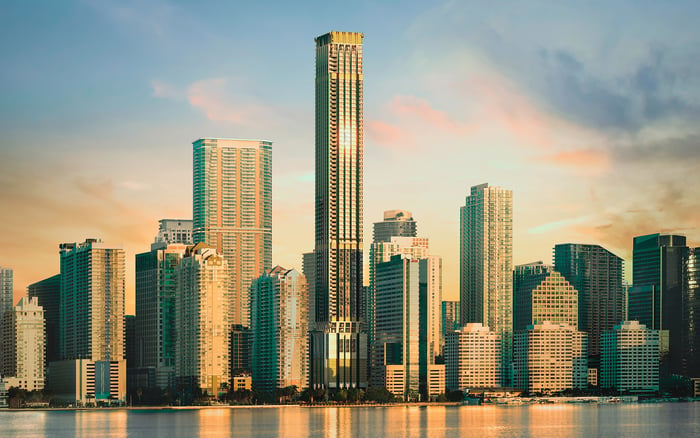
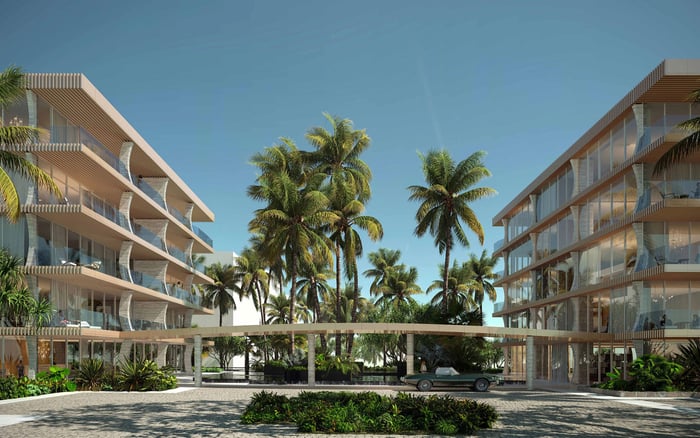
A discreet buyer’s guide to why seawall responsibility belongs in the first round of diligence for private aviation users considering South Florida waterfront property.
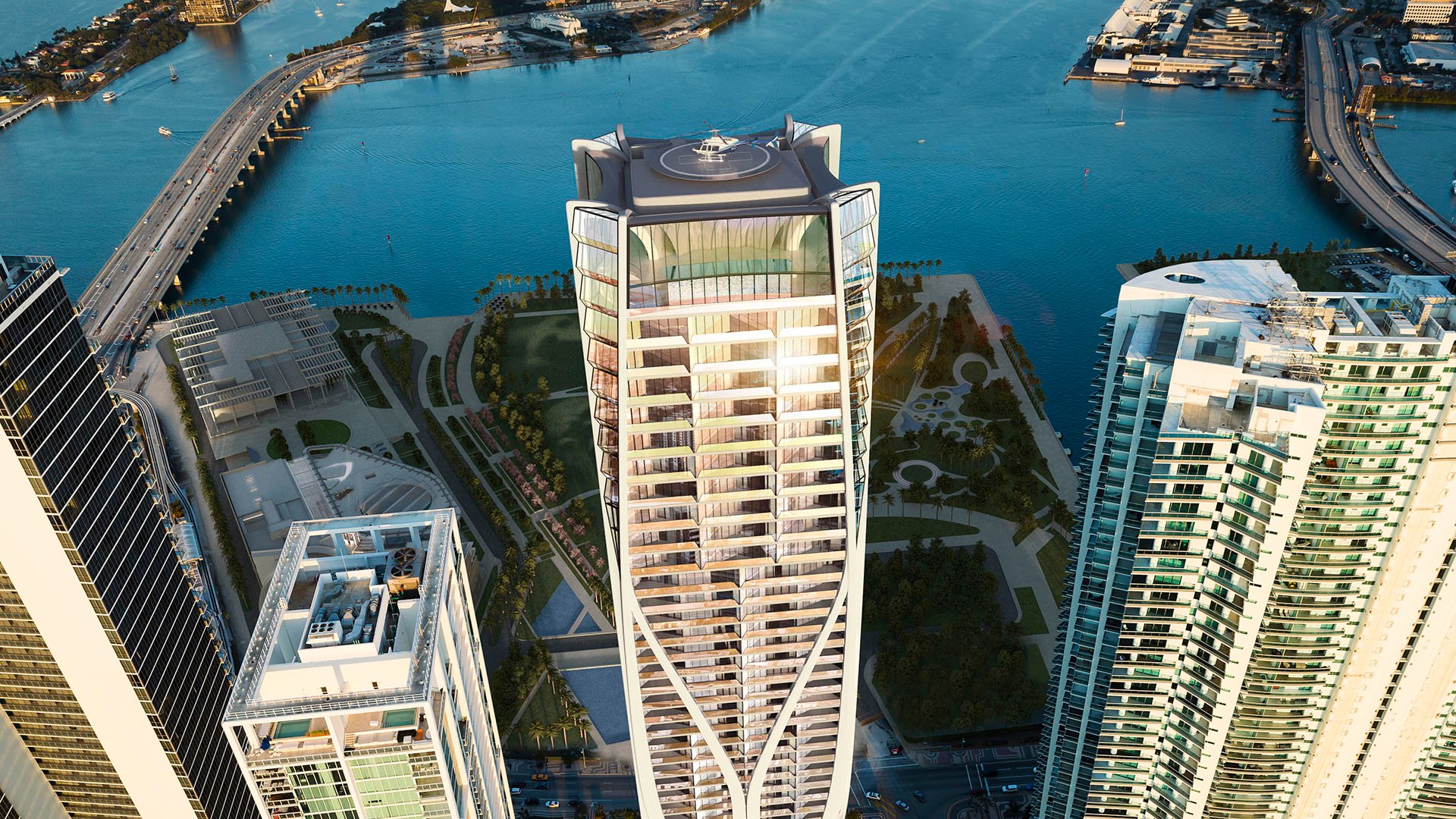
For a buyer arriving by private aircraft, South Florida can feel remarkably efficient. A morning landing, a curated drive along the water, a private showing in Fort Lauderdale, a second walk-through in Miami Beach, and a late-afternoon call with counsel can compress what might otherwise take weeks. That efficiency is one reason the region appeals to principals who value time as much as views, privacy, and design.
Yet waterfront property carries a layer of responsibility that is easy to underestimate when the day is framed by architecture, dockage, and sightlines. Before signing, the sophisticated buyer should ask a deceptively simple question: who is responsible for the seawall, and what does that responsibility actually require?
This is not a maintenance footnote. A seawall can sit at the intersection of property condition, neighbor relations, permitting, insurance review, association governance, and long-term capital planning. For private aviation users who may see several homes or residences in different coastal settings over a short trip, the seawall question belongs in the first conversation, not the final negotiation.
Private aviation creates access, but it can also create momentum. When a buyer can tour Boca Raton, Palm Beach, and the barrier islands in a single day, the emotional hierarchy of properties can form quickly. One home has better arrival privacy. Another has more compelling water frontage. A residence may offer a more seamless lock-and-leave experience. The risk is that the physical edge of the property, often hidden beneath the glamour of the terrace, receives less attention than the interiors.
That is especially relevant for buyers comparing single-family estates with condominium or branded residential offerings. A waterfront estate may place more direct responsibility on the owner, while a condominium may involve association procedures, shared budgets, reserve planning, or common-element analysis. The precise answer depends on the property structure and governing documents, which is why the question should be raised before a deposit becomes psychologically difficult to revisit.
At Riva Residenze Fort Lauderdale, the broader appeal of waterfront living sits within the context of a professionally managed residential environment. That distinction matters. Private aviation buyers are often choosing not just a location, but a management model for the time they are away.
Seawall responsibility is not a single issue. It is a cluster of questions that should be answered in writing wherever possible. Who maintains the wall? Who pays if repair or replacement is needed? Is the seawall entirely within the property boundary, shared with a neighbor, or tied to an association? Are there known defects, prior repairs, pending notices, or planned work? Does the dock, cap, walkway, drainage, landscaping, or pool deck interact with the wall in a way that affects cost or access?
For luxury buyers, the concern is rarely whether a seawall exists. It is whether the buyer understands the condition, control, cost exposure, and timing. A pristine terrace can conceal an expensive obligation if the edge condition has not been properly reviewed. Conversely, a property with clear documentation, thoughtful maintenance, and transparent governance may offer more confidence than one that simply photographs well.
The point is not to discourage waterfront ownership. It is to elevate the conversation to the level the asset deserves.
Many private aviation users prefer the simplicity of a full-service residence. The appeal is clear: staff, security, building systems, amenities, and a more predictable arrival experience. But even in a condominium, waterfront diligence should not be skipped. The buyer should understand whether seawall-related elements are treated as common areas, limited common elements, or otherwise addressed in documents and budgets.
A residence such as The Perigon Miami Beach may be evaluated through a very different lens than a private estate with direct shoreline responsibility. In one case, the inquiry may focus on governance, reserves, maintenance history, and future capital planning. In another, it may focus on the owner’s direct control and direct exposure. Both can be attractive, but they are not interchangeable.
The same applies when comparing bayfront or Intracoastal-facing residences across different municipalities and property types. Alba West Palm Beach may appeal to a buyer who wants proximity to Palm Beach with a residential format that differs from a standalone waterfront home. The diligence should follow the structure of the property, not the buyer’s excitement about the view.
A principal who travels frequently may not be present when a heavy rain event, king tide, contractor visit, neighbor dispute, or association meeting brings waterfront infrastructure into focus. That absence makes documentation and management essential. The right question is not simply whether the seawall looks sound during a showing. It is whether the buyer will have a reliable system for monitoring, approving, funding, and executing any needed work.
This is where the private aviation lifestyle intersects with property stewardship. A South Florida residence may function as a primary home, seasonal base, family compound, or discreet weekend retreat. In each case, the owner needs clarity about who receives notices, who manages access, who coordinates professional review, and who makes decisions when the owner is not in town.
At Glass House Boca Raton, a buyer considering the Boca Raton lifestyle may be thinking about privacy, service, and lock-and-leave ease. Those priorities should extend to the property’s water-related responsibilities, whether direct or shared. Waterfront is a privilege, but it is also a line item that deserves a disciplined operating plan.
Seawall diligence is most valuable before the buyer’s preference becomes fixed. Once family members have chosen bedrooms, a yacht captain has assessed dockage, or designers have begun imagining outdoor furniture, it becomes more difficult to treat infrastructure with detachment. Early questions preserve leverage.
A buyer may ask for inspection access, documentation, repair history, association materials, professional opinions, or seller disclosures relevant to the waterfront condition. The response can inform price, escrow discussions, closing timing, post-closing reserves, or the decision to proceed at all. For an ultra-premium buyer, the goal is not to win a minor concession. It is to avoid inheriting uncertainty that should have been priced, clarified, or declined.
The same principle applies to high-rise waterfront living in Brickell, where the appeal is often urban convenience with water views. Una Residences Brickell belongs to a different lifestyle category than a canal-front estate, yet the disciplined buyer still studies how waterfront elements are governed, maintained, and funded.
Before committing, the buyer’s advisory team should frame seawall responsibility as a decision memo, not a casual aside. The memo should identify the responsible party, summarize known condition, note any available maintenance history, flag shared or association components, and outline likely next steps after closing. Legal, inspection, insurance, and property management perspectives should be coordinated rather than reviewed in isolation.
The buyer should also consider how the property will be used. A family in residence most of the year may notice changes sooner than an owner who arrives monthly by private aircraft. A property manager may need authority to act quickly. If dockage, waterside entertaining, or guest arrivals by boat are central to the lifestyle, the seawall is not peripheral. It is part of the experience.
For the best South Florida acquisitions, confidence is created before the contract becomes irreversible. Architecture may earn the first impression, but infrastructure protects the ownership experience.
Why should private aviation users focus on seawall responsibility early? Their tours are often highly compressed, so infrastructure questions can be overshadowed by design, views, and schedule pressure.
Is seawall responsibility only relevant to single-family homes? No. Condominium buyers should also understand how waterfront elements are governed, maintained, and funded.
What documents should a buyer request? Ask for available maintenance history, inspection materials, association documents, disclosures, and any records related to waterfront work.
Can a seawall issue affect negotiations? Yes. It may influence price, timing, escrow discussions, repair obligations, or whether the buyer proceeds.
Should a visual showing be enough? No. A waterfront edge can appear orderly while still requiring deeper professional review.
How does frequent travel change the analysis? Owners who are often away need a clear plan for monitoring, notices, access, decisions, and management.
Is an association-managed property always simpler? It can be simpler operationally, but buyers still need to review governance, budgets, reserves, and responsibilities.
Should dockage be reviewed with the seawall? Yes. Dockage, drainage, decking, landscaping, and access can all relate to the waterfront condition.
When should the advisory team discuss seawall exposure? Ideally before signing, while the buyer still has leverage and emotional flexibility.
What is the central takeaway for waterfront buyers? Treat the seawall as part of the asset’s operating structure, not merely as a background feature.
To compare the best-fit options with clarity, connect with MILLION.
If branded residences are on your mind — as a home or as an allocation — we would be glad to share what we are seeing, privately.
Begin a quiet conversation