A buyer-focused look at the qualities that make a Bay Harbor Islands preconstruction condo durable: scale, livability, floor plan discipline, waterfront context, operating costs, and exit value.

A preconstruction condo in Bay Harbor Islands works as a serious long-term purchase when it solves for permanence rather than novelty. The strongest buyers are not simply chasing a new lobby, a fresh amenity deck, or the earliest reservation opportunity. They are asking the harder question: will this residence still feel composed, useful, and liquid years after delivery?
That distinction matters. Preconstruction can be seductive because it allows a buyer to select before the building is complete, often with the emotional clarity of renderings and the promise of first ownership. But long-term value is earned in less theatrical details. It lives in the plan, the proportions, the association structure, the quality of the common areas, the ease of daily arrival, and the ability of the unit to appeal to the next sophisticated buyer.
In this buyer brief, Bay Harbor is shorthand for a quieter condominium thesis: less spectacle, more residential discipline. The right purchase should feel refined enough for a second home, practical enough for extended stays, and resilient enough to hold its place within a selective South Florida portfolio.
Bay Harbor Islands is especially suited to the boutique conversation, but boutique alone is not a value guarantee. A smaller building can feel private, calm, and neighborly. It can also create pressure if the service model, shared expenses, and staffing expectations are not properly aligned with the number of residences.
The better lens is usefulness. Does the building’s scale produce quieter arrivals, faster access to amenities, and a more intimate residential atmosphere? Or does it simply reduce the number of units without adding a meaningful sense of ease? Boutique should not mean under-amenitized. It should mean edited, thoughtful, and proportionate.
Projects such as Alana Bay Harbor Islands and Bay Harbor Towers are best evaluated through that prism: not as interchangeable new inventory, but as distinct expressions of scale, privacy, and design intent within the same highly specific market.
The first serious test of a preconstruction condo is the floor plan. Renderings can make almost any residence look calm. A durable plan has to work when the furniture arrives, when guests stay for a long weekend, when a home office becomes necessary, and when storage begins to matter.
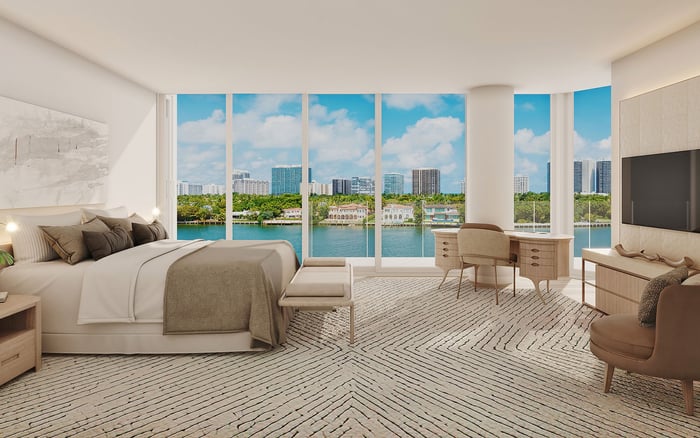
Look for clear separation between public and private rooms, bedrooms that are not merely technically compliant, kitchens that support real use, and primary suites that do not rely on decorative drama to feel substantial. Circulation matters as much as square footage. A long hallway can create privacy, but it can also consume valuable living area. A glassy living room may photograph beautifully, but it must still accommodate seating, dining, and art.
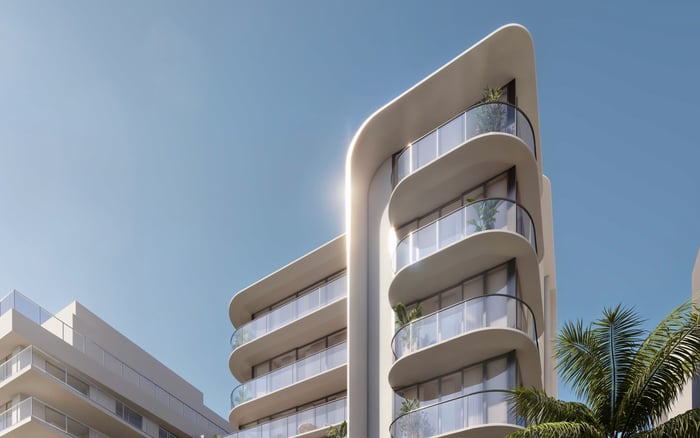
Terrace depth is another quiet indicator. Outdoor space should be usable, not just visible. A balcony that can support a morning coffee, a shaded reading chair, or an actual dining moment will have broader lifestyle value than a narrow ledge designed for marketing photography. For long-term ownership, practical elegance is the goal.
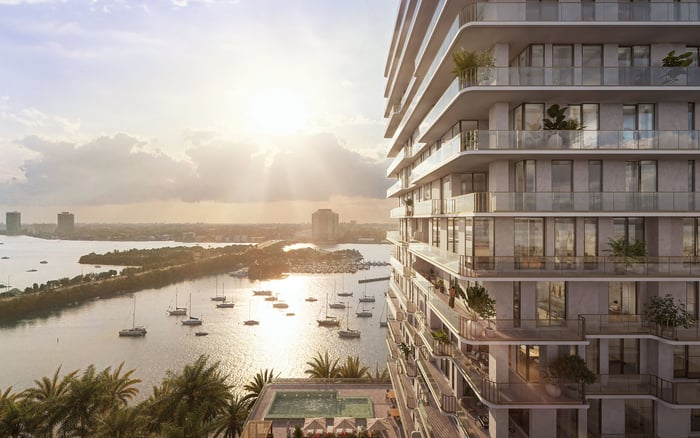
Waterfront is one of the most powerful words in South Florida real estate, yet it requires discipline. A water-facing residence must be assessed for exposure, privacy, building maintenance, insurance sensitivity, sound, light, and the quality of the view from the rooms where the owner will spend the most time.
Not every water view creates the same daily experience. The best ones are framed from the living areas and primary suite, supported by outdoor space that feels comfortable, and paired with a building envelope that seems designed for the climate rather than merely styled for it. For a long-term buyer, the question is not whether water is present. The question is whether the residence uses the water intelligently.
In that context, Onda Bay Harbor belongs in a serious comparison set for buyers who want to understand how waterfront positioning, architecture, and residential scale can shape the ownership experience.
An amenity program can add real value when it supports the way owners actually live. Wellness spaces, pool areas, lounges, and arrival sequences should feel considered, durable, and easy to use. The problem arises when an amenity package becomes more promotional than practical.
For a long-term purchase, the key is balance. Too little amenity depth can make a new building feel thin when compared with competing luxury offerings. Too much can create operating costs and management complexity that future buyers may scrutinize. Serious owners should ask whether each amenity has a clear purpose and whether the building can maintain it at a level consistent with the purchase price.
Wellness-oriented concepts such as The Well Bay Harbor Islands invite a particular question: does the programming enhance everyday life in a sustained way, or is it mainly a brand halo? The answer will depend on the buyer’s routine, expectations, and tolerance for ongoing association expense.
A preconstruction purchase is not only a design decision. It is also a legal and financial commitment. Deposit structure, cancellation language, delivery expectations, material substitution rights, financing contingencies, closing costs, and association documents all influence the true quality of the purchase.
This is where aspirational buying must become forensic. A buyer should understand what is included, what can change, what is optional, and what the association is expected to maintain. Parking, storage, elevator access, pet policies, rental rules, and future assessment exposure may not feel glamorous, but they shape the ownership experience and the resale narrative.
A polished sales presentation is not a substitute for careful document review. The most successful long-term buyers treat the paperwork as part of the architecture. If the contract creates uncertainty, the residence must be compelling enough to justify that uncertainty.
Investment quality in Bay Harbor Islands is not only about appreciation. It is about exit clarity. A residence that will appeal to a narrow buyer pool may still be worth purchasing if it is exceptional, but the owner should understand that narrower path before signing.
The most resilient units usually have simple strengths: logical layouts, desirable exposures, usable terraces, appropriate parking, strong building condition, controlled operating costs, and a design language that can age gracefully. Highly customized finishes may satisfy the first owner but reduce flexibility later. Likewise, an awkward bedroom count or compromised view can follow the unit into every future negotiation.
Buyers comparing La Maré Bay Harbor Islands with other local options should think beyond the first impression. The better question is how the residence will compete when it is no longer new and the next generation of new construction is being marketed nearby.
The strongest Bay Harbor Islands preconstruction purchase has a clear hierarchy. First comes location within the building: view, light, privacy, and noise exposure. Second comes the plan: room sizes, storage, kitchen utility, outdoor usability, and flexibility. Third comes the building: service model, amenities, maintenance expectations, and architectural restraint. Fourth comes the contract: clarity, protections, and total cost of ownership.
Only after those elements are understood should a buyer focus on finishes and decorative mood. Finishes can be upgraded. A compromised line, poor exposure, or inefficient plan is far harder to correct. This is why the most elegant purchases often feel understated at first. They are not trying to win the sales gallery. They are designed to work.
For South Florida’s luxury buyer, Bay Harbor Islands can offer a compelling alternative to louder coastal addresses. But the best purchase is not simply the newest or the most branded. It is the one that remains livable, legible, and desirable long after the ribbon-cutting.
Is a preconstruction condo in Bay Harbor Islands best for investors or end users? It can serve either profile, but the strongest purchases usually work first as real residences. End-user logic often supports better long-term resale depth.
What is the first thing to review in a preconstruction floor plan? Study circulation, bedroom placement, terrace usability, and storage before focusing on finishes. A beautiful palette cannot fix an inefficient plan.
Does boutique always mean better in Bay Harbor Islands? No. Boutique scale is valuable only when it improves privacy, service, operating discipline, and daily convenience.
How important is a water view for long-term value? A water view can be meaningful, but it should be paired with privacy, livable outdoor space, and sensible building maintenance expectations.
Should buyers prioritize amenities or lower carrying costs? The right answer depends on lifestyle, but every amenity should justify its long-term cost. Underused amenities can become expensive decoration.
What contract issues deserve special attention? Deposit terms, delivery language, substitution rights, association documents, rental rules, parking, and storage should all be reviewed carefully.
Can a branded or wellness concept improve resale? It can help if the concept is executed with substance and remains relevant to future buyers. Branding alone is not a substitute for quality.
Are finishes a deciding factor in preconstruction? Finishes matter, but they should remain secondary to layout, exposure, building quality, and ownership costs. Many finishes can be changed later.
What makes a unit easier to resell later? Broad appeal, logical room proportions, good light, useful terraces, appropriate parking, and restrained design all support future liquidity.
What is the best way to shortlist comparable options for touring? Start with location fit, delivery status, and daily lifestyle priorities, then compare stacks and elevations to validate views and privacy.
For a tailored shortlist and next-step guidance, connect with MILLION.
If branded residences are on your mind — as a home or as an allocation — we would be glad to share what we are seeing, privately.
Begin a quiet conversation