A practical, design-conscious guide for Bay Harbor Islands buyers reviewing wine storage, mechanical cooling, backup power, approvals, and long-term ownership risk before contract deadlines.

For a serious collector, wine storage is not a lifestyle flourish. It is a quiet mechanical commitment, one that deserves the same scrutiny as glazing, elevator access, private parking, and building services. In Bay Harbor Islands, buyers are often drawn to elegant scale, waterfront orientation, and a discreet residential rhythm. Yet even the most refined residence can disappoint if its wine wall, cellar, or cabinet has been treated as decoration rather than infrastructure.
The question is not simply whether a home has wine storage. The sharper question is whether that storage is engineered, maintainable, insurable, approvable, and resilient enough for the collection it is meant to protect. A glass enclosure in a dining room, a conditioned room near the kitchen, and a private cellar conversion each carry different implications for cooling, vibration, moisture control, alarms, power continuity, service access, and association approval.
This is a Buyer's Guides discipline: slow the seduction of the tour, ask for documentation, and separate presentation from performance before the inspection window closes.
A buyer should begin by defining the collection that will actually live in the residence. A few cases for entertaining create one standard. Long-term storage for investment-grade bottles creates another. Before assigning value to an existing installation, ask how many bottles it truly accommodates, what bottle formats fit without forcing, and whether the layout allows daily access without disturbing prized inventory.
The most revealing detail is often serviceability. If a cooling unit fails, can it be reached without opening walls or disrupting finished millwork? Is there room for replacement equipment of comparable capacity? Are electrical panels, condensate lines, sensors, and controls accessible to a technician? A beautiful cellar that cannot be serviced gracefully may become a costly inconvenience.
When touring Bay Harbor options such as Alana Bay Harbor Islands or other residences in the neighborhood, buyers should treat any proposed wine feature as part of the home’s mechanical narrative. If it is not yet built, request the design assumptions. If it already exists, request maintenance records, equipment information, and any available approval history.
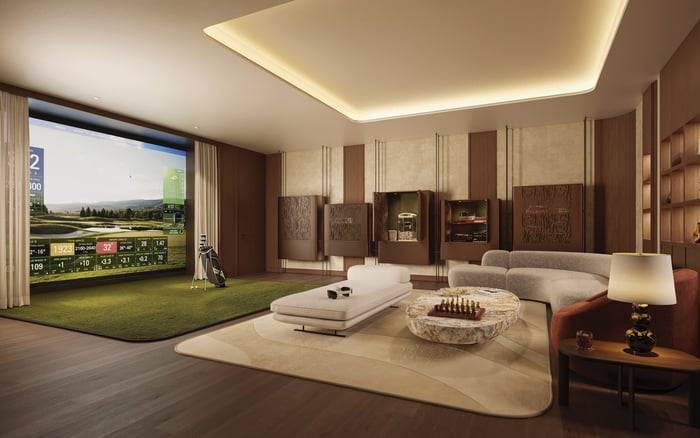
Wine storage often occupies one of the most visually seductive zones in a luxury residence: a backlit wall beside the dining room, a glass cube near the lounge, or a concealed tasting room wrapped in stone and millwork. Design matters, but performance should lead. Ask whether the enclosure is purely decorative, actively cooled, or designed as a true conditioned environment.
Glass, lighting, door seals, adjacent appliances, and nearby sun exposure can all increase the burden on cooling equipment. Rather than accepting broad assurances, ask the seller or developer to explain how temperature stability, humidity management, vibration control, drainage, and alarms are handled. If a designer is involved, the mechanical consultant should not be an afterthought.
For Bay Harbor buyers comparing a boutique condominium setting with a more private residential format, the distinction is not only aesthetic. In a condominium, penetrations, drains, noise, service hours, and equipment locations may be subject to building rules. In a private residence, the owner may have more direct control, but also more direct responsibility. In either case, documentation is part of the luxury.
Backup cooling should be reviewed before purchase because wine storage depends on continuity. The diligence is straightforward: ask what happens to the wine room, cabinet, or cellar when the primary cooling system stops, power is interrupted, a sensor fails, or a technician cannot arrive immediately. The goal is not to overcomplicate the purchase. The goal is to know whether the collection is protected by design or merely by hope.
If a building or home has backup power, ask precisely what it supports. Does it serve the residence broadly, selected outlets, common systems, life-safety systems, or dedicated mechanical loads? If the wine cooling system is not included, can it be added? If it can be added, who must approve the work? Buyers considering residences such as Bay Harbor Towers should make these questions part of the inspection conversation, not a post-closing surprise.
Monitoring is equally important. A buyer should ask whether the system can send alerts, who receives them, and whether remote response is possible when the owner is away. For a seasonal or second-home user, the best cellar is not the one that looks most dramatic during a showing. It is the one that communicates when something is wrong.
In a condominium, wine storage can touch several sensitive areas: electrical load, plumbing or condensate management, equipment noise, structural penetrations, waterproofing, and contractor access. Before closing, request the relevant rules and ask whether an existing installation was approved. If the seller cannot produce clear documentation, the buyer should assume the issue requires careful review.
A pre-construction buyer should be equally precise. At projects such as La Baia North Bay Harbor Islands, the right time to discuss wine storage is before finish selections are locked and before mechanical pathways become difficult to modify. Ask what is standard, what is optional, what requires customization, and whether the developer or association will permit third-party cellar specialists after delivery.
Single-family purchasers should not relax the analysis. They should review equipment age, warranties, utility capacity, waterproofing, service contracts, and any record of prior modifications. A wine room added after the original construction may be excellent, or it may be a decorative retrofit. The difference is in the plans, the equipment, and the workmanship.
Wine storage should influence value only when it is useful, documented, and aligned with the buyer’s needs. A residence with a disciplined installation may deserve meaningful consideration from a collector. A residence with a photogenic but undocumented feature should be treated more cautiously. Buyers should avoid paying twice: once in the purchase price, and again after closing to correct undersized equipment, inaccessible components, or unapproved work.
A practical approach is to assign the feature to one of three categories. First, turnkey: documentation, performance, monitoring, service access, and approvals are clear. Second, adaptable: the location is promising, but upgrades are likely. Third, decorative: the feature has visual appeal, but little proven storage value.
That framework can be useful when comparing new and established residences, including wellness-oriented settings such as The Well Bay Harbor Islands or waterfront-focused offerings such as Onda Bay Harbor. The most elegant purchase is one in which the buyer understands not only the view and the finishes, but also the systems quietly protecting what matters.
Should I value a wine room the same way I value custom millwork? No. Millwork is primarily a finish, while wine storage is a mechanical and operational system.
What should I ask for before closing? Request equipment details, maintenance history, approval records, service access information, and any monitoring or alarm documentation.
Is a glass wine wall enough for serious storage? It depends on whether it is actively conditioned and properly designed, not simply on how impressive it looks.
Can backup power protect a wine collection? It can, but only if the wine cooling equipment is actually connected to the supported load.
Who should inspect a wine cellar before purchase? Use a qualified professional familiar with wine cooling, electrical requirements, drainage, controls, and serviceability.
Are condominium approvals important? Yes. Association rules may affect equipment location, penetrations, noise, drainage, contractor access, and future modifications.
What is the biggest hidden risk? The most common risk is assuming a beautiful installation performs like a true conditioned storage environment.
Should seasonal owners prioritize remote monitoring? Yes. If the residence will be unattended, alerts and response protocols become especially important.
Can I add wine storage after closing? Often it is possible, but feasibility depends on space, power, drainage, approvals, and the building or home’s existing systems.
How should I compare two residences with wine storage? Compare documentation, equipment access, backup cooling strategy, approvals, and how well each installation matches your collection.
When you're ready to tour or underwrite the options, connect with MILLION.
If branded residences are on your mind — as a home or as an allocation — we would be glad to share what we are seeing, privately.
Begin a quiet conversation