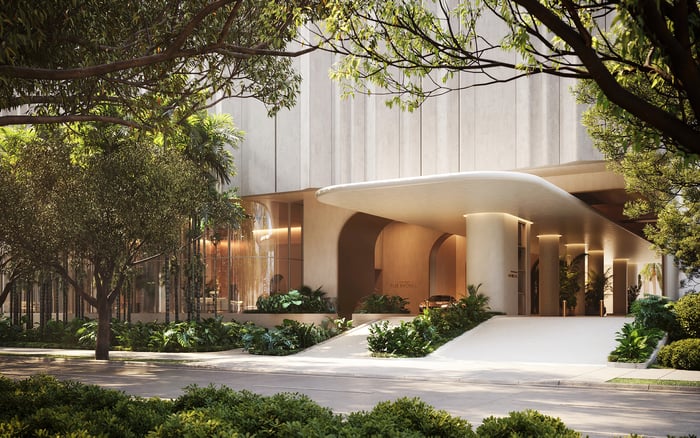
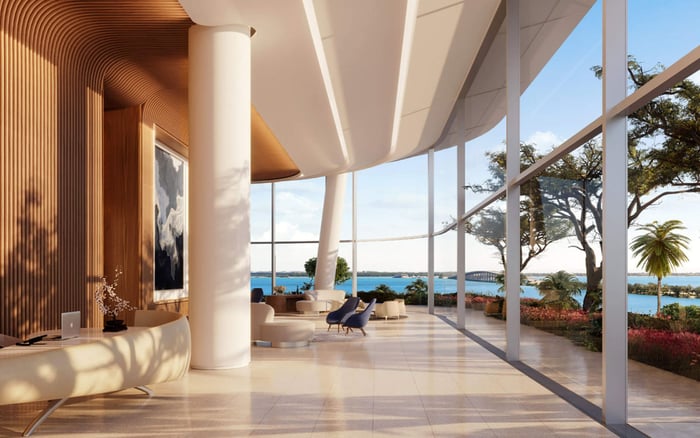
A discreet buyer’s guide to evaluating whether the branded promise at 619 Residences is supported by durable staffing, governance, budgeting, privileges, and South Florida operating discipline before a reservation is made.
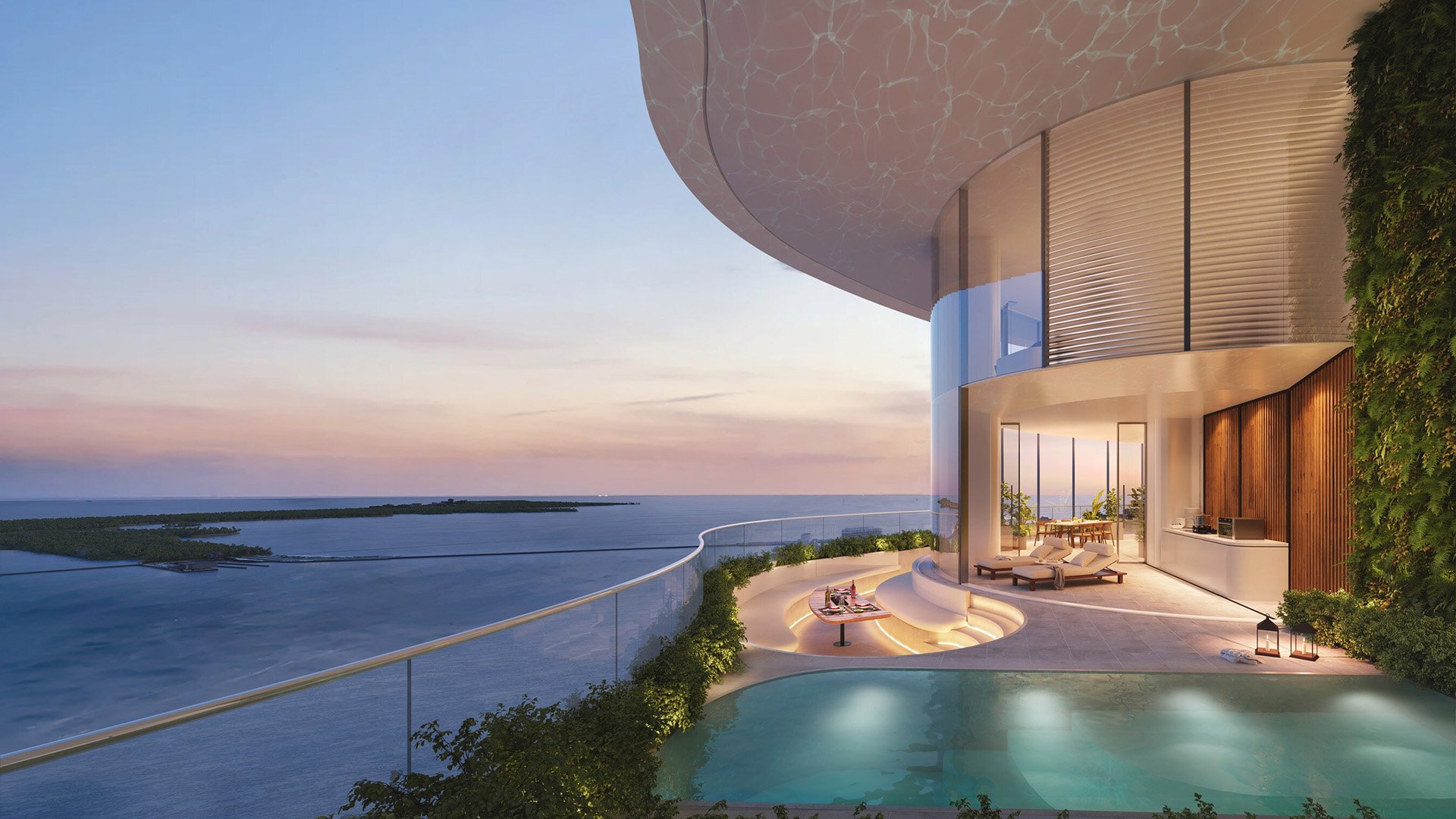
For a certain tier of South Florida buyer, the appeal of 619 Residences by Foster + Partners + Nobu Hospitality is not simply architecture or brand recognition. The more important question is whether the promised residential experience can be operated with the consistency, discretion, and financial discipline ultra-prime ownership requires.
That distinction matters. A branded residence is not a hotel suite with a deed. It is a private condominium environment shaped by documents, budgets, service contracts, association control, staffing realities, and the daily behavior of residents and management. The name on the building can set expectations, but the operating model determines whether those expectations survive the first year, the first board transition, the first labor shortage, and the first hurricane season.
For Brickell buyers comparing branded residences across the market, the reservation moment is the wrong time to be guided by atmosphere alone. It is the right time to ask how service is funded, who controls standards, what is guaranteed in writing, and what remains promotional language.
The most valuable document in any branded residential review is the management agreement, or at minimum a clear summary of it. Buyers should understand who is responsible for daily operations, how long the agreement runs, what performance obligations exist, and under what conditions the brand or operator can step away.
A serious review should determine whether the service program is controlled by the condominium association, a third-party manager, the hospitality brand, or some combination of those parties. It should also identify which services are included in regular assessments and which are billed separately. That distinction can reshape the true cost of ownership.
In Brickell, buyers may naturally compare the service language around Baccarat Residences Brickell, Cipriani Residences Brickell, and St. Regis® Residences Brickell. The comparison should not be about which name feels most glamorous. It should be about which documents most clearly define the owner experience after closing.
A polished arrival sequence, trained front-of-house team, private dining coordination, wellness programming, valet choreography, package handling, residential concierge work, and security coverage all require money. If the proposed association budget appears light relative to the service promise, the buyer should pause.
The due-diligence question is direct: does the budget support the lifestyle being marketed? Luxury service tends to fail quietly before it fails visibly. Response times lengthen. Staffing becomes thinner. Amenities remain available, but they are managed with less grace. Residents begin paying more à la carte, or the association eventually faces pressure to raise assessments.
For pre-construction purchasers, the first-year budget should be read as a living document rather than a guarantee of permanent cost. Ask what assumptions sit behind payroll, insurance, utilities, maintenance, reserves, and hospitality programming. Ask what happens if labor costs rise or service demand exceeds projections. In new-construction buildings, the earliest years often establish habits that are difficult to correct later.
Nobu Hospitality may signal a particular culinary and service sensibility, but buyers should avoid assuming privileges that are not written into the reservation materials, condominium documents, or brand agreements. If there are restaurant, dining, event, wellness, or concierge benefits, the buyer should ask whether they are exclusive, preferential, capacity-limited, revocable, or subject to separate fees.
The best questions are practical. Can residents book experiences through a dedicated residential team? Are any privileges transferable to guests or tenants? Are blackout dates contemplated? If a restaurant or hospitality venue is involved, who has priority when demand is high? How are disputes handled when residential expectations meet commercial operating realities?
These are not skeptical questions. They are the questions a sophisticated buyer asks to protect the elegance of daily life.
Even the most refined service platform must operate within condominium governance. Before reserving, buyers should ask how the transition from developer control to association control is expected to affect staffing, service levels, and brand oversight. If the association can reduce services to control costs, the building’s personality may change over time.
That makes governance a central issue. Buyers should review voting structures, assessment authority, reserve philosophy, rules on leasing and guests, and the process for changing service providers. A building can begin with a beautifully curated operating vision and later drift if the documents do not preserve the service model with sufficient clarity.
This is where buyer’s guides become especially useful. The luxury purchase is not only about finishes, views, or an address. It is about whether the legal and financial architecture supports the emotional promise of the building.
In South Florida, service quality is not proven only on sunny weekends. It is proven during hurricane preparation, emergency staffing, power interruptions, post-storm access, water intrusion response, elevator management, debris removal, generator protocols, and communication with owners who may be away for the season.
Before reserving, a buyer should request the building’s emergency operating philosophy. Who stays on site during a storm? What systems are backed by generator capacity? How are residents updated before and after severe weather? What is the expected process for reopening amenities? Are vendors pre-arranged for remediation and recovery?
These issues are not glamorous, but when handled well, they are deeply luxurious. In a vertical residence, calm is an operational achievement.
South Florida’s luxury-service market is competitive. A buyer should ask how the building intends to recruit, train, retain, and supervise front-of-house staff. The service promise depends on people who recognize residents, understand privacy, manage conflict quietly, and keep standards consistent across shifts.
Training language should be specific. Are there written service standards? Is the brand involved in onboarding? Are mystery-shopper style evaluations contemplated? Who disciplines or replaces staff if expectations are not met? If turnover occurs, is there a continuity plan?
The difference between a pleasant condominium and a truly serviced residence is often found in small moments: the way a guest is greeted, how a car is brought around, how a delivery is handled, and how a resident’s preference is remembered without being announced.
The current Brickell audience has options, including design-driven and hospitality-led concepts such as 888 Brickell by Dolce & Gabbana. That broader field gives buyers leverage. Ask each sales team the same questions and compare the specificity of the answers.
Vague language is not always a warning sign, especially early in a project’s life, but it should prompt follow-up. A buyer should prefer written operating commitments over verbal elegance. The more premium the purchase, the more important it becomes to separate mood from mechanics.
Before placing a reservation, buyers should request written clarity on management structure, service scope, included and à la carte offerings, staffing assumptions, association budget exposure, brand oversight, privileges, emergency protocols, and governance after turnover. If any answer is incomplete, the reservation decision can still move forward, but the buyer should know which assumptions remain open.
The most elegant service models do not rely on improvisation. They have funding, training, accountability, and documents that make the experience repeatable. For 619 Residences, as with any elite branded residential offering, the essential buyer judgment is whether the hospitality promise is structurally supported.
What is the first document to review before reserving at 619 Residences? Start with the reservation materials and any available summary of the management, service, and condominium governance structure.
Why does the association budget matter so much in a branded residence? The budget indicates whether staffing, amenities, maintenance, and service expectations are realistically funded after opening.
Should buyers assume all Nobu-related privileges are included? No. Any privileges should be confirmed in writing, including access, priority, fees, guest rights, and limits.
What service questions are most important for seasonal owners? Ask about owner communication, in-residence access procedures, package handling, storm preparation, and post-storm updates.
Can a branded residence reduce services after the association takes control? It may depend on the condominium documents, contracts, voting structure, and budget authority, so buyers should review those terms carefully.
How should buyers evaluate staffing quality before the building opens? Ask about recruitment standards, training, supervision, brand involvement, staffing levels, and accountability procedures.
What South Florida issue is often underestimated in service planning? Hurricane readiness is critical, including emergency staffing, generator planning, vendor coordination, and recovery communication.
Are à la carte services a problem? Not necessarily. The key is knowing which services are included, which are optional, and how pricing may change over time.
How can buyers compare 619 Residences with other Brickell branded projects? Ask each project the same operational questions and compare the precision, documentation, and durability of the answers.
What is the best way to shortlist comparable options for touring? Start with location fit, delivery status, and daily lifestyle priorities, then compare stacks and elevations to validate views and privacy.
For a tailored shortlist and next-step guidance, connect with MILLION.
If branded residences are on your mind — as a home or as an allocation — we would be glad to share what we are seeing, privately.
Begin a quiet conversation