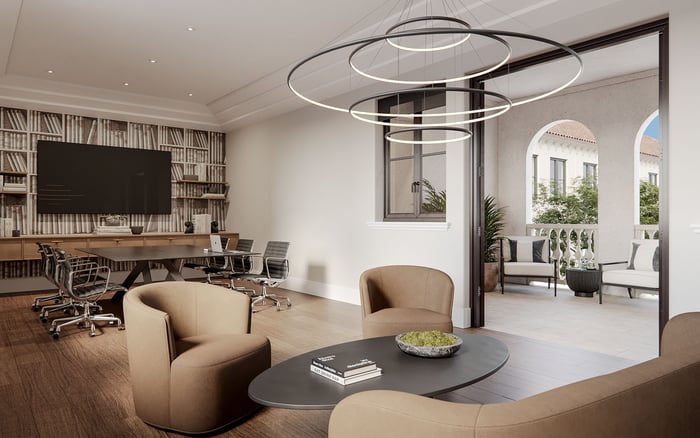
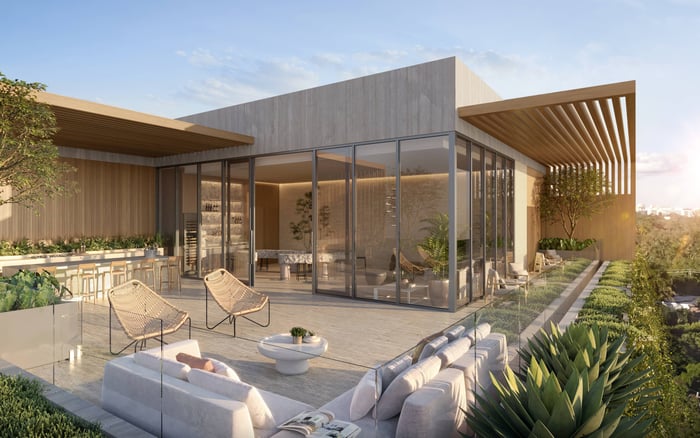
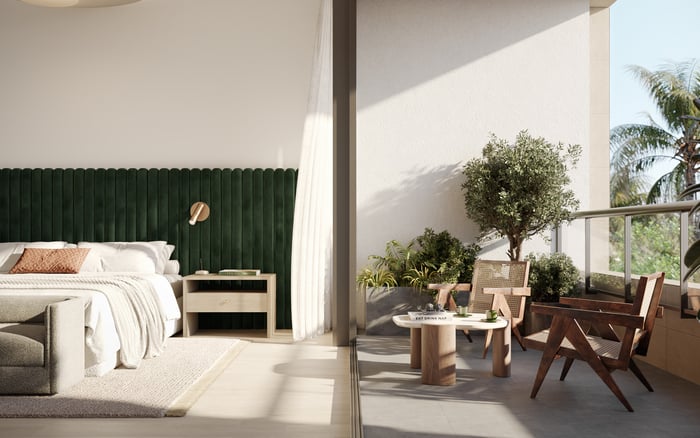
A discreet buyer guide for evaluating South Florida homes through the lens of resale liquidity, with emphasis on Coral Gables, specialized buildings, and exit discipline.
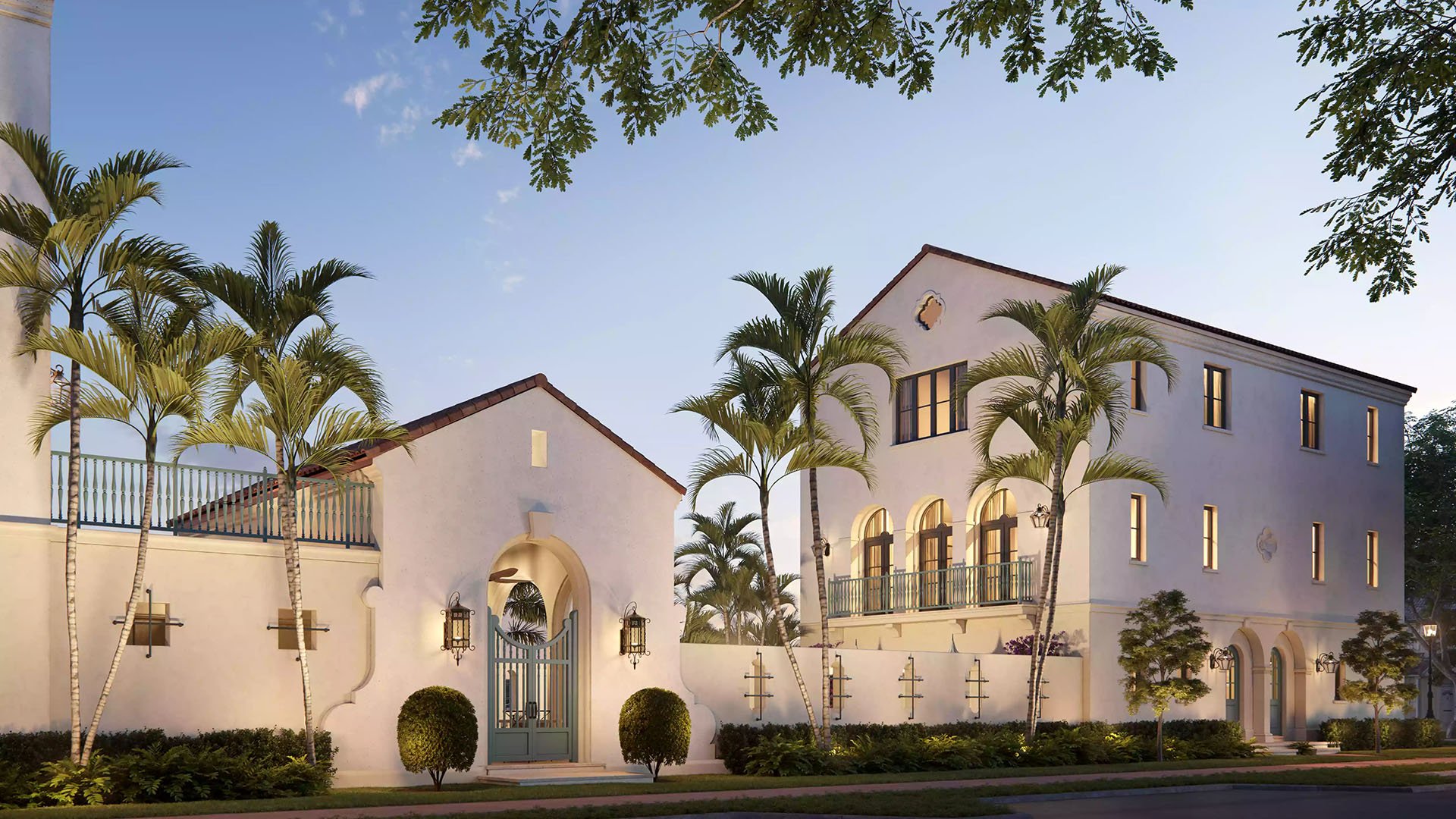
For a Dubai-based buyer arriving in South Florida, the first viewing can be intoxicating: palms, water, Mediterranean Revival streetscapes, discreet lobbies, and a different rhythm of domestic life. Yet the most disciplined luxury purchase begins with a less glamorous question: If you needed to sell, who would buy this home, how quickly, and with what degree of pricing confidence?
That is the essence of resale liquidity. It is not the same as resale value. Value asks what a property might be worth. Liquidity asks how deep the buyer pool is when you decide to exit. In a specialized building, the distinction matters. A highly particular residence may be exquisite, but if its design, fees, rules, or location appeal to a narrow audience, the eventual sale process can require more patience and sharper pricing.
Coral Gables rewards buyers who think this way. The city’s appeal is built around a refined residential identity, but no two buildings or homes behave the same in resale. A buyer considering Cora Merrick Park should ask not only whether the address suits today’s life, but whether the building’s profile will be legible and desirable to the next qualified buyer.
A specialized building is not automatically risky. It may be boutique, highly serviced, architecturally distinct, branded, wellness-led, waterfront-focused, or unusually private. Specialization can create scarcity, and scarcity can support pricing. The question is whether the specialization expands desire or limits it.
A boutique building, for example, can feel calm and personal. It may also have fewer comparable resales, fewer units trading at any moment, and a smaller audience that understands its value. A large amenity-driven tower may create broader awareness, but it can also compete with many similar listings. Neither model is inherently superior. Liquidity depends on how clearly the building’s proposition translates to the market.
When evaluating specialized buildings, ask three questions. First, is the concept easy to explain in one sentence? Second, does the monthly ownership profile feel proportionate to the experience? Third, would a buyer relocating from another city understand the value without needing a long education? The easier the answers, the cleaner the exit.
Coral Gables appeals to buyers who want elegance without an overtly resort-like feel. It can suit those seeking permanence, discretion, walkable village energy, or a more established residential tone. But liquidity still varies by micro-location, property type, building governance, and the size of the future buyer pool.
A residence near dining, culture, and daily conveniences may appeal to a wider audience than a home that requires a more specific lifestyle pattern. A unit with a flexible floor plan may trade more easily than one designed around highly personal taste. Outdoor space, parking practicality, storage, natural light, and privacy can all influence how many future buyers see themselves living there.
This is where Coral Gables projects such as Ponce Park Coral Gables become useful reference points for a buyer’s thinking. The link between neighborhood character and future demand should be examined before finishes, views, or staging take over the conversation.
Resale is rarely decided by one feature. It is usually the result of several quiet variables working together.
The first is comparability. If similar residences have traded before, future buyers and lenders have a clearer frame of reference. In a one-of-a-kind home, pricing may be possible, but it often requires more interpretation.
The second is carrying-cost confidence. Monthly fees, insurance exposure, reserves, and building maintenance all influence the buyer pool. Affluent buyers are not immune to friction. They may accept high costs when the experience feels complete, but they tend to scrutinize costs that feel disconnected from the building’s benefits.
The third is governance. A well-run association, clear rules, and consistent upkeep can protect confidence. A building with uncertainty around capital needs, rental policies, or approvals may narrow the field of future buyers.
The fourth is usability. A dramatic floor plan may photograph beautifully, but resale buyers often value simple daily function: bedroom separation, storage, parking, service access, and guest accommodation.
The fifth is narrative. The next buyer needs to understand why this home matters. A specialized property with a crisp narrative can feel rare. A specialized property with a confusing narrative can feel illiquid.
New construction can be appealing to international buyers because it feels clean, current, and easier to understand. Fresh systems, modern layouts, and a contemporary amenity program may reduce near-term friction. But newness is not a permanent liquidity strategy. At resale, the home must compete with newer buildings, developer inventory, and the evolving taste of the next cycle.
The disciplined buyer studies what will remain attractive after the novelty fades. Ceiling heights, plan efficiency, privacy, arrival experience, and the quality of shared spaces can age better than fashionable finishes. The same is true of location. A building that belongs naturally to its neighborhood may hold attention longer than one that feels imported without context.
For buyers comparing Coral Gables with nearby Coconut Grove, The Village at Coral Gables and Four Seasons Residences Coconut Grove can help frame the difference between neighborhood identity, service expectations, and future buyer psychology without reducing the decision to price alone.
Many Dubai buyers are comfortable assessing product, service, design, and building identity. That can be an advantage in South Florida, provided the analysis is adapted to local resale behavior. A polished lobby or a branded name may open the conversation, but the exit depends on broader fundamentals.
Do not confuse rarity with liquidity. A unique feature is powerful only if enough future buyers want it. Do not confuse privacy with demand. A very private building may be superb for living, but it may require a more targeted resale process. Do not confuse high design with universal appeal. Personal taste can elevate a home, but overly specific customization can reduce the number of buyers willing to pay for it.
The strongest investment decisions are often the quietest: a well-proportioned residence, in a comprehensible building, with fees that feel rational, rules that are clear, and a location that makes sense to more than one buyer profile.
Before making an offer, create an exit memo for yourself. Identify the most likely future buyer: local downsizer, international second-home owner, family, executive, seasonal resident, or design-led collector. Then ask whether the residence serves that buyer as well as it serves you.
Review the building budget and meeting materials with professional guidance. Understand rental restrictions, pet rules, renovation rules, financing norms, and any approval process. Study competing buildings, not only competing units. In luxury real estate, the alternative is often not the unit next door. It may be a different neighborhood entirely.
Price also deserves restraint. A rare property can justify a premium, but liquidity weakens when the premium depends on emotions that only the current buyer feels. The most resilient purchase is one where the personal premium is modest and the market logic is visible.
Waterfront homes and water-view residences deserve their own scrutiny. The emotional pull can be strong, but the future buyer will still evaluate exposure, maintenance, building condition, and daily convenience. Beauty matters. So does the ability to sell that beauty without excessive explanation.
The best resale test is simple. Imagine describing the home to a sophisticated buyer in three calm sentences. If the value proposition is clear, the building is understandable, the costs are defensible, and the buyer pool is not overly narrow, the property likely has stronger liquidity potential.
If the explanation depends on too many exceptions, too much education, or too much personal taste, pause. The home may still be right for you, but it should be purchased with eyes open and a longer expected exit horizon.
For a Dubai buyer choosing Coral Gables or a nearby South Florida enclave, liquidity is not the enemy of pleasure. It is the discipline that allows pleasure to endure.
What does resale liquidity mean in luxury real estate? It means how readily a qualified buyer pool may absorb the property when you decide to sell, not simply the theoretical value.
Is a specialized building harder to resell? Not always. It can resell well when the concept is clear, the costs are defensible, and enough future buyers want the same lifestyle.
Why does Coral Gables require a liquidity lens? Coral Gables has a distinct residential identity, so buyers should evaluate how each building, floor plan, and location will appeal beyond their own preferences.
Should I prioritize brand, location, or floor plan? Prioritize the combination. A strong brand cannot fully compensate for an awkward plan, and a beautiful plan still needs a compelling location.
Are smaller boutique buildings more liquid? They can be, but fewer units may mean fewer comparable sales. The key is whether the building’s privacy and scale are widely understood.
How important are monthly costs for resale? Very important. Luxury buyers may accept meaningful costs, but they usually expect the building experience to justify them clearly.
Does new construction guarantee an easier exit? No. Newness helps at purchase, but resale depends on lasting design, governance, location, and competition from future new supply.
What should Dubai buyers review before signing? They should review building rules, carrying costs, governance, rental policies, comparable alternatives, and the likely future buyer profile.
Can a very unique home still be a good investment? Yes, if its uniqueness is desirable to a broad enough audience and the purchase price leaves room for a disciplined exit.
What is the simplest liquidity test? Ask whether you can explain the home’s value in three calm sentences to a buyer who has never seen it before.
For a discreet conversation and a curated building-by-building shortlist, connect with MILLION.
If branded residences are on your mind — as a home or as an allocation — we would be glad to share what we are seeing, privately.
Begin a quiet conversation