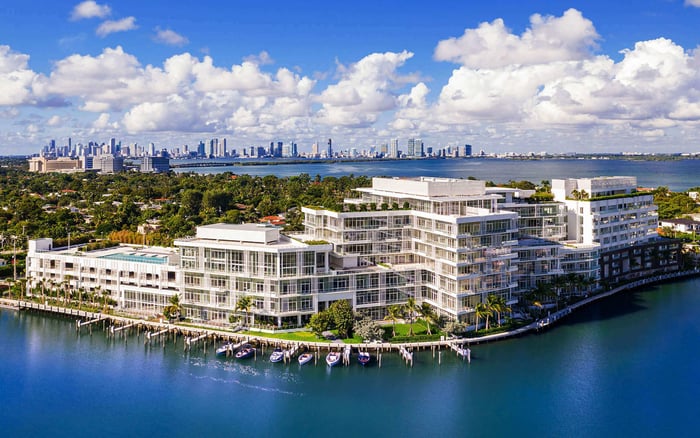
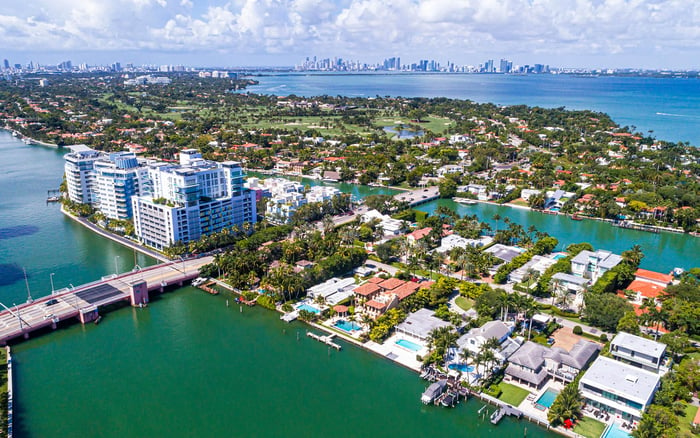
A discreet buyer’s guide to evaluating operational friction in Miami Beach luxury real estate, from building governance and service models to ownership rules and daily ease.
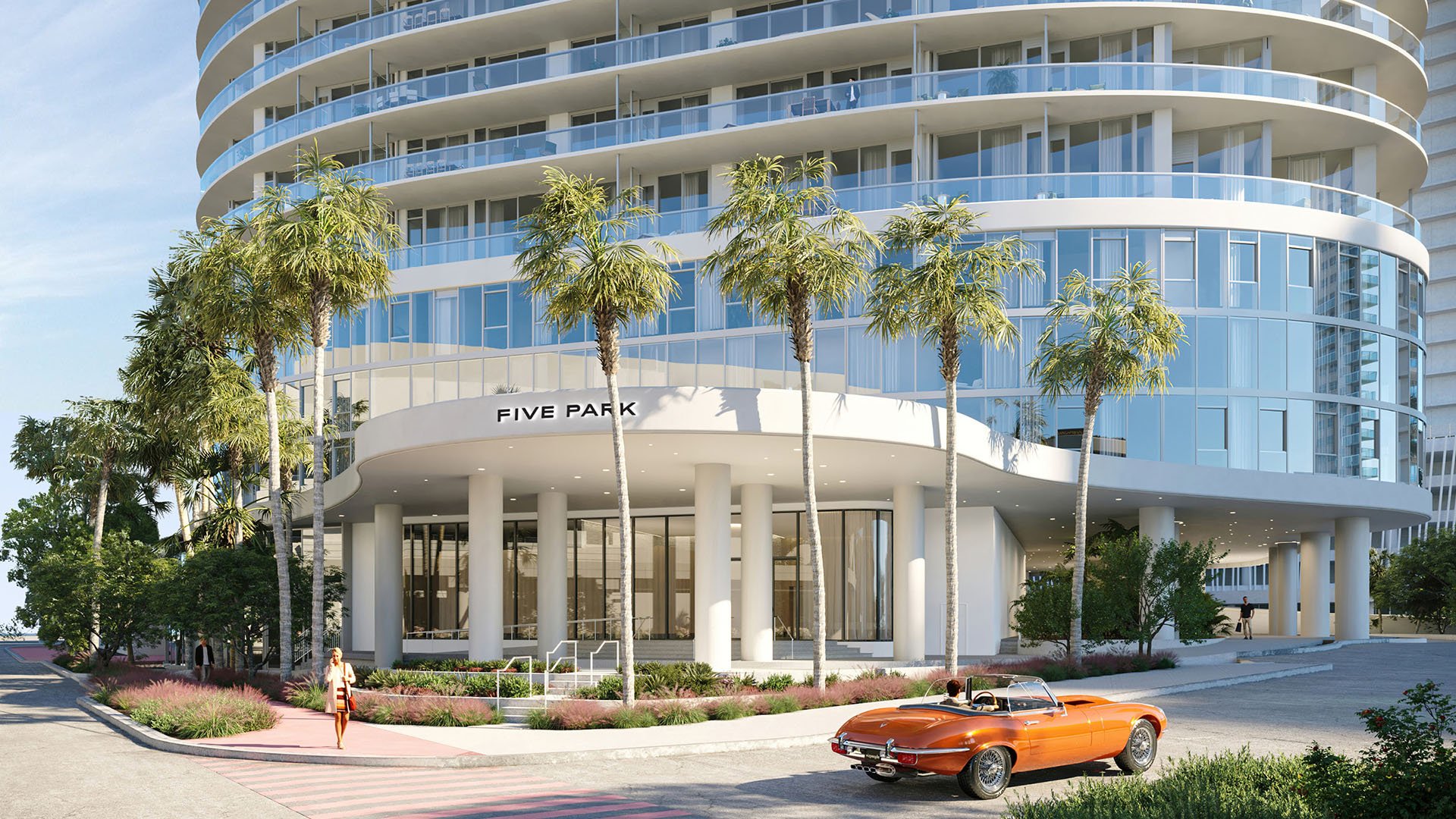
In Miami Beach, the most elegant purchase is not always the residence with the most dramatic arrival sequence or the broadest view corridor. For sophisticated buyers, the quieter question is often more consequential: how much friction will this property create after closing?
Operational friction is the accumulation of small constraints that shape daily ownership. It can appear in building approvals, guest policies, renovation procedures, valet logistics, service consistency, insurance administration, board governance, pet rules, delivery access, rental restrictions, and the ease with which an owner can live privately. None of these details photographs as beautifully as a terrace at sunset, yet they define the ownership experience every day.
This perspective is especially relevant in Miami Beach, where luxury buyers often balance full-time residence, seasonal use, family visits, staff coordination, art handling, entertaining, wellness routines, and travel schedules. Lower friction does not mean fewer rules. In the best buildings, it means rules are clear, service is disciplined, communication is responsive, and expectations are aligned before a contract is signed.
Before comparing finishes or amenity decks, buyers should define their operating profile. A primary resident may prioritize quiet elevator performance, storage, guest access, package handling, and staff familiarity. A seasonal owner may care more about arrival preparation, storm protocols, maintenance while away, and vendor coordination. A family buyer may focus on parking, dogs, bicycles, beach equipment, visiting relatives, and household help.
The same apartment can feel effortless for one owner and cumbersome for another. A Waterfront residence with extensive amenities may be ideal for a buyer who wants a fully serviced environment, while a smaller boutique building may better suit someone seeking privacy and fewer shared touchpoints. The right question is not whether a building is impressive. It is whether its operating culture matches your life.
When reviewing Miami Beach options, compare the tone and procedures of each building as carefully as the floor plan. A residence such as The Perigon Miami Beach may sit in a different buyer conversation than 57 Ocean Miami Beach, but the due diligence principle remains the same: understand how ownership functions behind the polished presentation.
Many luxury buyers begin with exposure, ceiling height, terrace depth, and interior specification. Those matters are important, but they should not distract from the documents and culture that govern the building. The declaration, bylaws, house rules, budget, insurance materials, meeting notes, alteration guidelines, and application requirements all reveal how the property operates.
Look for clarity. Are renovation rules specific? Are move-in and delivery procedures orderly? Is vendor access easy to understand? Are guest policies practical for the way you entertain? Are pet rules consistent with your household? Does the board approval process feel predictable? Are fees and deposits plainly communicated?
Operational friction often hides in ambiguity. A building may have generous physical amenities but unclear administrative procedures. Another may have a more restrained amenity program and a highly professional management rhythm. For a buyer who values time, privacy, and certainty, the second building may deliver the better ownership experience.
Luxury service is not simply the presence of a concierge desk or valet stand. It is the choreography of arrival, access, communication, discretion, maintenance, and problem-solving. Buyers should ask how requests are handled, who communicates with owners, what happens after hours, and whether the service team appears empowered or merely procedural.
A building with more amenities can also carry more complexity. Pools, spas, beach service, fitness spaces, dining rooms, lounges, treatment rooms, and private event areas all require staffing, scheduling, maintenance, and governance. The question is not whether these offerings are desirable. It is whether the operating structure supports them without creating congestion or confusion.
This is where Lifestyle value becomes practical. If a buyer wants a turnkey rhythm, the property must be organized enough to deliver it. If privacy is the priority, service should be present without feeling intrusive. If entertaining is central, guest arrivals, valet capacity, catering access, and event rules should be understood before closing.
New-construction buyers often focus on design pedigree, completion vision, and early selection advantages. The operational review should add another layer: how will the building be staffed, governed, handed over, and stabilized after residents arrive? Early ownership can be highly rewarding, but buyers should understand that a new residential environment may need time to develop its service cadence.
Resale buyers have a different advantage. They can evaluate an operating history. Existing residents, building staff, board materials, visible maintenance, common-area condition, and the rhythm of arrivals can all tell a story. A polished lobby is useful, but the real signals are consistency, cleanliness, responsiveness, and the absence of avoidable confusion.
Miami Beach buyers comparing Shore Club Private Collections Miami Beach with an established condominium should not only compare architecture and location. They should compare the expected operating model, rules, timelines, monthly obligations, and day-to-day ease.
Rules around leasing, guests, pets, renovations, deliveries, staff access, vehicles, beach equipment, and storage can materially shape the enjoyment of a residence. A buyer who expects extended family to use the home should understand guest authorization procedures. A buyer considering rental flexibility should study minimum lease terms and approval requirements. A buyer with household staff should review access protocols, parking, service elevators, and registration procedures.
The objective is not to avoid restrictions. Well-run buildings need standards. The objective is alignment. A highly private building may be perfect for an owner who values quiet and control, while frustrating for someone who expects frequent visitors and flexible use. A more active building may feel convenient to one buyer and too exposed to another.
For ultra-premium owners, operational friction is often a privacy issue. The less clear a building’s processes are, the more often owners must explain themselves, request exceptions, or wait for decisions. Clear rules preserve discretion.
A low-friction building is usually one where physical condition and financial administration are treated seriously. Buyers should review maintenance responsibilities, insurance requirements, reserve planning, capital projects, and the association’s approach to repairs. These are not merely accounting matters. They affect interruption, access, noise, special obligations, and long-term confidence.
The most desirable ownership experience is not always the lowest monthly cost. A building that underinvests can create larger disruptions later. Conversely, a building that communicates clearly about maintenance and capital needs may feel more expensive on paper but easier to own in practice.
Ask how common-area work is scheduled, how residents are notified, how vendors are supervised, and whether the building has a disciplined process for recurring maintenance. For a buyer accustomed to private aviation, household staff, or multiple residences, administrative predictability is part of the luxury proposition.
During showings, observe the building as an owner would. How does valet operate at busy times? Is the lobby calm? Are service areas orderly? Do staff members recognize residents? Are deliveries controlled? Do elevators feel sufficient? Are amenity spaces maintained? Is the garage intuitive? Are beach or pool areas managed in a way that feels gracious?
A second visit at a different time of day can be revealing. Morning, late afternoon, weekends, and holiday periods may each show a different operating rhythm. Buyers should also understand move-in logistics, contractor hours, elevator reservations, package policies, and procedures for long absences.
For residences such as The Ritz-Carlton Residences® Miami Beach, the brand and architecture may frame the first impression, but ownership satisfaction still depends on the precise mechanics of service, governance, and daily access.
Lower operational friction is not a secondary consideration. In Miami Beach, it can be the difference between a residence that is admired and a residence that is truly lived in with ease. Buyers should treat it as a core valuation factor alongside location, view, floor plan, design, and price.
The strongest properties make complexity disappear. They communicate clearly, enforce standards consistently, maintain their assets, and respect the owner’s time. For the buyer who expects a South Florida home to support travel, wellness, family, entertaining, and privacy, that calm may be the highest form of luxury.
What does operational friction mean in Miami Beach real estate? It refers to the practical obstacles that affect ownership, including rules, approvals, service, maintenance, access, and communication.
Should buyers review building documents before making an offer? Serious buyers should review key documents as early as possible, especially if lifestyle needs depend on specific rules or approvals.
Is a larger amenity program always better? Not necessarily. More amenities can enhance daily life, but they also require stronger staffing, maintenance, scheduling, and governance.
How can a buyer evaluate service quality during a showing? Watch arrival flow, staff coordination, elevator timing, valet activity, common-area condition, and how calmly the building operates.
Are resale buildings easier to evaluate than new projects? They can be, because an operating history is visible. New projects require careful review of proposed service structure and governance.
Why do leasing rules matter if I do not plan to rent? Leasing rules can influence building character, privacy, future flexibility, and the pool of potential buyers when you eventually resell.
What should seasonal owners prioritize? They should focus on access while away, maintenance coordination, storm preparation, vendor rules, and communication procedures.
Can strict rules be a positive sign? Yes, if they are clear, consistent, and aligned with the building’s luxury standard. Friction usually comes from ambiguity, not discipline.
How important are reserves and capital planning? They are central to ownership ease because underplanned maintenance can lead to disruption, uncertainty, and unexpected obligations.
What is the best way to shortlist comparable options for touring? Start with location fit, delivery status, and daily lifestyle priorities, then compare stacks and elevations to validate views and privacy.
When you're ready to tour or underwrite the options, connect with MILLION.
If branded residences are on your mind — as a home or as an allocation — we would be glad to share what we are seeing, privately.
Begin a quiet conversation