A discreet buyer’s guide to evaluating staff-entry design, service circulation, privacy, deliveries, and daily household operations before purchasing luxury real estate in Miami Beach.

In Miami Beach, luxury is not measured only by views, finishes, or the drama of a primary suite. At the highest level, it is measured by how effortlessly a home functions when life is in motion. Staff-entry design is one of the quiet determinants of that ease. It shapes how housekeepers arrive, how caterers set up, how deliveries move, how maintenance is handled, and how private the owner’s daily routine remains.
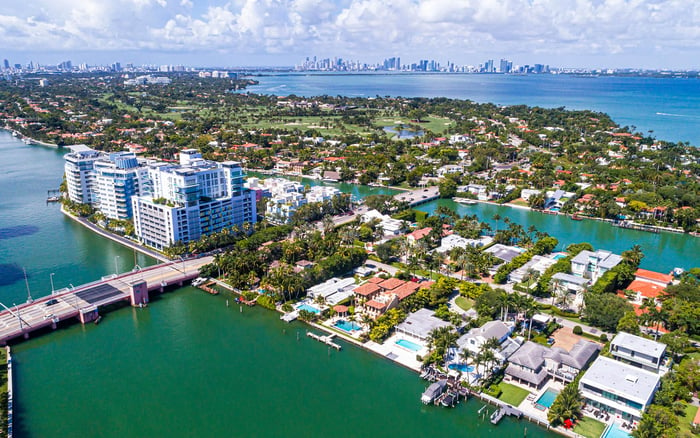
For many buyers, this subject feels secondary during an initial tour. The eye naturally goes to the water, the terrace, the kitchen island, the dressing room, and the ceiling heights. Yet the staff path often reveals whether a residence was designed as a true full-service home or simply dressed as one. In a market where Miami Beach buyers frequently consider both condominium residences and estates or single-family properties, the question is not whether service access exists. The question is whether it has been planned with discretion, security, and daily practicality.
This is a buyer’s guide topic because the answers are rarely visible in a listing photograph. They emerge in floor plans, elevator protocols, parking arrangements, service corridors, package handling, and the small transitions between public, private, and working zones. For MILLION readers, the staff entry is not a back door. It is part of the home’s operating architecture.
A sophisticated review begins by tracing the full route. Where does a staff member, vendor, chef, dog walker, florist, or installer arrive? Do they enter through a staffed lobby, garage, dedicated service entrance, side gate, or controlled access point? From there, how do they reach the residence, and what do they pass along the way?
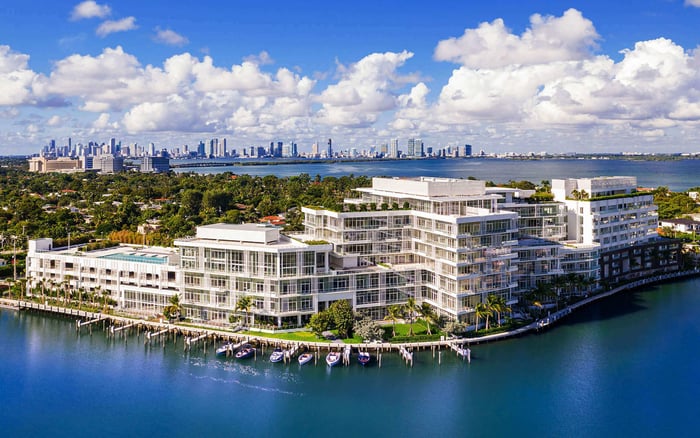
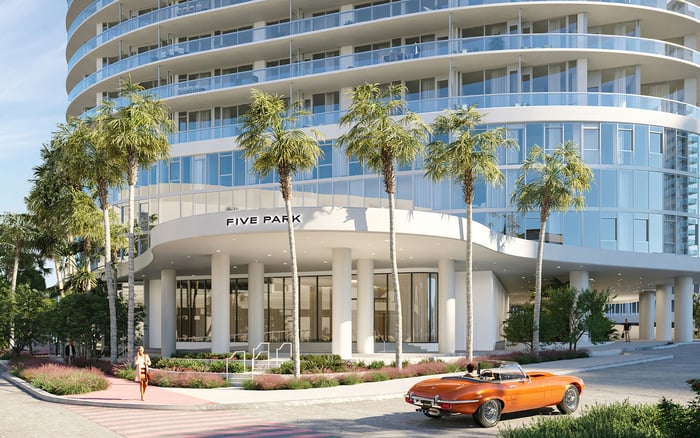
In a condominium setting, ask to see the complete path from arrival to residence. Buyers comparing Miami Beach buildings such as The Perigon Miami Beach, Shore Club Private Collections Miami Beach, and other waterfront addresses should look beyond the ceremonial entrance. The owner’s lobby may be beautiful, but the daily rhythm of the home may depend on a separate elevator bank, a loading area, or a carefully managed back-of-house sequence.
In a single-family home, the route may involve a gated drive, side passage, kitchen court, garage entry, or landscape-screened service zone. Walk it physically. If a caterer arrives during a dinner party, where do they unload? If housekeeping arrives while guests are at the pool, is the movement discreet? If a maintenance team needs access to mechanical areas, will they cross the family room, terrace, or primary bedroom wing?
The best staff-entry design feels obvious only after it has been tested. It should allow the household to operate without pushing every service moment into the owner’s field of view.
Begin with separation. Is there a meaningful distinction between the owner arrival, guest arrival, and staff arrival? In some residences, these paths overlap gracefully. In others, the overlap may create awkwardness, especially when vendors, pets, children, luggage, and entertaining all converge.
Ask whether service access connects directly to the kitchen, laundry, pantry, storage, or staff room if one exists. A staff route that deposits someone into a formal foyer may defeat its purpose. Conversely, a staff entry that reaches only the garage may require too much circulation through the home.
Ask about sightlines. When the service door opens, what is visible? Can someone see into the living room, pool deck, office, or bedrooms? In Miami Beach, where glass, open plans, and waterfront exposures are prized, privacy is often a matter of angles. A beautifully transparent home still needs moments of concealment.
Ask about acoustics. Does the service path run along bedrooms, media rooms, or private workspaces? Can elevator arrivals, cart movement, laundry equipment, or gate operations be heard from the main living areas? Sound is one of the most overlooked aspects of design and architecture, particularly in residences intended for quiet retreat.
Finally, ask who controls access. Is staff access managed by the owner, building personnel, digital credentials, a gatehouse, or a combination? The answer affects convenience, liability, privacy, and the household’s ability to operate when the owner is traveling.
In a luxury condominium, staff-entry design is both architectural and operational. The plan may show a service elevator, but the lived experience depends on how the building manages it. Ask when vendors may use loading areas, whether reservations are required, how large deliveries are handled, and whether service personnel share routes with residents.
This matters in Miami Beach because many buyers want the freedom to host, renovate, furnish, travel, and maintain a residence without friction. If an elevator must be scheduled far in advance for every installation, the household rhythm changes. If deliveries cannot be brought directly to the residence, staff may need to coordinate additional steps. If a service corridor is narrow or poorly located, simple tasks become conspicuous.
When touring residences such as The Ritz-Carlton Residences® Miami Beach, use the visit to ask operational questions, not just aesthetic ones. Where does dry cleaning arrive? How are groceries brought up? How are pet walkers registered? How does a private chef access the kitchen before an event? How is furniture moved without disturbing the owner’s arrival experience?
A well-run building can make service access feel seamless. A poorly considered process can make even a spectacular residence feel constrained.
For estates and single-family purchases, the evaluation becomes more personal. There may be fewer building rules, but more responsibility rests with the owner. A private home may require careful planning for housekeepers, landscape crews, pool service, security, private chefs, drivers, and maintenance specialists.
Ask whether the staff entrance is truly separate or merely secondary. A side gate that leads directly past a bedroom window may not be discreet. A garage entry that requires crossing a collection space, gallery wall, or formal living room may be impractical. A catering route that conflicts with guest parking can disrupt entertaining before the evening begins.
Review exterior lighting, camera placement, gate visibility, and landscape screening. These elements should support the staff route without making it feel exposed or punitive. Good service design is not about hiding people. It is about allowing work to happen gracefully, with dignity for staff and privacy for owners.
Also evaluate weather. Miami Beach living includes sudden rain, salt air, heat, and humidity. A staff entry that looks elegant on a dry morning may be less effective if there is no covered route for groceries, linens, flowers, luggage, or equipment. Ask how daily operations work in real conditions.
Imagine a dinner for twelve, a weekend guest arrival, or a sunset gathering on the terrace. Now layer in the real logistics: valet or driver coordination, floral delivery, chef arrival, bar setup, ice, linens, trash removal, glassware, catering equipment, and post-event cleanup.
Where does everything go before it appears effortless? If service circulation runs through the main living space, the event will feel managed rather than serene. If staff must cross the guest arrival sequence, the home may lose its sense of theater. If trash removal requires passing through a formal room after dinner, the flaw will be remembered.
A high-end Miami Beach residence may attract attention for its presence and setting, but any buyer evaluating it should still ask the same practical questions. How does the residence perform when fully activated? Does the kitchen support invisible preparation? Is there a staging area? Is there a path for service that respects the owner’s social spaces?
The most elegant homes do not eliminate operational complexity. They choreograph it.
Staff-entry design should never be discussed only as convenience. It is also a security framework. Ask how access is granted, logged, limited, and revoked. Ask whether temporary vendors receive separate credentials. Ask whether a staff member can access only the intended areas or whether the route exposes private rooms, personal storage, or family zones.
Privacy is equally important. In Miami Beach, where many residences are designed around openness and light, the service route must protect the intimate life of the home. Consider whether household staff can work without unintentionally encountering guests in swimwear, children in informal spaces, or owners in private routines.
Good design creates a calm hierarchy. Public spaces remain gracious. Private spaces remain protected. Working spaces remain efficient. When these zones blur without intention, the home may still be beautiful, but it becomes harder to live in well.
Before committing, request the floor plan and mark the staff route in a different color from the owner and guest routes. Walk each path during a showing if possible. Ask the building or seller how deliveries, vendors, pets, housekeeping, and maintenance are handled. If you employ full-time or part-time household staff, involve the person who understands your daily routine.
Look closely at kitchen adjacency, laundry access, storage, elevator location, garage or loading proximity, trash removal, mechanical access, and staff restroom availability where applicable. None of these elements should dominate the buying decision, but together they can determine whether the residence lives with ease.
The right Miami Beach property should support both spectacle and discretion. It should let guests experience beauty while the household functions quietly in the background. That is the real promise of staff-entry design: not a separate door, but a more composed life.
Why does staff-entry design matter in Miami Beach luxury real estate? It affects privacy, security, entertaining, deliveries, housekeeping, and the daily ease of running a high-value residence.
Should condominium buyers ask about service elevators? Yes. Ask how service elevators are scheduled, who may use them, and whether they connect efficiently to the residence.
What is the most important staff-entry question for a single-family home? Ask whether staff and vendors can reach working areas without crossing primary living, guest, or bedroom spaces.
How can I evaluate privacy during a showing? Stand at each staff-access point and note what is visible, audible, and directly reachable from that location.
Should staff-entry design influence resale value? It can influence buyer perception because sophisticated purchasers often value homes that operate discreetly and efficiently.
What should I ask about deliveries? Ask where groceries, flowers, dry cleaning, furniture, and large packages arrive, wait, and move through the property.
Is a separate entrance always better? Not always. A shared route can work if it is well managed, but awkward overlap can compromise privacy and function.
How does entertaining reveal design problems? Events expose whether catering, cleanup, trash, parking, and setup can happen without interrupting guests or owners.
What security details should I review? Review credential control, access logs, camera coverage, gate procedures, and how temporary vendors are managed.
What is the best way to shortlist comparable options for touring? Start with location fit, delivery status, and daily lifestyle priorities, then compare stacks and elevations to validate views and privacy.
When you're ready to tour or underwrite the options, connect with MILLION.
If branded residences are on your mind — as a home or as an allocation — we would be glad to share what we are seeing, privately.
Begin a quiet conversation