A discreet buyer’s guide to assessing condominium governance in South of Fifth, from reserves and board culture to insurance, communication, management, and resale resilience.

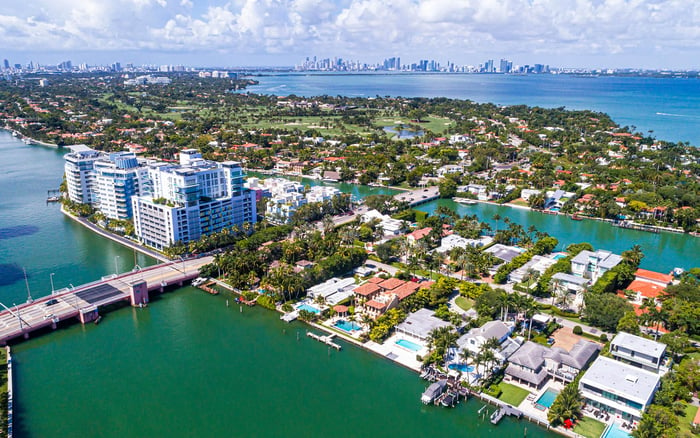
In South of Fifth, buyers often begin with the obvious seductions: water, light, privacy, valet rhythm, marina proximity, and the ability to move from a quiet residential lobby to the beach or dinner within minutes. Yet the most sophisticated condominium purchase is not judged by the terrace alone. It is judged by the quality of the association behind the marble, glass, landscaping, elevators, staffing, security, insurance, and long-range maintenance.
A well-governed building can feel almost invisible. The lobby is calm, staff turnover is controlled, common areas are refreshed before they feel tired, and owners receive clear communication rather than surprises. A poorly governed building may still photograph beautifully, but its weaknesses tend to appear later, through special assessments, deferred repairs, unresolved disputes, or inconsistent service standards.
For buyers comparing South of Fifth opportunities, governance should be treated as a core asset. The same is true across Miami Beach, where waterfront condominium living depends on more than architecture. Established addresses such as Apogee South Beach and Continuum on South Beach remind buyers that the most coveted lifestyle settings are also operational enterprises that require discipline.
The first serious review should be the association’s financial package. Buyers should request current budgets, recent year-end financials, reserve information, assessment history, insurance summaries, board minutes, and any available notices regarding major work. The goal is not simply to find a low monthly fee. In an ultra-prime building, a fee that is too low for the level of service, staffing, insurance, and physical plant may signal underfunding rather than efficiency.
Look for alignment between the building’s lifestyle promise and its operating budget. A full-service tower with expansive amenities, valet, security, pools, elevators, façade systems, mechanical infrastructure, and significant common spaces should have the financial structure to support that experience. If the budget feels thin relative to the building’s complexity, ask why.
The strongest associations generally show a pattern of planning. They anticipate work, communicate early, and fund projects in a way that reduces drama. In a resale purchase, the history matters. Buyers should understand whether assessments were occasional and well explained, or frequent and reactive.
Board minutes can reveal more than a lobby tour. They show what issues recur, how decisions are made, how owners communicate, and whether the building culture is proactive or reactive. A buyer does not need to become a building politician, but should recognize the difference between ordinary condominium administration and chronic dysfunction.
Healthy minutes tend to show orderly discussion, documented decisions, attention to vendor performance, and consistent follow-through. Concerning minutes may show repeated unresolved complaints, abrupt changes in management, owner conflict that dominates meetings, or vague references to major expenses with little explanation.
The question is not whether a building has problems. Every building does. The question is whether the board appears capable of defining issues, retaining the right advisors, funding solutions, and communicating with owners before frustration becomes culture.
In South of Fifth, ownership often includes primary residents, seasonal users, international owners, and investors with different expectations. Strong governance brings those interests into a shared operating standard. Weak governance lets those differences harden into factions.
Ask who manages the building, how long the management relationship has been in place, and how maintenance requests are handled. Ask whether the board communicates through regular notices, owner portals, meetings, or formal updates. The best-run buildings usually have an administrative cadence. Owners know what is happening, when work is expected, why decisions are being made, and how costs are being addressed.
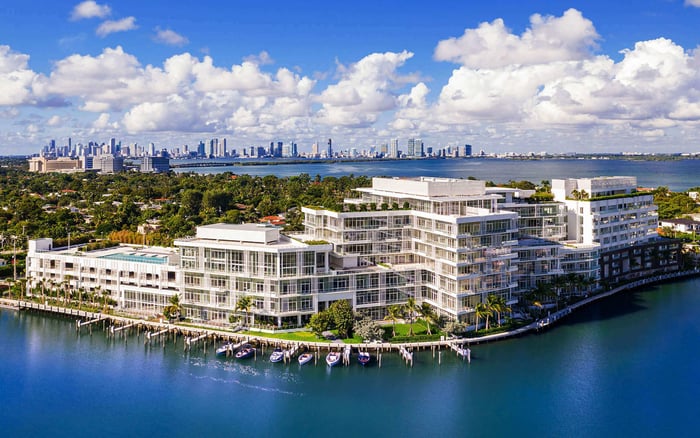
This is especially important in service-forward properties. A buyer considering a hospitality-influenced environment such as The Ritz-Carlton Residences® South Beach should look beyond the name and study the actual governance documents, fee structure, rules, service responsibilities, and association communications. Branding and governance are related, but they are not substitutes.
A condominium building is a living system. Roofs, elevators, pools, chillers, garage elements, windows, life-safety systems, seawall components, common corridors, and amenity spaces all have life cycles. In a coastal environment, capital planning is not an abstract accounting exercise. It is part of preserving value.
Buyers should ask what major projects have been completed, what is currently underway, and what is anticipated. Significant planned work is not automatically negative. In many cases, it is a sign of stewardship. What matters is whether the plan is specific, funded, and professionally managed.
A vague answer should slow the pace of a purchase. A confident answer, supported by documents, can be reassuring even when the project list is substantial. The difference lies in preparation.
Insurance is one of the most important governance subjects in luxury condominiums, yet it is often treated as an afterthought during emotional negotiations. Buyers should review what coverage the association maintains, how deductibles are handled, and whether the building has faced meaningful premium pressure. The details should be discussed with qualified advisors before contract deadlines pass.
Legal posture also matters. Pending disputes, construction claims, owner litigation, vendor conflicts, or unresolved compliance matters do not automatically make a building unbuyable. They do, however, require context. A buyer should understand the nature of any dispute, the potential financial exposure, and whether reserves or insurance may be implicated.
Discretion is essential. The objective is not gossip. It is risk comprehension.
Governance also shapes daily life. Pet policies, rental restrictions, renovation rules, guest access, move-in procedures, contractor hours, valet protocols, amenity reservations, and security expectations can materially affect ownership. In South of Fifth, where buyers may use residences seasonally or host frequently, these details deserve early review.
A building with stricter rules may be ideal for an owner who values privacy and quiet. A more flexible building may suit a buyer who wants occasional leasing optionality or a different rhythm of use. Neither model is inherently superior. The issue is fit.
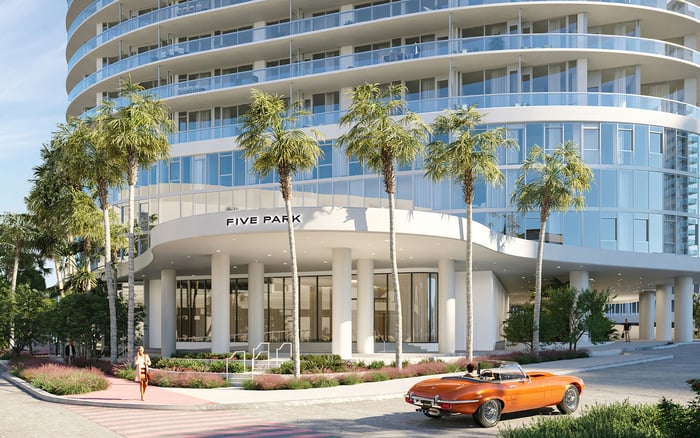
Comparing options across the broader Miami Beach luxury landscape, including Five Park Miami Beach, can help buyers clarify what level of formality, amenity programming, and building structure feels natural. The most expensive mistake is buying into a culture that does not match the owner’s life.
Before waiving contingencies, buyers should build a clean file. Request the condominium documents, current budget, financial statements, reserve information, insurance summary, board minutes, assessment notices, management contacts, house rules, rental policy, litigation disclosures, and any notices related to capital work.
Then move from documents to interpretation. Are fees realistic? Are reserves credible? Is communication clear? Are large projects anticipated? Has the building handled prior work in an orderly way? Do the rules support the intended use? Does management respond promptly and professionally?
The essential principle is simple: governance is not a bureaucratic footnote. It is the operating system behind the lifestyle. In South of Fifth, where location, scarcity, and views attract intense buyer interest, the quieter questions can be the ones that protect long-term ownership.
What is strong condominium governance? It is the combination of capable board leadership, sound finances, professional management, transparent communication, and disciplined maintenance planning.
Should I avoid a building with assessments? Not automatically. A well-explained assessment tied to necessary work may be healthier than years of deferred maintenance.
Which documents should I request first? Start with budgets, financial statements, reserves, minutes, insurance summaries, rules, assessment notices, and any litigation disclosures.
How much weight should I give board minutes? Significant weight. Minutes often reveal whether decisions are organized, repetitive issues are resolved, and communication is clear.
Are low monthly fees always better? No. Fees should be appropriate to the building’s services, staffing, insurance, amenities, and long-term maintenance needs.
How do rental rules affect value? Rental rules can affect flexibility, privacy, financing considerations, and the building’s daily atmosphere, so they should match your ownership plan.
What if the building has pending legal matters? Ask for context, potential exposure, and professional advice. The issue is not simply whether litigation exists, but what it may mean.
Why is insurance review so important? Insurance affects operating costs, deductibles, risk allocation, and future assessments, particularly in coastal condominium ownership.
Can a beautiful building still have weak governance? Yes. Design and location can mask operational weaknesses, which is why document review and management due diligence are essential.
When should governance due diligence begin? Begin before contract deadlines, ideally as soon as a serious unit is identified, so concerns can be evaluated without pressure.
For a discreet conversation and a curated building-by-building shortlist, connect with MILLION.
If branded residences are on your mind — as a home or as an allocation — we would be glad to share what we are seeing, privately.
Begin a quiet conversation