A practical, discreet guide for cash buyers evaluating luxury real estate in South of Fifth, with questions to ask about proof of funds, escrow, title, wiring, entity planning, association approvals, and closing control.
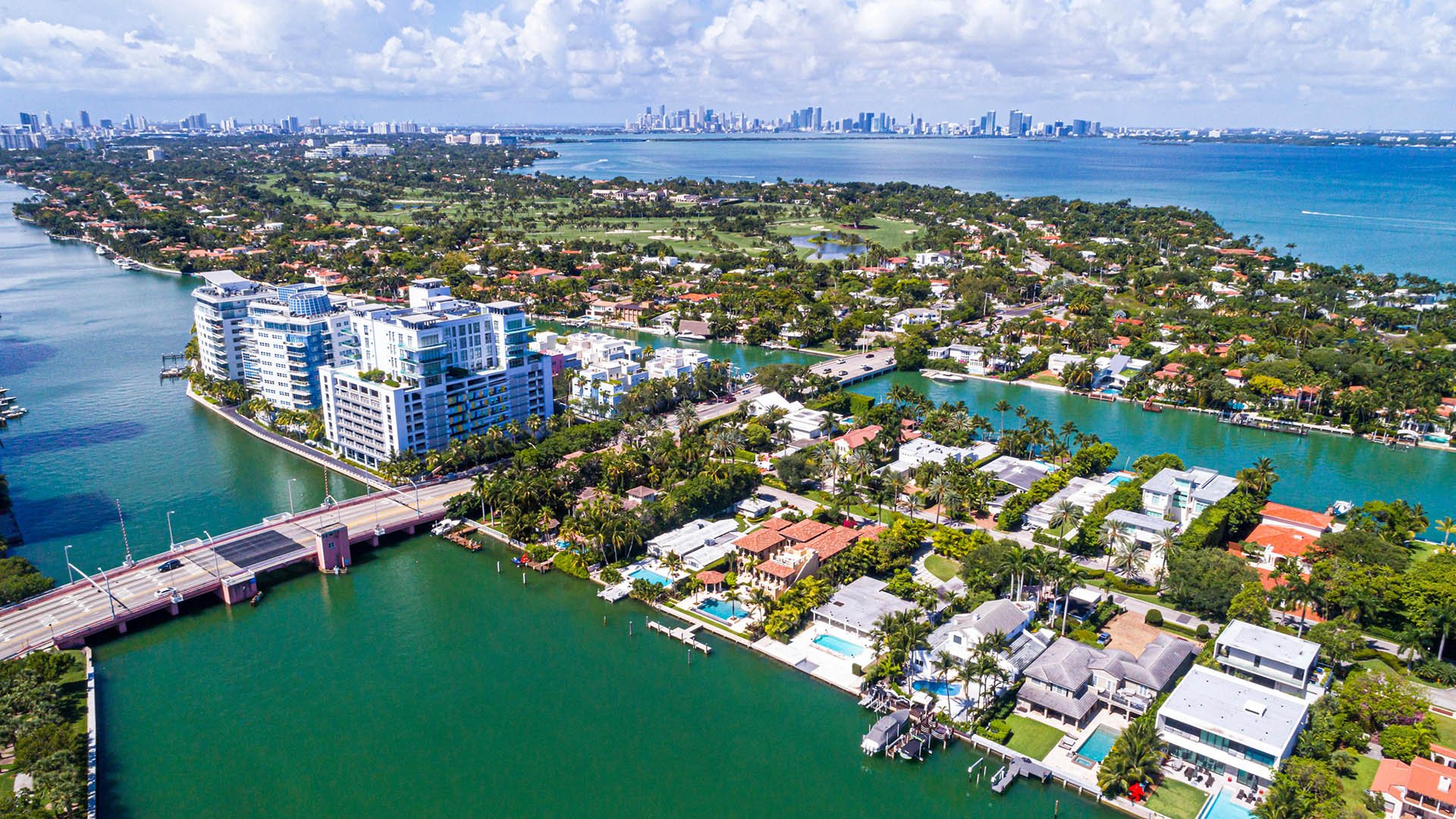
In South of Fifth, a cash purchase is not simply a faster way to buy. It is a statement of readiness, privacy, and control. The neighborhood’s luxury inventory, from established waterfront condominiums to trophy residences near the ocean, attracts buyers who are often capable of moving quickly. Yet speed becomes an advantage only when the logistics are precise.
The most polished cash buyers arrive with a sequence already in place: funds identified, advisors aligned, entity structure decided, escrow procedures understood, and closing responsibilities assigned. Without that preparation, a cash offer can lose its elegance. The seller may see uncertainty where there should be confidence, and the buyer may encounter late friction around title, association approval, insurance, or wire timing.
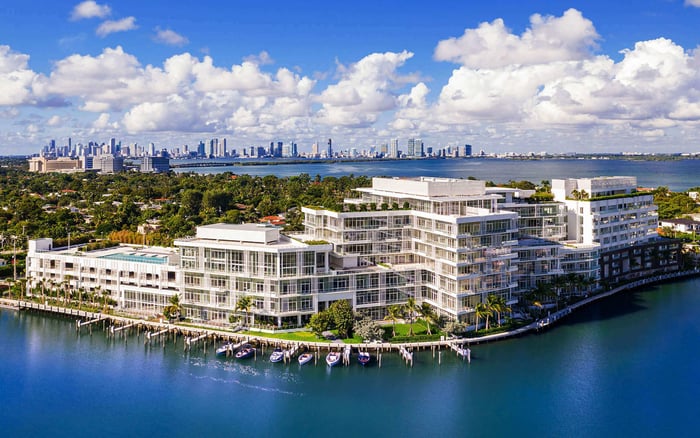
This is especially true in Sofi, where discretion is part of the purchase experience. Whether a buyer is comparing a residence at Continuum on South Beach with another Miami Beach opportunity, or weighing a waterfront lifestyle against a lock-and-leave pied-a-terre, the questions asked before contract can protect both leverage and peace of mind. The cash conversation should begin well before closing day.
A cash buyer should ask what form of proof of funds will be expected, who will review it, and how much detail is appropriate. The objective is to show capability without oversharing. Some sellers want immediate comfort that funds are liquid and accessible. Some buyers prefer a banker letter or advisor confirmation rather than a full account statement. The right format depends on the transaction, the seller’s expectations, and the buyer’s privacy requirements.
Ask whether funds will be held in one account or moved from multiple sources. If assets need to be liquidated, transferred, or converted, the buyer should understand the timing before writing an aggressive closing date. Cash should feel simple to the seller, even when the buyer’s broader financial life is complex.
For an investment buyer, this question is not merely administrative. It affects negotiating posture. A buyer who can demonstrate clean liquidity, while preserving discretion, may be more persuasive than a buyer offering a higher number with unclear timing.
The next question is where the initial deposit will go, when it is due, and what verification steps are required before wiring. In luxury transactions, wire discipline is essential. The buyer should confirm the escrow holder, wiring instructions, callback procedures, and the exact person authorized to confirm receipt. No one should rely on informally forwarded instructions.
Ask whether the contract requires an initial deposit followed by an additional deposit, and whether weekends, holidays, or banking cutoffs could affect delivery. A cash buyer can often move quickly, but that advantage can be diluted by avoidable timing errors. Written confirmation, secure communication, and advisor coordination should be treated as part of the purchase architecture.
In buildings such as Apogee South Beach, where buyers may be seeking a highly curated South Beach address, the financial choreography should match the caliber of the asset. The goal is a closing process that feels calm, not improvised.
Cash removes the lender, but it does not remove the need for disciplined title review. Ask who will examine title, which exceptions require attention, and how quickly any issues must be cleared. The buyer should understand whether the property is being conveyed free of unexpected liens, open permits, unpaid assessments, or other matters that could affect ownership.
For condominium purchases, title review should be paired with document review. Ask about governing documents, house rules, budget considerations, insurance information, pending assessments, and transfer procedures. A cash buyer may not need lender approval, but the building still matters. The purchase is both a private residence and membership in a shared operating environment.
A buyer considering The Ritz-Carlton Residences® South Beach, for example, should approach the review with the same seriousness as the design and amenity evaluation. In ultra-premium property, the unseen documents can be as consequential as the view.
Before a buyer signs, ask whether the residence will be purchased personally, through an entity, in trust, or with another structure recommended by legal and tax advisors. This should not be left to the final days before closing. Ownership structure can affect contract names, required signatures, banking coordination, association applications, estate planning, and future transfer flexibility.
The correct approach is personal to the buyer. Privacy, liability, succession planning, future financing alternatives, and cross-border considerations may all matter. The key is not to select a structure casually. It is to make the decision early enough that the contract, proof of funds, escrow deposit, and closing documents all align.
In South of Fifth transactions, where buyers may be relocating, acquiring a second home, or consolidating a lifestyle base in Miami Beach, entity planning is often part of the larger strategy. Ask the question early, document the answer clearly, and make sure every advisor is working from the same version of the plan.
Cash does not automatically eliminate building approval. Ask what the condominium or association requires, how long review may take, and whether interviews, background materials, references, or application fees are involved. A buyer should also ask whether the building has a right of first refusal process or any formal step that must be completed before closing.
This is where many cash buyers underestimate timing. The absence of a mortgage contingency can shorten one part of the transaction, while association procedures still set the practical pace. A strong contract timeline should reflect those realities.
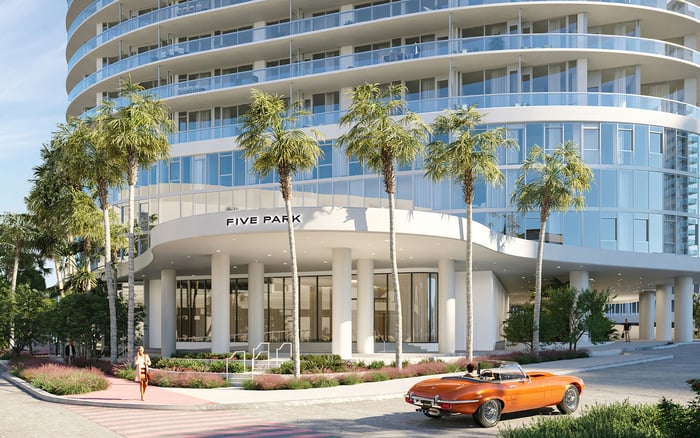
For buyers comparing South of Fifth with nearby luxury offerings such as Five Park Miami Beach, it is useful to evaluate not only architecture and lifestyle, but also the path to possession. A beautiful closing is one where the buyer knows exactly what must happen, in what order, and by whom.
Ask for a complete estimate of closing funds before the final wire is scheduled. The purchase price is only one line item. The buyer may need to account for title-related costs, prorations, association charges, recording items, insurance, legal fees, inspections, and any building-specific transfer expenses. The exact items vary by transaction, so the buyer should ask for a tailored estimate rather than rely on assumptions.
A cash buyer should also ask when the final figure will be available and how much cushion to keep in the funding account. If funds are moving from a private bank, investment account, or international institution, timing should be tested in advance. The closing table is not the place to discover transfer limitations.
The most elegant buyers treat liquidity as choreography. They know which account funds the deposit, which account funds the balance, who authorizes the wire, and how confirmations will be documented.
Privacy and readiness can coexist. Ask who will see financial documents, how sensitive information will be transmitted, and whether redactions are acceptable. Ask whether the buyer’s representatives can centralize communication so that the transaction does not become unnecessarily exposed.
At the same time, discretion should not become opacity. Sellers need confidence. Escrow holders need compliance. Associations need complete applications. The art is to provide what is necessary, in the cleanest possible form, while avoiding unnecessary circulation of personal information.
This balance is particularly important in South of Fifth, where many buyers value anonymity as much as architecture. A serious cash buyer is not loud. A serious cash buyer is prepared.
Is a cash purchase automatically faster in South of Fifth? It can be faster because there is no lender underwriting, but title review, deposits, association approval, and closing coordination still shape timing.
Should I show proof of funds before making an offer? Often, yes. Ask what format is acceptable so you can demonstrate liquidity while protecting privacy.
Can I buy through an LLC or trust? Many buyers explore entity or trust ownership, but the structure should be reviewed with legal and tax advisors before the contract is signed.
Does a cash buyer still need title insurance? A cash buyer should discuss title protection with counsel because lender requirements are separate from ownership risk.
What should I ask before wiring escrow? Confirm the escrow holder, wiring instructions, callback protocol, due date, and written receipt process before any funds move.
Do condo associations still approve cash buyers? They may require applications or other procedures regardless of financing. Ask for the exact process and timing early.
Should I waive inspections when paying cash? Waiving diligence can increase risk. Ask your advisor which inspections or document reviews remain prudent for the property type.
How much extra cash should I keep available for closing? Ask for a tailored closing estimate and keep a cushion for prorations, association items, legal fees, and final adjustments.
Can international funds complicate closing? They can affect timing and documentation. Buyers should test transfer procedures and compliance requirements well before the closing date.
What is the most important cash-buyer question to ask first? Ask whether your funds, advisors, ownership structure, and building timeline are aligned before you make the offer.
To compare the best-fit options with clarity, connect with MILLION.
If branded residences are on your mind — as a home or as an allocation — we would be glad to share what we are seeing, privately.
Begin a quiet conversation