A discreet buyer’s guide to evaluating boat-lift permissions, condition, transferability, insurance, service access, and community rules before purchasing waterfront property in Palm Beach Gardens.
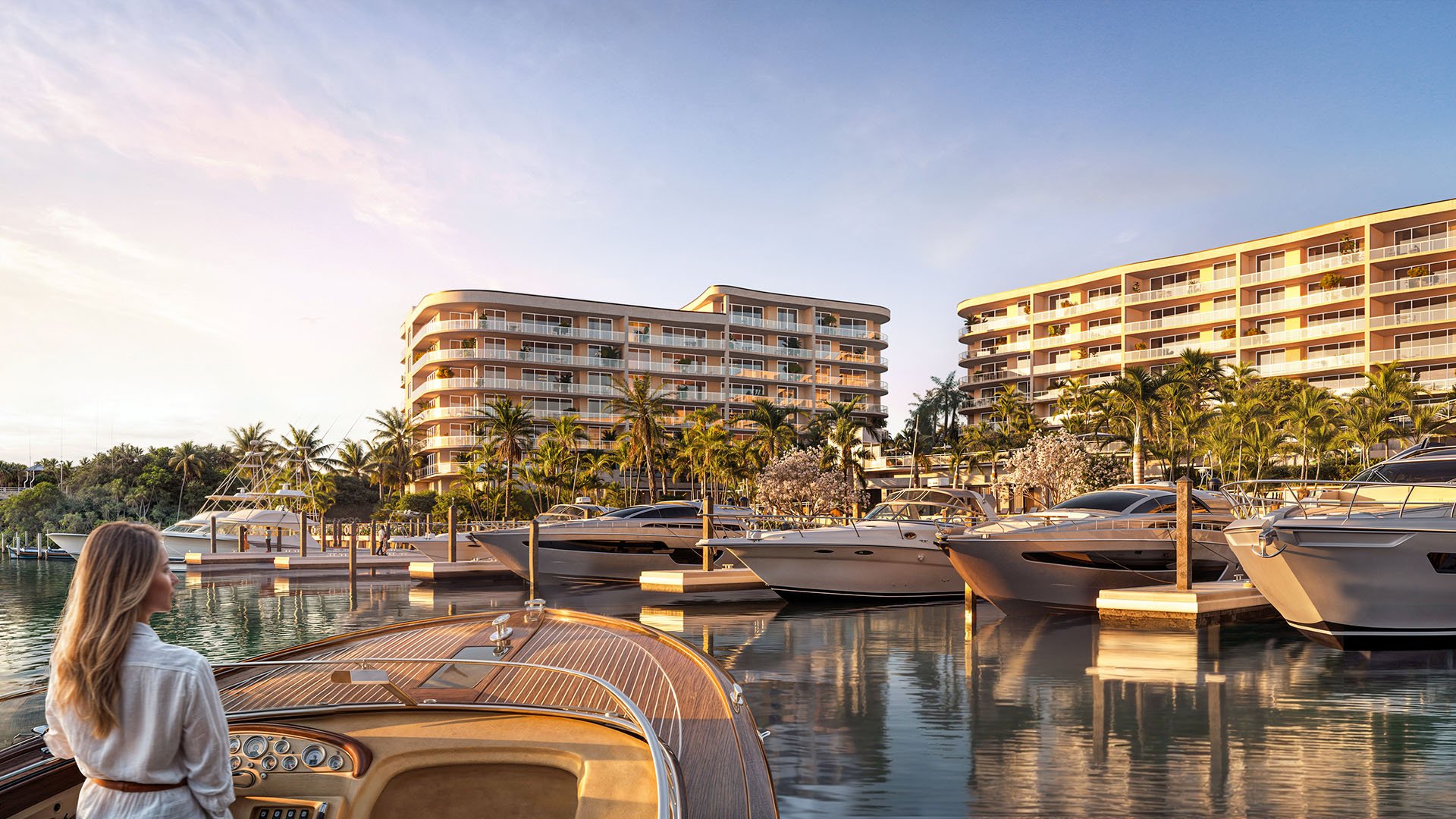
For a Palm Beach Gardens waterfront buyer, the boat lift is not a mere accessory. It is a working piece of private infrastructure, and it can shape daily life as directly as the kitchen, the view, or the primary suite. A well-positioned lift can make a morning run feel effortless. A poorly documented one can turn a glamorous acquisition into a slow negotiation with associations, contractors, insurers, and closing counsel.
The right questions should begin before an offer is written. At the upper end of the market, buyers often focus on frontage, water depth, view corridors, and proximity to open water. Those matters are essential, but the lift deserves the same level of scrutiny. Ask what is permitted, what is grandfathered, what is merely tolerated, and what would require fresh approval if your vessel, usage pattern, or ownership structure changes.
This is especially important for buyers comparing Palm Beach Gardens with broader Palm Beach and South Florida options. A residence such as The Ritz-Carlton Residences® Palm Beach Gardens may attract a very different buyer profile than a non-waterfront pied-à-terre, yet the same principle applies: lifestyle value depends on operational clarity.
Start with ownership. Is the lift part of the deeded property, a limited common element, an assigned right, or a separate license? The answer affects maintenance obligations, approval pathways, and future resale value. If the lift sits behind a single-family home, the control structure may feel intuitive. In a gated community, condominium, yacht club, or marina setting, the hierarchy can be more layered.
Ask whether the association, architectural review committee, marina operator, or another governing body has authority over lift placement, appearance, capacity, repairs, or replacement. A seller may describe a lift as “private,” but privacy in use is not the same as freedom to modify. The most sophisticated buyers ask for the governing documents, any dock or slip agreements, maintenance history, and written confirmation of what may transfer at closing.
This is the moment to separate real property from convenience. A boat slip may be indispensable to the lifestyle, but the legal rights behind it can vary dramatically. If your ownership objective includes a specific vessel, tender, jet boat, or seasonal charter pattern, the rule set matters as much as the dock photograph.
Boat-lift diligence should be vessel-specific. Ask what length, beam, weight, hull type, and height the lift can support, then confirm whether those figures are based on documentation, installation records, service tags, or a seller’s memory. For luxury buyers, the mismatch is often subtle: the boat may technically fit, but access, clearance, turning radius, tides, or neighboring structures may make use less graceful than expected.
You should also ask whether canopies, guideposts, pilings, electrical connections, and related dock equipment comply with community standards. A lift that appears elegant in a listing photo may still require upgrades, especially if a buyer intends to keep a heavier, wider, or newer vessel.
Buyers touring waterfront homes after seeing urban or coastal condominiums such as Alba West Palm Beach or Forté on Flagler West Palm Beach should recalibrate their diligence. In a vertical residence, the building manages much of the infrastructure. In a private waterfront purchase, the edge condition becomes part of your operating responsibility.
The most revealing questions are often about repairs. Who may service the lift? Are contractors required to be approved by an association or marina manager? Are there restrictions on work hours, equipment staging, electrical shutoffs, barge access, or noise? If pilings must be repaired or replaced, does that trigger a new approval process?
A luxury property may present beautifully while the marine infrastructure is approaching its next maintenance cycle. Ask for invoices, inspection notes, warranty information, electrical records, and any correspondence about prior repairs. If the lift has been idle, lightly used, or operated only seasonally, request a professional assessment before contingencies expire.
Insurance belongs in the same conversation. Ask whether the lift is covered under the homeowner policy, a separate marine policy, an association policy, or not at all. Clarify wind, storm, electrical, mechanical, and liability coverage. A polished dock can still represent meaningful exposure when guests, crew, service providers, or neighboring vessels are involved.
In a premium waterfront transaction, the lift can influence value, but only if the rights travel cleanly with the property. Ask whether any application, transfer fee, board approval, background review, or updated agreement is required. If the lift is tied to a dock assignment or community privilege, confirm whether a new owner receives the same rights or must reapply.
This is where a buyer’s team should move slowly. The purchase contract should identify what is included, what is excluded, and what documents must be delivered. If the seller owns removable equipment, controls a lift remote, or has a separate arrangement for a slip, the agreement should remove ambiguity.
For buyers comparing Palm Beach Gardens with other boating corridors, the same discipline applies from Fort Lauderdale to Pompano Beach. A buyer drawn to Riva Residenze Fort Lauderdale and The Ritz-Carlton Residences® Pompano Beach may be evaluating different settings, but the central question remains: what lifestyle is actually secured by the ownership documents?
A marine inspection should be more than a glance at the lift from the seawall. Ask for operational testing and visual review of cables, motors, bunks, fasteners, pilings, controls, electrical components, and surrounding dock structure. Confirm whether the inspection includes the seawall or only the lift. These are separate assets, but they affect one another.
Ask the inspector to describe not just current condition, but expected next steps. Is routine service enough? Is a capacity upgrade realistic? Would replacement require the same footprint, a smaller profile, or a new review? Can the lift accommodate the buyer’s intended boat today, not merely in theory?
The best waterfront purchases feel calm because the diligence was exacting. By the time a buyer reaches closing, the lift should no longer be a charming feature. It should be a documented asset with known permissions, known limitations, and a clear ownership path.
Should I ask about boat-lift rules before making an offer? Yes. The answers may affect price, contingencies, insurance, and whether the property truly fits your boating lifestyle.
Is a boat lift always included with a waterfront home purchase? Not necessarily. Ask whether it is deeded, assigned, licensed, separately owned, or subject to association approval.
What documents should I request for a boat lift? Request governing documents, dock or slip agreements, permits if available, service records, warranties, and repair correspondence.
Can I replace a lift with a larger one after closing? Possibly, but never assume. Ask what approvals are required and whether size, appearance, capacity, or location is restricted.
Should the lift be inspected separately from the home? Yes. A marine-focused review can evaluate equipment, electrical components, pilings, and practical usability.
How do I know if my boat will fit? Compare the vessel’s length, beam, weight, hull form, and clearance needs with documented lift capacity and site conditions.
Do HOA rules matter if the lift is behind my home? They can. Community rules may still regulate dock appearance, contractor access, repairs, hours, and replacement standards.
Can boat-lift rights affect resale value? Yes. Clear, transferable, well-documented lift rights can strengthen buyer confidence in a waterfront transaction.
Should insurance be reviewed before closing? Yes. Confirm what is covered, what is excluded, and whether separate marine or liability coverage is advisable.
What is the most important question to ask? Ask whether the lift, as currently used and documented, legally supports the boating lifestyle you intend to live.
For a tailored shortlist and next-step guidance, connect with MILLION.
If branded residences are on your mind — as a home or as an allocation — we would be glad to share what we are seeing, privately.
Begin a quiet conversation