A discreet buyer’s guide to The Surf Club Four Seasons Surfside, focused on branded-residence operations, seasonal property care, association review and ownership protocols before closing.
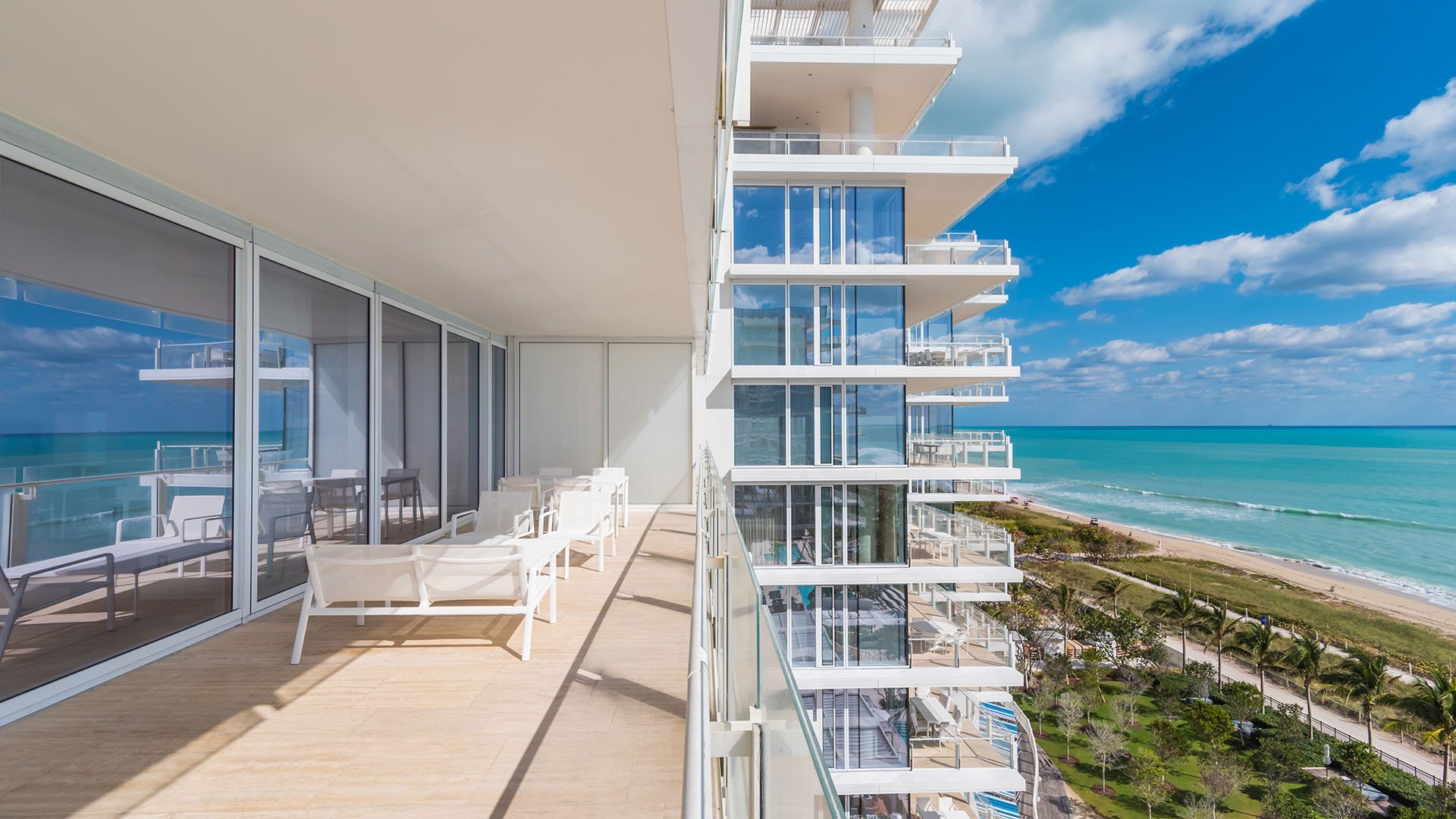
At The Surf Club Four Seasons Surfside, closing is not simply a decision to own a private condominium on the sand. It is a decision to enter a hotel-integrated, association-governed, service-led residential environment where private ownership, Four Seasons hospitality, shared amenities and preserved historic spaces function as one carefully managed campus.
That distinction matters for seasonal owners. A buyer who may use the residence for winter months, holidays or periodic South Florida stays needs to understand not only the view, floor plan and interior finish package, but also the operating culture behind the address. The Surf Club Four Seasons Surfside draws its identity from the original Surf Club, a historic private beach club that opened in the 1930s. The modern property blends preserved club structures with new residential and hotel components, creating a hybrid model materially different from a conventional standalone condominium.
For comparison within Surfside’s rarefied coastal market, properties such as Arte Surfside and Fendi Château Residences Surfside also speak to buyers seeking privacy, architecture and beach proximity. The Surf Club, however, adds the additional dimension of a deeply branded hospitality setting, which should be examined with the same care as the residence itself.
Branded Residences can offer a highly polished ownership experience: arrival, recognition, service rhythm, maintenance coordination and amenities that feel closer to a private resort than a traditional condominium lobby. At The Surf Club Four Seasons Surfside, the Four Seasons service environment is central to the day-to-day experience and to the long-term value proposition.
Before closing, seasonal buyers should study how the private residential areas relate to hotel spaces, shared amenities, engineering, security, maintenance and preserved historic rooms. The property includes distinct residential entrances and lobbies, yet it still operates within a broader resort-style campus. That is part of its appeal, but it also means ownership costs and procedures may reflect a more complex operating structure.
A buyer should review association budgets, reserves, insurance obligations, service charges and any brand-related costs before becoming emotionally attached to a closing date. The right question is not simply, “What is the monthly amount?” It is, “What does this amount support, how may it change, and what level of service does it preserve?”
Oceanfront property in Surfside is visually effortless and physically demanding. At The Surf Club, the residential towers are defined by expansive glass, terraces and ocean-oriented design. The same qualities that frame the Atlantic also require discipline around salt air, humidity, glazing, exterior furnishings and storm readiness.
Seasonal owners should establish a written property-care plan before leaving the residence for extended periods. Climate control should be set for interior preservation, not merely comfort. Terrace furniture should be secured or stored when appropriate. Interior finishes should be protected from humidity and sun exposure. Emergency access should be clear, documented and coordinated with the building’s procedures.
This is particularly important for a second-home owner who may be in New York, London, São Paulo or elsewhere during hurricane season. A residence that looks effortless on arrival usually reflects unseen preparation during absence. Terrace inspections, interior checks and storm protocols are not afterthoughts; they are part of responsible luxury ownership.
The Surf Club’s preserved historic component is not decorative background. It is part of the property’s identity, atmosphere and distinction. The original private beach club legacy gives the campus a sense of continuity that many new projects work hard to approximate but cannot easily recreate.
For buyers, that heritage should be both appreciated and evaluated. Historic preservation can influence future maintenance, restoration and capital-improvement planning. It may also affect how certain spaces are protected, improved and programmed over time. Seasonal owners should ask how historic areas are budgeted for, how capital planning is communicated and how shared responsibilities are allocated within the broader association structure.
In a corridor where design-forward properties such as Eighty Seven Park Surfside emphasize architecture and landscape, The Surf Club’s distinction lies in a layered combination: old club, new residences, hotel hospitality and oceanfront setting. That layering is precisely why the due diligence should be equally layered.
Seasonal ownership often involves family visits, occasional guests, domestic staff, corporate use or questions about permitted rental activity. At a luxury branded-residence property, these topics should be clarified before closing, not improvised later.
Buyers should review rules around guest registration, access credentials, valet and arrival procedures, service personnel, unaccompanied guests, family usage, rental limitations and any corporate-entity ownership protocols. The issue is not only whether something is allowed. It is how it must be handled within a service environment designed to protect privacy, security and consistency.
This is where The Surf Club differs from a looser coastal condominium model. The experience depends on controlled access, polished service and clear boundaries between residential privacy and hotel activity. A buyer who expects frequent guest turnover or flexible use should confirm that the property’s rules align with that expectation.
For a seasonal buyer, the most valuable closing preparation is often practical rather than dramatic. Confirm who will hold keys or access rights. Confirm who may authorize emergency entry. Confirm how engineering requests are submitted. Confirm procedures for deliveries, housekeeping, vendor access, car storage, mail, packages and hurricane preparation.
Buyers should also review insurance responsibilities carefully. In a coastal, service-rich, association-governed property, insurance is not a single line item to skim. It sits beside reserves, shared maintenance obligations and the broader cost of operating a highly serviced environment.
It is also wise to compare the ownership feel with other branded or hospitality-adjacent residences in South Florida. Four Seasons Hotel & Private Residences Fort Lauderdale offers another example of hotel-integrated living, though each property has its own governance, service structure and coastal context. The point is not to generalize across brands, but to understand the specific operating contract behind the lifestyle.
The ideal buyer for The Surf Club Four Seasons Surfside values discretion, service and heritage as much as square footage. This is a residence for someone who appreciates a private arrival, a staffed environment and the ability to return season after season to a home that feels managed, protected and socially refined.
It is less suited to buyers who want a casual, self-directed condominium with minimal rules and minimal shared services. The same systems that create polish also create obligations. Association governance, brand standards, guest protocols and shared operating costs are not incidental. They are part of the property’s architecture of ownership.
For the right buyer, that framework is the point. It turns a residence into a repeatable seasonal ritual: arrive, settle in, use the beach, entertain selectively, leave with confidence and return to a home that has been watched over in the interim.
Is The Surf Club Four Seasons Surfside a conventional condominium? No. It is a branded, hotel-integrated residential property with private residences, Four Seasons hospitality, shared amenities and association governance.
Why does the hotel component matter to a seasonal owner? It can shape service levels, access procedures, shared operations and ownership costs, so it should be reviewed before closing.
Should buyers review association documents before closing? Yes. Budgets, reserves, insurance obligations, service charges and brand-related costs are central to understanding the total ownership picture.
Does the oceanfront setting require special maintenance? Yes. Salt air, humidity, expansive glass, terraces and hurricane-season preparation all require a thoughtful property-care plan.
What should be done before leaving the residence for months? Owners should plan for climate control, inspections, storm readiness, terrace furniture, interior finishes and emergency access.
Can guests use the residence when the owner is away? Buyers should clarify guest-use, access and registration policies before closing because rules may be specific in a branded setting.
Is rental flexibility guaranteed? No. Rental, corporate-use and guest-use policies should be confirmed in the governing documents and related property rules.
Does the historic Surf Club component affect ownership? It may influence maintenance, restoration and capital-improvement planning, so buyers should understand how those responsibilities are handled.
Who is the best fit for this property? A buyer seeking Surfside privacy, service, heritage and a managed seasonal lifestyle is likely the strongest fit.
What is the most important pre-closing mindset? Treat the purchase as an operational decision as well as a real-estate decision, with service, governance and long-absence care reviewed in detail.
When you're ready to tour or underwrite the options, connect with MILLION.
If branded residences are on your mind — as a home or as an allocation — we would be glad to share what we are seeing, privately.
Begin a quiet conversation