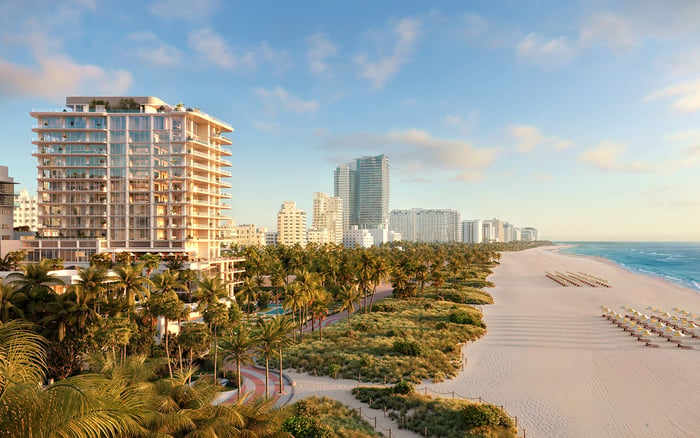
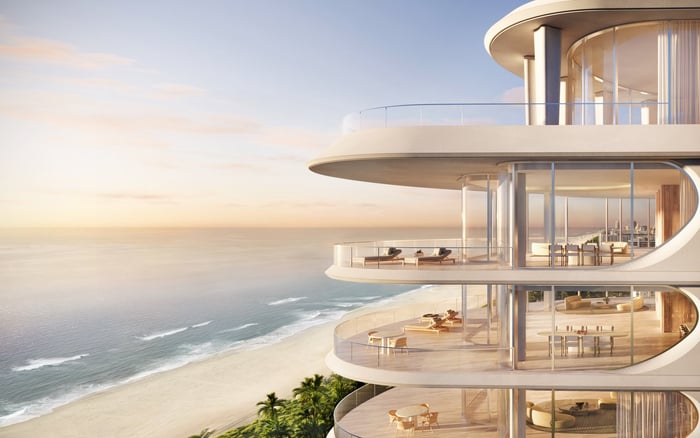
In South Florida’s most design-forward towers, the distance between “rendering” and “residence” is managed through process. This MILLION Luxury guide explains how to tour safely, document progress, and protect your finish expectations from rough-in through punch.
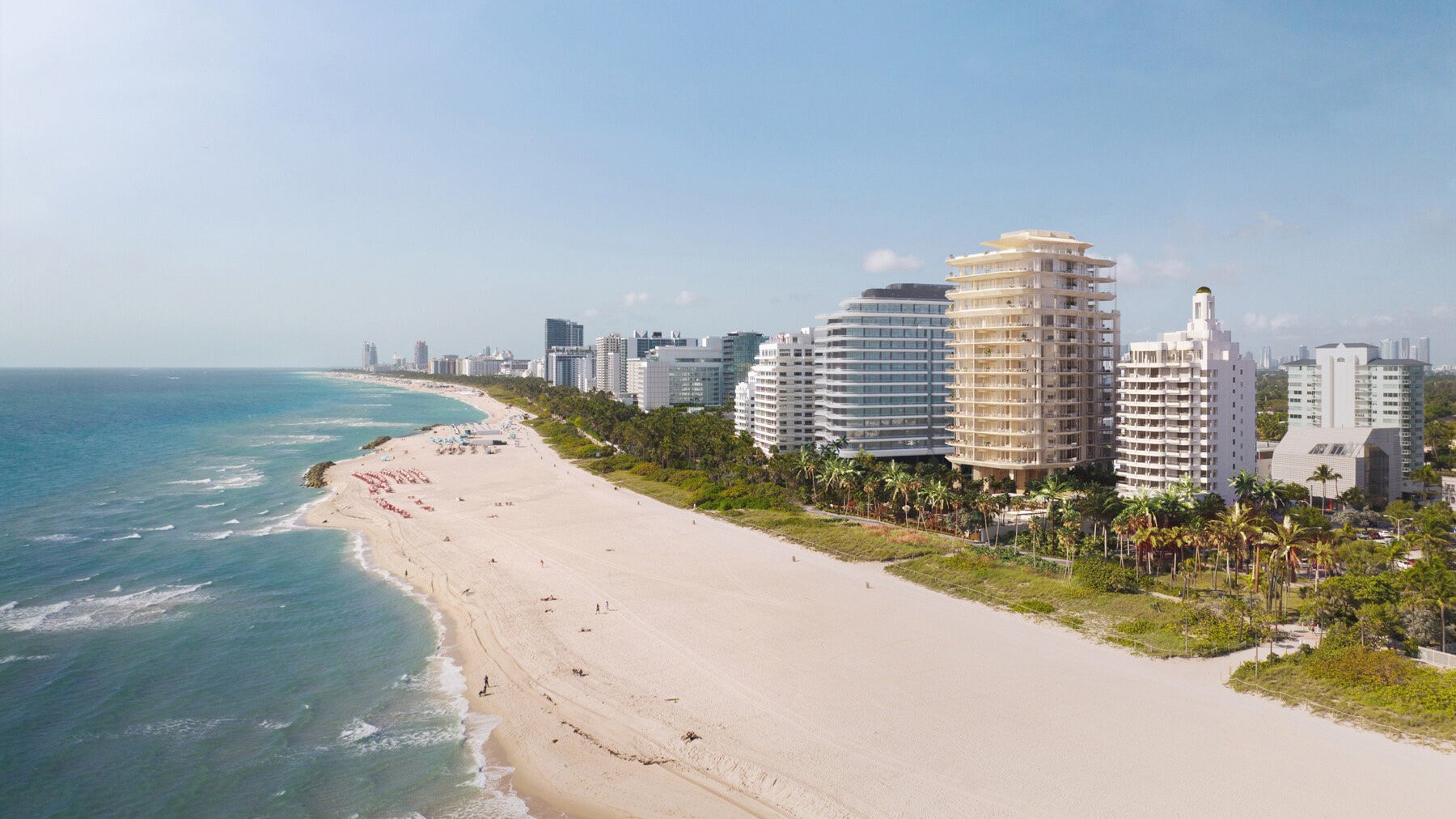
In South Florida, pre-construction decisions are often made in the language of architecture: view corridors, ceiling heights, glazing proportions, and the quiet precision of a kitchen that reads effortless only because it was obsessively coordinated. In that context, the buyer’s primary risk is rarely taste. It is execution.
A disciplined tour strategy turns the in-between months, when the building is still raw, into a period of leverage. The point is not to supervise the site. It is to confirm that the work aligns with what was promised, surface misalignments while walls are open, and maintain a clean record of conditions and conversations.
That discipline is valuable in any market, but it becomes essential in Miami Beach, where ocean exposure makes the building envelope and mechanical performance feel personal. In ultra-luxury condos, small failures in alignment, drainage, ventilation, or sealant detailing can erode the experience that justified the premium.
A hard hat tour is a guided walkthrough of an active construction site. It typically requires personal protective equipment (PPE), including a hard hat, and strict adherence to site rules. Unfinished structures can include uneven surfaces, open shafts, exposed utilities, and other hazards, so builders commonly restrict access, require scheduling, and insist on escorts.
For buyers, controlled access is not an inconvenience. It is a prompt to treat the tour like a high-value meeting. Arrive prepared, ask fewer and better questions, and capture observations in a format you can reference later.
Two practical expectations help set the tone:
Luxury buyers are globally mobile, and developers increasingly use virtual tours to show under-construction units remotely via live video or recorded walkthroughs. Done well, this reduces travel friction while keeping you connected to real progress.
Use a virtual tour to confirm macro alignment: the unit’s footprint, the placement of openings, the feel of the view plane, and the visible progress of rough-ins. It is less reliable for subtle finish quality and functional defects, which is why a formal deficiency process near completion remains critical.
If you are buying pre-construction, treat virtual tours as part of a larger rhythm: virtual for frequent check-ins, in-person for milestone moments when decisions and corrections are still realistic.
Condo construction typically moves through recognizable phases: planning and approvals, sitework and foundation, structure, interiors and MEP (mechanical, electrical, plumbing), finishing, then turnover. Knowing the current phase matters because it determines what can actually be verified, and what should be reserved for later.
At this stage, your most valuable measurement is coherence. Does the layout match the plan you signed? Do window openings and terrace thresholds appear consistent with what you expected? Prioritize geometry, circulation, and proportions. Avoid getting pulled into cosmetic reactions, because finishes are not yet the story.
This is where the home’s quiet intelligence is installed. Track rough-in placements against your plans and schedules: where vents land, where plumbing stacks run, and where electrical pathways appear to be headed.
MEP problems are among commonly cited condo issues. In South Florida, comfort imbalance and ventilation performance are not minor defects. If routing looks improvisational, cramped, or inconsistent, note it and ask how it will be finalized. Early clarity is easier than late correction.
Water intrusion is widely recognized as one of the most common and expensive condo building problems, often tied to envelope details such as windows, flashing, and sealants. Oceanfront living is unforgiving on this front.
You may not be able to evaluate final sealant work during a hard hat tour, but you can watch for patterns: consistent installation, clean transitions, and an absence of patchwork. If an area reads like it will require extra attention at turnover, document it and flag it for follow-up.
When surfaces go in, the conversation becomes about tolerances: alignment, uniformity, and the difference between design intent and installed reality. This is also when punch-list discipline matters most.
In Miami Beach, buyers often compare multiple lifestyle propositions before choosing a building. When you tour finished amenity spaces or near-finish residences in projects like Setai Residences Miami Beach, the goal is not spectacle. It is to confirm restrained performance: quiet corridors, clean detailing, and thoughtful transitions from public to private.
The most practical way to monitor progress is to compare what you see to what is promised in your purchase agreement, plans, and schedules. This is not adversarial. It is the only objective reference when memories and informal conversations start to diverge.
Bring, in digital or printed form:
When something differs, resist debating it on-site. Record the observation, then request confirmation in writing afterward. Luxury projects move quickly, and clarity beats volume.
A structured question list is a quiet advantage because it standardizes what you track from one visit to the next. The best questions are not accusatory. They are operational and specific.
Rotate through themes like these:
Projects with a strong service culture often reveal that discipline in communication. When evaluating branded residential experiences such as The Ritz-Carlton Residences® Miami Beach, buyers frequently value the cadence of updates and the clarity of process as much as the aesthetic of the lobby.
If you do nothing else, photograph systematically. Repeatable angles, timestamps, and clear labels create a record that helps you track changes over time and can support coordination if questions arise.
A simple method that scales:
For buyers who want additional certainty, some teams use 3D laser scanning and point-cloud capture to document as-built conditions and compare them to design models or prior scans. You may not commission this personally, but knowing it exists helps you ask sharper questions about how progress is being verified.
Likewise, construction management software and mobile field apps commonly track schedules, tasks, photos, and issues. Even when you are not given direct access, requesting a structured summary of open items and closed items encourages transparency and keeps everyone aligned.
Near completion, narrow your focus. A condo walkthrough and inspection mindset prioritizes elements that are costly to fix later: plumbing performance, electrical consistency, HVAC function, and envelope-related risks.
Punch lists are the formal mechanism for documenting incomplete or defective items and requiring builder follow-up before, or shortly after, closing or occupancy. Treat the punch list like a professional document:
If you are evaluating oceanfront buildings such as 57 Ocean Miami Beach, your punch-list rigor should be especially attentive to anything that interfaces with the exterior: window operation, balcony thresholds, and any signs that water-management details are being treated casually.
Florida condo buyers have statutory implied warranty protections for condominium units and certain improvements under state law. These protections are not a substitute for monitoring, but they do set a baseline that shapes how issues are addressed.
In practice, organization wins. Keep your documents, log your communications, and do not let “we will handle it” replace a written plan.
Also plan financially and operationally for the realities of turnover. Even sophisticated buyers can be surprised by the number of small decisions that cluster around completion: vendor access, furniture lead times, and scheduling the walkthrough for a moment when the unit is clean enough to judge. New-construction living is at its best when the last mile is handled with the same discretion as the purchase.
Not every buyer wants to be on-site, and in ultra-luxury that can be a rational choice. The goal is not maximum oversight. It is calibrated oversight.
Some buyers prefer a light-touch approach built on curated updates and a strong final walkthrough. Others want milestone tours at framing, MEP rough-in, and near completion. Either path can work if you keep the same core disciplines: compare to the contract, document consistently, and insist on a formal punch process.
This is also where brand and operator identity can influence confidence. In residential clubs and hospitality-adjacent buildings such as Casa Cipriani Miami Beach or design-centric addresses like Faena House Miami Beach, buyers often expect the construction and closeout experience to mirror the promise of the lifestyle. The smartest approach is to validate that expectation through process, not assumptions.
What should I wear and bring to a hard hat tour? Expect required PPE such as a hard hat and follow the site’s safety rules. Bring your unit plans, finish schedule, and a phone or camera so you can document consistently.
Are virtual tours enough if I cannot travel? Virtual tours are useful for confirming layout, views, and visible progress. Still plan for a formal walkthrough and punch-list process near completion, when cosmetic and functional issues are easier to assess.
What is the single most important thing to compare during a tour? Compare what you see to your purchase agreement, plans, and schedules. That alignment is the clearest way to spot discrepancies early.
Why is the building envelope such a focus in Miami Beach? Water intrusion is a common and expensive condo issue, often linked to windows and sealant details. Ocean exposure makes careful envelope execution especially important.
For private guidance on evaluating pre-construction and new-construction opportunities in Miami Beach, speak with MILLION Luxury.
If branded residences are on your mind — as a home or as an allocation — we would be glad to share what we are seeing, privately.
Begin a quiet conversation