Florida’s dominance in nine-figure home sales is reshaping expectations for presentation, privacy, and service. Here is how South Florida’s ultra-luxury market is being won, from staging strategy to smart-home integration and branded living.
The most expensive U.S. home sales in 2025 sent an unambiguous message to the luxury sector: the top of the market is being tested publicly, and often. National reporting noted that every one of the 10 most expensive U.S. home sales of 2025 traded at $100 million or more, with the priciest disclosed sale a $133 million compound in Naples. Florida and California captured the majority of those top trades, and additional coverage indicated Florida represented more than half of the 15 priciest U.S. sales as of mid-2025.
For South Florida, this is not just bragging rights. It compresses the gap between local expectations and global expectations. Buyers arriving from California, the Northeast, and abroad are already fluent in nine-figure narratives, and they bring that baseline into every showing. It also raises the minimum viable standard for both listings and acquisitions. At this level, value is not explained solely by square footage, materials, or a waterfront address. It is communicated through readiness, discretion, and a lifestyle that feels deliberately edited.
That shift is why a conversation that once sounded like marketing now reads like strategy. Staging, styling, and technology are increasingly treated as part of the asset’s positioning, not optional accessories.
The National Association of Realtors has found that a large majority of buyers’ agents say staging makes it easier for buyers to visualize a property as a future home. In ultra-luxury, that effect is practical as much as emotional. Visualization reduces uncertainty by clarifying scale, circulation, and how a residence supports real life: how guests move, where privacy begins, and whether entertaining feels effortless.
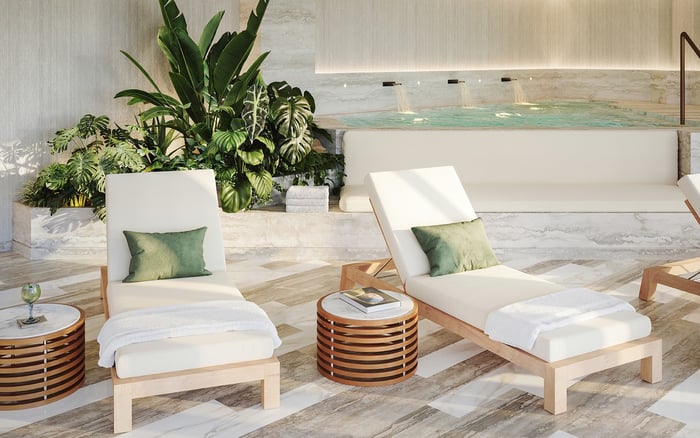
Luxury-oriented industry guidance continues to emphasize personal styling and property staging because it helps a home stand out beyond the feature sheet. Staging does not add a view or change a floor plan, but it can reveal what buyers are already paying for: calm proportions, disciplined storage, a confident arrival sequence, and the ease of living without friction.
Market-wide staging data reported by the Real Estate Staging Association has been notable, including very high average ROI figures and faster average days on market for staged homes. Those averages do not map perfectly to ultra-luxury budgets, privacy needs, or timelines, but the principle holds. When the buyer pool is small and exacting, presentation is one of the few controllable levers a seller can pull.
For buyers, a well-staged environment can also operate as a due-diligence shortcut. A home that shows as intentionally curated often suggests the seller has been similarly intentional about maintenance, management, and the invisible systems behind the walls.
For years, the dominant look in high-end coastal staging was edited neutrality: bright whites, cool grays, and a studied absence of personality. Directional 2026 staging commentary suggests that aesthetic is loosening. The market is moving away from stark minimalism and toward layered, collected interiors that feel lived-in yet curated, with warmer, character-rich color choices that create depth.
In South Florida, the evolution is especially relevant because the light can flatten rooms. A purely white interior may read expansive at noon and clinical by late afternoon. Layered textures, warmer neutrals, and an “acquired over time” sensibility keep spaces dimensional without tipping into visual noise.
The standard, however, remains restraint with intent. Ultra-luxury buyers rarely want to inherit someone else’s taste. They do want to inherit someone else’s clarity. The goal is to stage as if the next owner’s art could arrive tomorrow, and the home would already know how to hold it.
Practical moves that tend to translate across price points include:
This is where discreet luxury separates itself. The best homes do not announce themselves. They reveal themselves, room by room, with confidence.
If design is the visible story, technology and service are the invisible one. Luxury-tech coverage has highlighted growing demand for integrated smart-home systems, particularly in security, lighting, and automation. In South Florida, that demand aligns with lock-and-leave ownership. Buyers want to step away for weeks and return to a residence that feels exactly as they left it.
This is one reason branded residences and service-driven living have become such a meaningful part of Miami’s ultra-luxury value proposition, as MILLION Luxury has reported. The premium is not only for a name. It is for operational certainty: staffed arrivals, managed deliveries, privacy protocols, and a building culture that matches global expectations.
In Miami Beach, the buyer weighing a condominium against a single-family home often decides based on management appetite as much as lifestyle. A well-run building can feel like a private club with guardrails: predictable operations, discreet security, and an experience designed to remove small burdens.
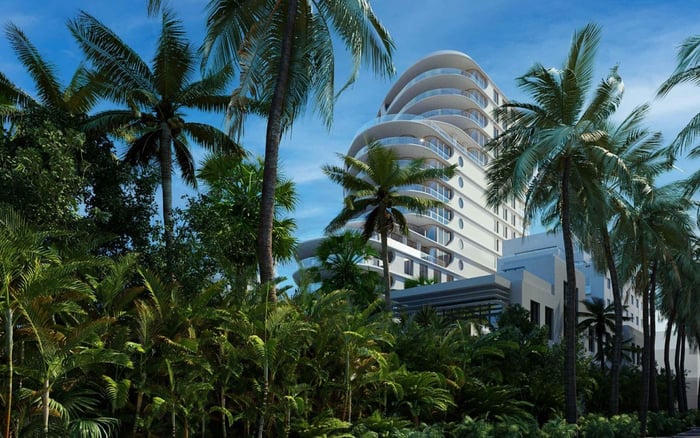
Consider how different flavors of Miami Beach express that promise. A new tower such as Five Park Miami Beach can represent a contemporary, amenity-forward concept of convenience, while Setai Residences Miami Beach speaks to a service culture many globally mobile owners already understand.
South Florida is not one market. It is an ecosystem of micro-markets that attract different versions of the same buyer.
Brickell remains a signal of proximity and pace. The best-performing listings tend to answer a sophisticated question: can this home function as both a sanctuary and a command center? The checklist often blends wellness, privacy, and technology with frictionless access to business, dining, and the airport. That duality is why Brickell continues to draw global attention. It compresses lifestyle into a vertical footprint and rewards homes that feel operationally precise.
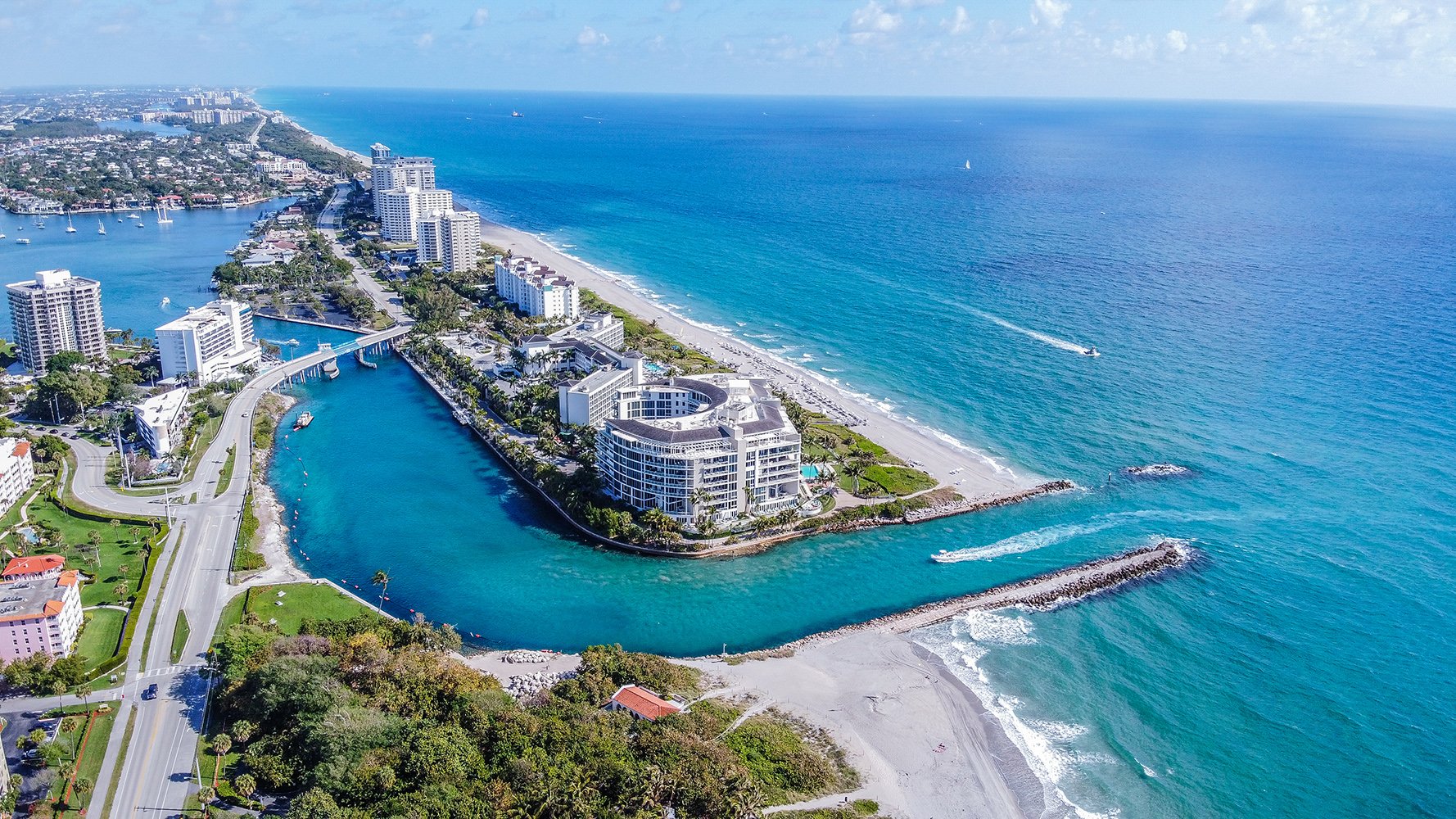
Miami Beach is about horizon and ritual. Morning walks, ocean air, and the social capital of an address still matter, but so does building performance. The ultra-luxury buyer looks for a place that can feel effortless even at peak season, when logistics get loud. A residential offering like The Ritz-Carlton Residences® Miami Beach illustrates the appeal: service and consistency as core parts of the ownership experience.
Naples, by contrast, is often framed as discreet scale and legacy comfort. With the most expensive disclosed U.S. home sale of 2025 reported there, Naples underscores that Florida’s highest tiers extend beyond the Miami conversation. For certain buyers, it represents a different kind of luxury: more compound-like privacy and an established cadence.
Across all three, the psychology converges. The buyer is purchasing confidence: in the asset, in the environment, and in their ability to use it immediately.
In today’s ultra-luxury climate, “turnkey” is not a slogan. It is a pricing lever. A buyer accustomed to global options, from Florida to California to destinations like Monaco that are widely cited among top markets for ultra-wealthy property buyers, will benchmark South Florida against the best-run, best-presented residences anywhere.
That is where oceanfront condominium product can be particularly persuasive, when it is staged and operated to the standard the buyer expects. A boutique oceanfront building such as 57 Ocean Miami Beach naturally aligns with the quiet-luxury mood: fewer residences, more privacy, and an experience that can feel closer to a private home.
For sellers, the takeaway is straightforward. When there are alternatives, buyers become unforgiving about details. The listing must read as complete, from the first photograph to the last showing, with nothing that creates doubt.
For sellers, the most effective approach tends to be staged in phases:
Pre-market clarity: define the buyer you are targeting, then style to that lifestyle. Staging should support architecture and view corridors first.
Quality control: address the small frictions that erode trust, such as inconsistent lighting temperatures, worn hardware, or smart-home systems that feel improvised.
Narrative alignment: if the home is meant to be a refuge, it should show as quiet and calm; if it is meant to entertain, it should show as capable and inviting.
For buyers, the parallel discipline is to separate design taste from design intelligence. A home may not be styled the way you would live, but you can still evaluate whether it is proportioned well, lit correctly, and operationally mature. Ask how systems are integrated, how privacy is handled, and what the ownership experience looks like between seasons.
In a year when nine-figure sales repeatedly make national news, the winners will be the listings, and the buyers, who treat presentation and operations as part of the real estate itself.
Is staging worth it for ultra-luxury homes? Often, yes. Even when budgets are larger and timelines differ, staging helps buyers visualize scale and lifestyle, which can reduce uncertainty and improve momentum.
What does “quiet luxury” mean in South Florida interiors right now? It typically means layered materials, warmer tones, and a curated feeling that still leaves room for a buyer’s art and personal collection.
Do smart-home upgrades matter more than finishes? They are different. Finishes are immediate and visible; integrated systems for security, lighting, and automation can be decisive for lock-and-leave buyers.
How should buyers compare Brickell vs Miami Beach? Brickell often prioritizes access and pace; Miami Beach prioritizes horizon, ritual, and building operations. The right choice depends on how you plan to use the home.
For discreet guidance on buying and selling at the top of the South Florida market, connect with MILLION Luxury.
If branded residences are on your mind — as a home or as an allocation — we would be glad to share what we are seeing, privately.
Begin a quiet conversation