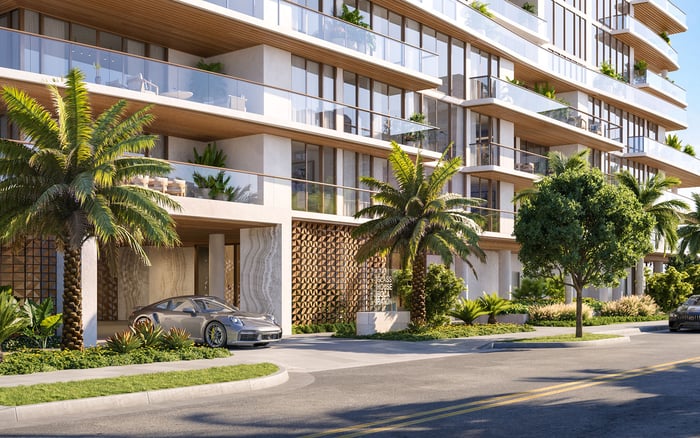
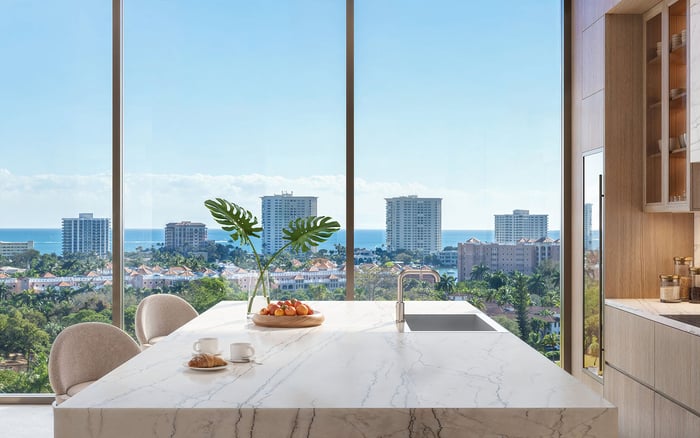
A buyer-focused guide to evaluating Glass House Boca Raton pricing through the lens of lender appraisal risk, liquidity planning, comparable sales, and contract protection.
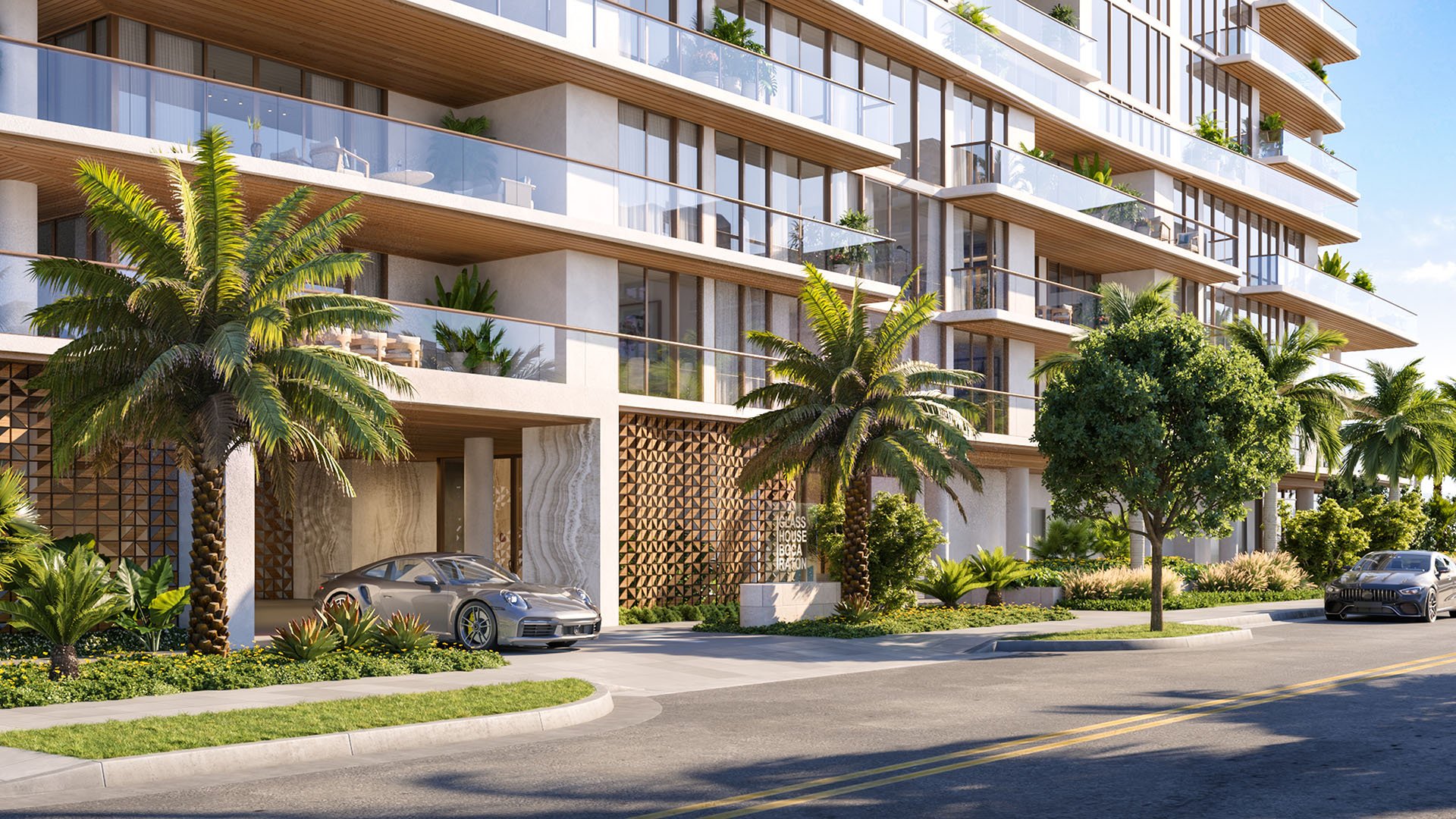
Glass House Boca Raton sits at the center of a question sophisticated family buyers are asking earlier in the process: will the contract price be supported by a lender’s appraisal at closing? In the ultra-premium condominium market, a residence can feel emotionally right, architecturally compelling, and scarce, yet still demand a disciplined financing conversation before a family commits meaningful capital.
“Appraisal-proof pricing” does not mean risk-free pricing. It means pricing that can withstand lender scrutiny, even when asking levels are ambitious relative to recent comparable sales. For families using bank financing, that scrutiny matters because the lender is not underwriting the buyer’s taste, urgency, or lifestyle preference. It is underwriting collateral value.
That is why Glass House Boca Raton belongs in a disciplined Boca Raton conversation about boutique living, new-construction underwriting, pre-construction contract protections, and investment liquidity. The right question is not simply whether a buyer can afford the residence. It is whether the capital structure still works if the bank views value more conservatively than the buyer does.
Family buyers should ask the developer or sales team how they expect appraisers to justify the project’s price-per-square-foot levels. The answer should not rest only on broad market enthusiasm or aspirational nearby listings. Lenders typically give the greatest weight to closed comparable transactions, particularly those that are recent, relevant, and similar in product type.
A useful discussion separates four categories: closed sales, pending sales, signed developer contracts, and listings. Each can influence market perception, but they do not carry equal weight in a formal appraisal. A pending sale may show momentum. A developer contract may reveal demand within the project. A listing may signal seller ambition. A closed sale, however, is the clearest evidence that a buyer and seller completed a transaction at a specific number.
For Glass House Boca Raton, families should request the most relevant Boca Raton luxury condominium comps being used to support current pricing. The question is not adversarial. It is practical. If the strongest evidence has not yet closed, the buyer should understand how much of the valuation case depends on future closings rather than completed transactions.
Luxury pricing is rarely explained by square footage alone. Families should ask whether the premium is being attributed to location, boutique scale, amenities, architecture, views, finish quality, scarcity, projected future demand, or some combination of those factors. The more specific the explanation, the easier it becomes to test.
An appraiser may recognize certain unit-level attributes if they are clear and comparable. A larger floor plan, meaningful outdoor space, a stronger view corridor, or a superior finish package can support adjustments when properly documented. A vague sense of prestige is harder to quantify.
For a family intending to live in the residence, subjective value may be real. Morning routines, school-year logistics, guest privacy, and long-term comfort can justify paying for the right unit. The financing issue is whether those same qualities can be translated into the language of appraisal adjustments. If they cannot, the buyer may still proceed, but should do so with eyes open and liquidity preserved.
The most important financing question is simple: what happens if the lender’s appraisal comes in below the contract price? Families should ask before deposits, deadlines, and emotions narrow their options.
A low appraisal can create several possible outcomes. The buyer may need to bring more cash to closing. The buyer and seller may renegotiate. The buyer may seek another lender, although a second appraisal is not guaranteed to solve the gap. In the most uncomfortable scenario, the buyer may face deposit risk if contractual protections have expired.
This is where family buyers differ from all-cash investors. A cash buyer may care about appraisal value as a market signal, but financing does not control the ability to close. A family preserving liquidity may be balancing tuition planning, portfolio exposure, business capital, estate strategy, and reserves for post-closing ownership. For that buyer, appraisal risk is not theoretical. It can change both the cash required at closing and the comfort level after closing.
Families should ask whether the contract includes an appraisal contingency, a financing contingency, or both. They should also understand when those protections expire. A contingency that disappears before the appraisal is complete may offer less comfort than it appears to provide.
The calendar matters as much as the clause. If financing approval, appraisal delivery, deposit milestones, and closing obligations are not aligned, the family may be exposed at precisely the moment a valuation question emerges. Counsel and lending advisors should be involved early enough to review timing, not merely headline terms.
Buyers should also ask their lender whether it has recently financed comparable luxury Boca Raton condominium purchases. A lender familiar with the local ultra-premium condominium market may still be conservative, but experience can reduce surprises. Families should ask how the lender’s appraisal panel tends to approach new luxury inventory, boutique buildings, and pricing premiums that exceed older resale comps.
A strong family underwriting conversation should model more than one appraisal outcome. Start with the desired case: the appraisal supports the contract price. Then test a modest shortfall. Finally, test a larger valuation gap that requires a meaningful increase in cash at closing.
This exercise reframes the purchase from a single number into a range of possible capital requirements. It also helps families compare monthly ownership costs, potential financing terms, and cash reserves after closing. A residence may remain desirable in all three scenarios, but the family’s balance sheet may feel very different depending on the appraisal result.
The same discipline applies beyond closing. Today’s pricing should be evaluated for whether it may remain defensible over the next market cycle. A family buyer does not need to behave like a short-term trader, but liquidity and optionality still matter. If life changes require a sale or refinancing, the quality of the original pricing rationale can influence future flexibility.
Before treating pricing as bankable, family buyers should ask five direct questions. First, which closed comparable sales best support the current price level? Second, which pending sales or developer contracts are being used as supplemental evidence? Third, what specific unit attributes justify any premium over nearby alternatives? Fourth, what happens contractually if the appraisal is low? Fifth, how much liquidity remains if the family must cover a valuation gap with additional cash?
The strongest answers will be specific, documented, and consistent. They will connect the residence’s premium to attributes an appraiser can recognize, not only to the buyer’s preference. They will also give the family a clear path if the bank’s view of value is more cautious than the market’s asking posture.
Appraisal-proof pricing is ultimately a due-diligence issue, not merely a negotiation tactic. In Boca Raton’s luxury condominium market, families buying for lifestyle should still underwrite like capital stewards. The objective is not to remove all uncertainty. It is to know where uncertainty lives before signing, funding, and relying on a lender’s approval.
What does appraisal-proof pricing mean? It means pricing that has a credible chance of being supported by a lender’s appraisal, even if asking levels are ambitious.
Why does this matter more for financed buyers? A lender bases loan proceeds on appraised value, so a low appraisal can require the buyer to bring more cash to closing.
Should cash buyers care about appraisals too? Yes, but the risk is different. Cash buyers may view the appraisal as a value signal rather than a closing constraint.
What comparable sales should families ask to see? Buyers should ask for recent closed Boca Raton luxury condominium transactions that most closely support the contract price.
Are pending sales as useful as closed comps? Pending sales can show momentum, but lenders typically place greater weight on completed comparable transactions.
What happens if the appraisal is below the contract price? The buyer may need more cash, may try to renegotiate, may switch lenders, or may face deposit exposure depending on the contract.
What unit features can support appraisal adjustments? Larger floor plans, outdoor space, view corridors, and superior finish packages may help if they are clearly documented.
When should buyers speak with their lender? Early. Families should ask whether the lender has recently financed comparable Boca Raton luxury condominium purchases.
What contract protections should buyers review? Buyers should review appraisal and financing contingencies, especially the dates when those protections expire.
Is appraisal-proof pricing only about negotiation? No. It is broader due diligence that helps families preserve liquidity and understand financing risk before closing.
To compare the best-fit options with clarity, connect with MILLION.
If branded residences are on your mind — as a home or as an allocation — we would be glad to share what we are seeing, privately.
Begin a quiet conversation