For a certain class of South Florida buyer, true luxury is no longer defined by maximum visibility. A lower-profile address can deliver stronger everyday value through privacy, controlled access, fewer shared touchpoints, and insulation from the reputation swings that often follow headline-making towers. In a market shaped by international wealth, off-market transactions, and intense public interest, discretion itself has become a form of prestige.
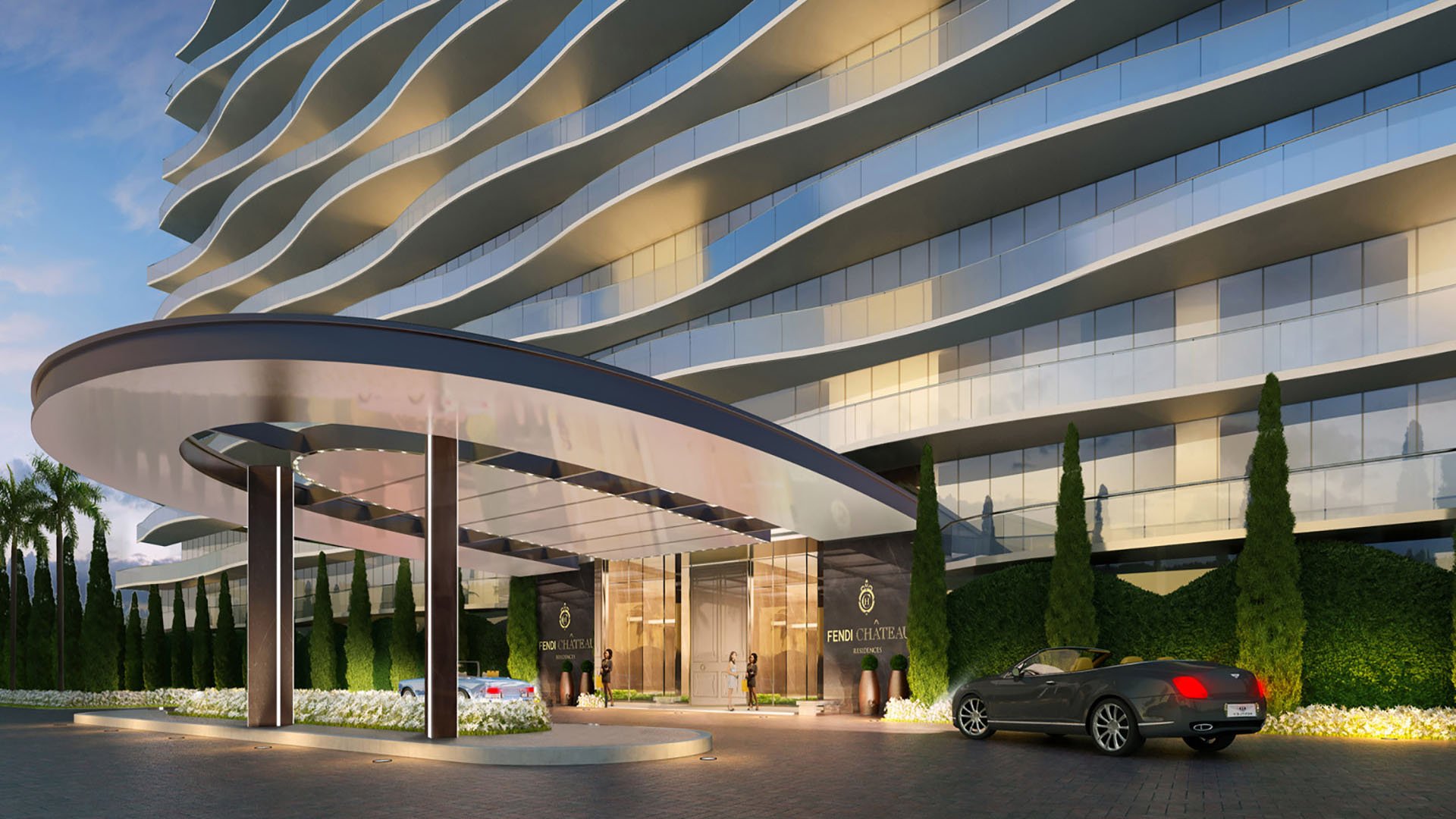
In South Florida’s upper tier, the most sophisticated buyers are not always chasing the tallest tower, the loudest brand, or the most photographed arrival sequence. For many, especially those with public profiles, international holdings, or family security concerns, the better address is the one that reveals the least.
That shift matters because discretion is not the opposite of luxury. In many cases, it is luxury refined. A lower-profile address can still offer waterfront positioning, impeccable design, concierge-level service, and architectural credibility, but without the publicity friction that often accompanies a trophy tower. In practical terms, that means fewer eyes, fewer shared encounters, and less chance that ownership becomes part of the social conversation.
In South Florida, where wealth is mobile and attention travels quickly, a private home, gated estate, or boutique condominium can feel more aligned with how affluent buyers actually live. Prestige remains essential. The difference is that prestige is increasingly expressed through control rather than display.
Today, many luxury purchases are shaped by the desire to control access, routine, and exposure. Buyers with recognizable names or sensitive business interests often prefer homes that do not advertise their presence. The appeal is not abstract. It touches everything from guest arrival and staffing oversight to the ease of moving through daily life without creating a spectacle.
South Florida amplifies this preference because it attracts a large international buyer base, second-home purchasers, and cash-heavy households that often place a premium on privacy and security. Quietly marketed transactions remain a meaningful part of the market for exactly that reason. Some owners want to limit publicity around pricing, identity, or timing. Some buyers simply do not want their address to become a headline.
This is also why ownership structures such as LLCs and trusts remain part of the conversation in luxury acquisitions. While they are not a substitute for proper legal advice, they reflect a broader truth: many affluent buyers are actively seeking layers of separation between personal identity and a highly visible real estate purchase.
A trophy tower offers instant recognition. A lower-profile address often offers something more useful: operational privacy. Smaller buildings and private residences generally expose owners to fewer staff members, fewer visitors, and fewer shared spaces. That can reduce day-to-day visibility in ways that are difficult to replicate in a heavily branded, heavily trafficked property.
A standalone estate or gated compound extends that advantage further. The owner has greater control over surveillance, guest management, service access, and household rhythm. For buyers who think in terms of patterns and predictability, this control can be more valuable than any marquee on the facade.
The same logic helps explain the appeal of design-led but quieter projects. In Coconut Grove, Arbor Coconut Grove speaks to buyers who want a more intimate residential experience than a high-volume vertical environment typically provides. In Bay Harbor Islands, Onda Bay Harbor fits naturally into a conversation about understated prestige, where waterfront living is paired with a more measured public profile.
Neither choice is about compromise. It is about selecting an environment that preserves luxury while limiting exposure.
Some of the region’s most enduring luxury enclaves have never relied on maximum visibility. Coral Gables and Pinecrest continue to attract buyers who want estate-style living, architectural quality, and social standing without the intensity of celebrity-centric condo corridors. These neighborhoods offer a different kind of confidence. They are known, but not performative.
That same principle appears in select residential formats across the market. In Coral Gables, Ponce Park Coral Gables aligns with buyers drawn to a refined, lower-density setting in an established luxury district. On Fisher Island, the appeal becomes even clearer. Exclusivity there is tied not to skyline theatrics but to separation, controlled access, and a buffer from mainland visibility, a dynamic reflected by The Links Estates at Fisher Island.
Even in areas known for glamour, lower-profile positioning can be the smarter fit. A project such as Ocean House Surfside suggests why some buyers prefer a more discreet coastal setting over a building whose brand identity is inseparable from public attention. The luxury is still evident. It is simply less broadcast.
The most famous towers benefit from recognition, but recognition comes with tradeoffs. High-profile buildings are more likely to generate chatter around sales, pricing, and residents. In a media-saturated market, well-known towers can turn ownership into a public marker rather than a private asset. For some buyers, that is desirable. For others, it is an avoidable liability.
There is also a durability question. A lower-profile address may be less exposed to swings in fashion, branding, or tower-specific reputation risk. What feels ascendant today can feel dated when the next signature launch arrives. Quiet prestige, by contrast, tends to age more gracefully because its value is not entirely dependent on buzz.
This matters for long-term holders. Single-family homes and low-density residences often appeal to a broader future buyer pool because they offer flexibility, land, and fewer building-rule constraints. They can adapt more easily to changing lifestyles, especially for owners who increasingly prioritize private outdoor space and autonomous living over the choreography of tower life.
For a discretion-oriented buyer, outperformance is not just about resale price. It is about the total ownership experience. A home can outperform because it reduces unwanted attention, simplifies security planning, and supports a calmer pattern of living. It can outperform because guests arrive without fanfare. Because staff access is easier to control. Because the property is prestigious without making the owner instantly legible to the public.
In South Florida, that equation is especially compelling for foreign buyers, public figures, founders, and families who think beyond aesthetics. They may value an address that protects personal safety, limits scrutiny from rivals or onlookers, and preserves optionality around how publicly they live.
The result is a more nuanced definition of luxury. The best address is not always the one everyone recognizes from the causeway. Sometimes it is the one the right people know, the public rarely discusses, and the owner can enjoy on their own terms.
The right decision comes down to what the buyer is optimizing for. If the priority is symbolic visibility, signature branding, and immediate market recognition, a trophy tower can serve that purpose well. If the priority is privacy, resilience, and control, a lower-profile address may be the more intelligent acquisition.
MILLION sees this distinction clearly across South Florida. The market’s most compelling opportunities are not always the most conspicuous. Often, the strongest luxury proposition is the residence that combines pedigree with privacy, service with selectivity, and status with silence.
Why would a buyer choose a lower-profile address over a famous tower? Because privacy, controlled access, and lower day-to-day visibility can matter more than public recognition for many affluent owners.
Are boutique buildings generally more private than large towers? Often, yes. Fewer units, fewer shared spaces, and fewer staff interactions can create a more discreet daily experience.
Does a quieter address mean giving up prestige? No. In South Florida, many discreet addresses carry strong social and architectural prestige without heavy public exposure.
Why is discretion especially relevant in South Florida? The region attracts international wealth, second-home buyers, and public figures, all of whom may value privacy and security.
Do off-market deals play a role in this segment? Yes. Quietly marketed transactions remain common when buyers and sellers want to limit attention around identity, price, or timing.
Can single-family homes outperform branded condos for some buyers? Yes. They often offer more land, flexibility, and control over access, staffing, and household operations.
Is public attention around famous buildings really a concern? It can be. High-value purchases in recognizable towers are more likely to attract notice and ongoing visibility.
Why do some buyers use LLCs or trusts in acquisitions? These structures can add a layer of privacy around ownership, though buyers should seek tailored legal guidance.
Which South Florida areas best fit discreet luxury? Coral Gables, Pinecrest, and Fisher Island are frequent candidates, along with select boutique enclaves in Coconut Grove and Surfside.
What does outperformance mean in this context? It means a home may deliver a better lifestyle fit, stronger privacy, and more lasting appeal for the specific buyer it is meant to serve.
For a discreet conversation and a curated building-by-building shortlist, connect with MILLION.
If branded residences are on your mind — as a home or as an allocation — we would be glad to share what we are seeing, privately.
Begin a quiet conversation