Florida’s post-Surfside condominium reforms have moved building safety, reserves, and budgeting from “best practice” to statutory requirement. For South Florida’s luxury buyer, the impact is less about headlines and more about underwriting: milestone inspections, Structural Integrity Reserve Studies, and non-waivable reserve lines are now central to a building’s true cost of ownership. With additional changes taking effect in 2025 and shaping 2026 budgets, due diligence has become as architectural as it is financial.
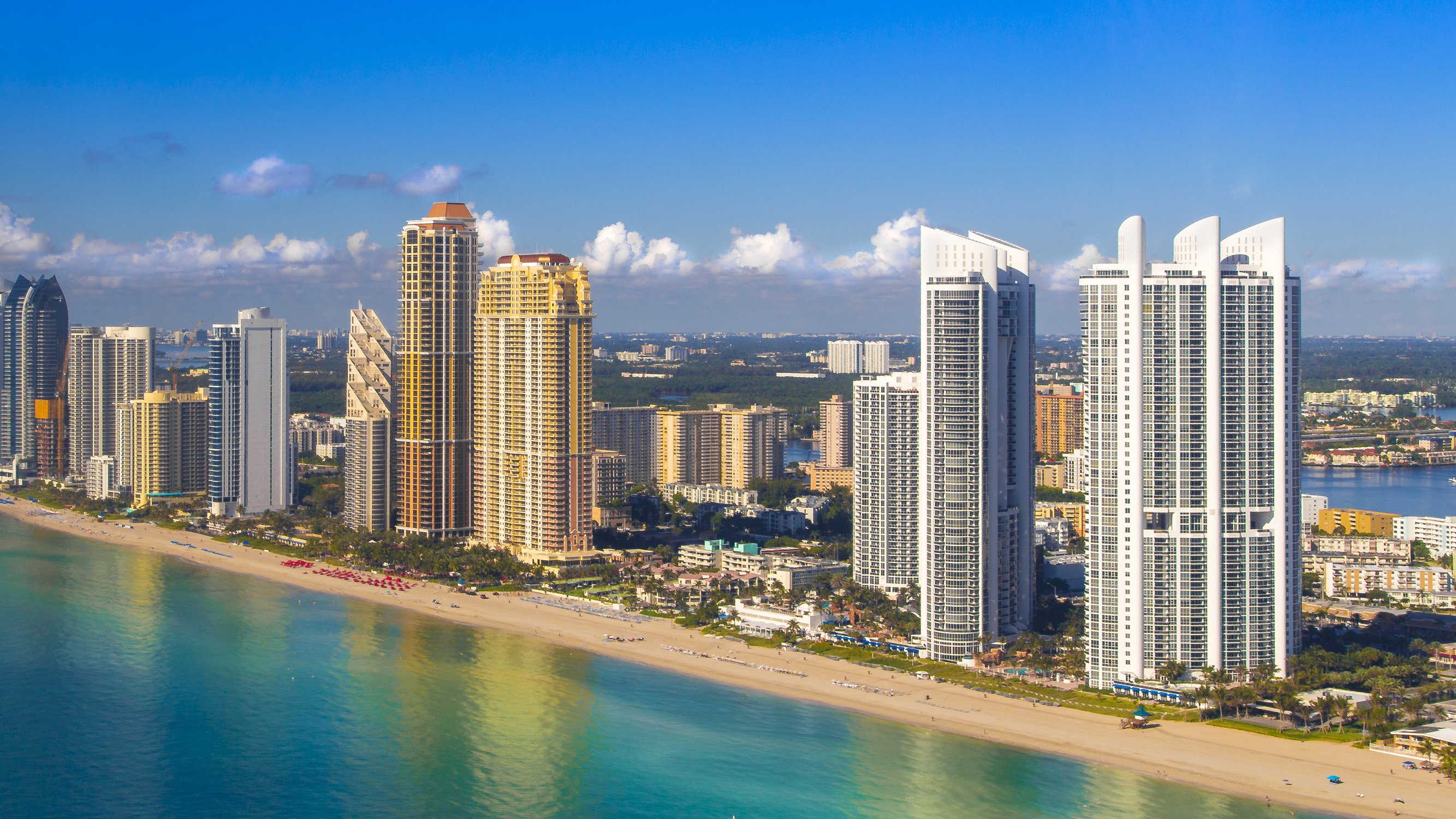
South Florida has always priced lifestyle, views, and brand. For 2026, sophisticated buyers add a fourth pillar: statutory compliance. Florida’s post-Surfside reforms, enacted after the June 2021 Champlain Towers South collapse in Surfside that killed 98 people, created a statewide framework that ties structural oversight directly to budgets and reserves.
In practical terms, the market is adapting to a world where a condominium’s carrying costs can rise quickly when inspections, repairs, reserve funding, and insurance converge within the same budget cycle. This is not a theoretical shift. Owners across South Florida have experienced sticker shock as monthly fees climb alongside new reserve and safety requirements and broader operating-cost pressures.
For the luxury segment, the issue is less about avoiding condominium living and more about selecting buildings where governance, transparency, and capital planning are commensurate with the standards of the residences themselves.
Florida’s “milestone inspection” regime is codified in §553.899, Florida Statutes. The structure is intentionally staged. Phase 1 is a visual inspection intended to identify visible signs of substantial structural deterioration. If Phase 1 indicates substantial structural deterioration, Phase 2 follows with more detailed evaluation and testing.
Buyers should treat this as a timing question as much as a condition question. A building can present as immaculate while still approaching an inspection milestone that triggers engineering scope, contractor sequencing, and potentially significant capital planning. Conversely, a building with a current inspection file and a clearly articulated repair plan can be easier to underwrite than a cosmetically polished property that is quiet on structural documentation.
Luxury buyers also purchase for optionality-seasonal use, long-term hold, or legacy planning. Milestone inspection cycles introduce predictable events that can influence fees, renovation scheduling, and resale liquidity. Pricing those events at contract stage is now part of disciplined buying.
Many buyers are familiar with reserve studies as a general planning tool. Florida’s post-Surfside framework introduced a more specific instrument: the Structural Integrity Reserve Study (SIRS). A SIRS is distinct from a traditional reserve study, focusing on required “structural integrity” reserve items defined under the state’s reforms.
The difference matters because it shifts reserves from preference to obligation. In many qualifying buildings, certain structural reserve lines are no longer subject to the historical pattern of waiving or underfunding by owner vote. Florida enacted mandatory requirements that, for certain condominiums, require reserves for specified structural items rather than allowing owners to waive them.
For a luxury buyer, this redirects due diligence from “Are reserves healthy?” to “Are reserves statutorily compliant, and is the funding plan aligned with the building’s actual capital timeline?” A well-run association can treat this as an opportunity: professionalize planning, reduce surprise assessments, and protect long-term asset value.
In newer, design-forward properties such as 2200 Brickell, buyers often expect hotel-grade finishes and amenities. In 2026, the sophistication of the building’s engineering and reserve posture increasingly belongs on that same expectation list.
Florida continued refining the post-Surfside framework after the 2022 special-session law (SB 4-D) created the milestone inspection and reserve funding architecture, and after subsequent legislative adjustments addressed implementation issues.
A major new chapter arrives through a 2025 law, HB 913, effective July 1, 2025. For buyers reviewing 2026 budgets, several provisions have direct implications:
First, HB 913 raised the threshold used in the SIRS framework from $10,000 to $25,000, with inflation adjustments described in the bill’s text. While the nuances of how that threshold interacts with a specific building’s components require professional review, the direction is clear: the statute defines when reserve line items are treated as mandatory within the SIRS structure.
Second, HB 913 extended the deadline for associations to complete a SIRS to December 31, 2025. That extension creates a transitional window that luxury buyers should treat as a disclosure moment. In 2026, some buildings will have newly completed SIRS reports with clearer funding plans, while others may still be integrating findings into budgets and project timelines.
Third, HB 913 allows certain associations to fund required reserves using alternative mechanisms, including loans, lines of credit, and special assessments, subject to member approval and statutory conditions. That flexibility can be constructive, but it introduces a sharper underwriting question: is the association’s plan primarily pay-as-you-go, or does it shift the burden into financing and assessments that can affect owners differently over time?
Finally, HB 913 also modifies condo budget procedures, including processes that come into play when a proposed budget increases assessments by more than 15%, with exclusions for certain costs as described in summaries of the reform. For buyers, the takeaway is not the percentage itself; it is that budgeting has become more formalized, and large step-ups can trigger additional procedural steps.
Even a well-managed reserve program can be strained by sudden insurance repricing. In South Florida, condominium insurance costs have been a major contributor to higher monthly fees, with sharp premium increases affecting associations and unit owners. Separately, guidance for 2026 condo insurance budgeting anticipates continued premium pressure and the need to plan for year-over-year increases.
In luxury buildings, that pressure often shows up in two ways. The first is direct: higher premiums elevate the operating budget and, therefore, monthly assessments. The second is behavioral: insurers may scrutinize maintenance records, inspection results, and repair timelines more intensely, accelerating capital work already flagged by milestone inspections or a SIRS.
This is where lifestyle and underwriting converge. A residence in Five Park Miami Beach may deliver a distinctive Miami Beach experience, but buyers should read the condo documents with the same rigor they would apply to a private equity memo: governance, capital plan, and risk transfer are all part of the value proposition.
Some buildings are commonly described as exempt from the newer SIRS requirements, often those with fewer than three “habitable” stories, though other reserve and governance requirements can still apply. For luxury buyers evaluating boutique properties, townhome-style condominiums, or low-rise coastal buildings, the essential point is that exemption from a specific requirement does not automatically mean the building is structurally simpler, cheaper to maintain, or easier to insure.
In fact, some boutique buildings have concentrated exposure: fewer units to share major repairs, less redundancy in building systems, and a narrower base for special assessments. A buyer should confirm not only whether the building is subject to a SIRS requirement, but also whether it maintains an equivalent level of disciplined capital planning.
Bay-harbor and Surfside-adjacent buyers frequently prioritize discretion and a residential feel. In that context, properties such as Onda Bay Harbor can appeal aesthetically, while still benefiting from a due diligence approach that treats reserves and inspections as central, not ancillary.
South Florida condo sales and listings have been shifting alongside higher carrying costs and the new regulatory requirements. In luxury resales, the strongest buildings increasingly differentiate themselves with:
For buyers, document quality becomes a proxy for governance maturity. A building that communicates clearly, funds predictably, and executes repairs professionally often protects resale liquidity better than one that treats disclosures as a reluctant compliance exercise.
This distinction matters in ultra-premium oceanfront product, where the residence may be irreplaceable but the association’s operational posture determines whether ownership feels seamless or administratively heavy. In Sunny-isles, for example, a purchase in Bentley Residences Sunny Isles is as much a bet on long-term building stewardship as it is on design.
Luxury buyers rarely need more information. They need the right information, early enough to price it.
At minimum, consider structuring diligence around these buyer-oriented questions:
Inspection posture: Where is the building in the milestone inspection cycle, and what did Phase 1 conclude? If Phase 2 was required, what scope and outcomes followed?
SIRS status: Has the association completed its SIRS, and is the reserve funding plan aligned with the study’s schedule? If the SIRS is newly completed, what changes are being integrated into the next budget?
Reserve discipline: Are reserves funded in a manner consistent with the post-Surfside limitations on waivers for structural items in qualifying buildings?
Assessment strategy: If the association anticipates significant capital work, is it planning reserves, special assessments, or borrowing under the newer flexibility? Each approach affects owners differently.
Insurance trajectory: What is the association’s insurance renewal profile, and how has the premium environment affected the operating budget? In a market expecting continued premium pressure, underwriting should assume variability.
A discerning buyer aligns these questions with the property’s positioning: a primary residence buyer may value stability and predictability, while a second-home buyer may prioritize a building that minimizes administrative surprises during limited occupancy.
What triggered Florida’s condo safety reforms? The state enacted major reforms after the June 2021 Surfside collapse, which killed 98 people.
What is a milestone inspection in Florida? It is a statutory structural inspection process that begins with a visual Phase 1 review.
When is Phase 2 of a milestone inspection required? Phase 2 is required when Phase 1 finds substantial structural deterioration.
What is a Structural Integrity Reserve Study (SIRS)? It is a reserve study focused on structural integrity items required under Florida’s post-Surfside framework.
Can condo owners still vote to waive structural reserves? In many qualifying buildings, certain structural reserve items must be funded and cannot be waived in the old way.
What did the 2022 special-session law change? It created statewide requirements for milestone inspections and reserve funding tied to structural integrity.
What is changing with HB 913 for 2026 budgeting? It adjusts SIRS-related thresholds and budget procedures, shaping how associations plan assessments.
Does HB 913 change the SIRS deadline? Yes. It extends the deadline for associations to complete a SIRS to December 31, 2025.
Can associations use loans instead of fully funding reserves immediately? In certain cases, the law allows alternative funding mechanisms such as loans or special assessments with required approvals.
Why are condo fees rising beyond reserves? Insurance and operating costs have also been increasing, adding pressure to monthly assessments.
If you'd like a private walkthrough and a curated shortlist, connect with MILLION Luxury.
If branded residences are on your mind — as a home or as an allocation — we would be glad to share what we are seeing, privately.
Begin a quiet conversation