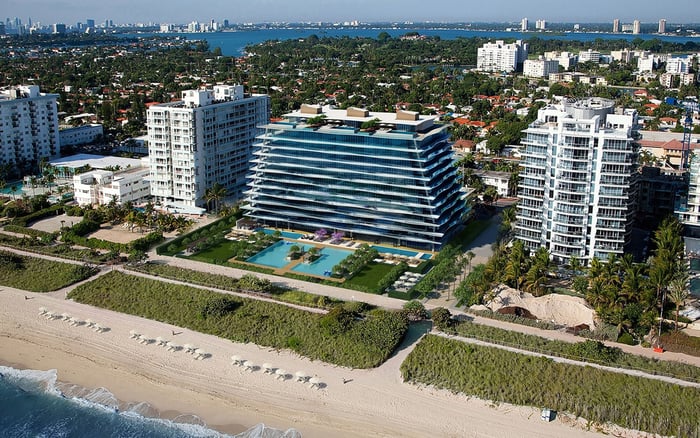
A discreet operational comparison of Fendi Château Residences Surfside and Arte Surfside for buyers who view art placement, service access, staff flow, and delivery control as part of the purchase decision.
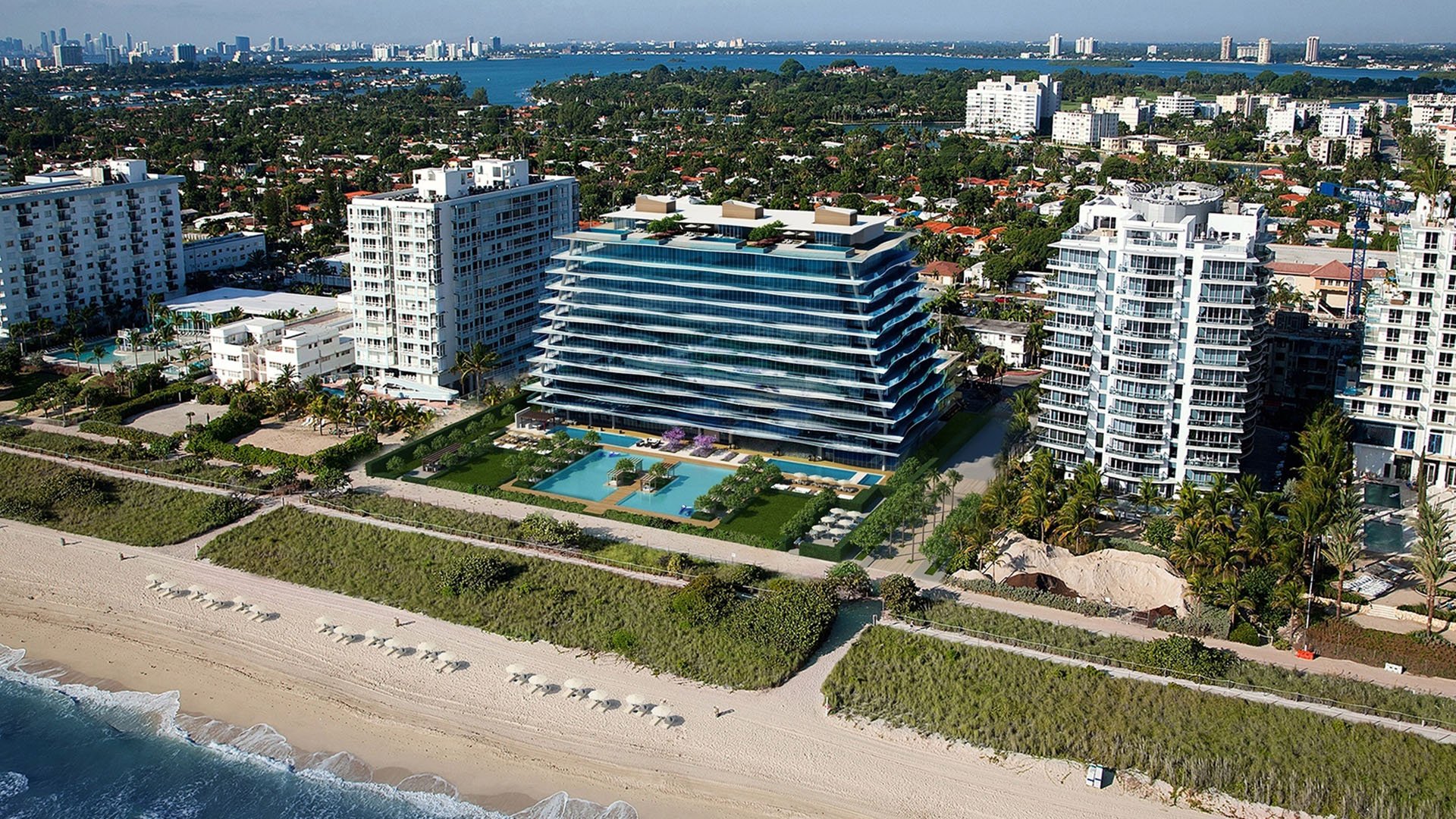
Fendi Château Residences Surfside and Arte Surfside occupy a category where the standard buyer conversation is often too narrow. Floor plans, views, finishes, and brand language all matter. But for a collector, frequent host, or family with a managed household, the more revealing question is operational: how gracefully will the building support life inside the residence?
That requires looking beyond the first visual impression. The right home must accommodate art delivery, white-glove installation, staff arrivals, vendor screening, household storage, guest privacy, elevator coordination, and the rhythm of daily service without making the owner feel exposed to the process. In Surfside, where discretion is central to the value proposition, the best comparison is not purely aesthetic. It is choreography.
This is where buyers should evaluate Fendi Château Residences Surfside and Arte Surfside with the eye of a private household manager rather than a visitor. Both appeal to those who expect refinement, but the stronger choice depends on the household being operated.
For serious collectors, an art-ready residence is not defined by blank wall area alone. It is the combined result of wall proportions, natural light management, structural readiness, ceiling conditions, elevator access, climate stability, installation permissions, and the ability to move valuable works without turning the lobby into a staging area.
At Fendi Château Residences Surfside, the art review should begin room by room. Which walls read as primary presentation walls? Which areas are interrupted by openings, lighting, or circulation? Can large-format works enter through the service path without tight turns, prolonged staging, or complicated scheduling? Buyers should also ask how the building handles outside art handlers, crating, insurance documentation, and temporary protection of common areas.
At Arte Surfside, the same questions apply, but the smaller, more intimate feel should be evaluated carefully rather than treated as an automatic advantage. Boutique privacy can be excellent for collectors, yet it can also make each delivery more visible if procedures are not disciplined. The central issue is whether the building can make a museum-level installation feel routine.
Controlled delivery logistics may sound unglamorous, but in the ultra-premium market, they are among the clearest markers of residential quality. A beautiful home becomes less serene if furniture deliveries, art crates, wine storage, flowers, wardrobe shipments, contractors, and seasonal items must compete for access.
Buyers comparing Fendi Château Residences Surfside and Arte Surfside should request a practical walkthrough of the delivery path. Start at the street and follow the route as a vendor would. Where does the truck pause? Who authorizes access? How are elevators protected? Where can items be staged if the residence is not ready? What happens if a delivery arrives early, late, or during a guest-heavy weekend?
These questions are especially important for owners who use the residence seasonally. A second-home household often compresses activity into short windows: furniture refreshes before arrival, pantry stocking, wardrobe transfers, floral design, terrace setup, art rotation, and service appointments. If the building’s logistics are elegant, the owner arrives to calm. If not, the owner arrives to unresolved coordination.
Oceanfront life in Surfside has its own operational texture. Residences near the water must balance openness and privacy, indoor and outdoor living, and the wear that comes with salt air, sun, sand, guests, and frequent service. The most successful households treat maintenance as part of the design program.
For either building, buyers should consider how the residence will handle beach-day returns, pool-to-home movement, staff access, package flow, and the movement of outdoor furniture or seasonal accessories. The goal is not to turn a private home into a hotel suite. The goal is to ensure the building supports the owner’s preferred standard without constant improvisation.
A Terrace, for example, is not just a view platform. It is an operating zone shaped by furnishings, planters, lighting, upholstery, storm preparation, cleaning schedules, and vendor access. A buyer who entertains outdoors should understand how often deliveries can be scheduled, how large items are moved, and whether the service team can protect both privacy and finishes during setup.
Boutique residential scale is often appealing because it promises fewer neighbors, quieter arrivals, and a more personal sense of place. In Surfside, that intimacy is a major part of the appeal. Yet smaller scale does not automatically solve household operations. It simply makes the quality of management more visible.
For Fendi Château Residences Surfside, buyers should ask how the building separates owner experience from service activity. Is there a clear protocol for movers, designers, art handlers, private chefs, pet care providers, and maintenance teams? Can a principal, guest, or family member come and go without intersecting with a complicated delivery?
For Arte Surfside, the question is similar but may feel even more personal because a smaller residential environment can make each interaction noticeable. That can be positive when staff know owner preferences and routines. It can be less ideal if procedures are informal. Buyers should look for consistency: predictable scheduling, confident front-of-house communication, and a culture of protecting privacy.
The better choice is the one that matches the buyer’s operating style. A collector with rotating works, large installations, and frequent handlers may prioritize access routes, elevator scheduling, and wall-planning flexibility. A family using the residence as a seasonal retreat may value smooth arrivals, stocked kitchens, wardrobe transfers, and low-friction guest logistics. A host may care most about valet flow, catering access, acoustic privacy, and Terrace preparation.
Penthouse buyers should be even more exacting. Height and privacy are compelling, but upper-level residences can introduce additional complexity for large-scale furniture, art, and outdoor items. The right question is not whether a Penthouse feels impressive, but whether its operational support matches its ambition.
In the end, Fendi Château Residences Surfside vs Arte Surfside is not a contest of glamour. It is a test of fit. The most sophisticated buyer will study the invisible systems, because those systems determine whether a residence remains beautiful after life begins.
Which building is better for an art collector? The better building is the one that best fits the collection’s scale, installation needs, light sensitivity, and delivery path. Buyers should evaluate wall planning and service logistics before deciding.
What should buyers ask before scheduling an art installation? Ask about service elevator use, vendor approval, insurance requirements, common-area protection, staging options, and permitted installation hours.
Is Boutique scale always better for privacy? Boutique scale can support privacy, but only when building protocols are clear and consistently enforced. Smaller environments make both excellent and weak operations more visible.
How should Pets be handled during deliveries or installations? Pets should be built into the household plan, including elevator timing, staff supervision, and secure separation during vendor activity.
Does a Penthouse make logistics more difficult? A Penthouse can require more planning for oversized pieces, outdoor furnishings, and elevator scheduling. The view may be effortless, but the move-in should be studied carefully.
Why does Terrace planning matter? Terrace areas often involve furniture, planters, lighting, cleaning, and storm preparation. Buyers should confirm how outdoor items are delivered, maintained, and secured.
Should seasonal owners focus more on logistics? Yes. Seasonal use often compresses deliveries, stocking, maintenance, and guest preparation into short windows, making coordination essential.
What is the most overlooked operational question? Many buyers overlook the path from truck to residence. That route reveals how discreet, protected, and efficient the building experience will be.
Can household staff influence the building choice? Absolutely. A residence used by private chefs, assistants, drivers, housekeepers, and art handlers needs a building culture that supports professional service without friction.
What should a buyer do before making a final decision? Walk the service route, review rules, discuss vendor protocols, and test the building against the household’s real routines rather than an idealized day.
To compare the best-fit options with clarity, connect with MILLION.
If branded residences are on your mind — as a home or as an allocation — we would be glad to share what we are seeing, privately.
Begin a quiet conversation