A discreet buyer framework for evaluating Sunny Isles Beach residences where private wellness, access, privacy, and daily ease matter more than resort spectacle.
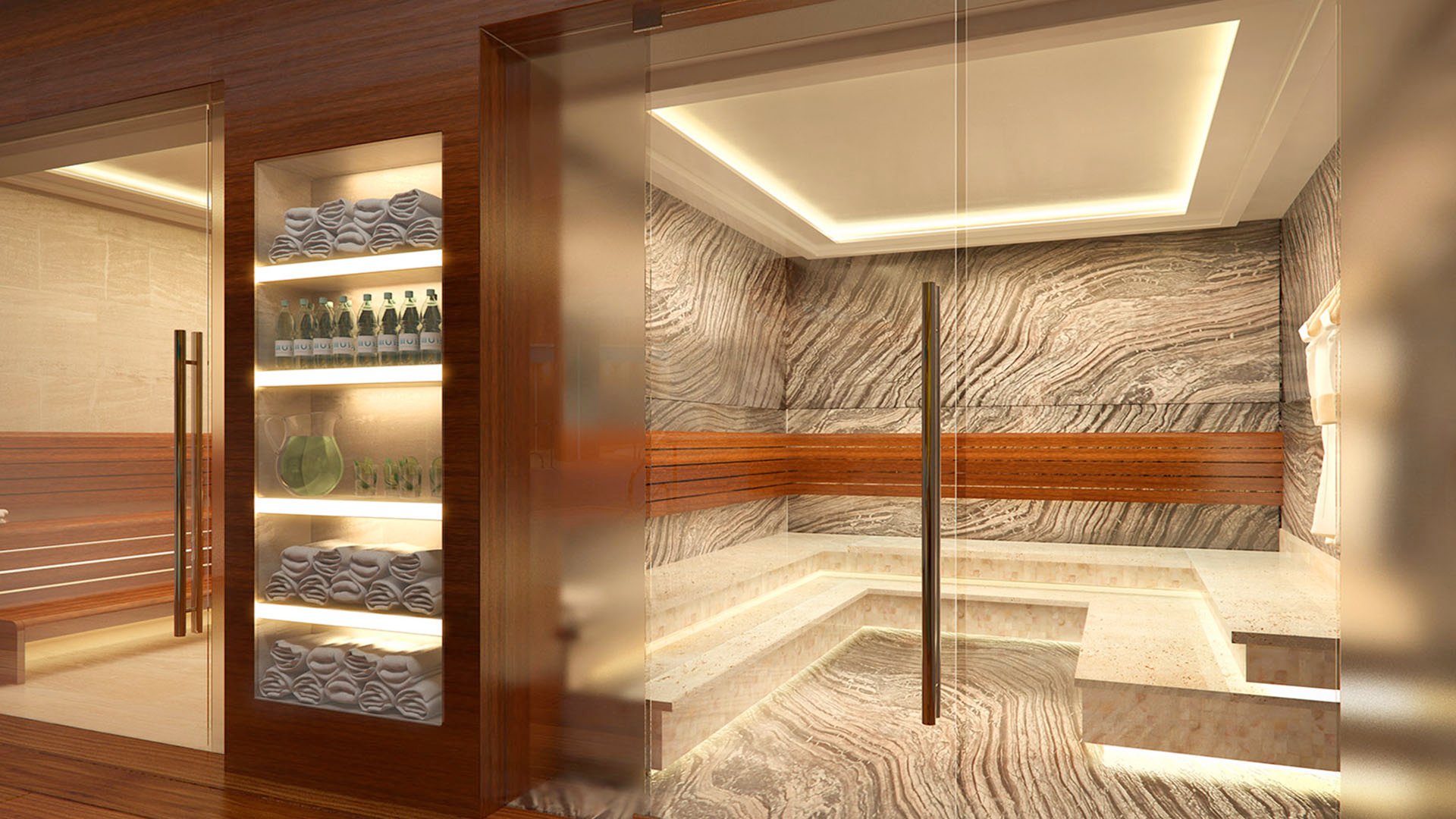
For the wellness-minded buyer, the central question in Sunny Isles Beach is not whether a building offers amenities. It is whether those amenities can be used privately, calmly, and often enough to alter daily life. A spa menu may impress during a tour, but ownership value is created in smaller moments: the morning swim that requires no negotiation, the steam room available when the household needs it, the elevator ride that feels discreet after training, and the terrace that turns recovery into a private ritual rather than a public appointment.
This is the Sunny Isles Beach ownership test for buyers who want wellness without public-spa congestion. It favors buildings where health feels residential, not performative. A true wellness residence should reduce friction throughout the day. If access feels conditional, crowded, or overly dependent on staff scheduling, the amenity package may be impressive, but it is not fully personal.
Private wellness is not simply a larger fitness room or a longer amenity list. It is the ability to preserve rhythm. Buyers should examine how a building supports quiet routines before and after peak hours, how circulation works between residences and amenity areas, and whether the household can move from training to rest without feeling exposed.
The distinction matters because many luxury buyers already have access to destination spas, clubs, trainers, and medical wellness providers. The residence must offer something different: immediacy. The ideal building does not replace every outside expert. It gives owners the setting to maintain consistency between appointments, travel, and family obligations.
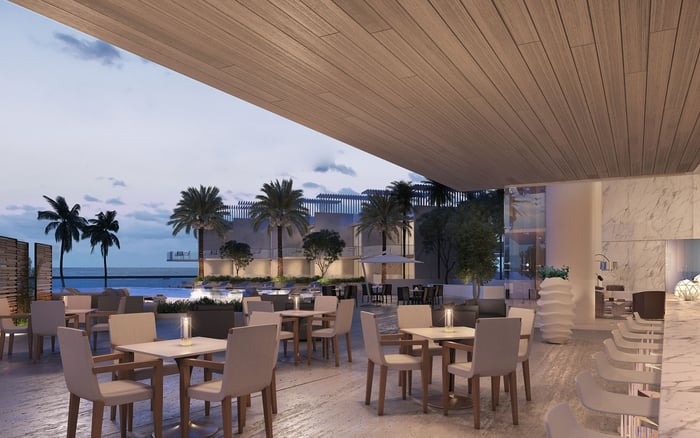
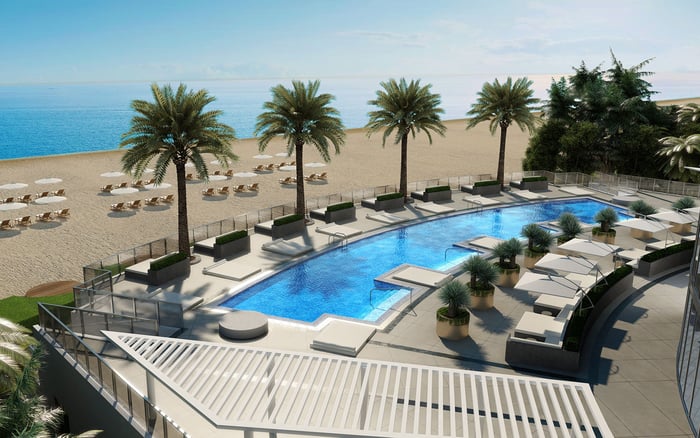
A well-conceived wellness environment should feel intuitive. The pool should be positioned and programmed to encourage regular use. Treatment rooms should feel controlled rather than theatrical. Fitness spaces should support actual habits, not merely presentation. Outdoor areas should offer a reason to step away from screens, meals, and meetings without leaving the home environment.
Public-spa congestion is not always visible during a private tour. It appears when owners return from travel, when guests overlap, when seasonal demand rises, or when popular times compress the schedule. The buyer who prioritizes wellness should therefore evaluate not only what exists, but how it is shared.
Ask about reservation protocols, guest policies, operating hours, and whether spaces are designed for simultaneous use without creating social pressure. A beautiful amenity can lose value if it requires days of planning for basic use. Conversely, a more restrained amenity program can outperform a larger one when the experience is quiet, available, and well managed.
The best test is practical: imagine using the amenity three times in one ordinary week. If that routine feels effortless, the building may support wellness ownership. If it feels like another calendar obligation, the premium deserves closer scrutiny.
For sophisticated buyers, the private residence is often the most important wellness amenity. Ceiling height, natural light, acoustic separation, bedroom placement, bath design, kitchen flow, and outdoor space all affect recovery and mood. A serene spa level cannot compensate for a residence that feels visually noisy, difficult to furnish, or poorly separated between social and private zones.
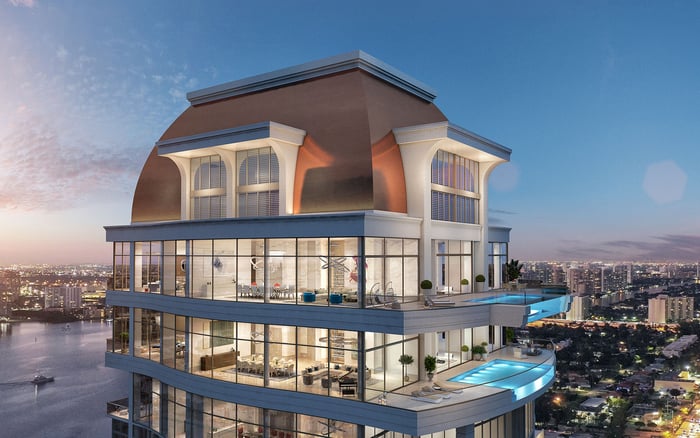
The terrace deserves particular attention. In a wellness-led purchase, a terrace is not just a view platform. It is where the owner may stretch, read, dine lightly, take calls, or reset after a long day. If the terrace feels too exposed, too narrow, or disconnected from daily living spaces, it may photograph well but underperform in use.
Some buyers label the search with practical filters: Sunny Isles for location discipline, oceanfront for outlook, beach access for routine, pool for recovery, terrace for open-air living, and new construction for current building expectations. The labels are simple, but the underlying question is refined: which residence makes healthy living feel natural rather than scheduled?
Wellness buyers often discuss amenities, but they are usually buying privacy. They want to move from residence to pool, gym, spa, beach, and car with minimal exposure. They want guests handled gracefully. They want staff presence to feel polished but not intrusive. They want the option to be social, not the obligation to be seen.
This makes building culture important. Some residences feel like private clubs. Others feel more like resort environments. Neither is inherently wrong, but the right choice depends on the buyer's tolerance for visibility. A household with children, visiting relatives, wellness staff, or frequent guests may value predictability more than spectacle.
The strongest buildings understand that privacy is architectural, operational, and social. It is shaped by elevator strategy, amenity placement, lobby scale, corridor design, and the way management handles demand. Buyers should listen carefully during tours for language that reveals how the building actually functions, not only how it is marketed.
When two Sunny Isles Beach options both appear compelling, reduce the comparison to daily ownership. Which one makes mornings easier? Which one gives the primary suite more quiet? Which one provides outdoor space that will be used beyond entertaining? Which one allows a guest to enjoy the beach or pool without disrupting the household's private rhythm?
A wellness-first buyer should also consider the emotional cost of complexity. If an amenity requires too much coordination, it may become occasional rather than habitual. If a building feels crowded in the places meant for restoration, the buyer may return to outside clubs and spas, leaving the in-building wellness premium underused.
The better purchase is not always the one with the longest list. It is the one aligned with the owner's body clock, family pattern, travel schedule, and appetite for discretion. In ultra-premium ownership, refinement is often found in what the building removes: waiting, noise, exposure, and unnecessary ceremony.
Before moving from interest to negotiation, walk through a normal week in the residence. Consider weekday mornings, post-flight recovery, weekend guests, quiet evenings, and the moments when wellness is least glamorous but most necessary. Does the building support those moments without friction?
If the answer is yes, the residence may offer something more valuable than a spa-style amenity package. It may create a private operating system for health, rest, and composure. For Sunny Isles Beach buyers who want wellness without congestion, that is the standard worth protecting.
What should wellness-focused buyers prioritize first in Sunny Isles Beach? Prioritize privacy, access, and daily usability before comparing the size of amenity menus.
Is a large spa always better for owners? Not necessarily. A smaller, calmer wellness area can be more valuable if it is easy to use and well managed.
How can a buyer judge potential amenity congestion? Ask about reservations, guest access, peak usage, and how many spaces can be used comfortably at once.
Why does the private residence matter so much for wellness? The home itself shapes sleep, recovery, light, noise, and the ease of daily routines.
Should a buyer focus more on the pool or the spa? Focus on the feature your household will use consistently, not the one that looks most dramatic on a tour.
How important is terrace design? Very important. A usable terrace can extend wellness into daily living, dining, stretching, and quiet reset time.
Can beach access replace in-building wellness amenities? It can complement them, but it does not replace the convenience of private, controlled spaces within the residence.
What is the risk of buying for amenity spectacle? The risk is paying for spaces that impress guests but do not support the owner's actual routine.
How should families evaluate wellness amenities? Families should consider privacy, guest flow, safety, scheduling, and whether different generations can use spaces comfortably.
What is the best way to shortlist comparable options for touring? Start with location fit, delivery status, and daily lifestyle priorities, then compare stacks and elevations to validate views and privacy.
For a confidential assessment and a building-by-building shortlist, connect with MILLION.
If branded residences are on your mind — as a home or as an allocation — we would be glad to share what we are seeing, privately.
Begin a quiet conversation