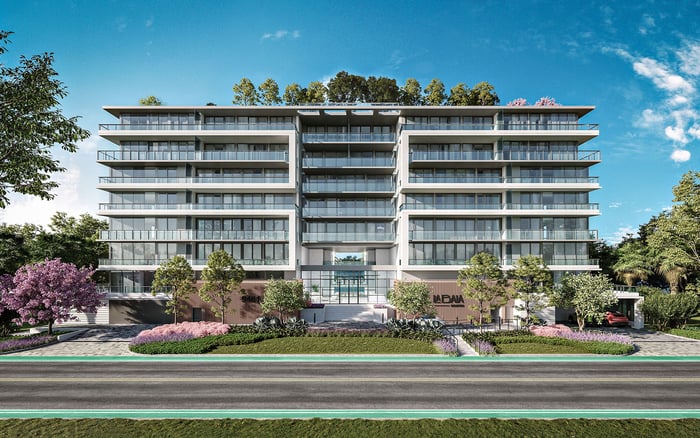
A buyer-focused guide to how seasonal owners should evaluate special-assessment pathways at La Baia North in Bay Harbor Islands, with emphasis on reserves, documents, waterfront maintenance, insurance exposure, and boutique condominium cost sharing.
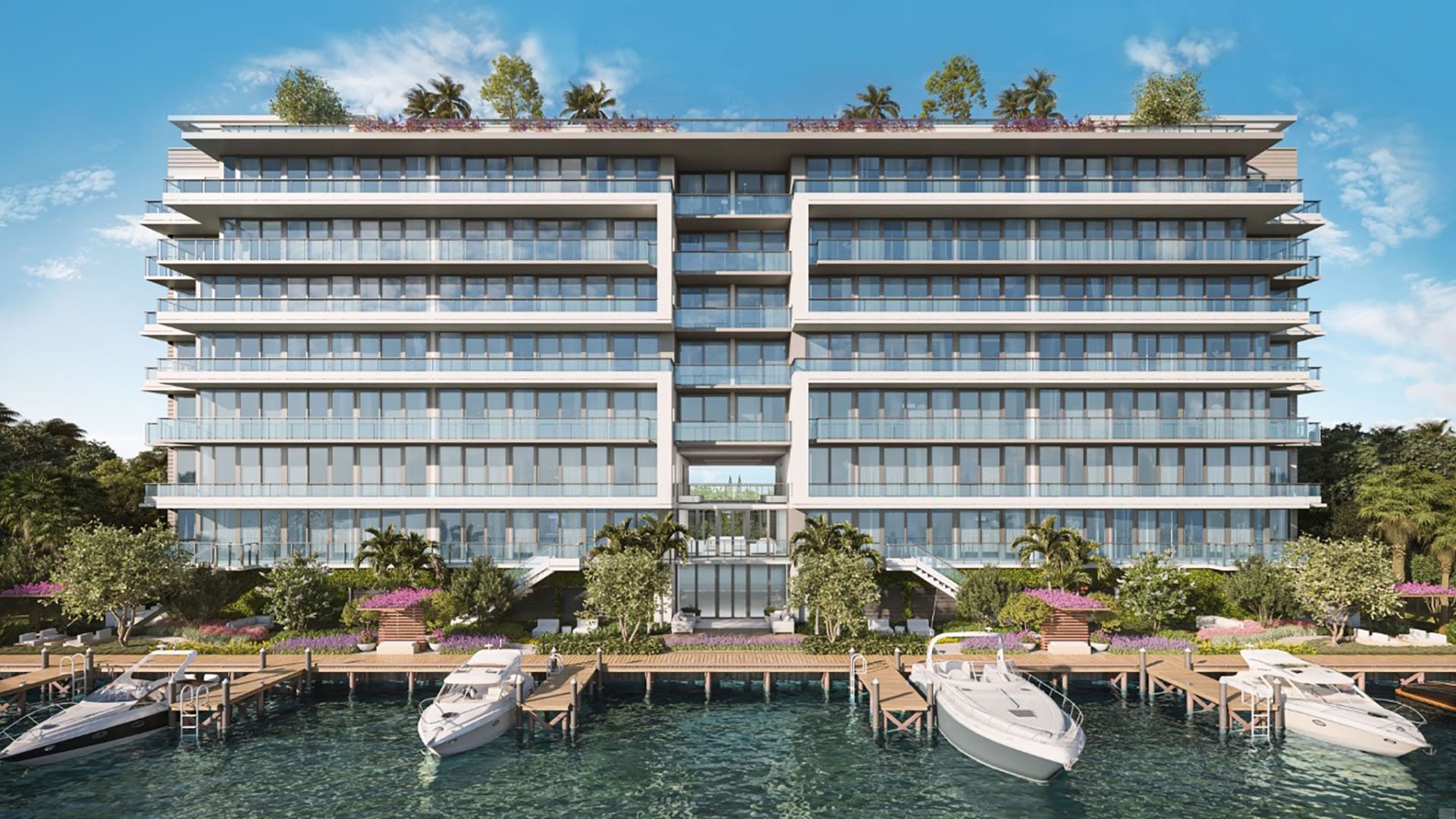
La Baia North Bay Harbor Islands sits in a category of South Florida ownership with clear appeal for seasonal and second-home buyers: a luxury condominium in a waterfront island setting, close to the region’s major lifestyle corridors while retaining a quieter residential character. For many buyers, the first conversation centers on architecture, views, service, and the ease of lock-and-leave living. The more durable conversation is cash flow.
A special assessment should not be treated as a remote event reserved for troubled buildings. In a condominium, it is a pathway: the mechanism by which shared costs can move from the association’s balance sheet to individual owners. That distinction matters for seasonal buyers, because using a residence only part of the year does not reduce exposure to board-approved or owner-approved capital charges.
The vocabulary of this purchase is familiar to many South Florida buyers: Bay Harbor setting, boutique scale, second-home use, waterview appeal, and new-construction expectations. La Baia North Bay Harbor Islands sits directly within that conversation. The appeal is lifestyle-led, but the underwriting should be governance-led.
A common mistake is to ask a narrow question: are there any current special assessments? The stronger question is broader: how could assessments arise in the future under the condominium documents, budget structure, reserve planning, and association governance?
Seasonal buyers should request the declaration, bylaws, current budget, reserve schedule, assessment provisions, and any developer-to-association transition materials before closing. These documents may clarify who can approve an assessment, how costs are allocated, whether certain expenses apply to all units or only specific users, and how the association anticipates future capital needs.
Written disclosure is essential. Verbal comfort may sound persuasive during a purchase process, but buyers should ask for written disclosure of any pending, proposed, discussed, or anticipated assessments. The word “discussed” matters. A capital issue does not always begin as a formal assessment. It may first appear as a budget conversation, a reserve shortfall, an amenity repair, an insurance pressure point, or a maintenance item that has not yet been priced.
Bay Harbor Islands is known for a more boutique luxury profile than some of South Florida’s larger high-rise markets. That intimacy can be one reason buyers are drawn to the area. Smaller-scale living may feel more private, calmer, and more residential. Yet that same quality can affect the economics of shared ownership.
In a limited-unit condominium, major shared expenses may be spread among fewer residences. A roof system, waterfront improvement, drainage item, insurance increase, building system upgrade, or amenity refresh can therefore create larger per-owner exposure than it might in a much larger tower. This does not make boutique ownership undesirable. It means the buyer’s model should account for the concentration of cost.
The allocation method matters as much as the amount. Seasonal owners should evaluate whether assessments are allocated equally, by ownership percentage, by unit size, or by limited-common-element usage. A larger residence, specific parking configuration, private terrace component, or limited-use feature may carry different implications depending on the documents. The answer is not universal. It is document-specific.
La Baia North’s Bay Harbor Islands setting adds another layer to the analysis. Waterfront ownership is one of the defining luxuries of the market, but it also requires careful attention to maintenance, resilience, seawall considerations, drainage, building systems, and insurance. These items should be evaluated as part of total ownership cost, not as abstract background risks.
A newer or recent luxury condominium may reduce certain near-term repair concerns, but it does not eliminate future capital calls. Modern systems still age. Amenities still require renewal. Insurance markets can move. Compliance needs can evolve. Waterfront components may require specialized attention. Seasonal buyers should avoid assuming that newness equals assessment immunity.
Luxury services and shared amenities also carry long-term cost implications. Waterfront leisure areas, fitness and wellness spaces, concierge operations, valet functions, rooftop areas, marina-related features, and other lifestyle infrastructure can enhance the ownership experience. They can also increase operating budgets and reserve needs over time. The correct analysis is not whether amenities are good or bad. It is whether the association’s budget and reserves are aligned with the lifestyle being delivered.
For a seasonal buyer, the safest approach is to run the numbers under more than one scenario. The base case should include monthly dues, property taxes, insurance assumptions, reserve contributions, and ordinary maintenance obligations. The stress case should ask what happens if insurance costs rise, reserves require deeper funding, a shared system needs work, an amenity is upgraded, or a compliance-related expenditure appears.
This is not a pessimistic exercise. It is a luxury-buyer discipline. Buyers who are comfortable with the stress case can enjoy the property with greater confidence, particularly if the residence is used seasonally and managed from a distance.
Owner-occupancy profile also deserves attention. A building with many part-time owners can be stable and well run, but seasonal ownership may complicate association politics. Some owners may prioritize service levels and amenity presentation. Others may focus on dues restraint. Some may use the property heavily during peak months, while others may be absent for long stretches. Regardless of usage, the financial obligation remains attached to ownership.
Before committing, buyers should ask for a clear view of the association’s current financial posture and future planning. Useful questions include whether reserves are being funded in a manner consistent with the building’s anticipated needs, whether any significant projects are being discussed, whether insurance assumptions have changed, and whether the transition from developer control to owner governance has created any unresolved budget or maintenance issues.
Buyers should also ask how the association handles unexpected expenses. Does the budget include contingency planning? Are reserves segmented by component? Are major waterfront, structural, mechanical, amenity, or life-safety items being tracked? Are capital expenses expected to be handled through dues, reserves, loans, or assessments? The specific answers will depend on the governing documents and current association records, but the questions help reveal the pathways by which costs could reach owners.
The larger point is simple: special-assessment analysis is not separate from the purchase decision. It belongs in the same evaluation as view, floor plan, services, and location. In a market where ownership is often discretionary, the most sophisticated buyers are not merely asking what the residence costs today. They are asking how the building is designed to fund itself tomorrow.
Seasonal buyers often have an advantage because they are already accustomed to planning around travel, management, and recurring ownership costs. That mindset can translate well to condominium due diligence. The goal is not to avoid every possible future cost, which is unrealistic in any shared building. The goal is to understand how costs are approved, allocated, funded, and communicated.
At La Baia North, that means treating the condominium documents as part of the asset. The view may create the emotional pull, but the declaration, bylaws, budget, reserve schedule, and assessment language define the financial framework. A buyer who understands both is in a stronger position to decide whether the property fits a seasonal ownership strategy.
Is a special assessment only a concern in older buildings? No. A newer luxury condominium may reduce some near-term repair risks, but future capital needs can still arise from systems, amenities, insurance, compliance, or waterfront maintenance.
What should a seasonal buyer ask first? Ask not only whether an assessment exists today, but how the governing documents allow assessments to be approved, allocated, and collected in the future.
Why does boutique scale matter at La Baia North? Boutique buildings may spread major shared costs among fewer owners, which can increase per-owner exposure when large expenses arise.
Are waterfront issues relevant to assessment risk? Yes. Waterfront settings can make maintenance, resilience, seawall, drainage, building systems, and insurance especially important to review.
Should buyers rely on verbal assurances about assessments? No. Buyers should request written disclosure of any pending, proposed, discussed, or anticipated assessments before closing.
What documents should be reviewed? Review the declaration, bylaws, budget, reserve schedule, assessment provisions, and any developer-to-association transition materials.
Can seasonal owners pay less if they use the property less? Generally, usage does not eliminate exposure to association-approved charges. The allocation method is controlled by the condominium documents.
How can amenities affect long-term costs? Amenities such as waterfront leisure areas, wellness spaces, concierge operations, valet services, rooftop areas, or marina-related features may increase operating and reserve needs.
What is the best underwriting approach? Stress-test ownership costs under scenarios involving higher insurance, stronger reserve funding, repairs, amenity upgrades, or compliance spending.
Is assessment risk a reason to avoid La Baia North? Not by itself. It is a reason to perform disciplined due diligence and understand the building’s financial pathways before purchasing.
For a tailored shortlist and next-step guidance, connect with MILLION.
If branded residences are on your mind — as a home or as an allocation — we would be glad to share what we are seeing, privately.
Begin a quiet conversation