Seasonal-use flexibility in South Florida is less a lifestyle promise than an ownership analysis. Buyers should begin with the legal interest, then test condominium documents, municipal rules, tax treatment, and long-term building obligations before assuming a residence can move seamlessly between personal retreat and income-producing asset.
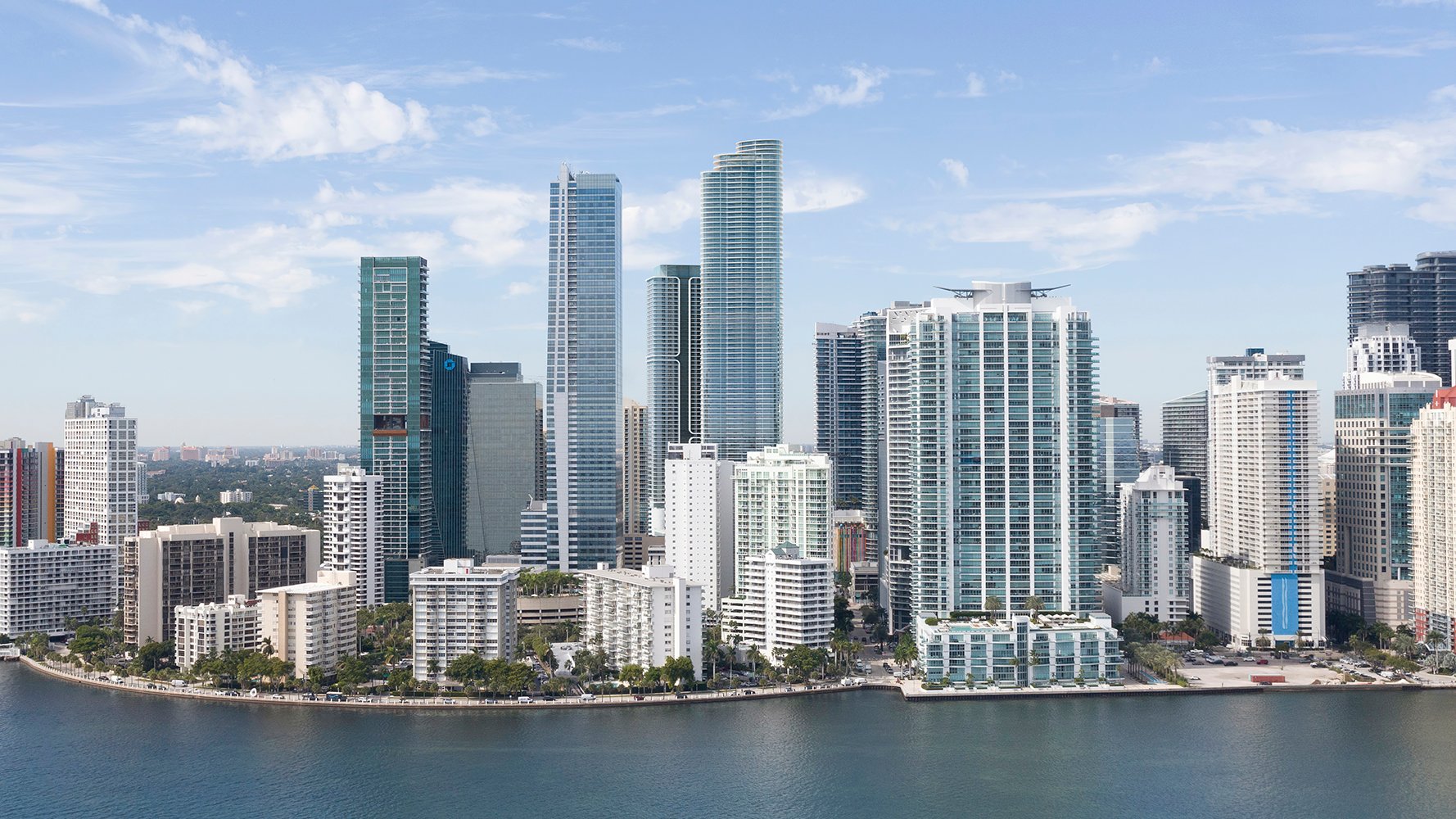
In South Florida, the most elegant seasonal residence is not always the most flexible. The decisive question is not whether the home feels effortless in February, or whether it photographs beautifully from the terrace. It is what legal interest the buyer is acquiring, and what that interest permits when the owner is away.
For condominium buyers, ownership often combines private rights within the residence with shared rights in common elements. That distinction matters. A private elevator landing, pool deck, lobby, valet operation, beach access, fitness facilities, and service areas may all be central to the ownership experience, yet they are governed collectively. A seasonal owner may occupy only part of the year, but the building operates year-round, and the owner participates in that operation through assessments, reserves, and association obligations.
This is why seasonal-use flexibility should begin with the recorded condominium documents, not with a rental projection. The declaration, bylaws, rules, budgets, reserve materials, insurance information, application procedures, and management program materials all shape the practical ownership experience. For a buyer who wants a refined second home that can occasionally offset carrying costs, these documents are not background paperwork. They are the operating system.
Luxury buyers often think in seasons: holiday weeks, art week, winter months, spring breaks, and summer escapes. Governing documents think in definitions, minimum lease terms, frequency limits, approval procedures, guest rules, move-in protocols, and owner responsibility. A residence may be well positioned for seasonal demand and still be impractical for short-term rental use if the condominium documents narrow duration, frequency, or guest access.
The timing and structure of amendments also deserve attention. A buyer should review not only current restrictions, but also how those restrictions apply to the specific residence being purchased. That distinction can affect use, underwriting, and resale, particularly where one buyer values private occupancy and another values occasional income.
Access to documents is only the beginning. Serious review requires reading them together, because a leasing provision may be affected by association approval rights, insurance requirements, amenity rules, parking procedures, building staffing, and owner liability language. The point is to understand the residence as both a home and a regulated asset.
Even when a condominium permits leasing, municipal rules may still narrow what is practical. In South Florida, short-term and seasonal rental use can be influenced by zoning, registration, licensing, life-safety standards, advertising rules, and enforcement posture. These items can vary significantly across Miami-Dade, Broward, and Palm Beach communities.
The cleanest way to think about it is simple: municipal compliance does not guarantee condominium permission, and condominium permission does not guarantee municipal compliance. Buyers need both gates open. Miami Beach, Brickell, Fort Lauderdale, Boca Raton, Palm Beach, and other luxury submarkets may each require a different diligence path depending on the building, location, and intended use.
That is especially important for buyers who plan to alternate between personal occupancy and rental availability. A calendar that looks efficient in a spreadsheet can become less useful if the building requires extended approvals, if guests face operational restrictions, or if the local framework does not match the proposed rental pattern.
Seasonal-use flexibility is also a tax and accounting question. Rental income, transient occupancy treatment, county-level obligations, property-tax classification, and federal vacation-home considerations can all affect the economics of a second residence. The details should be reviewed with qualified tax advisors before a buyer assumes that occasional rental income will meaningfully reduce carrying costs.
Property-tax planning adds another layer. A seasonal second home may be treated differently from a permanent primary residence, and that difference can matter when evaluating long-term ownership costs. Buyers should avoid building an ownership model around assumptions that have not been reviewed in the context of their residency, use pattern, and rental plan.
The result is that the same residence can have very different economics depending on how many nights the owner occupies it, how many nights are rented, how rentals are documented, and how expenses are allocated. Flexibility is not merely the ability to leave the home empty or make it available to guests. It is the ability to do so within a compliant, financially coherent structure.
Not every seasonal buyer needs whole ownership. Some buyers prefer complete control, privacy, customization, and long-term equity exposure. Others may be better aligned with a structured recurring-use model, a private-residence-club concept, or another arrangement that matches a defined number of annual stays.
Those structures are not interchangeable. Whole condominium ownership, fractional use, club-style access, and hospitality-managed residences can carry different legal rights, resale dynamics, service models, and operating burdens. The right answer depends on whether the buyer prioritizes control, ease, income potential, privacy, or predictable access.
For an investment-minded purchaser, the ownership structure should match the desired outcome. If the primary goal is a private sanctuary, rental income should be treated as secondary. If the goal is income with occasional personal use, the buyer must underwrite documents, taxes, management, wear, insurance, and compliance before romance enters the conversation.
In coastal South Florida, the age and condition of the building are part of the flexibility equation. Older buildings, waterfront exposure, insurance markets, reserve planning, capital projects, and association governance can all influence carrying costs long after closing.
This matters acutely for seasonal owners. A household that uses a residence only a few months a year still participates in the full capital life of the building. If reserves rise, assessments increase, or major work affects access and amenities, the seasonal calendar may become less fluid than expected. The most desirable buildings anticipate this with disciplined governance, transparent budgets, and operational maturity.
The highest form of luxury, in this context, is not permissiveness. It is clarity. The buyer knows when the home can be occupied, how it may be leased, what approvals are required, what taxes should be reviewed, how the association governs, and what long-term building obligations may emerge.
What is the first document a seasonal condo buyer should review? The recorded condominium declaration should be the starting point because it frames use rights, leasing limits, common elements, and owner obligations.
Can a condo association restrict seasonal rentals? Yes. Governing documents may shape rental duration, frequency, approval procedures, guest access, and related owner responsibilities.
Why can the declaration matter more than the calendar? A buyer may want specific seasonal dates, but the declaration and rules determine whether the intended occupancy or leasing pattern is practical.
Is municipal compliance enough to operate a seasonal rental? No. A buyer should evaluate both local requirements and condominium permission before relying on any rental strategy.
Why do South Florida cities require separate diligence? Miami-Dade, Broward, and Palm Beach communities can approach zoning, registration, licensing, and enforcement differently, so the location must be reviewed specifically.
How can taxes affect seasonal-use flexibility? Rental income, occupancy-related taxes, property-tax treatment, and federal vacation-home considerations can change the net economics of a seasonal residence.
Should a seasonal owner assume primary-residence tax treatment? No. A second-home buyer should review property-tax status with qualified advisors rather than assuming treatment associated with a permanent residence.
Are fractional-use models the same as condominium ownership? No. Whole ownership, fractional use, and club-style access can involve different rights, obligations, resale dynamics, and degrees of control.
Why do reserves and assessments matter for part-time owners? Seasonal owners still share the building’s long-term capital obligations, so reserve planning, insurance, repairs, and assessments can affect carrying costs.
What is the safest way to evaluate seasonal flexibility? Treat the residence as both a home and a regulated asset by reviewing documents, local rules, tax considerations, insurance, management, and building obligations together.
For a tailored shortlist and next-step guidance, connect with MILLION.
If branded residences are on your mind — as a home or as an allocation — we would be glad to share what we are seeing, privately.
Begin a quiet conversation