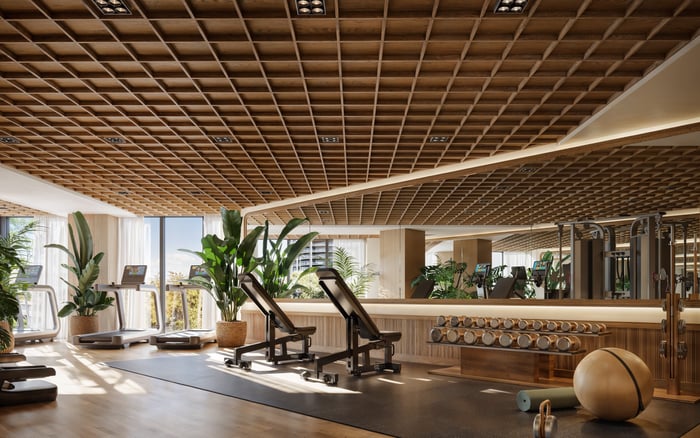
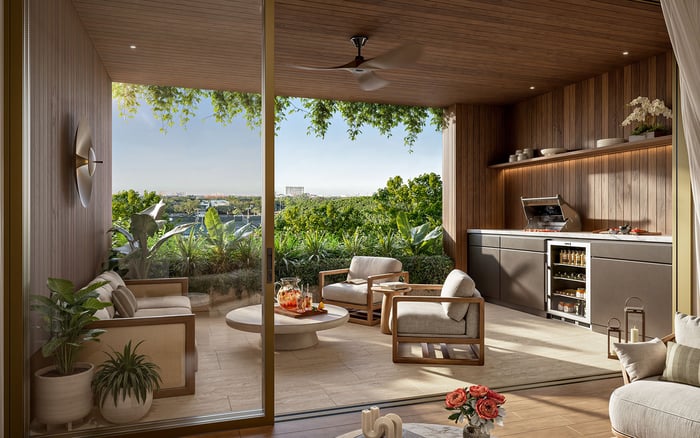
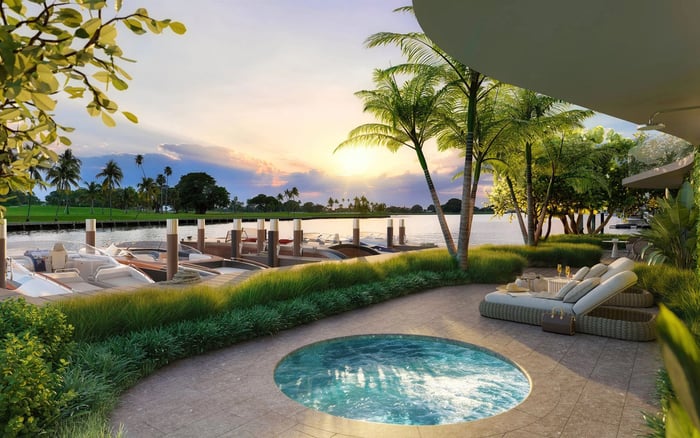
Hyperbaric oxygen therapy is moving from clinical settings into curated residential wellness, and for buyers, the real differentiator is not the chamber itself, but the maintenance culture around it. This editorial outlines what sophisticated purchasers should evaluate when a hyperbaric chamber is positioned as a signature amenity at The Well Coconut Grove: service cadence, safety governance, staff training, documentation, downtime planning, and how costs typically flow through operations and reserves. The result is a buyer-oriented framework to help residents protect both performance and privacy while keeping a high-touch amenity reliably available.
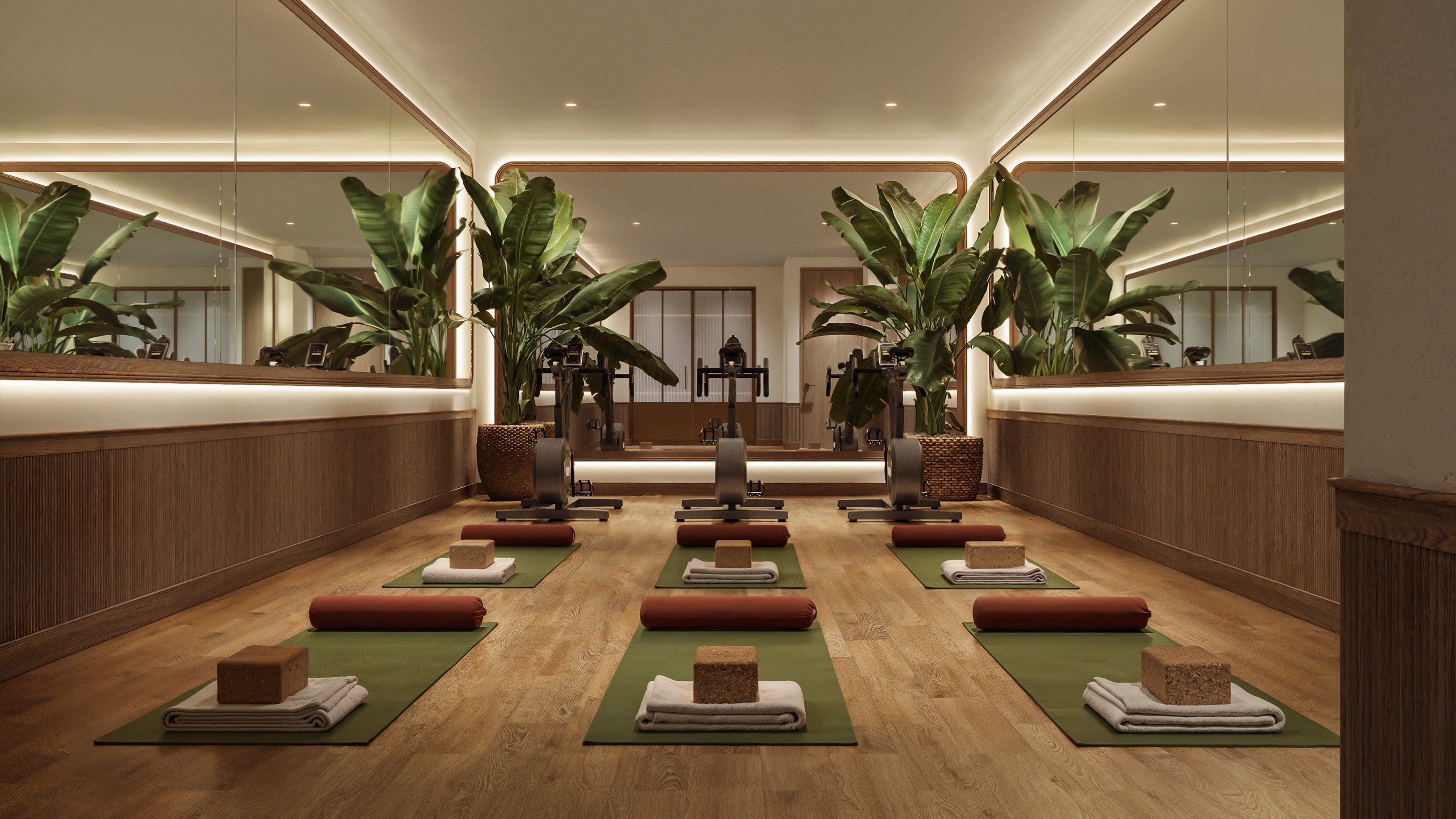
A hyperbaric chamber can read like a trophy amenity, but for an ultra-premium buyer, the real test is operational maturity. Unlike a lounge, a chamber functions more like medical-adjacent equipment: it involves pressure systems, oxygen-handling considerations, specialized cleaning requirements, and a user experience that depends on calibrated, repeatable performance.
At The Well Coconut Grove, the maintenance conversation ultimately comes down to three things: consistency, discretion, and risk management. Consistency protects the resident experience-sessions that start on time, performance that feels predictable, and a wellness team that knows how to set the space. Discretion protects privacy-fewer service surprises, fewer vendor arrivals at awkward hours, and tighter control over access to logs and scheduling systems. Risk management protects the asset and the building-clear protocols, documented oversight, and a practical approach to readiness.
For buyers evaluating wellness-forward buildings in Coconut-grove, hyperbaric upkeep deserves the same seriousness as elevator modernization, HVAC maintenance, and life-safety systems. The difference is that the performance standard is experienced personally, not simply observed.
Hyperbaric maintenance is not a single line item; it’s a chain of disciplines that must work in lockstep. During a tour, ask questions that reveal whether the building treats the chamber as a managed system rather than a novelty.
First, look for a maintenance program with a documented cadence. A premium operation can describe-without improvisation-what happens daily, weekly, monthly, and annually. The specifics may vary by chamber type, but the signal is the presence of repeatable routines.
Second, confirm who is responsible and who is accountable. “A vendor handles it” is not a complete answer. Clarify whether a dedicated wellness operator oversees the experience, whether engineering has a defined role, and how issues are escalated.
Third, evaluate cleanliness as a protocol, not a look. A chamber can appear pristine and still suffer from inconsistent sanitation. Ask how surfaces are cleaned between sessions, how linens or headsets are handled (if applicable), and what steps are taken to accommodate users with sensitivities.
Fourth, ask about calibration and performance verification. A high-performing amenity is supported by routine checks to confirm pressure delivery, alarms, and controls behave exactly as intended. In luxury, “it seems fine” is not a standard.
Finally, ask about downtime planning. Every advanced system needs service windows. Sophistication shows in how those windows are scheduled, communicated, and managed so residents don’t experience the amenity as frequently unavailable.
A well-run hyperbaric program in a residential setting should operate with clear boundaries: who can use it, under what conditions, and with what supervision. Buyers shouldn’t be seeking medical guidance during a sales conversation, but they can-and should-evaluate whether the building demonstrates a mature safety posture.
Look for visible structure. That can include sign-in procedures, rules of use, and staff presence that feels calm, consistent, and practiced rather than improvised. Strong governance also includes an incident plan: what happens if a resident feels unwell, how the chamber is stopped, and how staff coordinate next steps.
Equally important is oxygen and pressure discipline. Without getting into technical specifications, you can ask whether written procedures exist for oxygen handling, how access is controlled, and whether staff training is refreshed. A luxury buyer isn’t shopping for drama; they’re shopping for predictability.
In buildings where wellness is a brand pillar, the best operations also protect resident dignity. That means discreet scheduling, thoughtful transitions between users, and an environment that doesn’t feel like a clinic. The goal is high performance delivered with hospitality-level tact.
A hyperbaric chamber is only as reliable as the people running it. Even when an external specialist services the equipment, day-to-day readiness depends on staff who understand pre-session checks, cleaning routines, and how to respond when something is off.
Buyers should listen for redundancy. If a key staff member is away, does the amenity shut down-or is there cross-trained coverage? In ultra-premium residences, the operational expectation is continuity.
Also pay attention to the tone of training. The strongest programs feel closer to luxury hotel operations: consistent scripts, clear checklists, and quiet confidence. Where staffing is thin or training is casual, the experience can degrade quickly, and the chamber becomes a “nice-to-have” rather than a dependable ritual.
For perspective, consider how other South Florida buildings position experiential amenities. In Brickell, buildings such as 2200 Brickell often compete on curated lifestyle, which raises the bar for staffing and service culture even when the amenity category differs. The takeaway is transferable: service design matters as much as the hardware.
Luxury buyers are increasingly attuned to the invisible details: what touches skin, what circulates in enclosed spaces, and how consistent the reset feels between users. A hyperbaric chamber heightens those expectations because it is, by design, an intimate environment.
Ask how the building manages consumables and replacements. Over time, components that drive comfort-such as seals, cushions, or internal touchpoints-may require periodic replacement to maintain an “as-new” experience. A top-tier operation budgets for that reality.
Sanitation should be built around a predictable turn process. In a private-club or residential context, the standard is not merely “clean,” but “confidence-inspiring.” You should feel the team can explain what happens between sessions, how long the reset takes, and what would trigger a deeper clean.
Also ask how the chamber area is ventilated and how adjacent spaces are maintained. Buyers who value spa environments-such as those drawn to waterfront, resort-grade living at 57 Ocean Miami Beach-tend to notice when a wellness area feels overly humid, overly perfumed, or inconsistent in temperature control. High-end wellness is often defined by restraint.
In luxury real estate, documentation is confidence made tangible. Hyperbaric chamber upkeep should leave a paper trail: routine checks, service visits, parts replacement, and any periods of downtime.
A buyer doesn’t need proprietary details during a casual tour, but it is reasonable to ask whether logs are maintained and how oversight is handled. Consistency in the vendor team can support consistent outcomes.
Vendor management also shapes discretion. Scheduled maintenance during quiet hours, predictable access routes for technicians, and strict control over who enters back-of-house areas help preserve a residential atmosphere.
If you’re comparing Coconut-grove options, consider how “operational discretion” can differ between boutique buildings and larger, amenity-dense communities. A more intimate setting may offer tighter control, while a larger footprint may provide deeper staffing benches. Either can work-so long as the operating philosophy is clear.
Even wellness enthusiasts should stay pragmatic about cost. Hyperbaric chambers introduce operating expenses beyond electricity: service contracts, specialized cleaning, staff training, parts replacement, and potential upgrades.
For buyers, the practical questions are: How are these costs anticipated, and how are they distributed? In some communities, heavy-use amenities can become friction points if the broader resident base feels it is subsidizing niche experiences.
A mature approach typically includes: (1) transparent budgeting within operating expenses, (2) a reserve mindset for major component replacement, and (3) rules that reduce misuse and prevent avoidable cost inflation. The goal is to preserve the amenity without turning it into a surprise-assessment story.
Buyers evaluating buildings across Miami often see the same dynamic with other high-complexity amenities, from advanced-filtration pools to private screening rooms. In North-bay-village, for instance, larger mixed amenity sets in places like Continuum Club & Residences North Bay Village can make budgeting discipline even more important, because complexity compounds.
In ultra-premium wellness, privacy isn’t a perk; it’s a baseline. A hyperbaric chamber introduces added sensitivities because it can signal personal routines and, for some, personal health priorities.
Ask how scheduling works. Is it app-based, concierge-managed, or handled through a wellness desk? The method matters less than the protections: minimal exposure of resident names, clear cancellation policies, and a system that prevents overbooking.
Also ask about transitions between sessions. The best programs build in buffer time so residents aren’t funneled into the same corridor or made to feel rushed. That buffer also supports sanitation and equipment checks.
This is where design and operations meet. A beautifully finished room is only half of luxury; the other half is choreography. In Surfside or Bal-harbour-adjacent buildings where privacy culture is deeply ingrained, buyers often prioritize this choreography as much as finishes.
When you’re serious about a wellness-centric building, keep your questions specific and non-confrontational. The goal is to learn whether the team’s answers are consistent, documented, and calm.
Ask:
Who oversees the chamber day-to-day, and who steps in when they are away?
What is the standard maintenance cadence, and how is downtime communicated?
What is the sanitation reset process between sessions?
How are service records tracked, and who has access?
How is scheduling structured to protect privacy and avoid crowding?
If the answers feel rehearsed in the best way, that’s a positive signal. If the answers are vague, you may still love the building-but you should treat the amenity as aspirational rather than dependable.
As a final lens, consider how your lifestyle actually uses wellness. Some buyers want daily ritual; others want occasional access. Matching your usage profile to the building’s operating maturity helps you avoid paying for complexity you won’t use.
What does “maintenance” mean for a hyperbaric chamber in a condo setting? It typically includes routine inspections, cleaning and sanitation protocols, and scheduled servicing to keep performance consistent.
Should buyers expect the chamber to be available every day? Availability depends on staffing and service windows, so ask how downtime is scheduled and communicated to residents.
Is it reasonable to ask for service logs or documentation? Yes. It’s reasonable to ask whether logs exist and how oversight is handled, even if details aren’t shared casually.
Who usually runs a hyperbaric amenity in a residential building? Operations may be managed by a wellness team with support from building engineering and specialized vendors.
How important is staff training compared to the chamber brand? Training is critical because daily readiness, safety routines, and resident experience depend on competent on-site operation.
What should I look for in sanitation practices? Look for a consistent between-session reset process and clear answers about how surfaces and shared touchpoints are handled.
Will a hyperbaric chamber affect HOA costs? It can, due to service contracts, staffing, and parts replacement-so ask how costs are budgeted and reserved for.
How do buildings protect privacy around hyperbaric use? Strong programs use discreet scheduling, buffer times between sessions, and controlled access to booking information.
What is the biggest red flag during a tour? Vague answers about supervision, downtime, and procedures can signal the amenity is not managed as a critical system.
How should I compare wellness amenities across neighborhoods? Compare operating discipline and privacy design, not just the amenity list, especially when looking beyond Coconut-grove.
To compare the best-fit options with clarity, connect with MILLION Luxury.
If branded residences are on your mind — as a home or as an allocation — we would be glad to share what we are seeing, privately.
Begin a quiet conversation