A discreet buyer’s guide to evaluating formal dining potential in Midtown Miami residences, from floor-plan discipline and service flow to lighting, storage, acoustics, entertaining style, and resale relevance.
Formal dining has returned to the luxury conversation with a quieter, more discerning purpose. In Midtown Miami, where buyers often value art, design, entertaining, and proximity to the city’s cultural edge, the question is not simply whether a residence includes a dining area. The sharper question is whether the home can host with grace, separate everyday living from ceremonial moments, and support a lifestyle that feels composed rather than improvised.
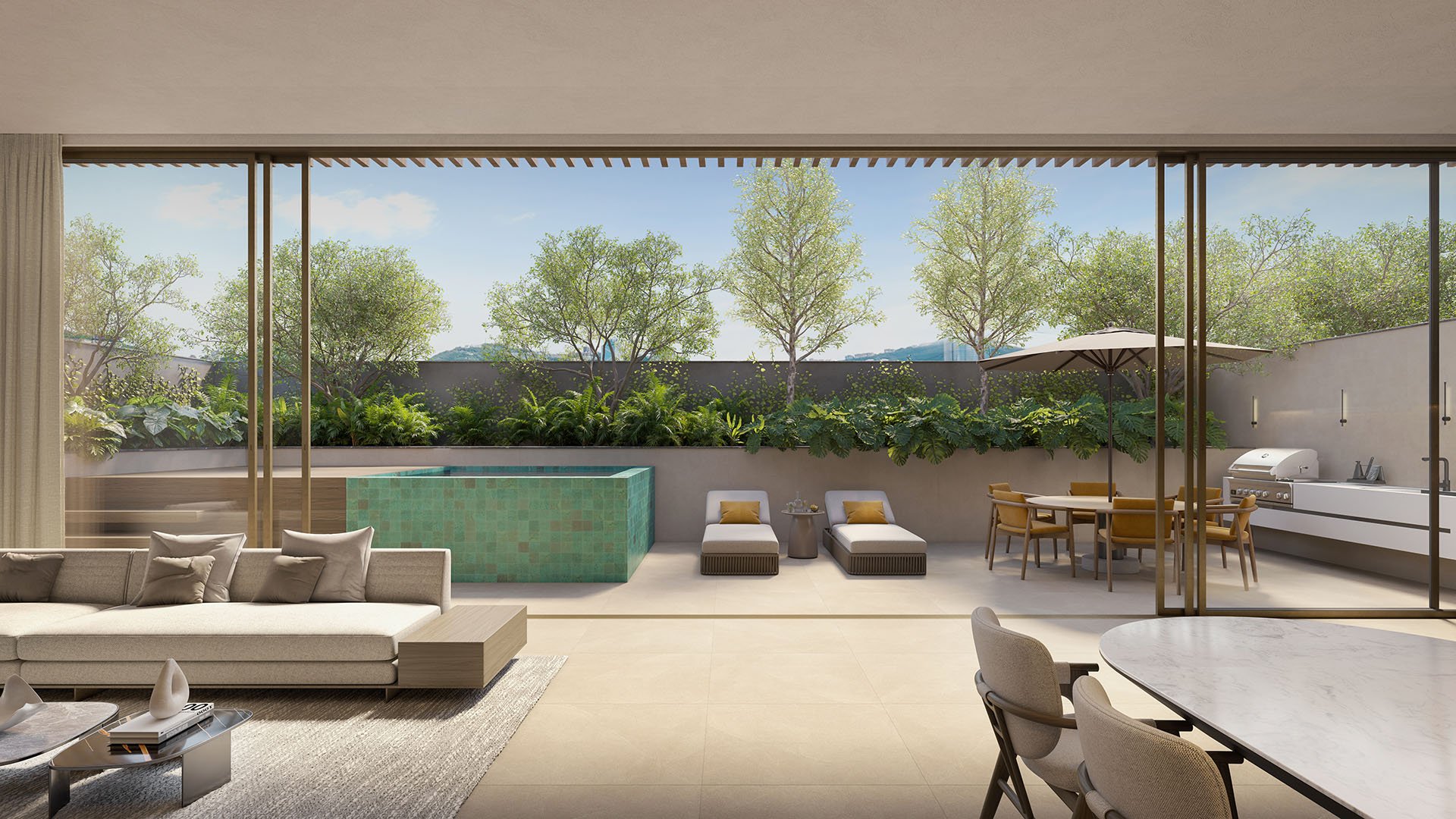
For many luxury buyers, formal dining is no longer the isolated room of an older estate. It may be a defined salon within an open plan, a gallery-like space adjacent to the kitchen, or a dining zone positioned to borrow views from a Terrace without competing with the living room. The best versions feel deliberate. They give dinner its own architecture, even when walls are minimal.
Midtown Miami sits within a lifestyle corridor where buyers often compare the energy of Wynwood, the waterfront mood of Edgewater, the commercial momentum of Downtown, and the polished verticality of Brickell. That comparison matters. Formal dining should not be judged in isolation. It should be evaluated against how the owner actually intends to live, whether that means intimate dinners, catered evenings, family holidays, art-focused entertaining, or a second-home rhythm built around weekends and seasonal guests.
A luxury residence can offer generous square footage and still lack a credible dining experience. Buyers should look for definition: a natural wall for art, a ceiling condition that can hold a chandelier or sculptural fixture, proportions that accommodate a table without forcing chairs into circulation paths, and sightlines that feel elegant as guests enter.
In an open plan, the dining area should not read as leftover space between the kitchen island and the sofa. It should have a center of gravity. That can come from a dropped ceiling, a niche, a change in flooring direction, a lighting plan, or simply a well-scaled rectangle that allows a table to sit with authority. The test is simple: imagine the table fully set, chairs pulled back, guests moving, and a host circulating. If the room feels strained, the dining function is undersized, even if the listing language sounds generous.
Buyers comparing new-construction residences should ask early about electrical locations, ceiling heights, lighting allowances, and whether the dining zone can support a fixture with presence. A formal dining space without the right lighting infrastructure can become expensive to correct, particularly when ceilings, sprinklers, or building systems limit modifications.
Formal dining succeeds when service feels effortless. In a Midtown Miami condo or townhouse setting, that often means examining how food, glassware, and guests move between the kitchen, dining area, powder room, and living space. A dramatic kitchen can be beautiful, but it should not force every catered moment into full view. Buyers who entertain often may prefer a layout with some visual screening, a secondary prep zone, or, at minimum, enough distance between the cooking area and the table to preserve atmosphere.
Ask where serving pieces will live. Ask whether a sideboard, credenza, or built-in bar can be placed without narrowing the room. Ask where wine refrigeration, pantry storage, and tableware will go. Formal dining is not only about the table. It is also about the choreography around the table.
Privacy matters as well. Some buyers love a dining space visible from the entry, especially if they plan to install a collectible table, a statement light, or major artwork. Others prefer the reveal to happen deeper inside the residence. Neither answer is universally better. The right answer depends on whether the home is meant to feel social from the threshold or more reserved until guests are fully inside.
In South Florida, indoor and outdoor living can blur beautifully, but formal dining needs balance. Too much glare can flatten the mood of a room. Too little natural light can make daytime meals feel secondary. Buyers should visit at the time of day they expect to use the space most, if possible, and pay attention to reflections, heat, window treatments, and how the dining table would sit in relation to glass.
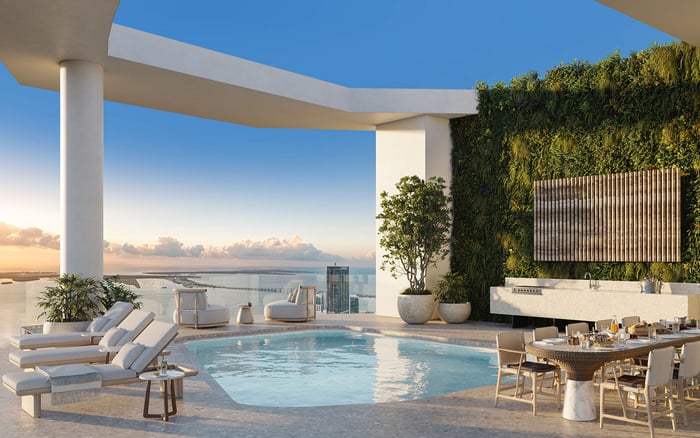
A Terrace can be a major asset when it extends the entertaining sequence. The ideal condition is not simply a dining table beside sliding doors. It is a layered experience: cocktails outside, dinner inside, conversation returning outdoors afterward. When the interior dining area and Terrace support each other, the residence gains both ceremony and ease.
Still, buyers should avoid assuming that outdoor space can replace formal dining. Weather, wind, humidity, and privacy can change the character of a meal. A truly luxurious residence gives the owner options. It allows the table inside to feel complete, while outdoor space adds another dimension rather than compensating for a weak plan.
The best way to evaluate formal dining is to mentally rehearse an evening. Where do guests place bags or jackets? Can they gather without blocking the kitchen? Is there a powder room nearby but not too exposed? Can music, lighting, and temperature be controlled without fuss? Are there places for flowers, candles, serving trays, and after-dinner drinks?
Acoustics deserve special attention. Open plans with hard floors, glass walls, and minimal furnishings can become loud quickly. Buyers should consider rugs, drapery, upholstered chairs, wall coverings, and art placement as part of the dining program. A formal dining area should encourage conversation, not require raised voices.
Scale is equally important. A table for eight in a sales plan may not function comfortably once real chairs, a chandelier, a rug, and circulation are considered. Luxury buyers should measure for the life they intend, not for the minimum furniture diagram. If the goal is frequent entertaining, comfort between seats and around the perimeter matters as much as the table count.
Midtown Miami offers a distinctly urban rhythm, and buyers should understand how that rhythm shapes the dining question. Compared with Brickell, the mood may feel less corporate and more design-forward. Compared with Downtown, it may feel more residentially edited. Compared with Edgewater, the dining conversation may be less centered on direct water views and more on interior composition, art walls, and access to surrounding neighborhoods. Compared with Wynwood, it can feel like a calmer base near cultural energy rather than directly within it.
These comparisons are useful because formal dining often reveals what a buyer really wants from Miami. A buyer who hosts collectors, founders, or family across long weekends may need a serious dining zone with storage and presence. A buyer who dines out most evenings may prefer a flexible dining-library concept, where the table can serve as a workspace, breakfast setting, or intimate dinner stage.
The goal is not to follow a trend. The goal is to choose a residence where the dining space aligns with the owner’s private rituals. In the luxury market, rooms that are both beautiful and believable tend to age better than rooms added only for marketing language.
Formal dining can support resale when it feels adaptable. Future buyers may not use a room in the same way, but they will recognize good proportions, strong lighting, privacy, and circulation. A dining space that can also become a library, media salon, art room, or generous office has more endurance than a narrow zone that can only hold one table in one position.
For Midtown Miami buyers, the most resilient dining spaces have architectural clarity. They offer enough wall area for art, enough ceiling presence for lighting, enough distance from the kitchen for mood, and enough openness to remain connected to daily life. They feel formal when dressed for dinner and relaxed when used on an ordinary morning.
Before making an offer, buyers should request a furniture plan or create one independently. They should verify dimensions, door swings, outlet locations, lighting options, and any limits on alterations. They should also think about storage in practical terms. China, linens, wine, serving pieces, candles, and seasonal décor all require a home of their own.
A formal dining area is one of the clearest signals of intention inside a luxury residence. It shows whether the floor plan understands hospitality, whether the architecture can hold ritual, and whether everyday life can be elevated without becoming theatrical. In Midtown Miami, where culture, design, and urban convenience meet, the strongest homes are not merely efficient. They know when to slow down.
For the right buyer, formal dining is not old-fashioned. It is a private luxury: a place to gather, to frame art and conversation, and to make a city residence feel complete.
Is formal dining still important for luxury buyers in Midtown Miami? Yes. Many buyers value a defined dining space because it supports entertaining, design, and a more composed daily lifestyle.
Does formal dining require a separate enclosed room? No. A formal dining area can work beautifully within an open plan if it has clear proportion, lighting, and spatial identity.
What is the first thing buyers should evaluate? Start with circulation. The table, chairs, kitchen access, and guest movement should all function comfortably at the same time.
How important is lighting over the dining table? Very important. Lighting creates the room’s mood and should be planned early, especially where ceiling conditions may limit changes.
Should the dining area connect to a Terrace? It can be highly desirable if the connection enhances entertaining without making the interior dining space feel secondary.
Can a dining space help resale? Yes, when it is flexible, well-proportioned, and usable for multiple lifestyles beyond formal dinners.
What storage should buyers think about? Consider space for tableware, linens, wine, serving pieces, candles, and seasonal entertaining items.
Are open kitchens a problem for formal dining? Not necessarily. The key is whether the kitchen supports service without overwhelming the dining atmosphere.
How should buyers compare Midtown Miami with nearby areas? Consider whether the lifestyle feels closer to Wynwood, Edgewater, Downtown, or Brickell, then match the dining space to that rhythm.
What makes a dining area feel truly luxurious? Proportion, privacy, lighting, acoustics, and ease of hosting matter more than simply claiming space for a large table.
When you're ready to tour or underwrite the options, connect with MILLION.
If branded residences are on your mind — as a home or as an allocation — we would be glad to share what we are seeing, privately.
Begin a quiet conversation