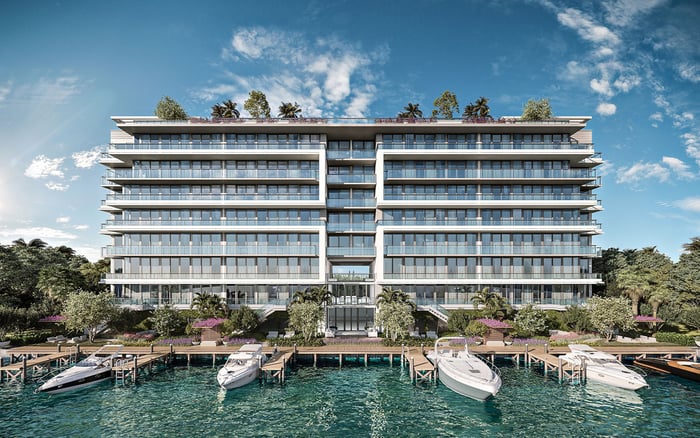
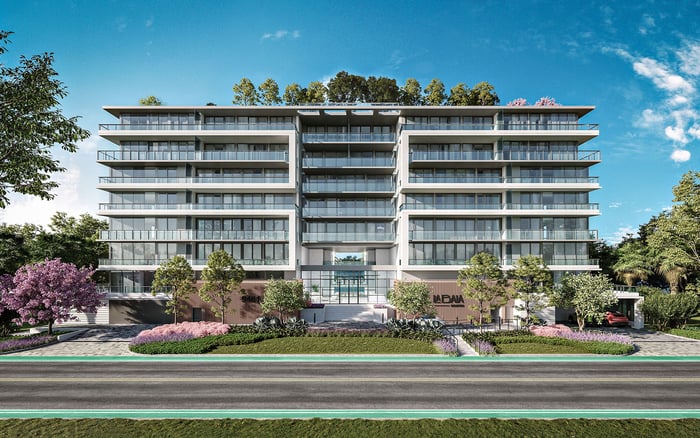
A buyer-focused guide to evaluating seawall condition, funding exposure, and long-term waterfront ownership risk at La Baia North in Bay Harbor Islands.
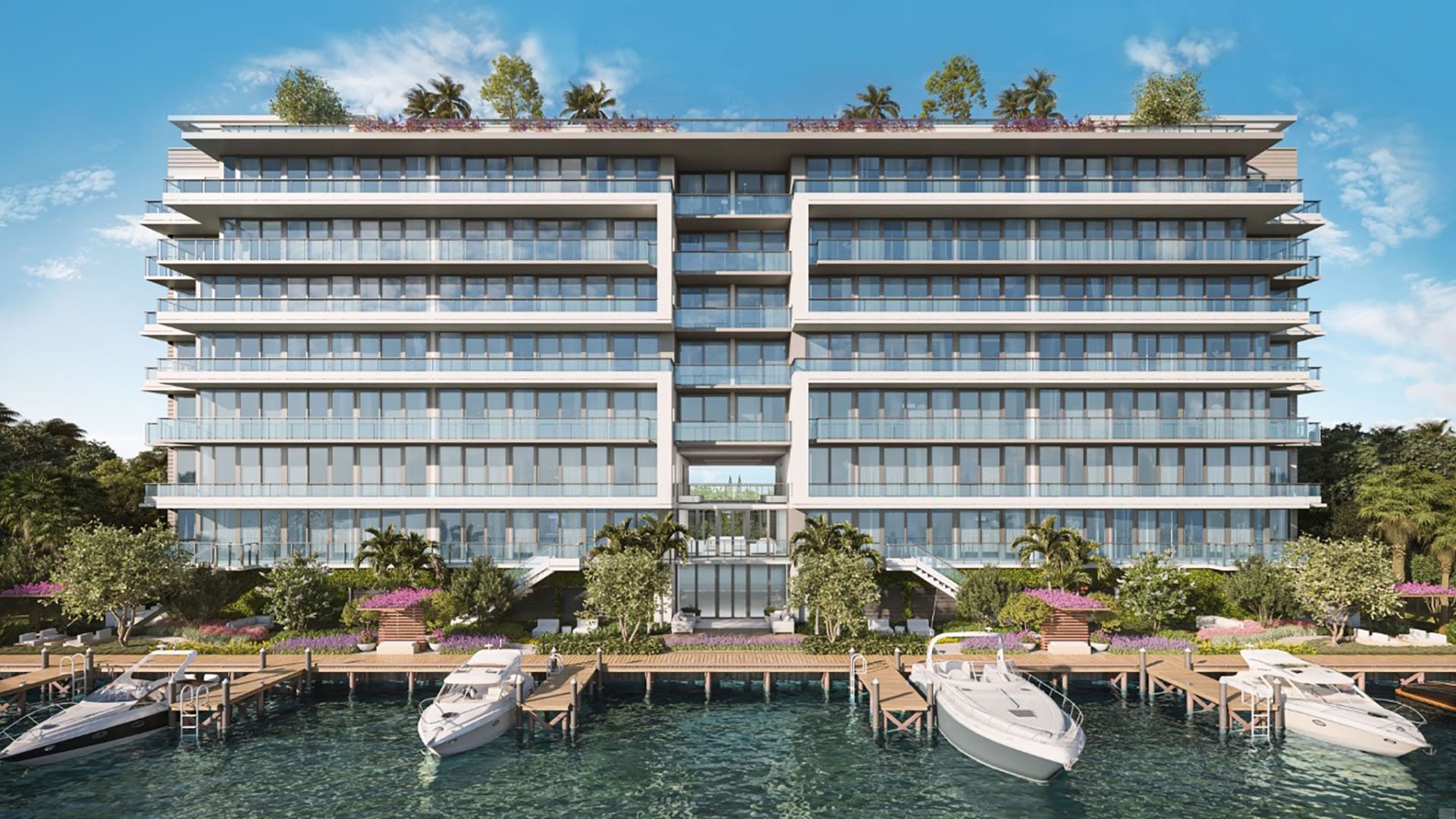
At La Baia North Bay Harbor Islands, the waterfront is not a decorative backdrop. It is central to the proposition. The project is positioned as a boutique waterfront development in Bay Harbor Islands, with direct bay frontage, unobstructed water views, and a lifestyle pitch that includes boat access. For the luxury buyer, that combination is compelling. It is also exactly why the seawall deserves scrutiny before the residence is treated as a complete acquisition decision.
Renderings can be persuasive. They can frame yachts in still water, show a crisp edge between residence and bay, and suggest an atmosphere of ease. What they cannot do is confirm how the seawall is designed, how it is maintained, who pays for future work, or whether repairs could become an ownership issue later. A seawall is not simply part of the view. It is part of the building’s waterfront infrastructure, and for a Bay Harbor buyer, it belongs in the same conversation as contract terms, association obligations, and long-term risk.
The clean waterfront line in marketing imagery should be read as a visual promise, not an engineering conclusion. A buyer should ask what sits behind that image: the seawall’s design assumptions, maintenance plan, funding structure, and allocation of responsibility. The more central the bayfront experience is to value, the more important it becomes to understand the physical systems that support it.
That is especially true at a project whose appeal is tied to waterview living and direct frontage. Unobstructed views and boat-oriented access elevate the emotional and resale profile of a residence, but they also increase the importance of the water’s edge. A buyer evaluating La Baia North should not stop at whether the seawall looks elegant. The better question is whether the seawall has been reviewed as an asset that may require future repair, reinforcement, or replacement.
Seawall diligence begins with responsibility. Buyers should clarify whether the seawall is treated as a common element, how maintenance is organized, and whether future repair or replacement obligations could affect owners through assessments or increased association costs. The objective is not to assume a problem. It is to identify who controls the risk and how that risk is funded.
The second question is condition. A buyer should request information that distinguishes appearance from performance. Has the seawall been evaluated in a way that addresses South Florida coastal realities, including recurring high tides, storm surge, and water-level pressure? Is there a maintenance framework that looks beyond the sales period and into the years when owners will bear the consequences of any deferred work?
The third question is negotiability. If documentation is incomplete, unclear, or subject to future association decisions, that does not automatically end the conversation. It does, however, belong in the acquisition strategy. A sophisticated buyer can use seawall clarity to shape contingencies, timing, closing comfort, and the scope of professional review.
Boat access is one of the most attractive elements of waterfront living in Bay Harbor Islands. It also heightens the importance of understanding the edge condition. Even when the lifestyle language is elegant, buyers should distinguish among access, amenity, and infrastructure. A boat-slip, docking arrangement, or boating convenience should never be assumed without reviewing the relevant governing documents and any applicable use limitations.
For buyers who intend to use the waterfront actively, seawall questions become practical rather than abstract. How is the waterfront edge managed? What maintenance standards apply? Could future work disrupt access or create cost exposure? These are not pessimistic questions. They are ownership questions, and in the ultra-premium market, clarity is part of luxury.
The most expensive seawall surprise is not always physical. Sometimes it is financial. A buyer should understand whether future seawall repair, replacement, or reinforcement could create special-assessment exposure. If the seawall is essential to the property’s waterfront experience, the cost of maintaining it cannot be treated as peripheral.
This is where the purchase conversation should become more disciplined. Review the documents that define owner obligations. Ask how capital needs are anticipated. Understand whether waterfront infrastructure is funded through regular budgeting, special assessments, or future decisions by the association. The answer matters because a residence can be visually pristine and still carry uncertainty if the underlying maintenance responsibilities are not clear.
For a marina-minded buyer, the issue is even more pronounced. Waterfront use, views, and access create a value premium, but that premium rests on a managed edge. The seawall is not merely the boundary of the property. It is part of the value system that supports the experience.
Seawall diligence should be conducted early enough to affect decision-making. Waiting until the emotional momentum of a purchase is complete can reduce leverage and compress judgment. The buyer’s team should identify which documents, professional opinions, and representations are needed before comfort becomes reliance.
A practical approach is to treat the seawall as a due diligence category, not a side question. Ask for documentation that describes design intent, current responsibility, and future maintenance expectations. If answers are not definitive, consider whether contract language, inspection rights, or closing conditions can reduce ambiguity. In luxury real estate, discretion does not mean passivity. It means asking better questions before the market forces a rushed decision.
The same thinking applies to resale. Future buyers will also care about the waterfront edge, especially if the residence is marketed around bay views and boating access. Clear seawall documentation today may support market confidence later. Unclear documentation may become a negotiation point for the next buyer.
The strongest buyers are not merely buying a view. They are buying an ownership position in a waterfront setting. At La Baia North, the rendering may capture the mood, but the seawall helps define the risk profile. That does not diminish the appeal of the project. It refines the way a buyer should evaluate it.
A disciplined review should focus on three ideas: condition, responsibility, and funding. Condition addresses whether the seawall is suited to recurring coastal pressure. Responsibility identifies who must maintain it. Funding determines whether future work could affect owners financially. Together, those points turn a visual feature into a concrete acquisition issue.
The result is a more intelligent form of confidence. The bay can still be the reason for desire. The seawall simply becomes the reason for diligence.
Why is the seawall important at La Baia North? The project’s appeal is tied to direct bay frontage, water views, and boat access, so the seawall is central to long-term ownership risk.
Do renderings confirm seawall condition? No. Renderings can show a clean waterfront edge, but they do not verify design, condition, maintenance, or funding.
What should buyers verify first? Buyers should clarify who is responsible for seawall maintenance and whether future repair or replacement costs could affect owners.
Could seawall costs lead to a special assessment? That is a key diligence question. Buyers should review whether future repair, replacement, or reinforcement could create owner exposure.
Should high tides and storm surge be part of the review? Yes. Buyers should ask whether the seawall is designed for recurring South Florida conditions, including tides, surge, and water pressure.
Is boat access enough to confirm waterfront usability? No. Boat access should be reviewed alongside governing documents, use rights, maintenance obligations, and any relevant limitations.
When should seawall diligence happen? It should happen before contract confidence hardens, so findings can inform negotiation, contingencies, and closing decisions.
Does seawall review reduce the appeal of the project? Not necessarily. It helps a buyer understand the infrastructure behind the waterfront lifestyle and price the risk more intelligently.
What are the three most important seawall questions? Condition, responsibility, and funding. Together, they define whether the seawall is only a visual feature or a managed ownership issue.
Should resale buyers care about seawall documentation? Yes. Clear documentation can support confidence for future buyers, while uncertainty may become a negotiation point later.
For a confidential assessment and a building-by-building shortlist, connect with MILLION.
If branded residences are on your mind — as a home or as an allocation — we would be glad to share what we are seeing, privately.
Begin a quiet conversation