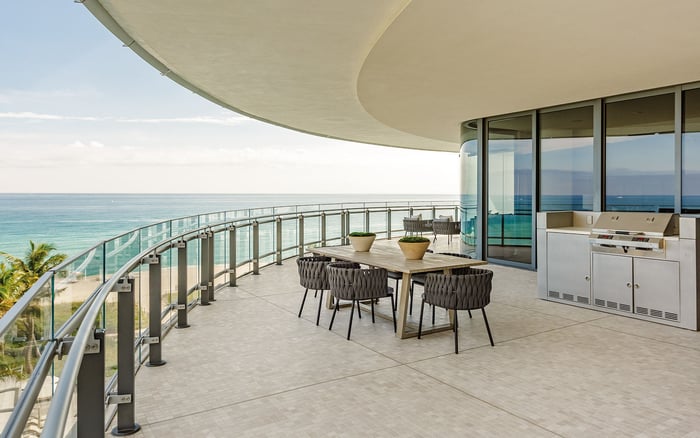
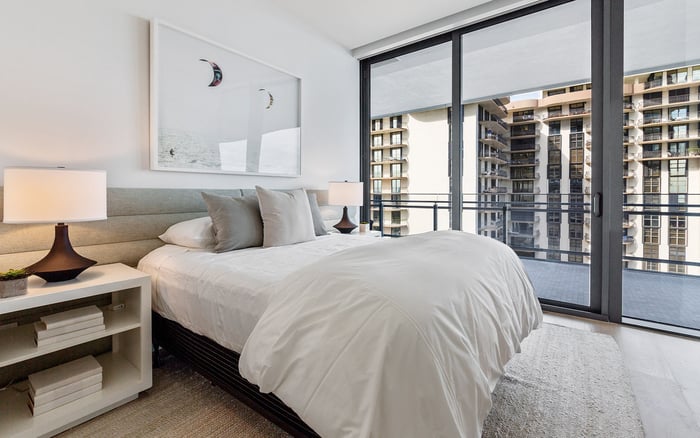
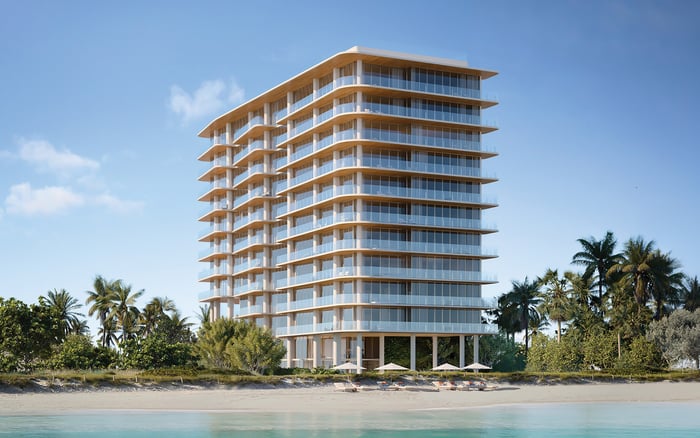
A buyer-focused look at how guest parking fits into the lock-and-leave promise at Eighty Seven Park Surfside, where arrival logistics, access control, and service expectations can shape the ownership experience.
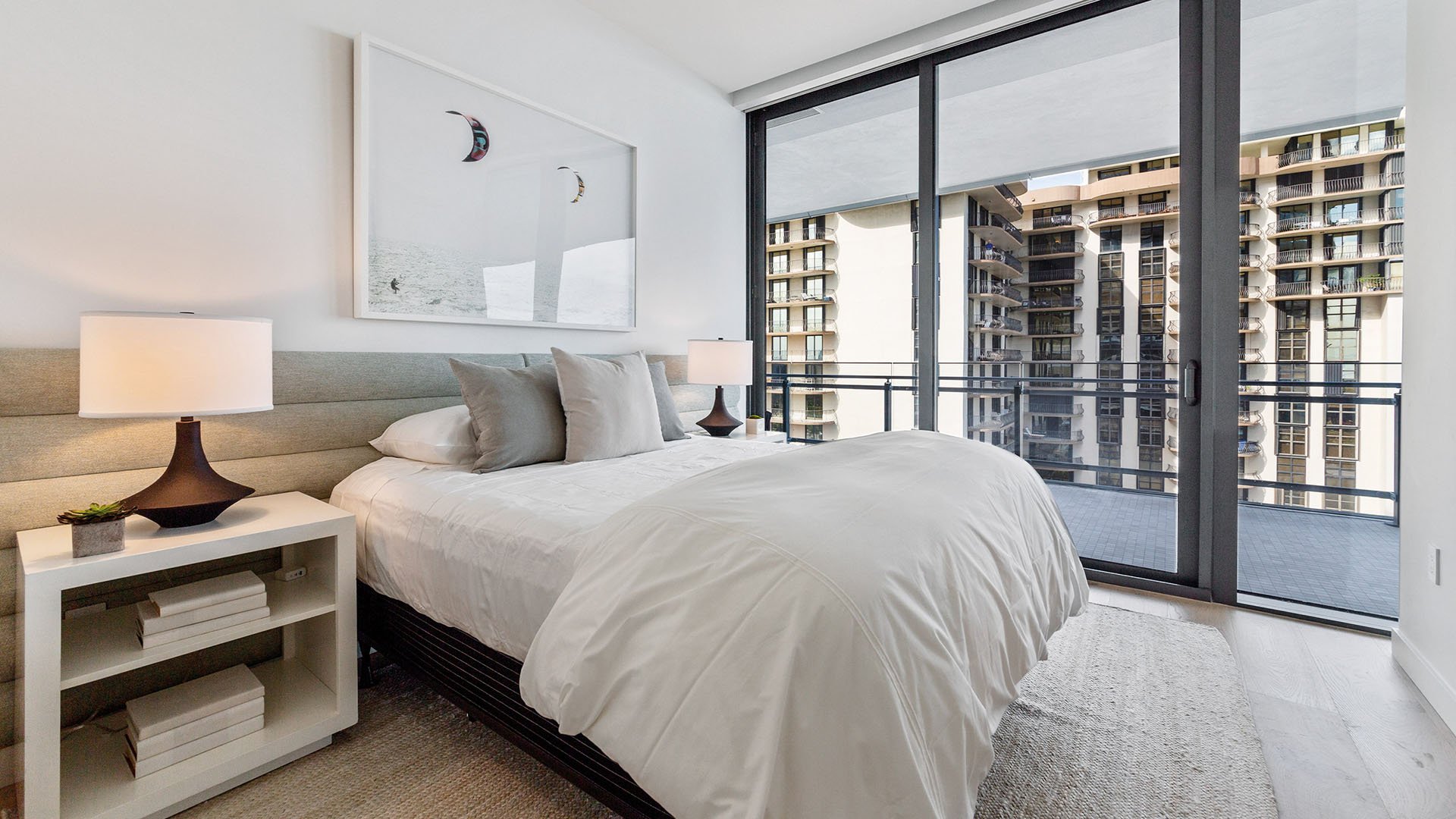
Eighty Seven Park Surfside raises a practical question for luxury condominium buyers: how smoothly does guest parking support a lock-and-leave lifestyle? For owners who may use a residence seasonally, the answer can matter as much as the more visible elements of design, views, and finishes.
Guest parking should not be treated as a presumed defect. It is a due-diligence item that belongs in the same conversation as access control, concierge coordination, service entry, maintenance routines, and building communication. In a privacy-minded luxury setting, visitor logistics are often intentionally managed, and a buyer should understand that structure before closing.
The central issue is simple: when family, friends, household staff, or service providers arrive, the process should feel clear, secure, and calm. A lock-and-leave owner needs confidence that the building can handle those arrivals even when the owner is traveling, away for the season, or not personally available to guide every detail.
At the upper end of the South Florida condominium market, parking is not just a place to leave a vehicle. It is part of the first impression. The arrival sequence can determine whether guests feel expected, whether staff can perform their duties efficiently, and whether the building’s security posture feels polished rather than confusing.
For a Surfside buyer, the question is not only whether guest parking exists. The more useful question is how it works. Buyers should ask where visitors are directed, whether valet procedures apply, whether advance notice is required, how overnight guests are handled, and what happens during busier seasonal periods.
The same review should apply to vendors and household support. Lock-and-leave ownership often depends on people who help maintain the residence while the owner is away. Designers, cleaning teams, appliance technicians, private chefs, care providers, and house managers may all require coordinated arrival procedures. If those steps are not clear, the convenience of second-home ownership can become less effortless.
Luxury condominium living depends on a careful balance. Owners want a gracious experience for invited guests, yet they also expect privacy, security, and a composed residential environment. Guest parking sits directly between those priorities.
A relaxed approach may feel convenient, but it can create uncertainty around access and accountability. A highly controlled approach may protect privacy, but it can frustrate owners if the rules are not communicated clearly. The best outcome is not informality; it is choreography. Owners, staff, and visitors should understand what to do before a car reaches the building.
That is especially important for lock-and-leave ownership. A resident who is away cannot personally resolve every arrival question. Written rules, staff protocols, and owner communication should work together so invited visitors and approved service providers can be handled without unnecessary stress.
A careful buyer should review the parking and access framework for the specific residence being considered. Start with resident parking. Confirm the number of spaces connected to the unit, the nature of those rights, and any restrictions that could affect daily use or a multi-car household.
Next, review guest procedures in operational terms. Ask where guests go, whether they must be registered in advance, whether valet is required or optional, and whether any time limits apply. A buyer who entertains frequently should also ask how the building handles simultaneous arrivals.
Overnight visitor rules deserve particular attention. A short dinner visit and a weekend stay are different scenarios. Buyers should ask whether overnight parking is permitted, whether approvals are required, and whether policies change during peak periods.
Vendor access should be part of the same review. If the residence will be used seasonally, the owner may rely on recurring maintenance and household support. The ability to coordinate those visits smoothly can be a meaningful part of the ownership experience.
Parking rules may not be the headline feature of a luxury listing, but they can influence how confidently a future buyer imagines daily life in the residence. Clear logistics support hosting, maintenance, security, and seasonal use. Unclear logistics can create hesitation late in the decision process.
For Eighty Seven Park Surfside, the lock-and-leave question is best viewed through the lens of use. How will the owner arrive? How will guests be received? How will service providers be managed? How will the residence function when the owner is away?
The goal is not to demand a casual access environment from a luxury building. A disciplined system can be a strength. The key is whether that system is transparent, consistently executed, and compatible with the buyer’s lifestyle.
Surfside appeals to buyers who want a refined coastal setting within the broader South Florida luxury market. In that context, a lock-and-leave residence should work quietly in the background. The owner should be able to arrive without drama, host without confusion, and leave knowing that access and maintenance remain coordinated.
Different buyers will weigh the parking question differently. A privacy-focused owner may prioritize controlled access. A family using the residence during holidays may need predictable guest procedures. An owner with regular household support may focus on vendor coordination. None of these priorities is wrong; each simply requires a different level of verification.
Guest parking is ultimately a proxy for operational elegance. At Eighty Seven Park Surfside, buyers should evaluate whether the arrival experience supports the same level of confidence they expect from the residence itself.
Is guest parking a confirmed problem at Eighty Seven Park Surfside? No. It should be reviewed as a due-diligence topic, not assumed to be a confirmed problem.
Why does guest parking matter for lock-and-leave owners? Owners who are not always in residence need clear procedures for guests, vendors, and service providers.
What should a buyer ask first about parking? The buyer should confirm the parking rights attached to the specific residence under review.
Should valet procedures be reviewed before purchase? Yes. Buyers should understand when valet is used, how guests are directed, and whether any advance coordination is needed.
Are overnight guest rules important? Yes. Overnight visitors can create different parking and access needs than short social visits.
How does security affect guest parking? A luxury building must balance a gracious welcome with privacy, controlled access, and resident peace of mind.
Should vendor parking be part of the review? Yes. Seasonal and second-home ownership often depends on smooth access for maintenance and household support.
Can parking procedures affect resale confidence? They can. Clear logistics help future buyers understand how the residence functions in real life.
What documents should buyers review? Buyers should review association rules, unit-specific parking details, guest procedures, and any relevant access policies.
What is the best way to shortlist comparable options for touring? Start with location fit, delivery status, and daily lifestyle priorities, then compare stacks and elevations to validate views and privacy.
To compare the best-fit options with clarity, connect with MILLION.
If branded residences are on your mind — as a home or as an allocation — we would be glad to share what we are seeing, privately.
Begin a quiet conversation