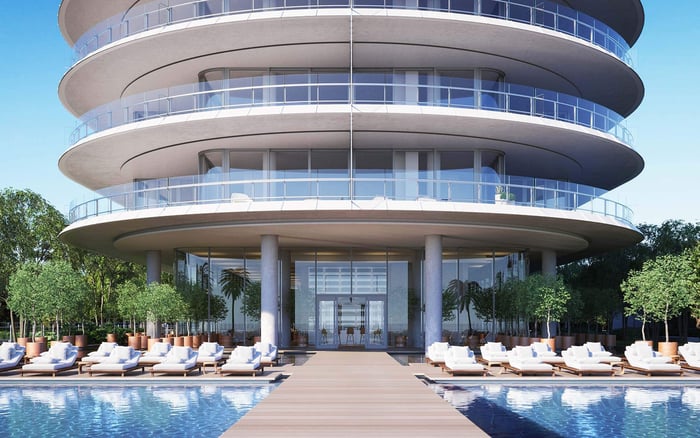
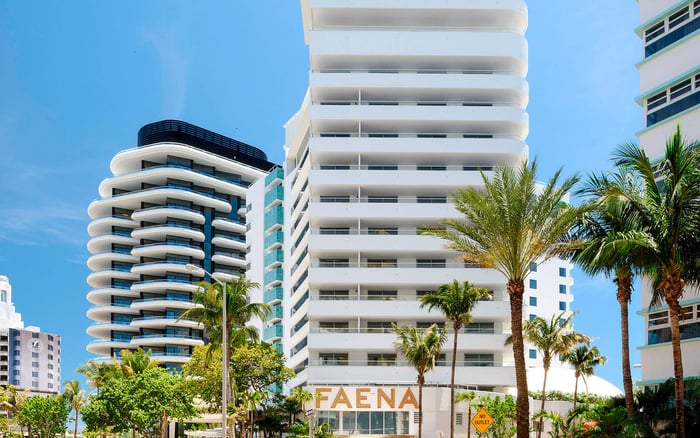
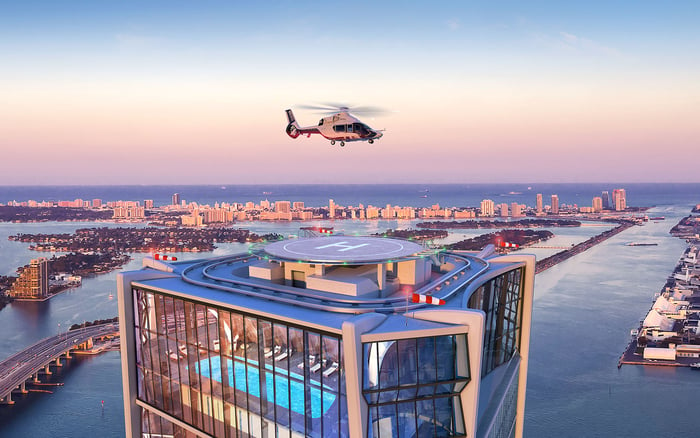
A buyer-oriented examination of Eighty Seven Park Surfside and the operational discipline required for true lock-and-leave confidence in South Florida luxury condo ownership.
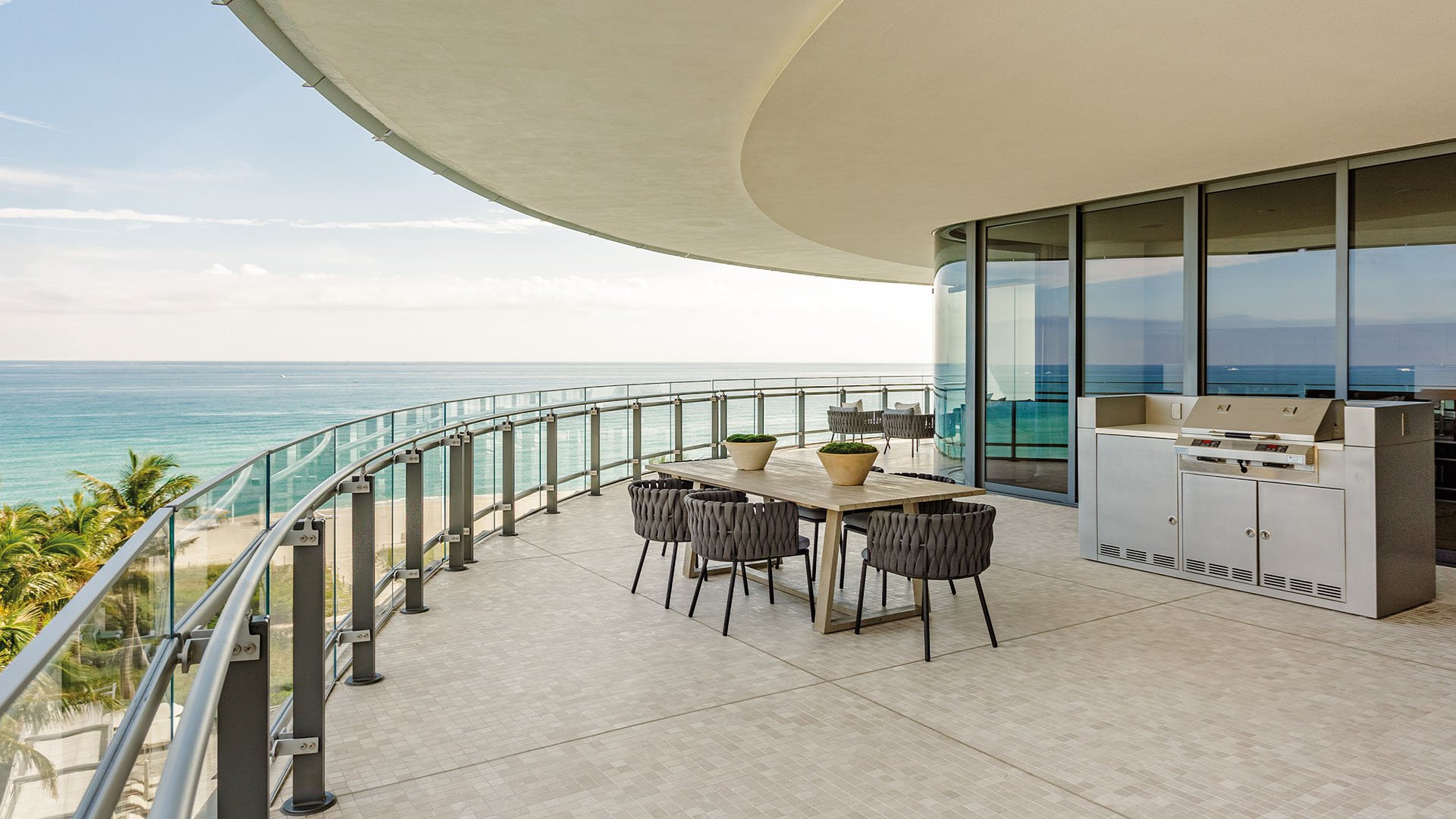
For the global buyer, South Florida has long promised a specific kind of ease: arrive for the season, open the door, and return to a life already in motion. At Eighty Seven Park Surfside, that promise carries particular weight because the building sits in the ultra-luxury oceanfront conversation between Surfside and Miami Beach, where design, privacy, and proximity to the water shape the emotional case for ownership.
But sophisticated buyers now ask a quieter, more consequential question. Can a residence be left behind for weeks or months with confidence that the asset, the systems, and the daily realities of the building will continue to perform? That is the lock-and-leave question behind the lifestyle.
Lock-and-leave confidence is not simply about a concierge taking packages or a doorman recognizing an owner. It is the ability to depart while expecting security, maintenance continuity, and asset preservation with minimal intervention. In that sense, Eighty Seven Park Surfside is best understood not merely as a beautiful address, but as a case study in how luxury condominium ownership should be evaluated when the owner may live elsewhere for much of the year.
There are two versions of lock-and-leave living. The first is lifestyle-driven. It asks whether the residence feels effortless: whether the arrival sequence is calm, whether services are intuitive, and whether the home can be enjoyed without the friction of a single-family property. This is the version most buyers imagine when they think of a seasonal condominium on the coast.
The second is operational. It asks whether the building itself can support absence. That means access control, surveillance, staffing, elevator dependability, alarm responsiveness, water-intrusion controls, and the broader maintenance culture that protects both the individual residence and the common asset. This is where the conversation becomes less glamorous, but far more important.
In Surfside, comparison shopping often moves between design-led buildings and established luxury addresses. Buyers may look at Arte Surfside or Fendi Château Residences Surfside while weighing privacy, service, and the operational demands of coastal condominium ownership. The essential point is not that one building can be reduced to another, but that each should be evaluated through the same disciplined lens.
Security is typically the first lock-and-leave topic because it is visible. Buyers naturally look for controlled entry, monitored access, lobby presence, and staff awareness. For an absentee owner, those elements matter because the residence is not merely unoccupied overnight; it may be unoccupied through humidity cycles, storms, deliveries, service appointments, and long intervals between visits.
Yet physical security is only the first layer. True confidence also requires clear protocols. Who can enter the residence? How are vendors handled? What happens if an alarm is triggered? How does management communicate with an owner in another city or another country? These questions should be asked before purchase, not after the first extended absence.
Oceanfront ownership adds a second dimension. Salt air, moisture, wind exposure, and building-envelope performance make routine oversight more important than in many inland settings. The glamour of beach access is real, but the buyer’s due diligence should include a practical understanding of how the building maintains common areas, monitors systems, and communicates service matters to owners.
In the upper tier of the condominium market, mechanical reliability is part of the amenity package, even when it is not marketed that way. Elevators, fire alarms, water-management systems, access systems, and other building infrastructure determine how smoothly an absentee owner’s life functions. If those systems are inconsistent, the owner may become more involved from afar than expected.
This is why buyers should look beyond finishes. A terrace may sell the dream, but building systems preserve the asset. A pool may shape the daily experience, but governance and maintenance determine whether the lifestyle remains seamless over time. Resale buyers, in particular, should understand not only what the residence looks like today, but how the building is maintained and funded for tomorrow.
The same scrutiny applies across the Miami Beach luxury corridor. A buyer considering 57 Ocean Miami Beach may be drawn to the coastal lifestyle while still asking the same operational questions: how is access managed, how are emergencies escalated, and how does the association maintain continuity when many owners are seasonal?
Condominium governance is the hidden architecture of lock-and-leave ownership. Absentee owners rely heavily on the association, management, and building staff to handle preventive maintenance, compliance, and common-area discipline. The owner may control the interior residence, but the broader experience depends on collective decision-making.
That is why financial resilience belongs in the same conversation as design. A building’s ability to fund repairs, reserves, insurance obligations, and required upgrades is not an abstract concern. It influences the long-term experience of ownership and the confidence with which an owner can leave a residence unattended.
This does not mean every buyer must become an engineer or a board specialist. It does mean luxury buyers should ask for the right documents, read them with qualified advisers, and understand the cadence of maintenance, capital planning, and communication. The most elegant building can still disappoint an absentee owner if governance is reactive rather than disciplined.
Eighty Seven Park Surfside should be framed with balance. Its appeal is tied to high-design oceanfront living near Surfside and Miami Beach, and it naturally speaks to the second-home buyer who wants the South Florida residence to be ready when they are. But stronger buyer analysis does not stop at architecture or amenities.
The question is whether the property supports the psychological comfort of departure. That comfort comes from evidence: staffing patterns, access procedures, maintenance records, association discipline, building-system reliability, and the financial capacity to respond to future needs. Buyers should verify rather than assume.
The post-Surfside environment has made this scrutiny more pronounced across coastal condominium ownership. Without turning every purchase into a risk exercise, serious buyers are more attentive to structure, governance, insurance, reserves, and the practical costs of maintaining buildings in a demanding coastal setting. That shift is healthy. It rewards buildings and associations that operate with seriousness, and it gives buyers a more complete picture of what they are acquiring.
Nearby luxury references, from The Surf Club Four Seasons Surfside to newer conversations across Miami Beach and Bal Harbour, reinforce the same lesson. At this level, ownership is not just a view or a brand association. It is a service ecosystem, a financial structure, and a maintenance culture working together while the owner is away.
For a lock-and-leave buyer, the most useful questions are direct. How is building access controlled? What is the protocol for vacant residences? Are owners expected to arrange private residence checks, or does the building offer defined support? How quickly does management communicate issues? What systems are monitored, and who responds when something fails?
Financial questions are equally important. Buyers should understand association funding, reserve posture, insurance obligations, and anticipated capital needs with professional guidance. These items may feel less seductive than a lobby, spa, or view corridor, but they are often what determine whether ownership remains effortless.
Finally, buyers should distinguish between convenience and confidence. Convenience is what happens when staff make daily life pleasant. Confidence is what remains when the owner is not there to observe the building at all. Eighty Seven Park’s lock-and-leave question is therefore the right question for any serious coastal condominium purchase: not simply, “Do I love arriving here?” but, “Can I leave with equal confidence?”
What does lock-and-leave confidence mean for Eighty Seven Park Surfside? It means an owner can depart for weeks or months while expecting security, maintenance continuity, and asset preservation with limited personal oversight.
Is lock-and-leave living only about concierge service? No. Concierge service matters, but access control, building systems, management protocols, and association governance are equally important.
Why is mechanical reliability important for seasonal owners? Elevators, alarms, water controls, and other systems affect how well the building performs when an owner is away and unable to respond personally.
Should buyers review condominium governance before purchasing? Yes. Absentee owners depend heavily on the association and management to handle maintenance, compliance, communication, and long-term planning.
How does financial resilience affect lock-and-leave confidence? A building needs the capacity to fund repairs, reserves, insurance, and required upgrades so ownership does not become unexpectedly burdensome.
Is Eighty Seven Park Surfside best viewed as a primary home or second home? The lock-and-leave analysis is especially relevant for seasonal and second-home owners, though full-time residents benefit from the same operational discipline.
What should buyers ask about security? They should ask about access control, staff coverage, vendor procedures, surveillance practices, and how management responds to unusual activity.
Why does coastal location change the due diligence? Coastal buildings face exposure to salt air, moisture, and weather, making preventive maintenance and clear communication especially important.
Can design quality replace operational due diligence? No. Design may create desire, but systems, governance, and funding determine whether the ownership experience remains dependable over time.
What is the key buyer takeaway? Treat lock-and-leave confidence as a measurable ownership standard, not a marketing phrase, and verify the building’s procedures before purchase.
When you're ready to tour or underwrite the options, connect with MILLION.
If branded residences are on your mind — as a home or as an allocation — we would be glad to share what we are seeing, privately.
Begin a quiet conversation