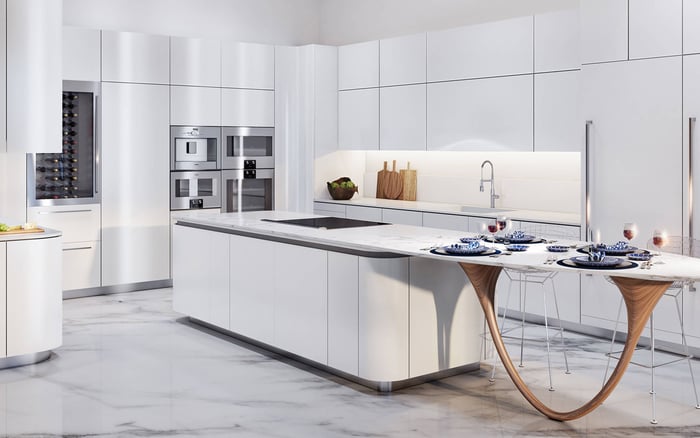
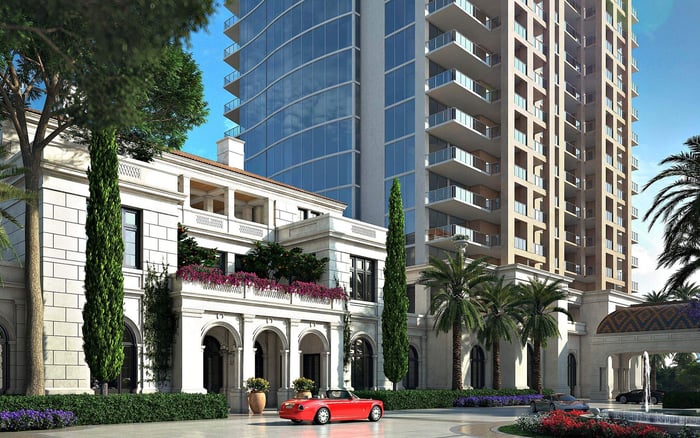
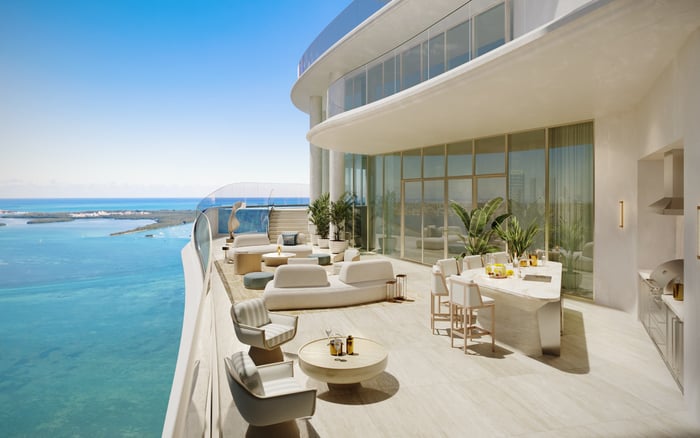
For serious collectors, the luxury condo search in Sunny Isles Beach is less about square footage alone and more about light, privacy, wall discipline, service access, climate control, and the daily ritual of living with art.
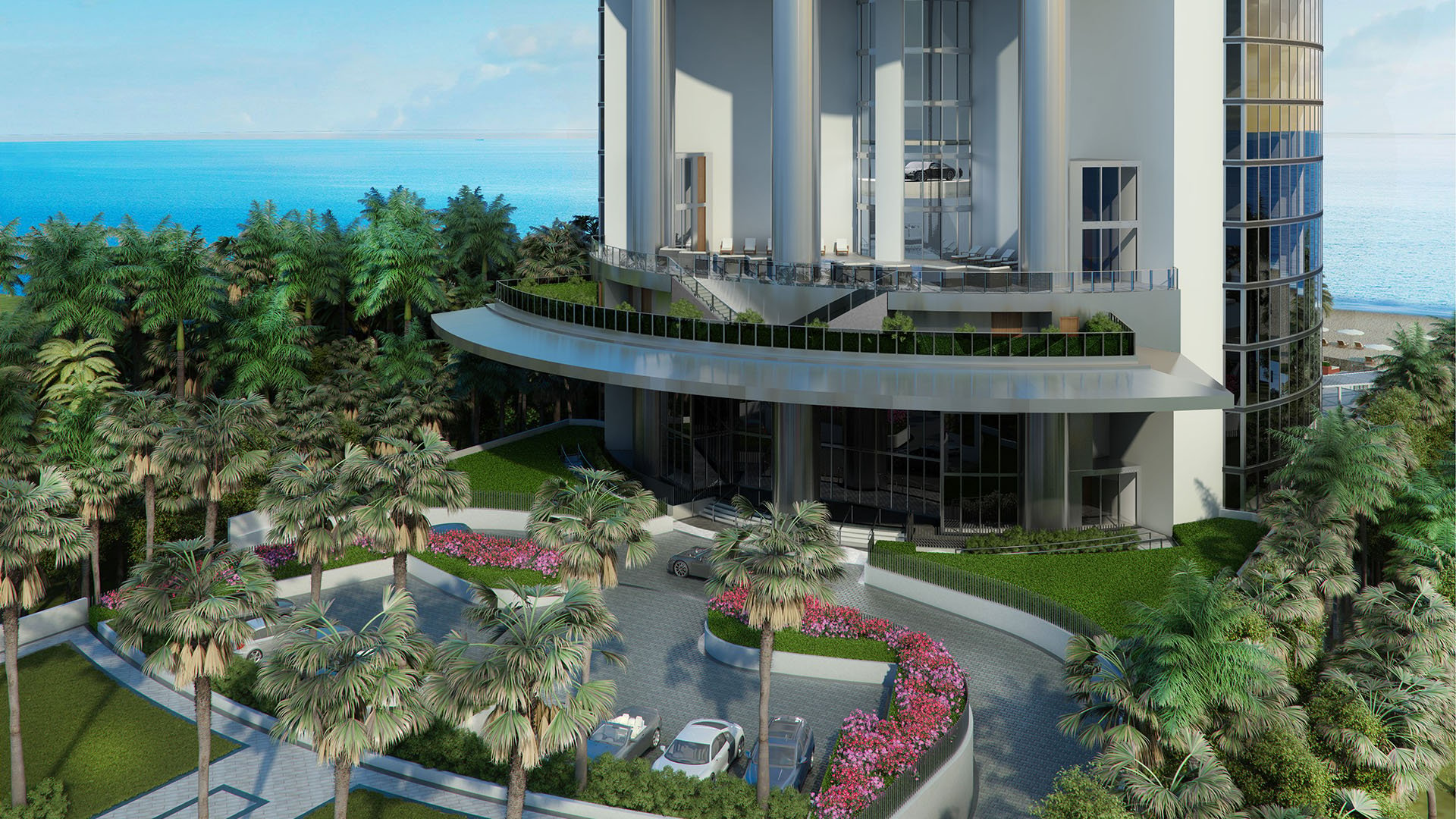
For a collector, a condominium is never only a place to sleep, entertain, and look at the water. It is a private gallery, a conservation environment, a receiving room, a working backdrop for advisors, and a setting where meaningful objects become part of daily life. In Sunny Isles Beach, that distinction can reshape the entire search.
The typical luxury buyer may begin with views, building stature, floor height, and amenity preferences. The art-focused buyer still values those elements, but starts with a more exacting question: can the residence support the collection without compromise? The answer depends on how light enters the home, how walls are proportioned, how circulation functions, how secure deliveries are handled, and how comfortably the residence can host both quiet viewing and social entertaining.
This is where the search becomes more disciplined. A dramatic glass wall may be spectacular at sunset, yet it can reduce usable hanging space. A deep Terrace may create a beautiful indoor-outdoor rhythm, yet the transition between exterior light and interior display requires thought. A double-height room may flatter sculpture, while a narrow corridor may limit large-format works. The best residence is not necessarily the largest. It is the one whose architecture allows the collection to breathe.
Oceanfront living is one of the defining aspirations of Sunny Isles Beach, but art collectors learn quickly that more glass is not always more useful. Light should be evaluated by orientation, intensity, reflection, and how it changes throughout the day. A residence that feels luminous during a first showing may require careful planning if paintings, works on paper, photography, textiles, or sensitive materials are part of the collection.
The goal is not to reject glass or views. It is to control them. A buyer comparing Jade Signature Sunny Isles Beach with The Ritz-Carlton Residences® Sunny Isles may think less like a tourist and more like a curator. Which living wall can hold a major work without competing with the horizon? Which room has the calmest light for a smaller grouping? Where can sculpture sit without interrupting everyday movement?
Waterfront drama can be extraordinary when paired with restraint. In collection-aware interiors, the view should not defeat the art, and the art should not fight the view. The strongest homes allow both to have their moments.
Collectors often discover that wall space is a luxury category of its own. Clean planes, appropriate ceiling heights, and balanced room proportions can matter as much as finishes. A residence with abundant glazing and fragmented walls may be less useful than one with fewer visual gestures and stronger display opportunities.
The Penthouse conversation sharpens the point. Higher floors may offer grandeur, privacy, and views, but the buyer still needs to study the plan. Does the elevator arrival create a moment for a statement piece? Is there a long wall for a salon-style installation? Can large works move from service entry to final placement without awkward turns? Is there a room where a collection can feel intimate rather than merely impressive?
At Turnberry Ocean Club Sunny Isles or Regalia Sunny Isles Beach, the collector’s tour should be slower than a conventional showing. It should include pauses at walls, corners, elevator approaches, and thresholds. The question is not only where art will hang. It is how art will be encountered.
Design & Architecture become practical tools when a residence is being chosen for art. The best interiors do not simply provide a neutral shell. They provide rhythm. They guide the eye from entry to living room, from dining room to private wing, from morning light to evening atmosphere.
This is especially important for collectors who live with a range of media. Paintings may need calm walls. Sculpture may need clearance and negative space. Photography may benefit from controlled illumination. Ceramics, design objects, and rare books may require millwork, recessed niches, or rooms that feel protected rather than exposed.
A building such as Armani Casa Sunny Isles Beach can enter the conversation not merely as a brand address, but as part of a broader design filter. A collector should ask whether the residence’s architectural language complements the collection’s personality. Minimalist work may want precision and quiet. Figurative work may want warmth. Contemporary design objects may thrive in rooms with strong geometry. The search becomes less about decoration and more about alignment.
The practical side of collecting is often invisible until it matters. A serious buyer should consider how works enter the building, how vendors are received, how packing materials are managed, and how discreetly advisors can visit. Privacy is not just social discretion. It is operational control.
For a collector, service access can influence daily comfort. Large works may need careful handling. Installers may require space to stage, measure, and move. If a residence has delicate flooring, narrow entries, or complicated access routes, installation can become unnecessarily stressful. These details should be reviewed before a contract, not after closing.
Security is also part of the lifestyle equation. The art-focused buyer is not only protecting objects, but protecting routines. Who comes and goes, how deliveries are scheduled, and how private spaces are separated from entertaining areas all affect long-term satisfaction.
Many collectors buy in Sunny Isles Beach because they want a residence that can host beautifully. Yet entertaining with art requires a different reading of space. A cocktail party should not place guests too close to vulnerable works. A dining room should allow conversation without turning the collection into background noise. A living room should feel generous, but not so open that art loses intimacy.
This is where furniture planning and acquisition strategy meet. If the residence has a major wall that can anchor the room, the buyer may choose fewer, stronger pieces. If the plan is fluid and glassy, sculpture or design objects may do more work than paintings. If the Terrace is central to the evening experience, interior display should be positioned to hold attention when guests move back inside.
A collection-aware home does not need to feel like a museum. The most successful ones rarely do. They feel personal, layered, and lived in, with enough discipline to preserve the quality of both the art and the architecture.
Before choosing a Sunny Isles Beach condo, collectors should walk the residence at different times of day when possible, study natural light, and identify primary and secondary display zones. They should review wall dimensions, ceiling conditions, lighting infrastructure, humidity control expectations, and the path from service entry to installation point.
They should also consider the future. Collections change. A buyer may begin with paintings and later acquire sculpture. A modest photography group may become a significant body of work. A residence that offers flexibility will age better with the owner’s taste.
The right search is both emotional and technical. The emotional response confirms that the home feels right. The technical review confirms that the collection can live there intelligently.
Why should art collectors search differently in Sunny Isles Beach? Art changes the priorities from views and finishes alone to light, wall space, privacy, installation access, and environmental comfort.
Is Oceanfront living difficult for collectors? Not necessarily. Oceanfront residences can work beautifully when natural light, glare, and display walls are evaluated with care.
Should a buyer prioritize wall space over views? The best answer is balance. A strong residence lets the collection and the view support each other rather than compete.
Does a Penthouse always make sense for an art collector? A Penthouse can offer scale and privacy, but the floor plan, wall continuity, and access path are just as important as elevation.
How important is a Terrace for collectors? A Terrace can enhance lifestyle and entertaining, but interior display zones should still feel protected, calm, and intentional.
What should collectors ask during a private showing? They should ask how large works enter, where staging can occur, how lighting can be adjusted, and which walls are most useful.
Can a glass-heavy condo still support art? Yes, if the plan includes enough protected walls, controlled lighting options, and thoughtful placement strategies.
Why does Design & Architecture matter to collectors? Architecture shapes how art is seen, approached, and remembered, which directly affects daily enjoyment of the collection.
Are branded residences useful for art-focused buyers? They can be, especially when the design language, service standards, and private residential experience align with the collection.
What is the simplest art-first buying rule? Choose the residence that protects the work, supports the way you live, and still feels emotionally compelling.
For a confidential assessment and a building-by-building shortlist, connect with MILLION.
If branded residences are on your mind — as a home or as an allocation — we would be glad to share what we are seeing, privately.
Begin a quiet conversation