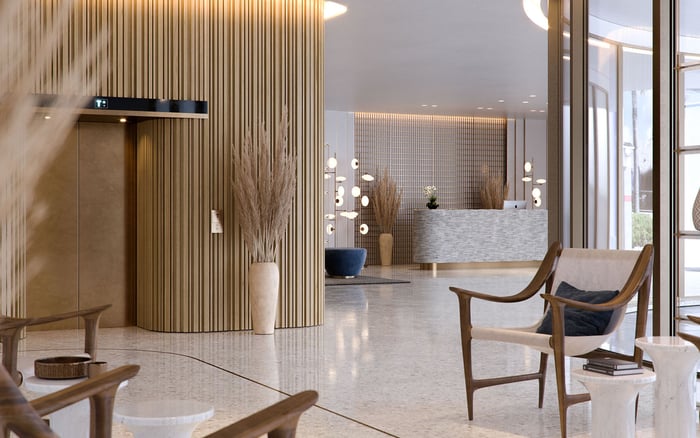
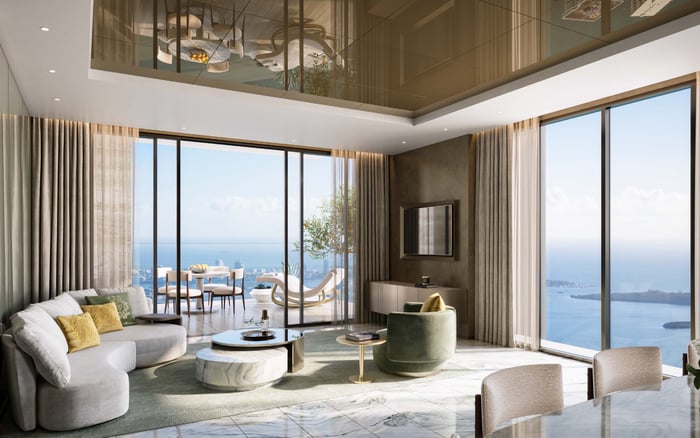
A practical luxury-buyer framework for evaluating morning light in South Florida residences, from orientation and glazing to terraces, bedrooms, privacy, and resale clarity.
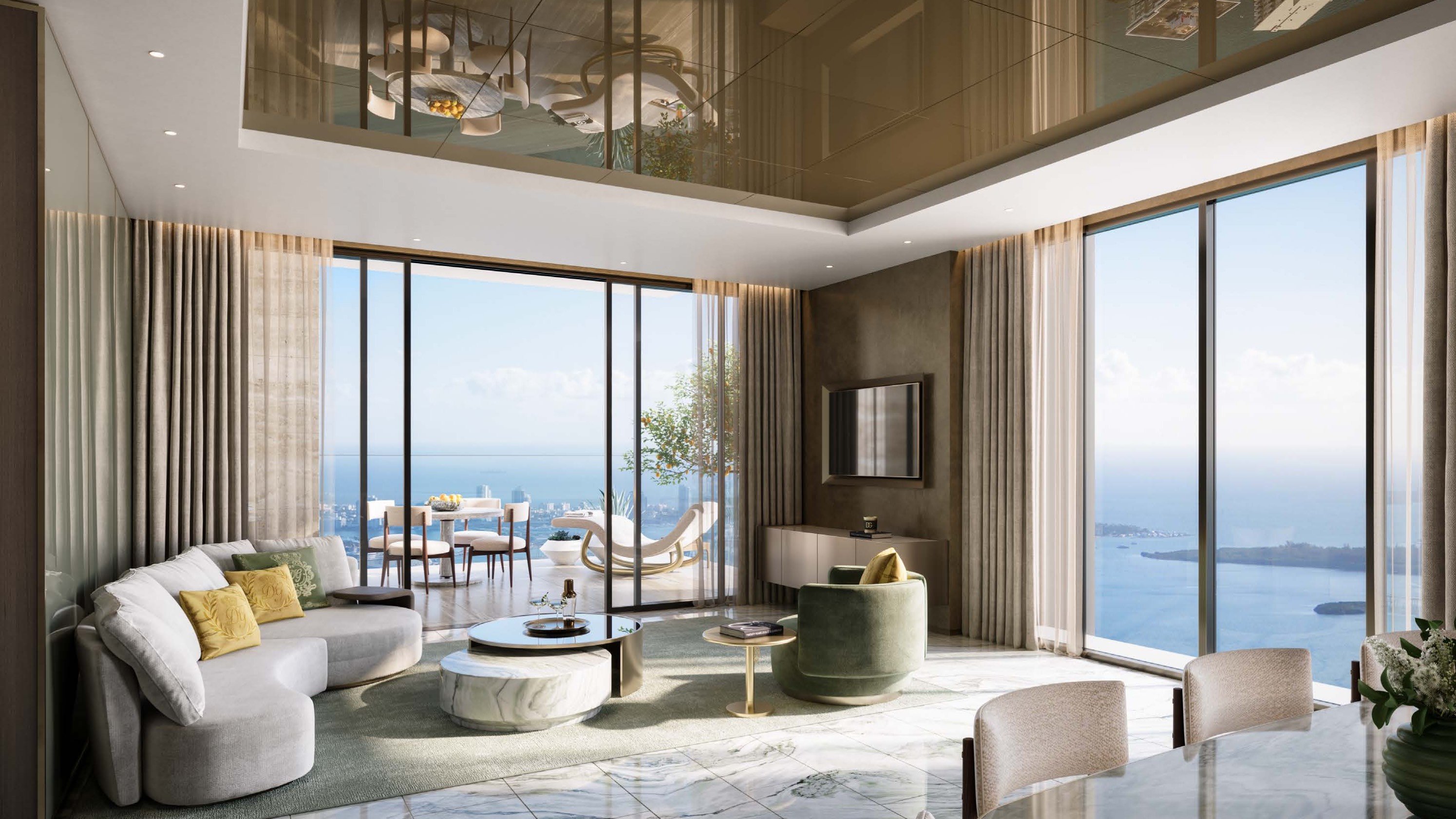
Sunrise light is one of the quiet luxuries that rarely appears with enough precision in a listing description. It is emotional, certainly, but it is also practical. It shapes the first hour of the day, determines how a primary suite wakes up, changes how a kitchen feels at breakfast, and can make a terrace, balcony, or living room feel more composed before the home begins to perform for guests.
For a South Florida residence in 2026, the right approach is not to ask whether the home has light. Most luxury residences do. The better question is whether the morning light is beautiful, usable, repeatable, and aligned with the way the owner intends to live. A disciplined buyer treats sunrise exposure as part architecture, part wellness preference, part privacy study, and part long-term liquidity note.
East-facing glass may suggest sunrise potential, but underwriting begins with daily ritual. If the owner rises early, works from home, exercises before meetings, or values calm breakfasts, morning light carries a different meaning than it does for a buyer who primarily entertains at night. The most valuable light is not merely the brightest. It is the light that supports the rooms where the household actually spends its mornings.
Begin with the primary suite, kitchen, family room, breakfast area, and any outdoor space used before noon. In a Brickell tower, sunrise may be most relevant to the bedroom and workspace. In an oceanfront residence, it may be about the transition from the bedroom to the terrace and the emotional power of water at first light. In a single-family setting, it may be about how palms, rooflines, garden walls, and neighboring homes edit the morning exposure.
Buyers often compress four distinct ideas into one phrase: good light. A residence can have an impressive view but limited direct sunrise. It can receive strong morning sun yet feel uncomfortable because of glare. It can glow beautifully at dawn while exposing the bedroom to adjacent buildings. Underwriting requires separating these elements before assigning value.
View is what the eye sees. Light is how the space is illuminated. Glare is the penalty that arrives when brightness becomes intrusive. Privacy is the condition that allows the owner to enjoy the light without closing shades. The highest-quality sunrise condition lets the owner leave the room open, use the furniture as intended, and experience morning without visual compromise.
This is especially important in a penthouse, where elevation can amplify sky exposure, but also in lower residences where nearby massing may shape the first light of the day. Height helps, but it does not eliminate the need to test the room.
Sunrise light should be experienced, not inferred. A buyer should visit during the relevant morning window whenever possible and stay long enough to see how the space changes. A five-minute impression can be misleading. First glow, direct sun, reflected light, and eventual brightness are separate phases.
During the visit, stand where life happens. Sit at the breakfast table. Lie on the primary bed. Open the doors to the balcony. Stand at the kitchen island. If the residence includes a dedicated office, test the desk wall and screen placement. If the home has a deep terrace, note whether the overhang softens the light elegantly or blocks it more than expected.
Photographs can assist memory, but they should not replace the site visit. Camera settings can exaggerate brightness or flatten it. The buyer’s own eyes, at the right hour, remain the most reliable underwriting tool.
A floor plan should be marked by morning use. Draw a simple route from bed to bath, closet, coffee, breakfast, work, exercise, and outdoor space. Then ask where sunrise helps and where it becomes irrelevant. A dramatic east-facing room may matter less if the household rarely uses it before noon. A modestly scaled corner with a refined water view may carry more daily value if it frames the owner’s first cup of coffee.
Room depth also matters. Deep plans can create impressive window walls while leaving the interior dimmer than expected. Narrower rooms may receive a more legible wash of light. Ceiling height, flooring tone, wall finish, and millwork all affect how morning light is perceived. Pale stone, soft plaster, and quiet wood can make sunrise feel serene. Highly reflective surfaces can make the same exposure feel sharper.
Luxury underwriting should include the mechanics that make sunrise livable. Shade pockets, drapery tracks, dimmable lighting, and thoughtful glass treatment can turn strong morning exposure into a controlled asset. Without them, the same exposure may require improvised solutions that dilute the architecture.
The best residences allow a range of settings: open sunrise, filtered morning, full privacy, and sleep-level darkness. This is particularly important for primary bedrooms, nurseries, guest suites, and media-adjacent spaces. A buyer should ask how the room performs on weekdays, weekends, and during extended stays by guests with different sleep patterns.
For second-home owners, ease is part of value. If the residence requires constant adjustment to remain comfortable, the light may be spectacular but operationally weak. If the systems are intuitive and discreet, sunrise becomes part of the home’s hospitality.
A sunrise condition does not exist in isolation. Nearby buildings, future construction possibilities, tree canopies, marina activity, bridge alignments, and neighboring terraces can all affect how morning light is experienced. A buyer does not need to predict every future condition, but should understand the visible context and any obvious dependencies.
In South Florida, the relationship between water, sky, and glass can be extraordinary. It can also be highly site-specific. Two residences in the same building line may feel different because of floor height, corner orientation, balcony depth, or a neighboring structure. Treat each residence as its own light study rather than relying on a building reputation or a general neighborhood assumption.
Sunrise light should support value, not replace broader underwriting. It is strongest when paired with a sound floor plan, quality finishes, privacy, parking, service, security, and a location that fits the owner’s life. A beautiful dawn is less compelling if the primary suite lacks storage, the terrace is difficult to furnish, or the living room cannot accommodate the intended art and seating plan.
The right memo should state the conclusion plainly: where the sunrise is excellent, where it is acceptable, where it is compromised, and which rooms benefit most. This helps a buyer compare residences without being overpowered by one memorable showing. It also helps later resale conversations, because the next buyer will likely respond to the same daily experience.
Before making a decision, ask five questions. Which rooms receive the most meaningful morning light? Can the owner enjoy that light without closing shades? Does the exposure create comfort issues at the time the room is used? Do the terrace and interior furniture plans work with the sun path? Would the sunrise experience still feel valuable if the view changed modestly?
If the answers remain strong after an in-person morning visit, sunrise light can be treated as a genuine qualitative advantage. If the answers are mixed, the buyer should price the light conservatively and prioritize the fundamentals that make the home durable over time.
Is sunrise light always better than sunset light? No. Sunrise light is best for owners who value calm mornings, early routines, and cooler emotional tones in the first part of the day.
Should I pay more for an east-facing residence? Only if the light improves the rooms you actually use. Orientation alone is not enough to justify a premium.
What room matters most for sunrise underwriting? The primary suite often matters most, followed by the kitchen, breakfast area, office, and outdoor living space.
Can a residence have sunrise views but poor morning light? Yes. Overhangs, deep floor plates, neighboring buildings, and tinted glass can all reduce the experience inside.
How should I test glare? Visit in the morning and sit where you would read, dine, work, or use a screen. Comfort matters more than drama.
Does a higher floor guarantee better sunrise light? No. Height can help with sky exposure, but layout, glass, balcony depth, and surrounding context still matter.
Is morning light important for resale? It can be, especially when it enhances primary rooms and outdoor spaces. The value is strongest when the experience is easy to understand.
Should I rely on listing photos? No. Photos can be useful, but they should be verified with an in-person visit during the relevant morning window.
What if I prefer dark bedrooms? Then shade quality and blackout capability are essential. Strong sunrise exposure can still work if it is fully controllable.
How should I compare two similar homes? Write a short light memo for each residence, focused on the rooms, comfort, privacy, and daily routine it supports.
For a confidential assessment and a building-by-building shortlist, connect with MILLION.
If branded residences are on your mind — as a home or as an allocation — we would be glad to share what we are seeing, privately.
Begin a quiet conversation