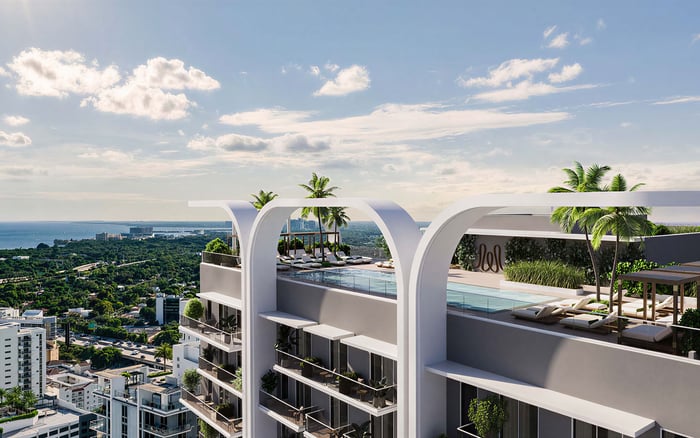
For South Florida penthouse buyers, the most meaningful luxury may not always be the highest floor. Cabana-level storage can improve daily ease, protect interiors, and support a more graceful beach, pool, and boating lifestyle.
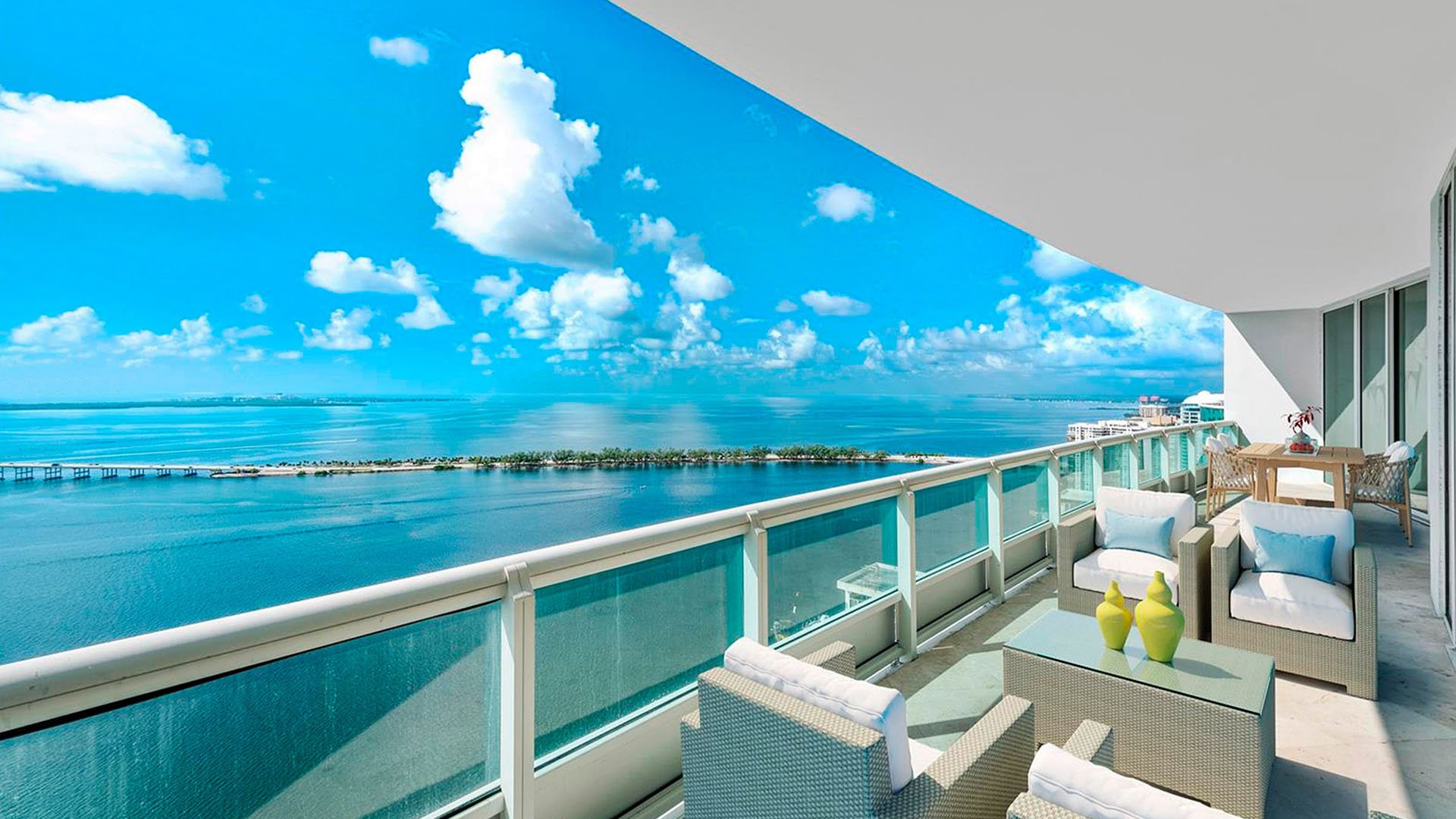
In the hierarchy of South Florida penthouse desires, height has long held a privileged position. A penthouse promises horizon, privacy, light, and the emotional charge of arriving above the city. Yet the longer one lives with a residence, the more daily choreography begins to matter. The question is not only how high the home sits, but how gracefully it supports the life below.
That is where cabana-level storage becomes unexpectedly important. For a buyer moving between pool, beach, dock, garage, elevator, terrace, and private interiors, storage placed at the level of leisure can be more valuable than a few additional floors of elevation. It reduces friction, protects finishes, and keeps the residence composed, rather than asking marble foyers, custom millwork, and wardrobe rooms to absorb the practical equipment of coastal living.
This is not an argument against height. High floors remain desirable for view corridors, light, and a certain sense of retreat. But in South Florida, where luxury living often extends well beyond the front door, cabana-level storage can change the rhythm of ownership in ways a view alone cannot.
The modern luxury buyer is increasingly fluent in operational detail. A beautiful floor plan is expected. So are polished amenities, refined lobbies, and outdoor entertaining space. The more discerning question is how the building handles everything that does not belong in the living room.
Beach chairs, paddle gear, pool toys, towels, coolers, pet accessories, golf items, boating provisions, seasonal decor, terrace cushions, children’s equipment, and guest overflow all require a destination. When that destination is inconvenient, these objects migrate into elevators, hallways, laundry rooms, service corridors, and closets designed for finer things.
Cabana-level storage creates a buffer between lifestyle and interiors. It allows the owner to move from water to residence without turning the home into a transit zone. For an oceanfront household, that distinction can be central. The value is not simply square footage. It is spatial intelligence.
In a Brickell tower, the calculus may revolve around valet arrival, elevator efficiency, and the ability to keep fitness or water-related equipment outside the residence. In Miami Beach or Sunny Isles, the same logic may be tied to sand, salt, and pool deck routines. The location changes the use case, but the principle remains: storage becomes luxurious when it is placed where life actually happens.
Height sells through emotion. It is immediate and cinematic. Buyers step out of a private elevator, walk toward glass, and understand the appeal before anyone explains it. A balcony above the water or skyline can make a residence feel singular in seconds.
Storage works differently. It reveals itself over time: after a beach morning, during a family visit, before dinner on the terrace, or when the residence is being reset after a long weekend. Its value is behavioral, not theatrical.
That distinction matters because buyers often purchase on first impressions, then live according to daily systems. The highest residence may win the initial viewing. The better organized residence may win the second year of ownership.
For seasonal residents, the point can be especially relevant. A second home is often expected to perform with minimal effort. Owners arrive for compressed periods of leisure, host guests, use amenities intensively, and then depart. If every activity requires retrieving, transporting, drying, and storing equipment inside the residence, the home begins to feel less effortless than its design suggests.
First, it protects the interior. Luxury penthouses are often finished with materials intended to age beautifully, not withstand constant contact with wet beach equipment or pool gear. Keeping those objects near the point of use helps preserve flooring, wall finishes, cabinetry, elevator panels, and closet systems.
Second, it protects privacy. Service flow matters in a large residence. When household staff, guests, children, or vendors need repeated access to storage located inside the home, the private environment is interrupted. A well-placed storage area can reduce unnecessary movement through the residence.
Third, it protects time. Luxury is often described through rarity, but it is also measured by how little coordination a home requires. If the path from amenity level to storage is intuitive, the residence functions with less conversation, fewer reminders, and less visible clutter.
Fourth, it protects resale clarity. An investment-minded buyer may not assign the same premium to storage as to views, but sophisticated purchasers notice practical advantages. When two residences feel comparable in finish and view quality, the one with superior daily utility can become easier to understand, easier to use, and potentially easier to recommend.
A buyer should start by asking where storage is located, who can access it, and how it connects to the amenity level. Is it near the pool deck, beach path, marina access, or cabana area? Does the route require passing through formal common spaces? Is the storage area conditioned, ventilated, secure, or assigned?
The next question is capacity. Not all storage is equal. A small closet may suit luggage or seasonal items, while a better planned cabana-level space may support the true inventory of a coastal household. The buyer should think in categories, not abstractions: beach, pool, sport, guest, pet, terrace, children, boating, and seasonal entertaining.
Access rules also matter. Some storage may be deeded, assigned, licensed, or subject to building policies. A buyer should understand the nature of the right being offered, as well as any restrictions on what may be stored. The point is not to turn a lifestyle decision into a legal seminar, but to avoid assuming every storage reference carries the same meaning.
Finally, consider the elevator journey. A residence may be spectacular, but if every beach or pool outing requires repeated vertical movement with equipment, the glamour can fade. The most elegant buildings minimize those small points of resistance.
There are still cases where height should take priority. If the view is materially different, if privacy improves meaningfully, or if the upper residence has superior outdoor space, the premium may be justified. Height can also be central to identity. Some buyers want the psychological remove of living at the top, and that preference is legitimate.
The best decision is rarely storage versus height in isolation. It is about the full living system. A higher floor with excellent lower-level storage may be ideal. A slightly lower residence with better access, better service flow, and more usable support space may be the wiser choice. The right answer depends on how the owner actually lives, not on a generic hierarchy of prestige.
This is where the South Florida penthouse market rewards precision. The most desirable homes are not merely elevated; they are resolved. They understand that luxury is not only the dramatic arrival, but also the invisible ease that follows.
Why can cabana-level storage matter in a luxury penthouse? It places beach, pool, and lifestyle equipment near the point of use, reducing clutter and protecting private interiors.
Is height still important for a penthouse? Yes. Height can deliver privacy, light, and views, but it should be weighed against how comfortably the residence functions day to day.
What should buyers store at cabana level? Common candidates include beach gear, pool accessories, sport equipment, terrace items, guest supplies, and seasonal entertaining pieces.
Does cabana-level storage add resale appeal? It can strengthen buyer perception because it solves practical problems that sophisticated owners notice during tours and after move-in.
Should oceanfront buyers prioritize this more? Often, yes. Sand, salt, towels, and water-related equipment make convenient lower-level storage especially valuable near the coast.
How does storage affect service flow? It can reduce unnecessary traffic through the residence and help staff or guests access equipment without disturbing private spaces.
Is a balcony or terrace more important than storage? Outdoor space is highly valuable, but storage helps keep that outdoor lifestyle organized, clean, and easier to enjoy.
What should Brickell buyers consider? They should study valet arrival, elevator routes, amenity access, and whether storage supports fitness, entertaining, or waterfront routines.
Can high floors and good storage coexist? Yes. The strongest residences often combine elevation with smart support spaces that make ownership feel seamless.
What is the best way to compare two similar penthouses? Walk through a real day in each home, from arrival to pool use to entertaining, and note where belongings naturally need to go.
To compare the best-fit options with clarity, connect with MILLION.
If branded residences are on your mind — as a home or as an allocation — we would be glad to share what we are seeing, privately.
Begin a quiet conversation