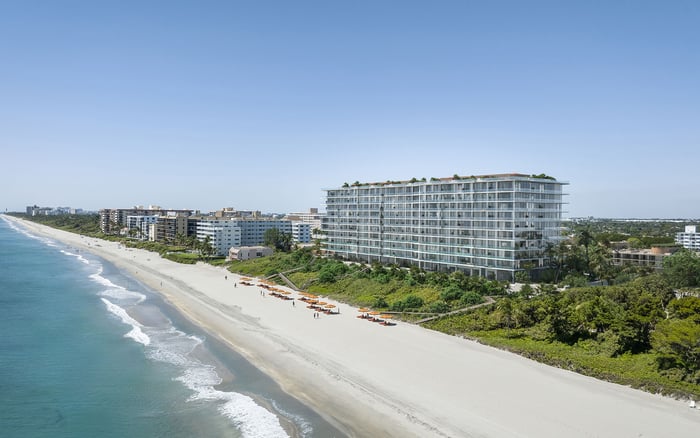
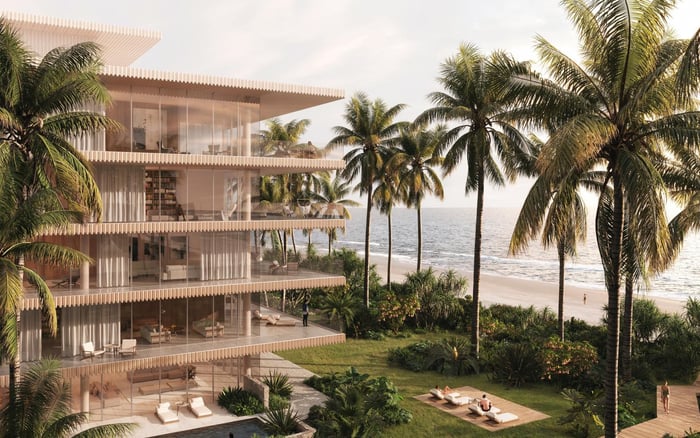
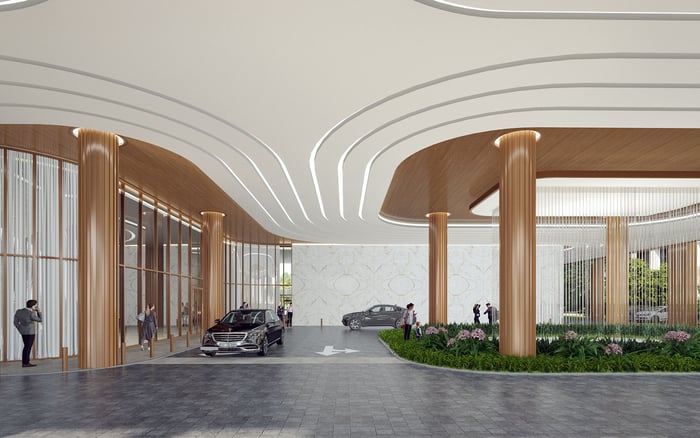
A discreet, buyer-oriented look at Delray Beach’s luxury market in 2026, from downtown walkability and boutique new construction to oceanfront trophy dynamics and mixed-use reinvestment.
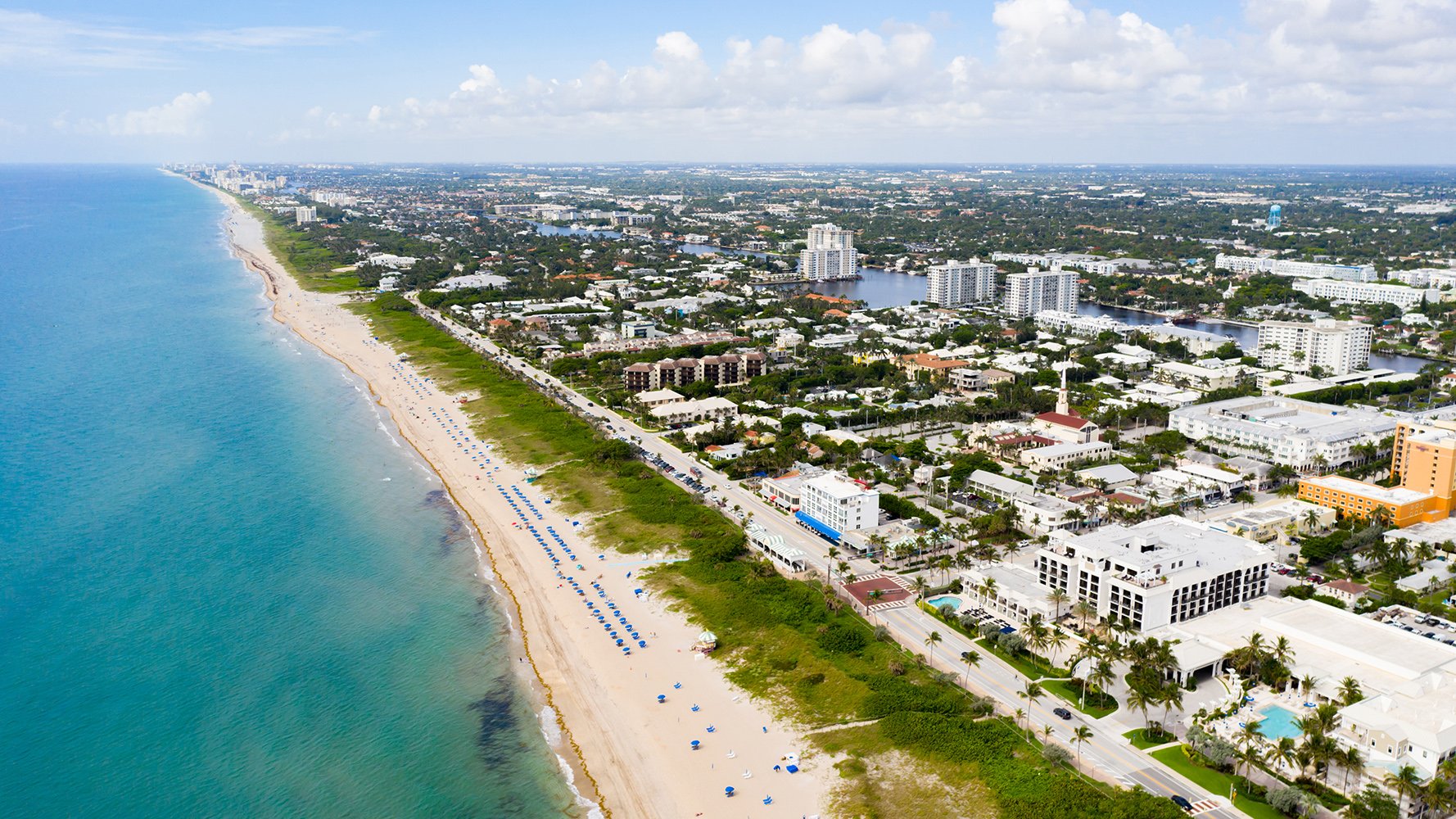
Delray Beach has always been easy to read at street level: Atlantic Avenue as the social spine, the Intracoastal as a threshold, and the ocean as the final punctuation. What feels different in 2026 is how clearly those layers are translating into residential decisions. Buyers aren’t simply choosing between “downtown condo” and “beach house.” They’re weighing walkability versus privacy, boutique scale versus amenity density, and the long-term value of being anchored inside a reinvesting core.
This editorial is a buyer’s guide to both realities-the lifestyle-driven market near town and the rarefied oceanfront tier-focused on what is publicly visible today.
Delray’s downtown has functioned like a curated district for years, but the current reinvestment cycle makes the case more explicit. For residential buyers, the headline matters less than what it tends to signal over time: streetscapes, public-realm upgrades, and mixed-use activity that can help sustain long-term desirability.
Mixed-use is the quiet engine here. When office, dining, and retail stack into a single district, it can reduce daily friction for residents and keep downtown active beyond weekends.
A defining pattern in Delray’s luxury pipeline is boutique scale. Rather than chasing sheer unit count, several new offerings read like private address books: smaller communities, tighter detailing, and a quieter presence in the streetscape. For many high-net-worth buyers, that restraint is the feature. Boutique living can reduce governance complexity, limit transient traffic, and make a building feel closer to a private club than an institution.
The most useful way to read Delray’s luxury market is as two interlocking tiers.
Tier one is the liquid luxury segment-where buyers typically have more choice, more time to compare options, and more room to negotiate.
Tier two is the trophy segment, where availability is episodic and decision cycles can compress. Here, the underwriting tends to be driven less by comps and more by non-negotiables: frontage, privacy, and long-term hold intent.
Delray’s luxury buyer is often choosing among three distinct modes of living.
Downtown adjacency is about cadence. You’re buying the ability to step into Atlantic Avenue and treat your neighborhood as your calendar. The best fit is often a lock-and-leave residence that minimizes maintenance while maximizing walkability.
Intracoastal proximity is about balance: near-the-water access and everyday convenience, with fast connection to the downtown core.
Oceanfront is about finality. Few substitutes exist for direct ocean presence, and scarcity tends to shape pricing behavior at the top.
Delray’s appeal sharpens when viewed as part of a broader South Florida portfolio. Some buyers keep a primary residence in a more urban node and use Delray as a calmer counterpart. Others do the reverse-holding Delray as a home base and adding a pied-à-terre for city access.
For perspective, the region’s product types vary dramatically. In Brickell, ultra-luxury vertical living can center on branded and design-driven towers such as 888 Brickell by Dolce & Gabbana and the waterfront profile of Una Residences Brickell, each representing a high-service, high-amenity proposition.
In Miami Beach, a different sensibility emerges. Boutique modernism and immediate proximity to the ocean define projects like 57 Ocean Miami Beach, where the lifestyle is explicitly coastal while still close to the city’s cultural energy.
North of Delray, buyers seeking an oceanforward alternative may also track inventory in projects such as 2000 Ocean Hallandale Beach, underscoring how segmented South Florida has become-each submarket offering a different blend of service, privacy, and scene.
Luxury buyers in Delray can protect optionality by prioritizing a few durable drivers.
First, treat walkability as an asset, not a vibe. Proximity to Atlantic Avenue and the downtown core tends to support liquidity because it appeals to both full-time residents and seasonal owners.
Second, in boutique new construction, scrutinize the “quiet” specifications: parking, security, and mechanical choices. These details often matter more over a long hold than headline amenities.
Third, understand how mixed-use can reshape the day-to-day. A more complete district can add energy and convenience, but it can also shift traffic patterns and parking dynamics-factors worth evaluating block by block.
Finally, if you’re shopping the oceanfront tier, be candid about scarcity. The market’s upper range isn’t linear; it’s event-driven. When the right property appears, conviction needs to be in place.
What makes Delray Beach’s luxury market distinctive in 2026? It blends a walkable downtown lifestyle with a scarce oceanfront tier, giving buyers very different living modes within one coastal city.
Is walkability a meaningful value driver in Delray? Yes. Being close to the downtown core and Atlantic Avenue can support long-term liquidity because it appeals to both full-time and seasonal owners.
What does “boutique new construction” typically mean in Delray? It generally refers to lower-density residences that prioritize privacy, quieter buildings, and a more residential feel over large-scale amenity campuses.
Who tends to prefer lock-and-leave ownership in Delray? Buyers who travel frequently, split time between markets, or want minimal maintenance often prioritize residences that simplify day-to-day responsibilities.
How does Intracoastal proximity differ from oceanfront living? Intracoastal living can offer water adjacency and access to downtown convenience, while oceanfront prioritizes direct beach presence and higher scarcity.
Why can trophy oceanfront opportunities move quickly? Inventory is limited and highly specific, so decision timelines can compress when a property matches a buyer’s non-negotiables.
What should buyers evaluate first in a boutique building or community? Focus on fundamentals such as parking, security, governance complexity, and the building’s long-term maintenance posture.
How can mixed-use activity influence residential living near downtown? It can add convenience and energy, but it can also change traffic flow, noise patterns, and parking dynamics-so the micro-location matters.
How do some buyers position Delray within a broader South Florida portfolio? Many treat Delray as a calmer complement to urban hubs, or as a primary base with occasional access to denser city neighborhoods.
What is a practical way to choose between downtown, Intracoastal, and oceanfront options? Define your daily cadence first-walkability, water access, or direct ocean presence-then match that lifestyle to the most suitable property type.
For a tailored shortlist and next-step guidance, connect with MILLION Luxury.
If branded residences are on your mind — as a home or as an allocation — we would be glad to share what we are seeing, privately.
Begin a quiet conversation