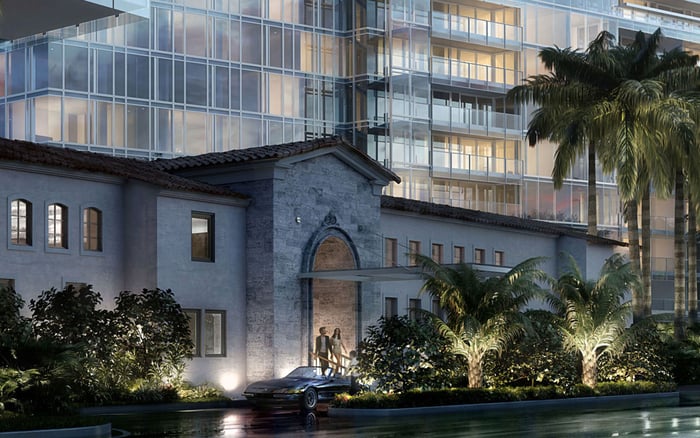
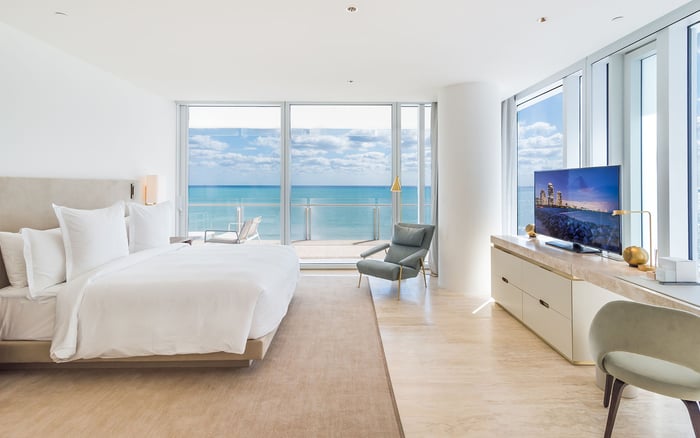
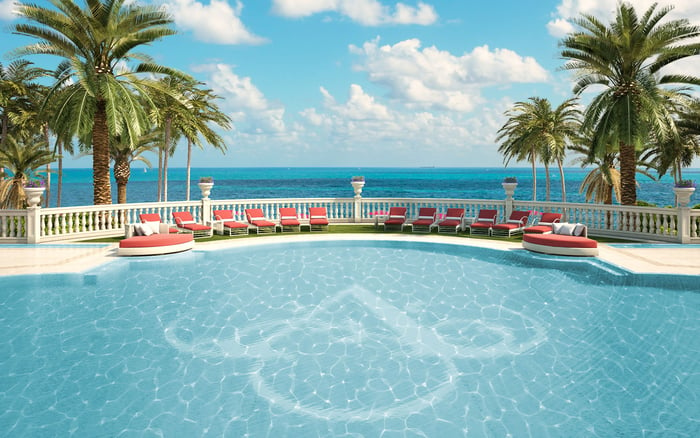
A buyer-focused editorial on how to evaluate Delano Residences & Hotel Miami beside The Surf Club Four Seasons Surfside, with emphasis on quiet luxury, operating culture, and service depth.
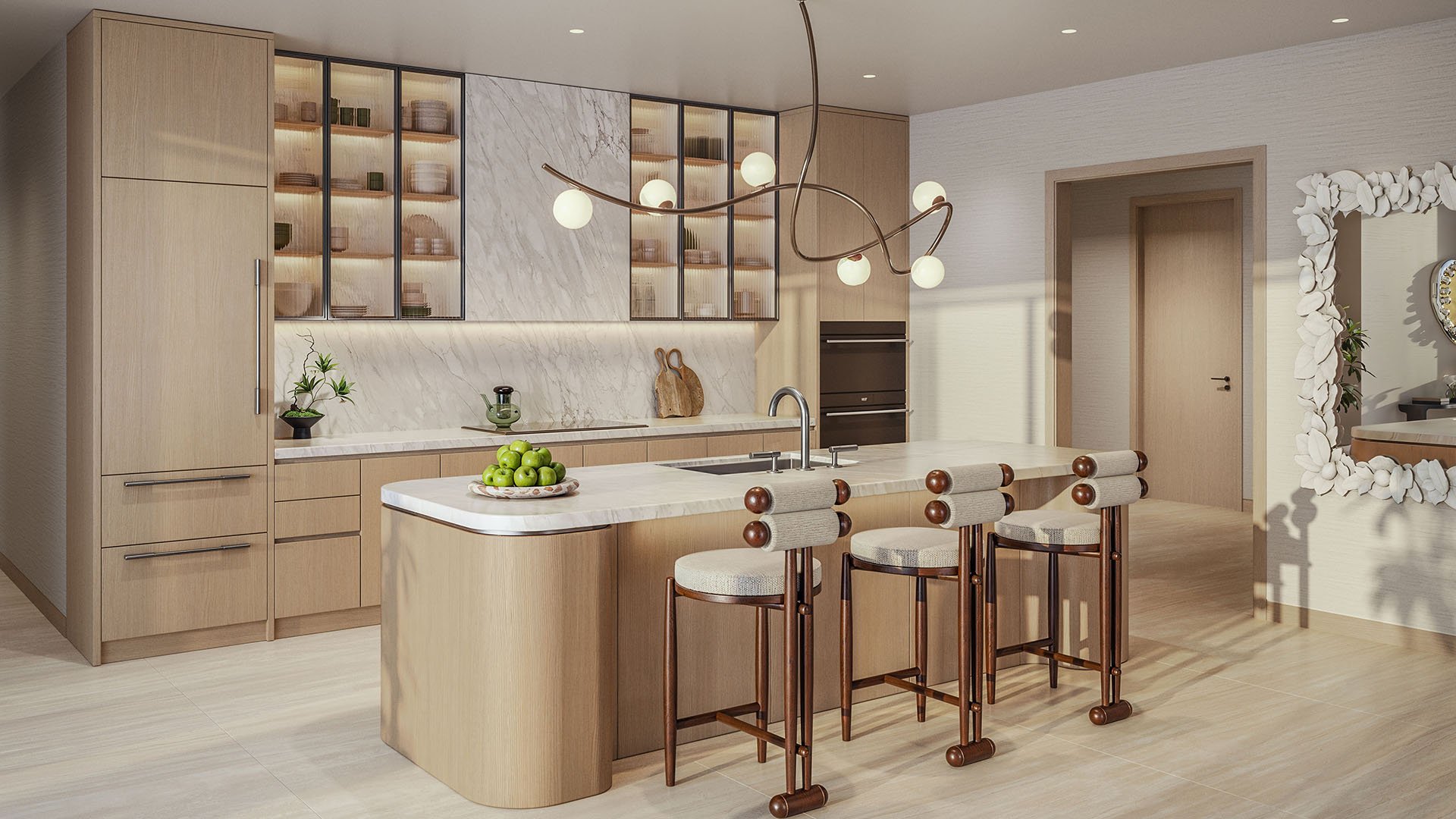
In South Florida’s upper tier, branded residences are no longer judged by logo alone. The more sophisticated buyer asks a quieter question: what, exactly, can be verified before committing? That is the right lens for evaluating Delano Residences & Hotel Miami beside The Surf Club Four Seasons Surfside. One side of the conversation may be framed through a residential-hotel proposition; the other should be examined as a reference point for how quiet luxury, resident culture, and hospitality expectations intersect.
For buyers, that distinction matters. A future-facing or newly framed residential-hotel proposition should be underwritten through documents, governance, budget logic, brand obligations, and service promises. A more established luxury environment, by contrast, can often be assessed through what a buyer can observe in person: arrival sequence, staff coordination, amenity behavior, privacy standards, and the daily rhythm of shared spaces.
The phrase quiet luxury is often overused, but here it has practical meaning. It refers to discretion, spatial calm, service fluency, and a building culture that does not need spectacle to feel important. In that sense, The Surf Club Four Seasons Surfside offers a useful comparison point for anyone considering the next generation of Miami’s luxury residential-hotel product.
Location is the first filter. Surfside carries a different emotional register from the higher-energy hotel and nightlife corridors elsewhere in Miami’s coastal market. That does not make it less luxurious. It makes it different. The value is in quiet arrival, controlled pace, proximity to the ocean, and a residential atmosphere that supports privacy.
This is why buyers should resist treating every oceanfront branded residence as interchangeable. A property in a more public hospitality corridor may deliver glamour and convenience, but it may also carry a more visible energy. Surfside’s appeal is more private and composed. For the buyer who values discretion, the surrounding neighborhood character can become part of the amenity package.
In a buyer worksheet, the practical labels might read Oceanfront, Beach-access, Condo-hotel, Exclusive-area, Surfside, and The Surf Club Four Seasons Surfside. Yet labels only begin the analysis. The deeper issue is whether the address, operating model, and resident culture reinforce one another over time.
The Surf Club Four Seasons Surfside is relevant because it gives buyers a framework for asking better questions. Rather than stopping at the presence of a recognizable hospitality name, the buyer should examine how the name translates into the resident experience. Does the service model feel consistent? Are private and shared spaces clearly understood? Are the promises in the sales narrative supported by documents, staffing, and budget logic?
That is the discipline a buyer should bring to any Delano-branded residential-hotel proposition as well. Brand atmosphere can be persuasive, but the purchase decision should rest on enforceable details. Buyers should review what is reserved for residents, what is shared with hotel users if applicable, how costs are allocated, how access is governed, and how standards are protected after closing.
The emotional value of a property also matters. Some luxury buildings feel polished but anonymous. Others develop a sense of continuity through architecture, service, setting, and resident behavior. A strong due-diligence process should account for both the contractual and the atmospheric, because the best luxury residences are not only owned; they are lived in.
Concierge is often marketed as a single word, but it is really a system. Buyers should ask how requests are routed, what level of staffing supports peak periods, how hotel and residential priorities are balanced where applicable, and whether service feels intuitive rather than improvised. In ultra-luxury property, the best concierge depth is often invisible. Cars appear without drama, arrivals are anticipated, privacy is protected, and recurring preferences become part of the operating memory.
This depth should be evaluated carefully. A buyer can study how a property behaves during arrival, at amenities, during service transitions, and in the quieter intervals between scheduled appointments. The most telling moments are not always staged tours. They are the small intervals when service either holds its shape or begins to fray.
For Delano Residences & Hotel Miami, the same standard applies. Buyers should separate brand romance from operational clarity. They should review how residential privileges are defined, how hotel access is governed if relevant, how shared expenses are allocated, and how future service standards are protected. If a project promises a residential-hotel lifestyle, the documents should explain how that lifestyle is funded, staffed, and controlled.
Finishes can be specified. Views can be photographed. Amenities can be rendered. Building culture is harder. It emerges from resident behavior, management consistency, staff tenure, guest patterns, privacy norms, and the unwritten etiquette of shared spaces.
This is where an operating luxury environment offers an unusually valuable read. It should be evaluated not only as a physical product, but as a living asset. Its culture can be observed in how residents use common areas, how guests are absorbed into shared spaces where applicable, and whether the atmosphere remains composed even when the property is active. Quiet luxury is not the absence of people; it is the absence of friction.
Buyers comparing The Surf Club Four Seasons Surfside with a Delano-branded residential-hotel proposition should therefore ask two separate questions. First, what is the intended culture? Second, what mechanisms will preserve it? A building’s personality can shift if guest patterns, event programming, access rules, or amenity demand are misaligned with resident expectations. In the highest price bands, the wrong culture can be more costly than the wrong finish package.
The right buyer profile for this comparison is aligned with privacy, discretion, and a quieter oceanfront lifestyle. It is for the person who wants luxury access without theatrical arrival, service without overexposure, and proximity to Miami’s social geography without living inside its loudest corridors.
For any residential-hotel purchase, diligence should move beyond floor plan and view. Study the ownership structure. Understand which amenities are residential, hotel, or shared if applicable. Review rental permissions if they are part of the offering. Ask how the brand relationship is structured and what happens if standards change. Examine association budgets with a focus on service labor, maintenance, insurance, reserves, and capital needs.
Most importantly, decide whether the property’s rhythm matches your own. The best purchase is not always the most visible one. In South Florida’s mature luxury market, prestige increasingly belongs to residences that know when to be quiet.
How should buyers compare Delano Residences & Hotel Miami with The Surf Club Four Seasons Surfside? Compare them through diligence categories such as governance, service depth, resident privileges, privacy standards, and lifestyle fit.
Why is The Surf Club Four Seasons Surfside a useful benchmark? It is useful as a comparison point for evaluating how hospitality branding, resident culture, and quiet luxury may work together in practice.
What does quiet luxury mean in this context? Quiet luxury means discretion, calm, privacy, and service that feels precise without becoming theatrical.
Why does Surfside matter in the comparison? Surfside helps frame the lifestyle question because buyers often associate it with a more composed coastal experience than higher-visibility hospitality corridors.
What should buyers ask about a residential-hotel model? Buyers should ask how amenities are shared, how costs are allocated, how access is controlled, and how service standards are maintained.
What is concierge depth? Concierge depth is the practical ability of a property to anticipate, staff, route, and resolve resident needs consistently and discreetly.
Why is building culture important? Building culture shapes the everyday experience through resident behavior, guest patterns, service consistency, privacy norms, and the use of shared spaces.
Should buyers rely on brand name alone? No. A brand can help frame expectations, but buyers should verify documents, budgets, governance, staffing assumptions, and resident rights.
Who is the likely fit for this quiet-luxury lifestyle? The strongest fit is a buyer who values privacy, oceanfront calm, refined service, and a more discreet residential atmosphere.
What is the most important diligence question? Ask whether the property’s operating culture will protect your preferred lifestyle over time, not just impress you during a tour.
For a confidential assessment and a building-by-building shortlist, connect with MILLION.
If branded residences are on your mind — as a home or as an allocation — we would be glad to share what we are seeing, privately.
Begin a quiet conversation