A discreet guide for Silicon Valley buyers evaluating a seasonal pied-à-terre in West Palm Beach, with emphasis on lock-and-leave service, location, waterfront living, privacy, and second-home ownership discipline.
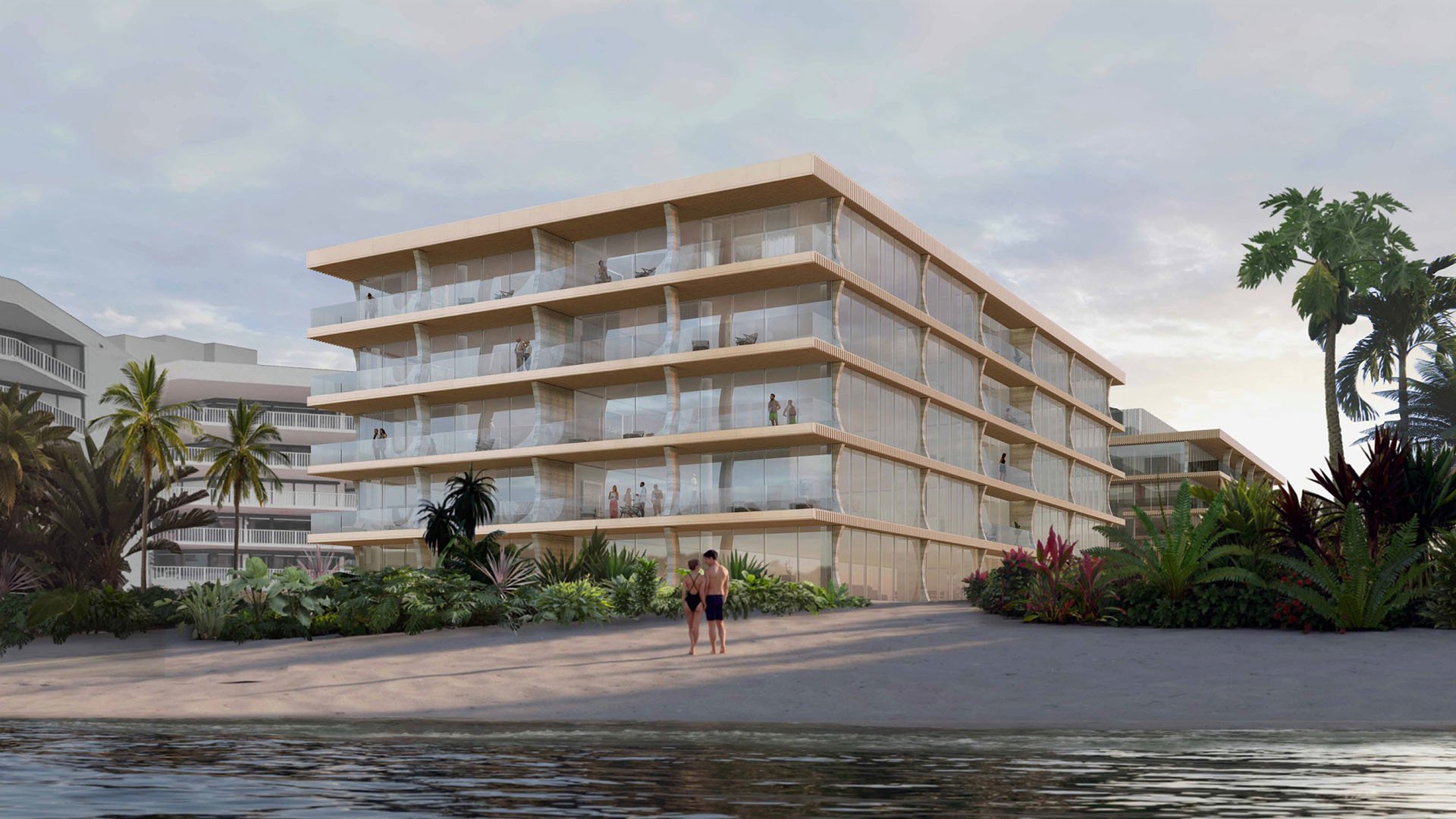
For the Silicon Valley buyer, a seasonal pied-à-terre in West Palm Beach is rarely just an apartment. It is a second operating base, a winter salon, a decompression chamber, and, often, a bridge between professional velocity and personal permanence. The right residence should make arrival feel frictionless, whether the owner is coming for a long weekend, a school holiday, a board meeting in the Southeast, or a month of quiet mornings by the water.
This guide is for clients who are not simply shopping for square footage. They are choosing a pattern of life. West Palm Beach appeals because it can feel polished without being performative, connected without being congested, and close to Palm Beach without requiring every daily ritual to revolve around the island.
The strongest purchase begins with restraint. Before debating finishes, views, or amenity decks, define how the home will actually be used. A seasonal pied-à-terre succeeds when it is effortless to leave, delightful to return to, and substantial enough to host the life you intend to lead while in South Florida.
A Silicon Valley schedule tends to be irregular. Some buyers imagine predictable winter use, then discover they are flying in for compressed bursts. Others plan occasional escapes and end up spending full seasons in Florida. The correct residence depends less on abstract luxury than on cadence.
If the home will be used for brief, frequent visits, prioritize immediate convenience: secure parking, simple access, reliable building staff, package handling, guest coordination, and a layout that does not require days of reopening. If the plan is a full seasonal stay, the priorities expand. You may need a true office, generous closet space, a secondary bedroom that works for visiting family, and enough outdoor space to make mornings and evenings feel private.
This is where West Palm Beach rewards disciplined thinking. A well-chosen second home should not feel like a hotel room with a deed. It should support real domestic habits: coffee before calls, a place to read, storage for sport and resort clothing, a table that works for dinner, and a bedroom quiet enough for West Coast calls that run late.
The lock-and-leave question sits at the center of the search. In South Florida, seasonal ownership is not only about what happens when you are in residence. It is about what happens when you are not.
Look closely at the building’s service culture. A beautiful lobby is less important than consistent staffing, clear communication, secure access, maintenance coordination, and a sense that private ownership is treated with discretion. Ask how deliveries are handled, how guests are announced, how vendors are managed, and how the building supports owners who may be away for extended periods.
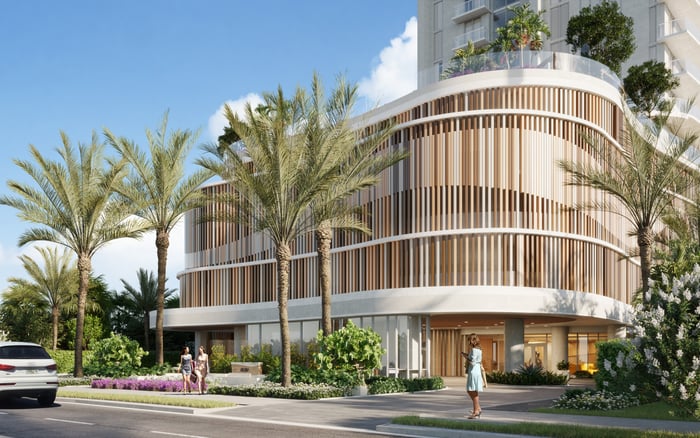
For buyers who want a West Palm Beach address with a contemporary residential feel, Alba West Palm Beach is the type of project that naturally enters the conversation. Those drawn to Flagler Drive and a more water-oriented daily rhythm may also consider Forté on Flagler West Palm Beach as part of a focused tour.
The key is not to collect names. It is to compare the lived experience. Walk the arrival sequence. Notice whether the building feels composed. Stand on the terrace at the time of day you expect to use it. Ask whether the residence will feel calming after a cross-country flight, or whether it requires too much management to be genuinely restorative.
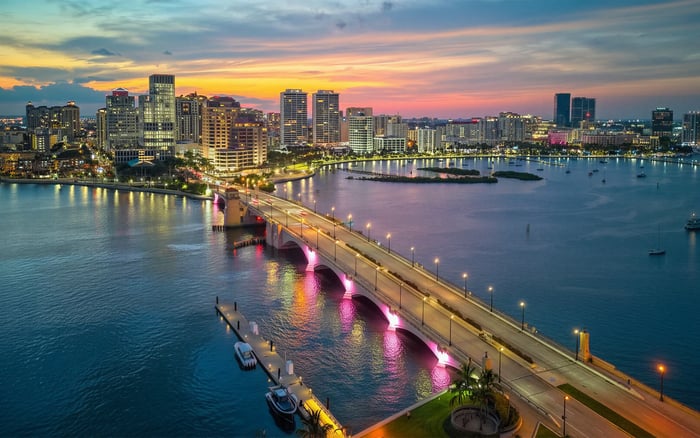
Palm Beach and West Palm Beach are close enough to function together, yet different enough to require a clear preference. Palm Beach offers a more established resort cadence, with a quieter, more traditional mood. West Palm Beach gives many buyers a broader range of contemporary condominium options, easier day-to-day movement, and a more flexible urban rhythm.
A seasonal buyer should test both. Spend a morning on the West Palm Beach side, then an afternoon across the bridge. Consider where you will dine most often, where friends are likely to gather, where you prefer to walk, and whether you want the residence itself to be tucked away or connected to a more active setting.
For some, the ideal answer is a West Palm Beach condominium with easy access to Palm Beach rituals. For others, the attraction is a building that feels like a private resort in its own right. Mr. C Residences West Palm Beach may appeal to buyers who want hospitality-minded living, while The Ritz-Carlton Residences® West Palm Beach belongs in the discussion for clients who place a premium on branded residential service.
Neither approach is universally superior. The correct answer is the one that matches your temperament. If you want quiet and ritual, prioritize calm. If you want dinners, guests, and movement, prioritize access. If you want both, be exacting about building position, elevator experience, acoustic privacy, and terrace orientation.
Waterfront is a powerful word, but it should be interrogated. Some buyers want a broad visual connection to water from the primary living spaces. Others care more about morning light, terrace usability, or a view that feels private rather than theatrical. A dramatic exposure can be less useful than a comfortable one if glare, wind, or layout compromises daily life.
Do not evaluate a water view only during a showing. Consider how the residence will feel at breakfast, during a video call, at sunset, and after dark. A seasonal pied-à-terre should make each return feel like a reset. The view is part of that, but so are ceiling heights, window placement, outdoor depth, furniture planning, and the relationship between the kitchen, living room, and terrace.
Lifestyle matters here. If you entertain, the terrace should not be an afterthought. If you work remotely, the office should not be carved from a noisy passageway. If family visits, the secondary spaces need dignity. Luxury is not only the most photogenic room. It is the absence of small daily compromises.
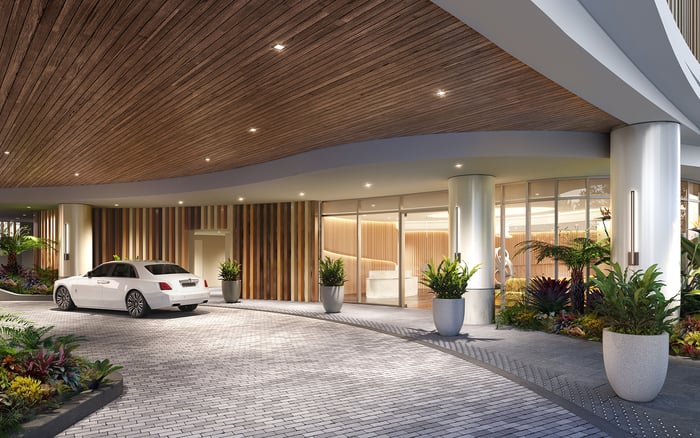
Many technology buyers value discretion more than display. The best seasonal homes support that instinct. Privacy begins before the front door: arrival, valet or parking sequence, elevator access, staff protocol, and the ease with which guests can be welcomed without turning the owner’s life into a visible production.
Security should be reviewed practically, not theatrically. Ask how the building manages access, how service providers are approved, whether staff knows seasonal owner patterns, and how the residence is monitored during absences. The goal is not fortress living. It is confidence.
Also consider digital life. A seasonal home should be ready for secure work, dependable connectivity, and quiet calls. Even when a buyer intends to use the residence for leisure, the reality of modern ownership usually includes work. A pied-à-terre that cannot support a private call or focused morning will quickly feel decorative rather than useful.
Before making an offer, refine the brief into non-negotiables and preferences. Non-negotiables might include building service, parking convenience, terrace depth, water exposure, pet policy, guest comfort, or proximity to Palm Beach. Preferences might include a particular finish palette, a larger den, or a higher floor.
Review the building’s rules with care. Seasonal owners should understand rental restrictions, guest policies, renovation procedures, storage options, insurance expectations, and the responsibilities that continue when the residence is vacant. A polished purchase process is not only about price. It is about reducing future friction.
Finally, buy the home that matches your real life, not the fantasy version of it. If you are likely to arrive late, choose ease. If you host often, choose flow. If you recharge alone, choose silence. The most successful West Palm Beach pied-à-terre is not necessarily the largest or the most conspicuous. It is the one that gives time back.
What is a seasonal pied-à-terre? It is a smaller primary-quality residence used part of the year, often designed for easy arrivals, low maintenance, and a refined lock-and-leave lifestyle.
Why are Silicon Valley buyers looking at West Palm Beach? The appeal is a mix of warm-weather living, access to Palm Beach, contemporary residences, and a calmer seasonal rhythm than many larger urban markets.
Should I buy in West Palm Beach or Palm Beach? Choose West Palm Beach for convenience and a broader condominium rhythm, and Palm Beach for a more traditional resort atmosphere and quieter cadence.
What matters most in a lock-and-leave building? Prioritize staffing, access control, maintenance coordination, delivery handling, guest procedures, and the confidence that the home is cared for while you are away.
Is waterfront always the best choice? Not always. The best exposure depends on privacy, light, wind, terrace usability, and how the view supports your daily routine.
How large should a seasonal residence be? It should be large enough for the way you actually live, including work, storage, guests, and outdoor use, without becoming burdensome to maintain.
Are branded residences worth considering? They can be compelling for buyers who value service consistency, hospitality standards, and a recognizable residential experience.
What should remote workers prioritize? Look for quiet rooms, reliable connectivity, privacy for calls, and a layout that separates work from the more relaxed parts of the home.
How should I compare new developments? Tour by lifestyle sequence: arrival, elevator, entry, main living space, terrace, bedroom privacy, amenities, and the path back out.
What is the most common mistake seasonal buyers make? They overvalue spectacle and undervalue ease, especially service, storage, guest flow, and how the residence performs when they are not there.
For a discreet conversation and a curated building-by-building shortlist, connect with MILLION.
If branded residences are on your mind — as a home or as an allocation — we would be glad to share what we are seeing, privately.
Begin a quiet conversation