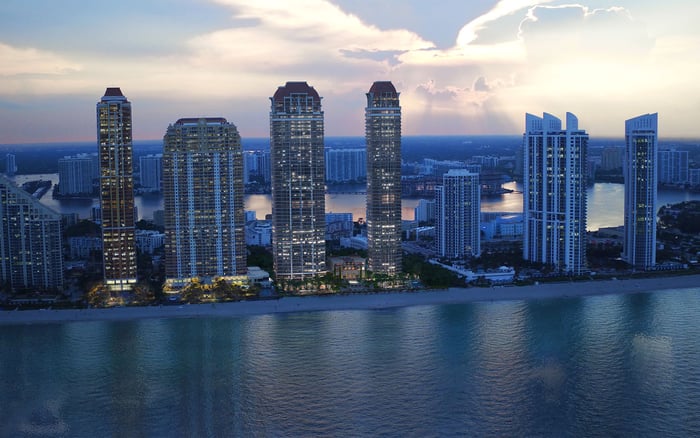
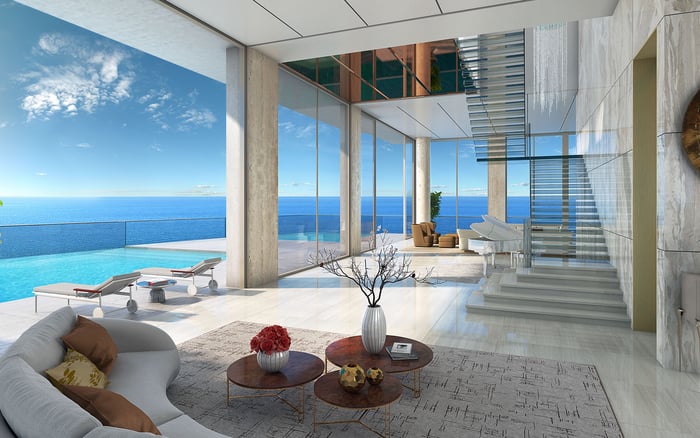
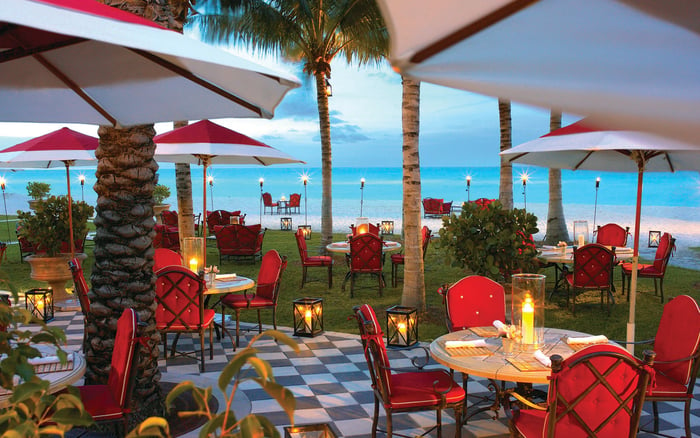
A buyer-focused look at how beach access protocols influence privacy, daily comfort, service expectations, and long-term confidence at Acqualina Residences and 900 Ocean Surfside.
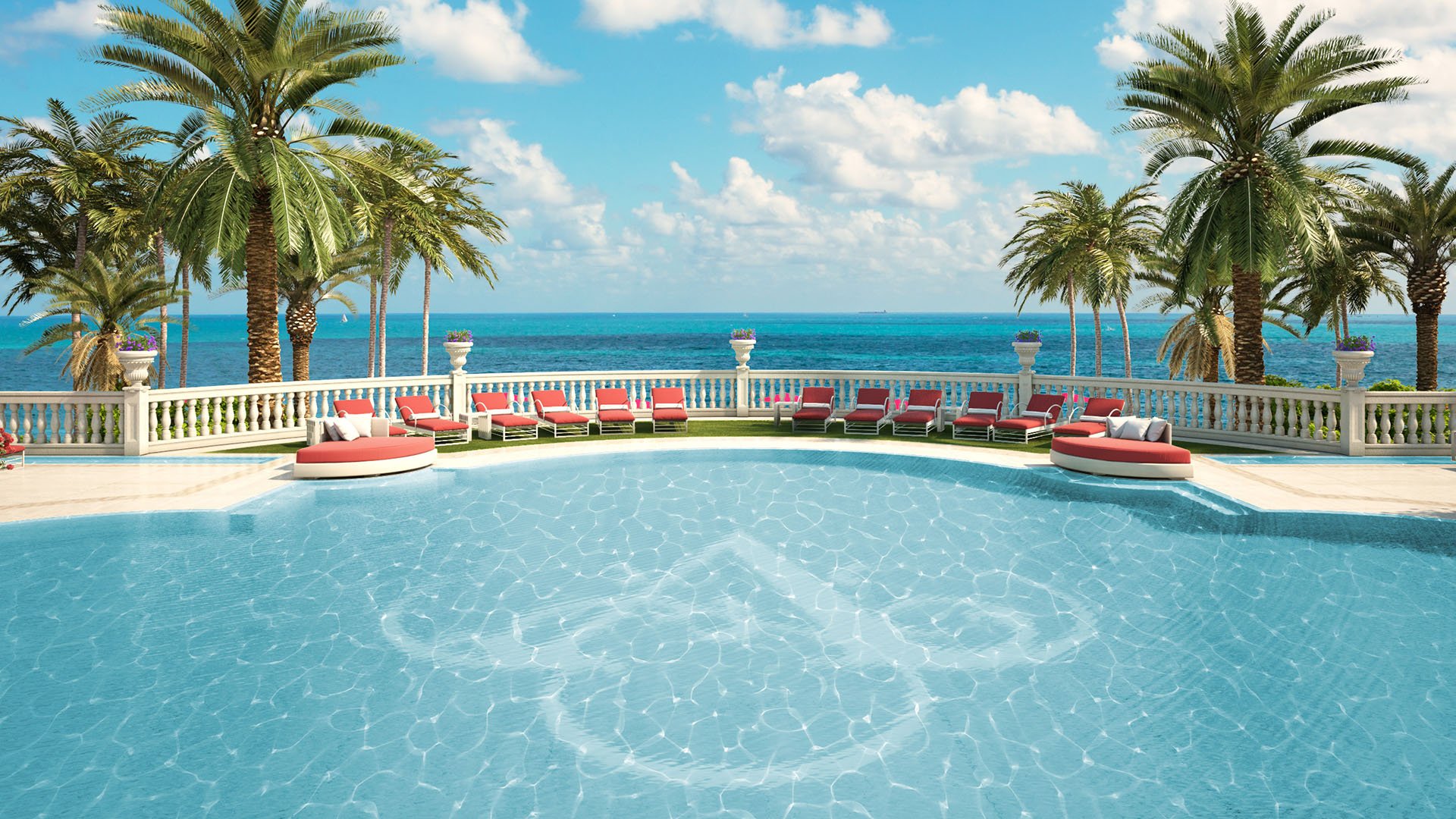
For oceanfront buyers, the beach is not merely a view. It is a daily sequence of movement, service, privacy, and return. At Acqualina Residences and 900 Ocean Surfside, the essential question is not only proximity to the sand, but how gracefully each property manages the transition from private residence to shoreline and back again.
This is where beach access protocols become a quiet marker of quality. A well-run oceanfront building should make the beach feel effortless while preserving residential discretion. The strongest systems anticipate how owners actually live: morning walks, afternoon chairs, family visits, pet routines, wet towels, delivered lunches, children moving between pool and sand, and guests who may not know the property’s etiquette.
In shorthand, this is the beach-access question that separates oceanfront ownership in Sunny Isles and Surfside from conventional resort living. Buyers often focus first on architecture, ceiling heights, finishes, and views. Yet the beach protocol can shape the lived experience as directly as the residence itself.
Acqualina Residences sits within the broader Sunny Isles luxury conversation, where direct shoreline living is one of the market’s defining expectations. In this setting, beach access is typically evaluated through the lens of refinement: how residents are greeted, how the path to the sand is controlled, how beach furniture is handled, and whether service feels intuitive rather than transactional.
For a buyer comparing Acqualina Residences with nearby ultra-premium addresses, including The Estates at Acqualina Sunny Isles, the key is to look beyond the promise of an oceanfront lifestyle. The more important test is operational consistency. Does the experience feel equally composed on a quiet weekday and during a holiday weekend? Is staff presence visible without feeling intrusive? Are guests handled with clarity, so owners are not required to manage every detail themselves?
Sunny Isles has long attracted buyers who want a polished, vertical resort rhythm with the Atlantic as the daily anchor. In that context, the best beach protocol is almost invisible. It turns the beach into an extension of the private residence, not a public threshold that must be negotiated each time an owner steps outside.
Surfside has a different cadence. It is smaller, quieter, and more village-like in atmosphere, which can make beach access feel more personal. For 900 Ocean Surfside, buyers should consider how the building defines privacy along the sand, how residents and guests move through common areas, and how the shoreline experience is protected from becoming overly casual.
The comparison with other Surfside addresses, including The Surf Club Four Seasons Surfside, is useful not because every building operates the same way, but because the local buyer expects a particular balance: understated service, direct ocean connection, and a calm arrival sequence. In Surfside, the beach is a public edge and a private lifestyle at once. Protocols help reconcile those two realities.
For owners who value discretion, the small details matter. A separate or well-managed resident path, clear rules for guests, thoughtful storage for beach items, and respectful staff choreography can make an oceanfront building feel more residential. Without those details, even a beautiful location can feel less controlled than expected.
The most useful beach access questions are practical. Where does a resident collect towels or arrange chairs? Can guests use the same beach setup, and under what conditions? Are there restrictions on outside vendors, coolers, umbrellas, water toys, or beach equipment? How are children supervised between the pool deck and the sand? What happens during high-season weekends?
Pet policies deserve particular attention. Many South Florida luxury buyers travel with dogs or host family members who do. The beach path, elevator use, cleanup rules, and permitted areas can meaningfully affect daily convenience. A permissive pet policy on paper may still feel restrictive if the access sequence is awkward.
Security is equally important. Buyers should ask how the building monitors the beach boundary, whether access points are controlled, and how staff distinguish residents from guests or the general public. The goal is not to create a fortress. It is to preserve ease while maintaining a residential standard of privacy.
Finally, owners should understand seasonal operations. A beach protocol that works beautifully in September may be tested in March. Staffing levels, furniture availability, guest limits, and response times during peak periods reveal whether the building’s promise is durable.
The return from the beach is where many protocols either succeed or fail. The finest experience is not only about reaching the sand. It is about coming back without carrying half the beach into the elevator, lobby, or residence.
Buyers should look for rinse areas, towel handling, discreet staff assistance, and pathways that make sense for wet feet and children. Board storage, beach toy policies, and equipment rules can also matter, particularly for families who treat the ocean as part of daily life rather than a backdrop.
In a true luxury building, these details should not feel improvised. They should be built into the culture of the property. The better the system, the less an owner has to think about it.
Beach access is not always expressed in a listing description, but sophisticated buyers register it quickly during a showing. A composed oceanfront arrival suggests careful management. A confusing or inconsistent beach sequence can raise questions about broader building operations.
This is why protocols influence confidence. They affect the owner’s daily life, the guest experience, and the emotional memory of the property. For second-home buyers, who may arrive for short periods and expect everything to work immediately, that consistency is especially valuable.
At the top of the market, the distinction is rarely the existence of beach access. It is the quality of the access, the discretion around it, and the confidence that the same standard will hold over time.
What is a beach access protocol? It is the set of rules, staffing practices, routes, and services that govern how residents move between the building and the beach.
Why does beach access matter in a luxury condo? It affects privacy, convenience, guest experience, security, and the overall feeling of daily oceanfront living.
Should buyers ask about guest beach privileges? Yes. Guest rules can affect family visits, entertaining, seasonal use, and how easily owners can host without friction.
Are pet rules part of beach access due diligence? Yes. Elevator routes, permitted areas, cleanup standards, and shoreline restrictions can all shape the daily experience for pet owners.
What should families review closely? Families should review pool-to-beach movement, child supervision expectations, towel service, equipment storage, and peak-period rules.
Can beach protocols affect resale value? They can influence buyer confidence because they reflect how well the building manages its most important lifestyle amenity.
Is Surfside different from Sunny Isles? Yes. Surfside often feels quieter and more village-like, while Sunny Isles is known for a more vertical oceanfront resort rhythm.
What is the biggest red flag during a showing? Confusing access routes, unclear staff roles, poor storage, or inconsistent guest rules can signal operational weakness.
Should buyers review written rules before closing? Yes. Written beach, guest, pet, and vendor rules help clarify what daily ownership will actually feel like.
What is the best way to shortlist comparable options for touring? Start with location fit, delivery status, and daily lifestyle priorities, then compare stacks and elevations to validate views and privacy.
If you'd like a private walkthrough and a curated shortlist, connect with MILLION.
If branded residences are on your mind — as a home or as an allocation — we would be glad to share what we are seeing, privately.
Begin a quiet conversation