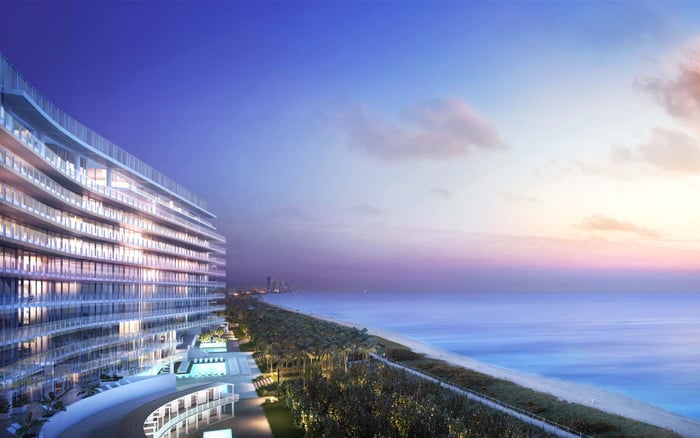
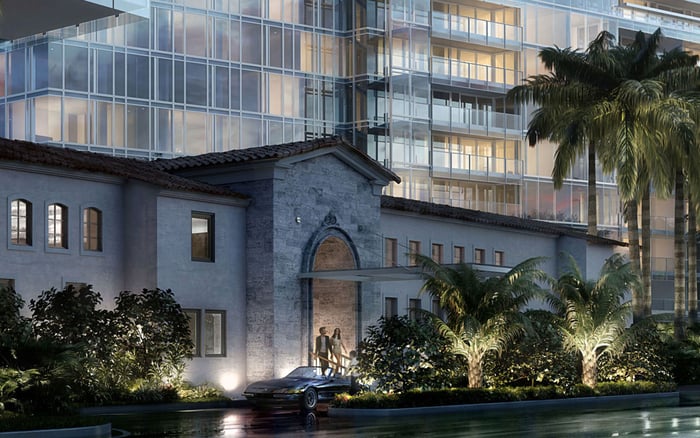
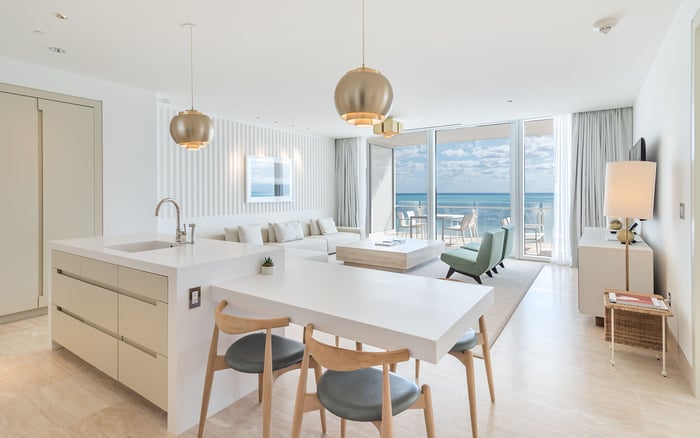
A buyer-focused guide to generator due diligence at The Surf Club Four Seasons Surfside, with the key documents, systems, and hurricane-readiness questions to verify before closing.
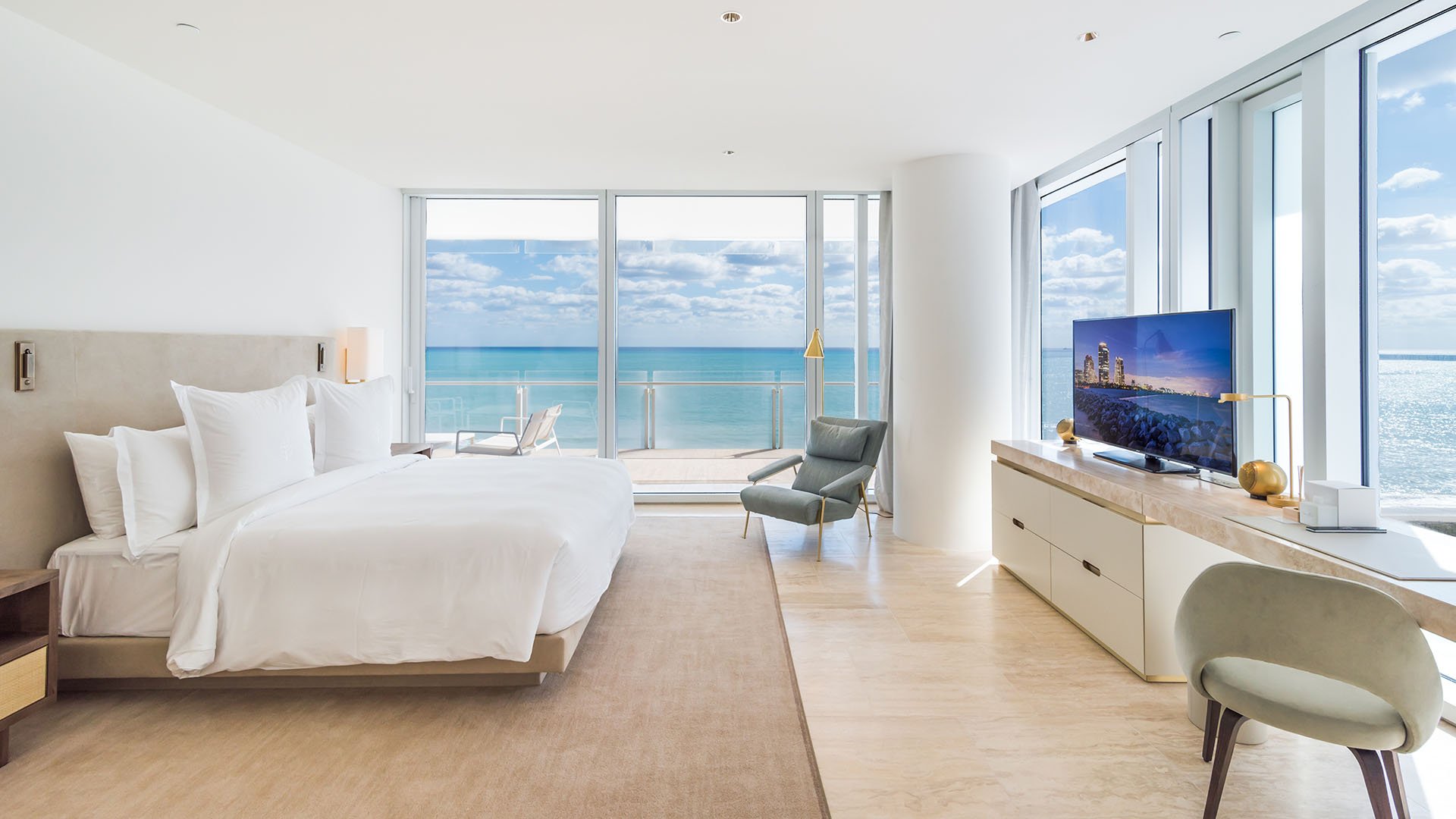
At the highest end of South Florida real estate, resilience belongs in the luxury conversation. Views, service, architecture, privacy, and finishes may shape first impressions, but emergency-power coverage often determines how a residence performs when conditions are least forgiving. For buyers considering The Surf Club Four Seasons Surfside, generator due diligence should be handled with the same rigor as title review, financial review, and inspection of the residence itself.
The essential point is not to assume that “generator” means the same thing in every building, or even across every part of a mixed-use property. Emergency power may be limited to code-required life-safety systems, or it may extend to selected residential comfort systems, communications, access control, water pressure, or in-unit circuits. The distinction is significant for an oceanfront home intended for year-round living, seasonal occupancy, or second-home use during storm season.
Buyers comparing Surfside options, from Arte Surfside to Fendi Château Residences Surfside, should treat generator scope as both a building-specific and residence-specific question. The right answer is not a verbal summary. It is a written coverage schedule, supported by engineering documents, maintenance records, and association disclosures.
The first request should be direct: ask for the written generator coverage schedule. This document should identify what is actually connected to emergency power and what is not. It can clarify whether the system is designed only for life-safety requirements or whether it also supports elements that affect livability during an extended outage.
A buyer should ask the building, association, or appropriate representative to identify generator-backed systems in plain language. Which elevators are covered? Which lighting areas remain operational? Does emergency power reach parking, amenity levels, service areas, staff areas, and common areas? Are coverage levels identical across residential towers, hotel components, amenities, and back-of-house functions, or do they differ by building component?
That distinction is especially relevant in a property where branded hospitality and private residences coexist. A hotel component may have different operating priorities than condominium units. Amenities may have different coverage from corridors, lobbies, parking, or residential floors. The answer should be documented, not inferred.
Elevator service is one of the first practical questions for any high-rise or resort-style condominium buyer. Ask which elevators are generator-backed and whether residents retain elevator access across all residential towers, amenity levels, parking areas, and service areas during a utility outage. It is not enough to know that “an elevator” is backed up. Buyers should understand which elevator, where it stops, how it is prioritized, and whether service is rotational, limited, or continuous.
Life-safety systems deserve the same specificity. Ask whether fire pumps, emergency lighting, alarm systems, communication systems, and stair pressurization are included in emergency-power coverage. These are core systems, but buyers should still verify the exact scope because comfort and convenience systems may sit outside that baseline.
For beach-access living in Surfside, access planning also has a lifestyle dimension. A residence may be physically exquisite, but if an outage limits movement between parking, lobby, residence, and service spaces, daily life can become complicated quickly. Buyers looking across Eighty Seven Park Surfside and other nearby luxury properties should compare not only design language, but operational continuity.
The most common misunderstanding is the assumption that generator-backed common areas automatically mean the residence itself remains comfortable. Ask directly whether any in-unit electrical loads are backed up. This can include refrigerators, selected outlets, lighting circuits, medical-device circuits, or smart-home systems. If any in-unit coverage exists, the buyer should ask where it is located, how it is labeled, and whether it applies uniformly to all residences.
Cooling is another essential question. Ask whether air conditioning, chilled water, fan coils, or any cooling function continues during a utility outage. In South Florida, the difference between emergency lighting and habitable cooling is meaningful, particularly for families, elderly residents, pets, art collections, and extended stays after a storm.
Water systems also require careful review. Ask whether domestic water pumps, hot water systems, and booster pumps remain operational on generator power. A high-design residence loses much of its practical comfort if water pressure is compromised. The same applies to internet, building Wi-Fi, access-control systems, security cameras, and front-desk communication systems. In a luxury building, communications and controlled access are not incidental conveniences. They are part of the private-service infrastructure.
Generator capacity is only one part of the resilience equation. Runtime is the other. Ask how long the generator can run at expected load before refueling is required. Pair that question with a review of where generator fuel is stored, how much fuel is stored on-site, and whether the building maintains a priority refueling contract.
Buyers should also ask for the most recent generator load test, maintenance records, and service-contract documentation. Routine testing can confirm that equipment starts, but the more useful inquiry is whether the generator system has been tested under full building load, not only under partial or routine test conditions. The practical question is not merely whether the generator exists. It is whether the backed-up systems perform as expected when demand resembles a real outage scenario.
This is where serious resale due diligence becomes valuable. A polished tour can show finishes, views, and amenities. Documents can reveal how the building prepares for stress. Ask for generator load schedules, electrical one-line diagrams, maintenance logs, the reserve study, insurance engineering materials, and condominium association disclosures where available.
Generator coverage is not only about what stays on. It is also about where the equipment is located and how it may affect a specific residence. Ask whether generator noise, exhaust location, vibration, rooftop placement, or mechanical-room proximity could affect the home under consideration.
This is particularly important for buyers focused on quiet enjoyment, terrace use, high-floor privacy, or corner exposures. A residence close to mechanical infrastructure may have a different experience during testing or prolonged use than a residence in another line. The question should be asked before contract contingencies expire, not after closing.
Buyers touring The Delmore Surfside or other new-generation Surfside residences may naturally focus on architecture and amenity programming. At The Surf Club Four Seasons Surfside, the same level of attention should be applied to how emergency-power infrastructure interacts with the specific home being purchased.
Emergency-power coverage can change over time. Ask whether coverage has changed since original construction because of retrofits, equipment replacements, code updates, or board decisions. A system installed or configured at one point in the building’s history may not describe current operating reality.
Condominium documents, engineering reviews, property-condition materials, and association disclosures may identify generator capacity, exclusions, planned upgrades, or known limitations. Buyers should also ask whether reserve funding is allocated for generator replacement, major repairs, fuel-system work, or emergency-power upgrades. A luxury address is not immune from capital planning. The question is whether the association has anticipated the lifecycle of critical infrastructure.
Hurricane procedures should be reviewed with equal seriousness. Ask whether written procedures explain what residents can expect during extended outages, including elevator service, cooling, water pressure, lighting, and security. Clarity is valuable because it helps buyers understand not only the engineering, but the lived experience of the building during a disruptive event.
The most refined buyers do not treat generator coverage as a yes-or-no question. They ask for documents, compare the answers with their intended use of the residence, and evaluate whether the building’s emergency-power profile matches their expectations.
For a primary residence, priorities may include cooling, water pressure, elevator continuity, communications, and security. For a seasonal or second-home buyer, priorities may include remote access systems, refrigerator coverage, hurricane procedures, and staff communication. For owners with medical needs, art storage, pets, or extended family occupancy, the questions become even more specific.
The right conclusion may still be favorable. The point is to understand the scope before buying, not to discover its limits during a storm. In Surfside, where privacy and service are central to the value proposition, generator due diligence is part of owning intelligently.
Should I rely on a verbal explanation of generator coverage? No. Ask for a written generator coverage schedule and supporting documents before relying on any verbal summary.
Does generator power always include air conditioning? Not necessarily. Ask whether air conditioning, chilled water, fan coils, or any cooling function continues during a utility outage.
Are all elevators usually backed up by generator power? Do not assume that. Ask which elevators are backed up and whether service reaches residences, amenities, parking, and service areas.
What life-safety systems should be confirmed? Ask about fire pumps, emergency lighting, alarms, communication systems, and stair pressurization.
Can in-unit outlets or refrigerators be generator-backed? They can be in some buildings, but coverage must be verified. Ask specifically about refrigerators, selected outlets, lighting circuits, medical-device circuits, and smart-home systems.
Why does fuel storage matter? Fuel determines runtime. Ask how much is stored on-site, where it is stored, and whether there is a priority refueling arrangement.
What maintenance records should a buyer request? Ask for recent load tests, maintenance logs, service-contract documentation, and evidence of full-load testing where available.
Can generator coverage differ within the same property? Yes. Ask whether coverage differs between condo units, hotel components, amenities, staff areas, parking, and common areas.
Should I consider generator noise before choosing a residence? Yes. Ask whether noise, exhaust, vibration, or mechanical placement could affect the specific home.
Do reserves matter for generator systems? Yes. Ask whether reserves address replacement, major repairs, fuel-system work, or emergency-power upgrades.
For a tailored shortlist and next-step guidance, connect with MILLION.
If branded residences are on your mind — as a home or as an allocation — we would be glad to share what we are seeing, privately.
Begin a quiet conversation