For Coconut Grove buyers with pets, the best condo choice is rarely defined by a single amenity. It is shaped by access, association rules, elevator routines, staff protocol, outdoor space, and the quiet ways daily life actually unfolds.

For a pet owner, a Coconut Grove condo is not simply a residence with a view, a lobby, and a carefully composed amenities deck. It is a daily operating system. The strongest fit is the building where morning walks, elevator etiquette, staff coordination, outdoor relief, grooming, deliveries, and quiet rest all function without friction.
That makes the search more exacting. A residence may be visually compelling yet inconvenient for a household with a dog. Another may be more understated, but superior because the entrance sequence, elevator access, and service culture are calmer and easier to manage. In the Grove, where buyers often prize privacy and a more residential cadence, these operational details deserve the same attention as finishes, exposures, and floor plan.
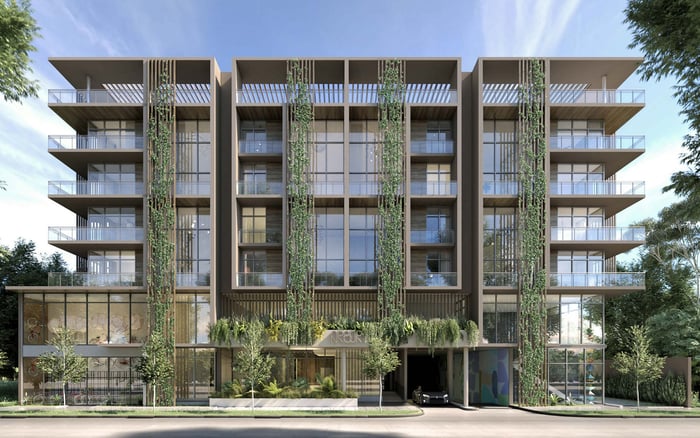
When comparing Coconut Grove options such as Arbor Coconut Grove, Four Seasons Residences Coconut Grove, Mr. C Tigertail Coconut Grove, and The Well Coconut Grove, the right question is not merely whether pets are permitted. The sharper question is whether the building’s rules and daily logistics align with the specific animal, household routine, and level of service expected.
Access is the first practical filter. Pet owners should study how a dog moves from residence to sidewalk, garage to elevator, lobby to exterior, and unit to relief area. A glamorous lobby becomes less persuasive if every outing requires an awkward route, a long elevator wait, or a path that conflicts with guests arriving for dinner.
The strongest buildings for pet households feel intuitive. The path should be legible, discreet, and repeatable. Owners should ask whether pets use the main elevator, a service elevator, or a designated route. They should also consider how that route changes during peak hours, rainy weather, move-ins, valet activity, or building maintenance.
For larger dogs, puppies, senior animals, or pets with anxiety, distance matters. A beautiful residence on a high floor may require more patience if elevator timing is unpredictable. A lower floor can be more convenient, but only if it preserves the privacy, security, and outlook the buyer wants. The right answer is personal, but the question should be asked early.
Pet rules are not a formality. They are part of the property’s living experience and should be reviewed before a buyer becomes emotionally committed to a residence. Weight limits, number-of-pet restrictions, breed language, registration requirements, deposits, elevator protocols, leash rules, and waste expectations can materially affect suitability.
The most important step is to review the governing documents and current building rules before contract deadlines pass. Verbal assurances are not enough for a serious purchase. A polished sales conversation may describe a building as pet friendly, but the practical definition lives in the association documents and day-to-day enforcement.
Buyers should also ask how consistently rules are applied. A building that enforces standards calmly and uniformly may be easier to live in than one where expectations shift by shift. For luxury owners, predictability is often the amenity. Clear rules protect the building, the animal, the staff, and neighboring residents.
In a refined condo, the pet experience often depends on service rather than spectacle. A doorman who recognizes a dog walker, a valet team that understands the household’s routine, a management office that processes pet registration efficiently, and a staff culture that handles incidents discreetly can make ownership feel seamless.
This is especially important for seasonal residents, frequent travelers, and households with domestic staff. If a walker needs access, the building should have a clear procedure. If grooming, veterinary visits, or pet deliveries are part of the routine, the buyer should understand how packages, vendors, and scheduling are handled.
The best questions are simple. Can authorized walkers enter without confusion? Are there designated pickup points? How are pet-related complaints handled? What happens if a pet becomes ill while an owner is away? These are not dramatic hypotheticals. They are the ordinary details that separate a merely permissive building from a genuinely livable one.
Private outdoor space can be valuable, but it should be evaluated realistically. A balcony may offer fresh air and a moment of calm, yet it is not a substitute for proper outdoor access. A terrace can be more usable, especially for households that want planters, shade, or a more generous transition between interior and exterior living.
Safety is essential. Buyers should consider railing design, surface materials, drainage, sun exposure, wind, and supervision. A terrace that looks spectacular in photographs may become less practical if it overheats, lacks shade, or feels exposed. Conversely, a modest outdoor area may be highly useful if it is secure, sheltered, and adjacent to the rooms where the household actually spends time.
Inside the residence, flooring, storage, elevator proximity, laundry access, and the location of the primary bedroom all matter. Pet ownership rewards layouts that can absorb routine. There should be a place for leashes, towels, food, beds, crates, carriers, and cleaning supplies without compromising the elegance of the home.
The most successful pet-owner searches begin with a written brief. It should state the number of animals, approximate size, temperament, walking schedule, service needs, travel patterns, and any non-negotiable requirements. For Coconut Grove buyers, that brief should connect policy review, private outdoor space, elevator access, and staff protocol into one practical picture.
From there, each building can be tested against three questions. Does the association allow the pet without ambiguity? Does the access sequence work every day, not just during a showing? Does the service culture support the household’s routine without repeated explanations?
This discipline also protects resale. Future buyers with pets will ask similar questions, and a residence that solves daily life gracefully may command broader appeal among lifestyle-driven purchasers. The goal is not to find a building that simply tolerates animals. The goal is to find one where the household, the pet, and the property operate in quiet alignment.
For Coconut Grove pet owners, true luxury is measured in reduced friction. It is the ability to leave for a morning walk without negotiating a maze of corridors. It is the confidence that staff understand access permissions. It is the comfort of knowing the rules are clear before a purchase is made. It is a home where a pet’s presence does not feel like an accommodation, but like an integrated part of how the residence lives.
The right condo will still satisfy the traditional priorities: architecture, privacy, outlook, finish quality, amenities, and long-term value. But for pet owners, those priorities sit alongside the practical choreography of daily care. When that choreography is elegant, the entire home feels more composed.
Should pet rules be reviewed before making an offer? Yes. Buyers should review current association documents and rules early, especially if the pet’s size, breed, or number could raise questions.
Is a pet-friendly building always the best choice for dog owners? Not necessarily. The access route, elevator routine, staff protocol, and outdoor convenience may matter as much as permission itself.
Do luxury condos usually treat pet access the same way? No. Each building can have different expectations for elevators, entrances, registration, walkers, and common areas.
Why does elevator access matter so much? Pets use the route daily, often several times a day. Long waits or confusing procedures can become a persistent inconvenience.
Is a balcony enough for a pet owner? A balcony can be pleasant, but it should not replace safe, practical access to appropriate outdoor areas.
What should seasonal residents ask management? They should ask how walkers, caretakers, vendors, emergencies, and owner absences are handled by building staff.
Can a terrace improve pet livability? Yes, if it is secure, shaded, manageable, and suited to the pet’s behavior. Safety and supervision remain essential.
Should buyers rely on verbal pet-policy assurances? No. Written rules and governing documents are the proper reference point before a serious purchase decision.
Do pet policies affect resale? They can. Clear, workable pet policies may broaden appeal among future buyers with similar lifestyle needs.
What is the most important priority for pet owners in Coconut Grove? The best priority is fit: rules, access, service, layout, and outdoor routine should work together without daily friction.
For a tailored shortlist and next-step guidance, connect with MILLION.
If branded residences are on your mind — as a home or as an allocation — we would be glad to share what we are seeing, privately.
Begin a quiet conversation