A buyer-focused guide to evaluating terraces, balconies, pools, materials, privacy, and maintenance expectations in Coral Gables luxury residences.
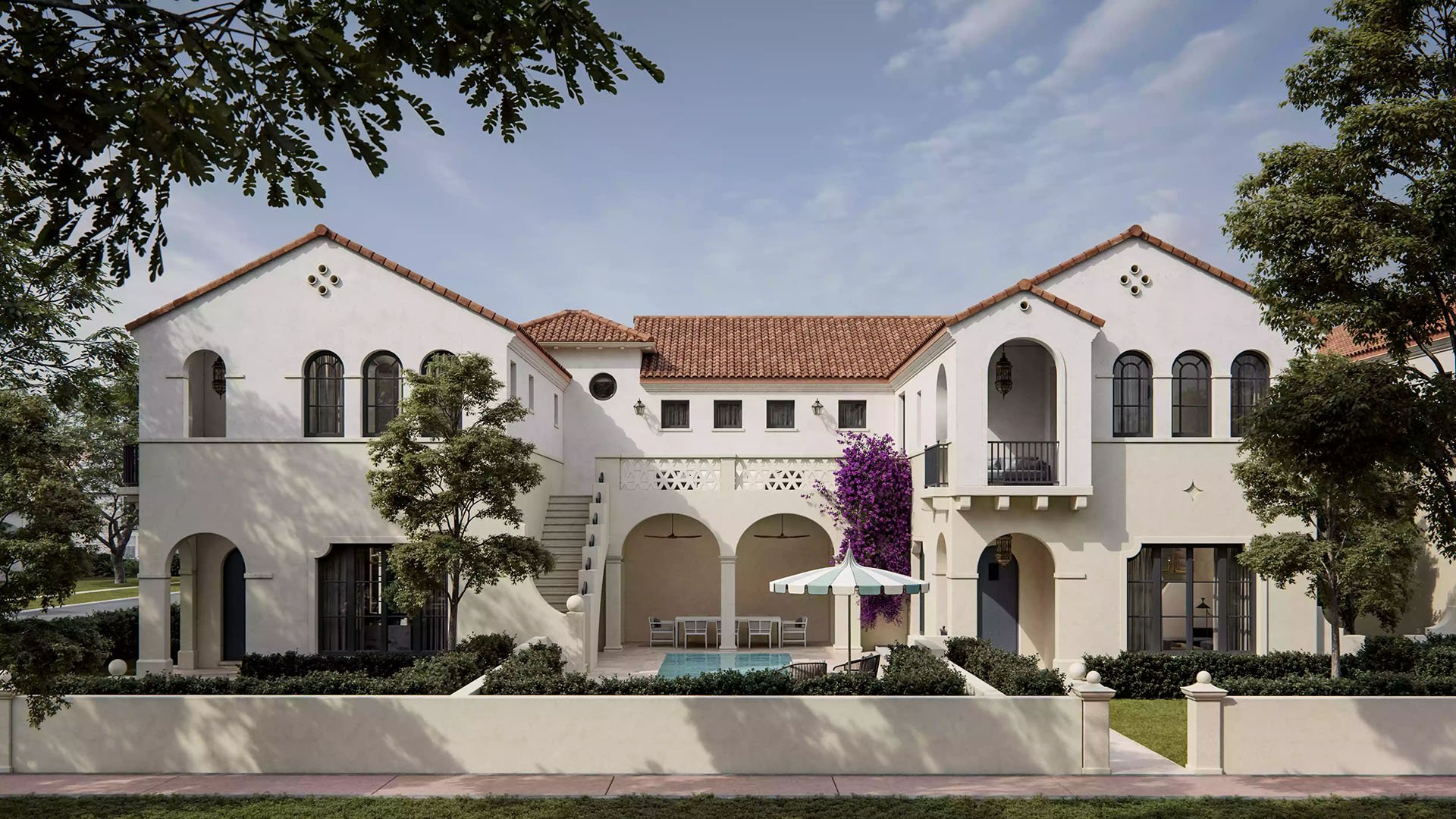
In Coral Gables, outdoor space is not a decorative bonus. For many luxury buyers, it is central to how a residence lives day to day. A terrace can become a morning coffee room, a shaded reading salon, a dining room for intimate evenings, or the quiet threshold between interior architecture and the garden beyond. Yet even the most beautiful outdoor room can disappoint if its maintenance demands, material choices, privacy, and everyday usability have not been evaluated with the same rigor as the kitchen or primary suite.
The key is to look beyond size. A generous terrace that lacks shade, feels exposed, or drains poorly may be less useful than a more compact space with thoughtful orientation, refined surfaces, and easy access from the main living areas. Buyers should treat outdoor living as a system: structure, finishes, lighting, landscape, furniture, water management, and building rules all shape the experience.
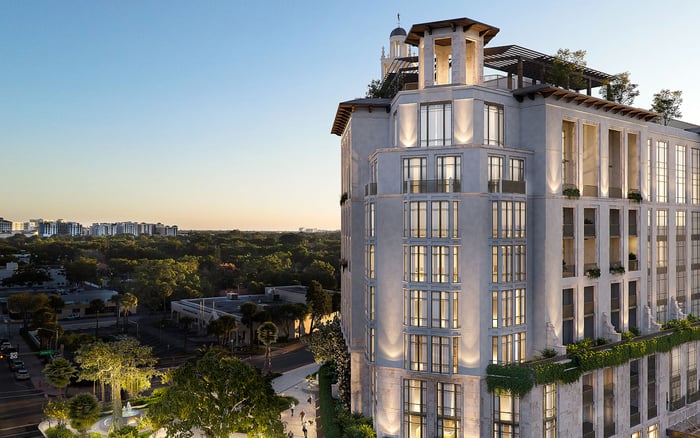
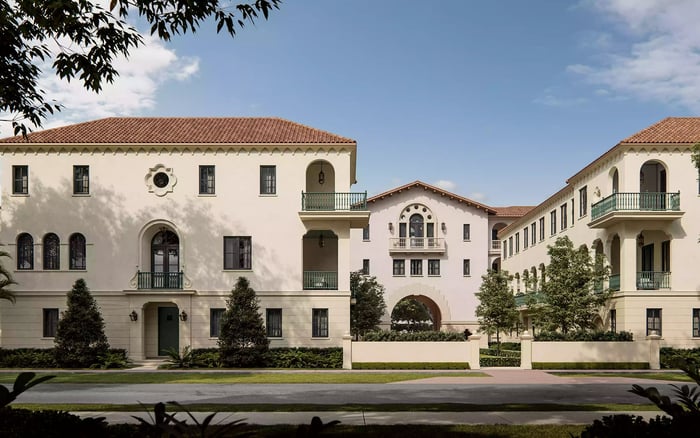
That mindset is especially important when comparing single-family homes, townhomes, and new residential offerings. Projects such as The Village at Coral Gables show why buyers are asking more sophisticated questions about how private outdoor rooms connect to the rest of the home. The right terrace should feel effortless. Achieving that ease requires discipline before the contract is signed.
Start with how the terrace is reached. The strongest outdoor areas connect naturally to daily life, not only to a formal entertaining zone. If the access point is awkward, narrow, or far from the kitchen, the space may be used less often than expected. If it opens from a principal bedroom, consider whether the setting feels private enough for everyday comfort.
Then study exposure. A terrace that receives strong sun at the wrong time of day may need shading, planting, or different furnishings. A shaded space may feel more comfortable, but it still needs good lighting and air movement to avoid feeling dormant. Buyers should visit at different times when possible and imagine real patterns of use: breakfast, remote work, evening drinks, weekend lunches, and quiet late-night moments.
Privacy deserves equal scrutiny. Railings, neighboring windows, sightlines from shared areas, and adjacent rooftops can all affect how a terrace feels. In luxury real estate, privacy is not simply about concealment. It is about composure. The outdoor room should allow people to relax without constantly adjusting how they sit, dress, speak, or entertain.
Search labels such as Coral Gables, terrace, balcony, pool, and new construction may be useful starting points, but the real work is a property-level review. Buyers should ask how the outdoor area will age, who maintains each component, and what can be changed after closing.
Outdoor finishes should be judged by touch, traction, heat, stain resistance, and maintenance, not only by photography. Pale stone, textured tile, wood-look materials, and architectural pavers can all be attractive, but each behaves differently under sun, rain, furniture, planters, and regular cleaning. Buyers should ask what surfaces are installed, whether they are sealed, how often they require care, and which products are recommended.
The same discipline applies to railings, drains, planters, pergolas, summer kitchens, and built-in seating. Outdoor metalwork should be inspected for signs of wear. Wood or wood-like elements should be evaluated for fading, movement, or refinishing needs. Planters should be considered not only for beauty, but also for irrigation, drainage, root control, and access for maintenance crews.
At Ponce Park Coral Gables, buyers drawn to the Coral Gables lifestyle will naturally focus on elegance and setting. The sharper question is how that elegance is supported operationally. A well-conceived outdoor area should have surfaces that can be maintained without constant intervention and details that do not become fragile under normal use.
Furniture is part of the maintenance equation as well. Oversized pieces may look compelling in a presentation, but buyers should verify circulation paths, storage needs, cushion care, and whether wind, sun, or rain will make certain selections impractical. Outdoor living is most luxurious when the space is ready whenever the owner is ready.
Drainage is one of the least glamorous and most important terrace issues. Buyers should look for low points, staining, pooling, slope, drain locations, and how water moves away from doors. Even a finely finished terrace can become inconvenient if water collects near thresholds or beneath furniture.
Door systems also matter. Thresholds should feel secure and practical, especially where indoor floors meet exterior surfaces. Buyers should ask whether there are maintenance protocols for tracks, seals, and hardware. Smooth indoor-outdoor flow is appealing, but the performance of the transition is what preserves the experience over time.
If the residence includes a private pool, plunge pool, spa, fountain, or water feature, maintenance responsibilities should be explicit. Understand who services the equipment, where mechanical access is located, what noise may be present, and how water chemistry, cleaning, and repairs are handled. A water element can elevate a terrace dramatically, but it also introduces recurring care.
For buyers comparing Coral Gables with nearby low-density settings, Cora Merrick Park is a reminder that outdoor space should be judged as part of a larger residential rhythm. The terrace is not isolated. It interacts with parking, service access, landscaping, amenity expectations, and the way residents move through the property.
Not every buyer needs the largest private terrace. Some prefer a balanced arrangement: a gracious balcony or terrace for daily use, paired with shared amenities for swimming, lounging, fitness, or entertaining. The right answer depends on lifestyle, household size, travel patterns, and how often guests are hosted.
A large private outdoor area can be deeply rewarding, but it may require more furniture, more cleaning, more plant care, and more attention after storms or extended absences. A smaller outdoor room can be easier to keep pristine, particularly for seasonal owners or frequent travelers. Buyers should be honest about how much maintenance they want to manage directly.
In nearby Coconut Grove, Four Seasons Residences Coconut Grove offers a useful comparison point for buyers weighing full-service living against private outdoor control. Service culture, building management, and amenity programming can influence whether a residence feels effortless, especially when the owner is not in town year-round.
The best outdoor living decision is rarely about maximizing square footage at all costs. It is about matching space to behavior. A buyer who entertains frequently may prioritize dining depth, outdoor kitchen potential, and guest circulation. A quieter owner may prefer greenery, privacy, soft lighting, and a smaller area that always feels composed.
Before closing, buyers should clarify what belongs to the owner, what belongs to the association or building, and what requires approval before changes are made. This includes flooring, railings, planters, lighting, awnings, pergolas, irrigation, exterior speakers, fans, grills, and any built-in components. Ambiguity can become expensive once an owner wants to personalize the space.
Ask whether outdoor modifications are restricted by building rules, architectural standards, or permitting needs. Ask how repairs are coordinated if a leak, drainage concern, or finish failure affects another residence or common element. Ask who has access to the terrace for maintenance and how appointments are scheduled.
Insurance and warranties should also be reviewed with qualified advisors. Outdoor improvements may not be treated the same way as interior finishes. If the seller added custom features, buyers should request documentation, manuals, approvals, and service contacts where available. If the home is new or recently renovated, ask how exterior workmanship is covered and what maintenance is required to preserve coverage.
Finally, consider the owner’s personal tolerance for upkeep. Some buyers enjoy caring for planters, furnishings, and entertaining spaces. Others want a turnkey environment where staff, management, or vendors handle nearly everything. Neither preference is superior. The important point is alignment.
For South Florida’s luxury buyer, outdoor living should be seductive, but never vague. The terrace must be considered with the same seriousness as ceiling heights, closet design, kitchen planning, parking, and views. It is a living room exposed to weather, light, neighbors, and time.
A well-selected Coral Gables residence will make outdoor life feel natural rather than demanding. The most successful terraces are not simply photogenic. They are shaded when needed, private where it matters, durable under regular use, and easy to maintain without diminishing the pleasure of ownership.
The buyer’s advantage comes from asking practical questions early. What will this space feel like at noon? Who cleans it after a storm? Can furniture remain outside? Are planters irrigated? Can lighting be added? Is grilling allowed? Does the layout support real dining, or only occasional seating? The answers often reveal whether an outdoor area is truly luxurious or merely attractive.
How important is terrace size in Coral Gables? Size matters, but layout, shade, privacy, and access usually determine how often the terrace is actually used.
Should I prioritize a terrace or a balcony? A terrace often offers more flexibility, while a balcony may be easier to maintain. The better choice depends on lifestyle and upkeep expectations.
What should I inspect first on an outdoor space? Begin with drainage, surface condition, door thresholds, privacy, and whether the space connects naturally to the home’s main living areas.
Are outdoor kitchens always worth it? They can be valuable for frequent entertainers, but buyers should review ventilation, maintenance, appliance protection, and building rules first.
How do I evaluate terrace privacy? Stand in the main seating zones and look for direct sightlines from neighboring residences, common areas, rooftops, and nearby windows.
What maintenance questions should seasonal owners ask? Ask who checks drains, cleans surfaces, manages plants, secures furniture, and coordinates service when the owner is away.
Can I change terrace flooring after purchase? Possibly, but changes may require approvals. Buyers should review building rules, ownership boundaries, and any applicable requirements before assuming flexibility.
Is a private pool difficult to manage? It depends on equipment, access, service arrangements, and frequency of use. Clear maintenance responsibility is essential before closing.
What makes new construction outdoor space appealing? Buyers often value newer planning, fresh finishes, and clearer documentation, but they should still verify maintenance duties and customization limits.
How should I compare Coral Gables with Coconut Grove outdoor living? Focus on privacy, service, architecture, and daily convenience rather than assuming one setting is automatically better for outdoor use.
For a confidential assessment and a building-by-building shortlist, connect with MILLION.
If branded residences are on your mind — as a home or as an allocation — we would be glad to share what we are seeing, privately.
Begin a quiet conversation