A strategic comparison of The Well Bay Harbor Islands and Opus Coconut Grove for buyers weighing branded wellness prestige against boutique, place-led Coconut Grove exclusivity.

The comparison between The Well Bay Harbor Islands and Opus Coconut Grove is not a simple contest of finishes, lobby drama, or launch momentum. Both are framed for an upper-tier Miami audience. Both speak to buyers who expect design, privacy, and a more considered residential experience than a conventional condominium can offer. The real question is sharper: which form of prestige is more durable for the way a buyer lives, holds, and eventually resells?
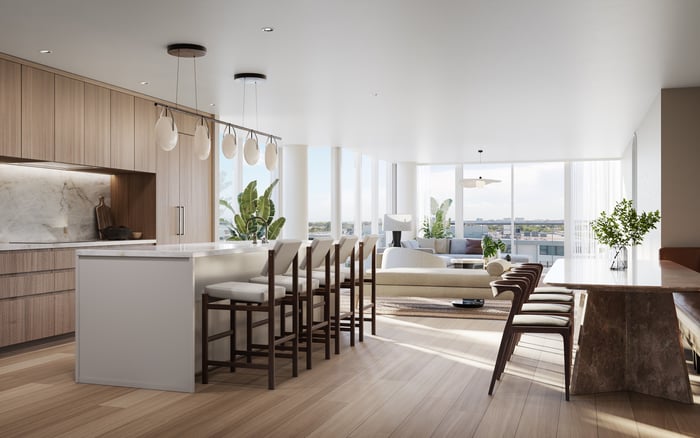
The Well Bay Harbor Islands is a brand-led proposition. Its identity is tied to wellness, service, design, and a hospitality-style residential thesis. Opus Coconut Grove is more place-led. Its appeal rests on boutique scale, architectural presence, and the long-established desirability of Coconut Grove as one of Miami’s most specific residential neighborhoods.
For a sophisticated buyer, that distinction matters. New-construction prestige can be powerful at launch, but long-term value depends on whether the building’s core promise remains legible years later. At The Well, that promise is the wellness ecosystem. At Opus, it is the Coconut Grove setting and the discipline of boutique exclusivity.
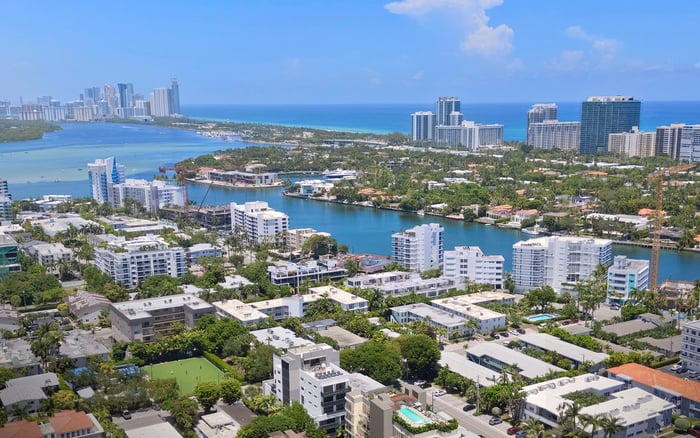
The Well Bay Harbor Islands asks buyers to believe in a branded lifestyle product, not merely a luxury address. Its value case is strongest for those who want the residence to function as part home, part retreat, and part curated service environment. Bay Harbor Islands reinforces that positioning with a quieter residential rhythm near Bal Harbour, Surfside, and the northern Miami Beach corridor. It is discreet, polished, and removed from the city’s most frenetic edges.
Opus Coconut Grove answers with a different kind of confidence. It does not need to lean as heavily on a wellness-hospitality narrative because Coconut Grove already carries a mature residential identity. The neighborhood is associated with walkability, greenery, marinas, parks, and a village-style atmosphere. Buyers are not simply purchasing a building concept. They are buying into a setting with a long-standing emotional vocabulary.
This is where the prestige logic diverges. The Well is most compelling if the brand remains aspirational, operationally consistent, and culturally relevant. Opus is most compelling if Coconut Grove remains scarce, desirable, and difficult to replicate. One is led by a named residential idea. The other is led by neighborhood gravity.
In practical taxonomy, Bay Harbor and boutique buyers may overlap, but their motivations can differ significantly. The former may prioritize calm proximity to the beachside corridor. The latter may be seeking a more intimate expression of luxury in a mature urban village.
In luxury condominium ownership, governance rarely receives the attention given to views, kitchens, or arrival sequences. Yet governance is often what protects the original promise after the sales gallery disappears. The more ambitious the lifestyle thesis, the more important this becomes.
At The Well, governance discipline is central because the wellness-oriented identity depends on consistent execution. A service-heavy amenity environment cannot be treated as static decor. Programming, staffing, maintenance standards, and resident expectations must remain aligned over time. If that alignment weakens, the brand promise may feel less distinctive to future buyers.
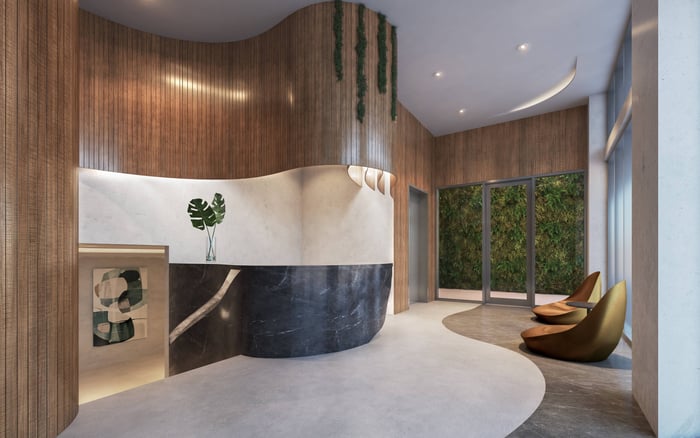
At Opus Coconut Grove, governance has a different assignment. A boutique building must preserve architectural standards, common-area quality, and a feeling of residential restraint. The risk is not necessarily that a branded program fades. The risk is that the building loses the quiet precision that makes boutique luxury compelling in the first place.
This is why operating budgets, association culture, and post-turnover discipline should be part of the buyer conversation. They are not administrative footnotes. They are part of the asset.
Resale is not only about market timing. It is about whether the next buyer can quickly understand why a residence deserves a premium. The Well Bay Harbor Islands and Opus Coconut Grove give future sellers two different stories to tell.
The Well’s resale story depends heavily on continued demand for wellness branding, curated amenities, and hospitality-style residential service. If future buyers continue to prize that kind of all-encompassing lifestyle, the brand-led thesis may remain persuasive. The building’s identity is clear, but clarity also creates accountability. The experience must match the name.
Opus Coconut Grove’s resale story is more tied to scarcity, architectural appeal, and the durability of the Grove lifestyle. A future buyer may be less focused on a specific branded program and more focused on the ability to own a refined residence in a neighborhood with limited luxury supply and a deeply established sense of place.
Neither logic is inherently superior. The more relevant question is which story is more likely to resonate with the buyer pool a decade from now. A wellness-branded property must keep the brand emotionally current. A place-led boutique property must keep its physical and architectural character protected.
The Well Bay Harbor Islands may be the more natural fit for a buyer who wants a residence to actively organize daily life around wellness, service, calm, and a curated residential identity. This buyer is not looking only for square footage in a strong location. The concept itself is part of the purchase.
Opus Coconut Grove may be better suited to a buyer who values Coconut Grove’s established prestige, boutique scale, and residential atmosphere over a branded wellness proposition. This buyer may want design and exclusivity, but also wants the neighborhood to do much of the long-term value work.
The choice is therefore less about luxury level than luxury philosophy. The Well offers a branded answer to modern residential wellness. Opus offers a neighborhood-rooted answer to enduring Miami prestige. The most disciplined buyer will look past launch language and ask how each building’s identity will be maintained through governance, budget decisions, and future buyer perception.
Is The Well Bay Harbor Islands more brand-driven than Opus Coconut Grove? Yes. The Well Bay Harbor Islands is more explicitly tied to a wellness-hospitality brand thesis, while Opus Coconut Grove is more place-led.
Is Opus Coconut Grove more dependent on its neighborhood? Yes. Its value logic depends heavily on Coconut Grove’s scarcity, residential character, architectural appeal, and long-term desirability.
Why does governance matter at The Well? Its wellness and service-oriented identity requires consistent execution after turnover. If operations weaken, the brand promise may feel less compelling.
Why does governance matter at Opus? A boutique luxury building must preserve design standards, common-area quality, and a sense of exclusivity that fits the neighborhood.
Which project has the clearer lifestyle concept? The Well has the more explicit lifestyle concept because wellness branding is central to its residential identity.
Which project has the stronger place-based argument? Opus has the stronger place-based argument because Coconut Grove itself is a major part of the prestige proposition.
Is this comparison mainly about amenities? No. Amenities matter, but the deeper issue is whether the building’s identity can remain valuable and recognizable over time.
Which buyer may prefer The Well? A buyer seeking a branded lifestyle product with wellness, service, and a curated residential experience may find The Well more aligned.
Which buyer may prefer Opus? A buyer prioritizing Coconut Grove, boutique scale, and neighborhood-rooted exclusivity may find Opus more compelling.
What is the key due diligence question? Ask how each building’s prestige will be protected through association governance, operating budgets, and the future resale narrative.
To compare the best-fit options with clarity, connect with MILLION.
If branded residences are on your mind — as a home or as an allocation — we would be glad to share what we are seeing, privately.
Begin a quiet conversation