A discreet, buyer-oriented guide to the smart home stack that protects South Florida luxury rentals, streamlines turnovers, and elevates guest experience without compromising privacy.
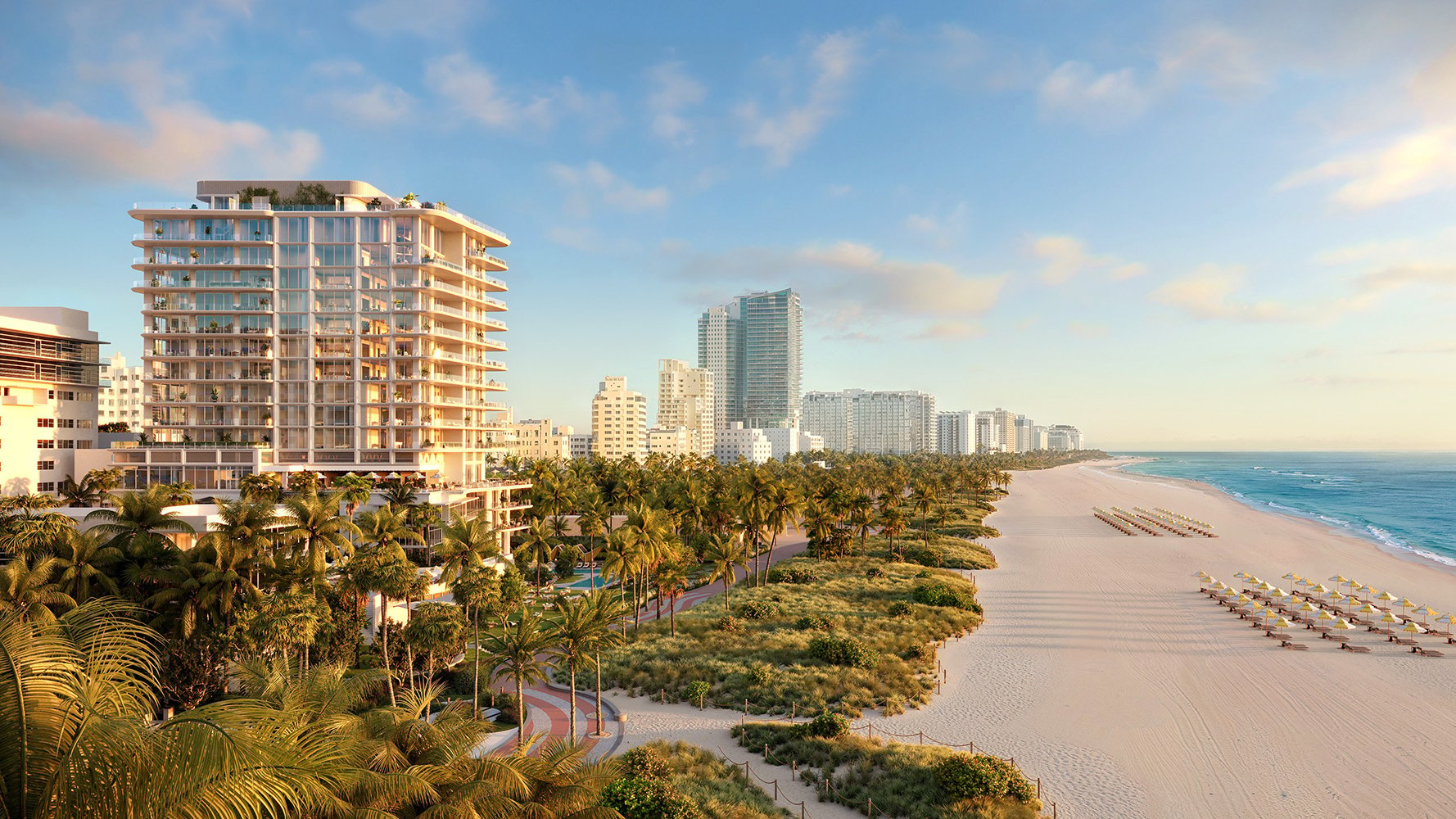
Luxury short-term rentals in South Florida are judged on immediacy. Doors should open without friction, climate should feel intentional on arrival, WiFi should work in every corner, and the home should stay protected when it’s empty. Smart home upgrades can deliver all of that - when they’re planned as an operating system, not a pile of gadgets.
For owners who rotate between personal use and revenue weeks, the objective is straightforward: reduce operational touchpoints while elevating standards of care. That means remote, time-limited access for guests and vendors; sensors that surface water and humidity issues early; lighting and climate that present beautifully without unnecessary energy use; and a network backbone built for modern demand.
In Miami Beach and other coastal micro-markets, these decisions also intersect with building rules, privacy expectations, and storm readiness. Done well, the technology disappears into the experience, leaving the home feeling serenely staffed - even when it isn’t.
If you do only one thing, modernize access. Smart locks eliminate key handoff friction and strengthen security by enabling time-limited, remotely managed entry for guests, cleaners, and vendors. In luxury rentals, the advantage is less about novelty and more about certainty: check-in works whether you’re in Brickell, on a transatlantic flight, or in another residence.
A disciplined setup assigns a unique code to each reservation window, then disables access automatically after checkout. Some systems can integrate with vacation-rental software so codes are generated and synchronized with the booking itself - reducing manual steps and limiting the risk of reused credentials. This is also where discretion matters: select hardware that reads architectural on a design-forward door, and keep app instructions minimal and polished.
Consider a separate access strategy for vendors. A recurring maintenance team often needs a different permission cadence than a guest. The strongest setups distinguish “guest convenience” from “owner control,” with clear, revocable pathways for each.
Security upgrades should calm owners, not unsettle guests. Video doorbells can add reassurance and responsiveness, but performance varies across models and feature sets. In a luxury context, prioritize fast alerts, reliable connectivity, and a clean installation that doesn’t compromise the entry sequence.
If you want professionally monitored security, South Florida offers providers with monitored systems and service. The same design brief applies: unobtrusive devices, stable power and connectivity, and a configuration that aligns with house rules and building policies.
A crucial operational note: guest-facing monitoring must be handled with transparency. Avoid placing cameras in ways that could be construed as invasive, and disclose any exterior devices clearly in the listing and house rules. The goal is safety and accountability - not voyeurism.
Coastal living is a gift, but it’s also a maintenance environment. Water damage is not only expensive - it’s disruptive, particularly in a home with high-end millwork, wide-plank flooring, and custom stone.
Smart leak-detection devices can identify leaks early, helping owners prevent broader damage. Pair them with sensors at predictable failure points: under sinks, behind toilets, near the dishwasher, adjacent to the water heater, and in laundry areas. For condo residences, include locations near fan coil units and in mechanical closets where condensation can accumulate.
Humidity control matters just as much. Indoor air sensors that track conditions like humidity and temperature help you intervene before mold conditions develop. Some hospitality-oriented monitoring systems can track temperature and humidity and issue alerts to staff or owners when readings drift. The best approach is to set thresholds based on the home’s finishes and typical occupancy patterns, then treat alerts as prompts for action - not an invitation to micromanage.
Miami Beach owners who travel frequently often find this stack especially valuable, particularly in residences where ocean air, intermittent occupancy, and closed-up periods can combine in unhelpful ways. In a building context, this preventative monitoring aligns with a “quiet luxury” ethic: fewer emergencies, fewer visible repairs, and a home that consistently presents as immaculate.
Smart thermostats allow owners to manage HVAC remotely and hold efficient temperatures between stays - reducing waste without sacrificing guest comfort. The real win is predictability: pre-cool before arrival, reduce runtime during vacancy, and keep the home within a safe range that protects furnishings.
Lighting automation completes the arrival story. Smart lighting can automate schedules and modes for rentals, improving guest experience while simplifying operations. Well-designed systems can be scheduled, triggered by occupancy, or tuned for scenes. In practice, that means a “Welcome” scene that feels curated, a “Goodnight” scene that shuts down nonessential zones, and a “Turnover” mode that gives cleaning teams full brightness - without hunting for switches.
For high-design condos, the ideal is control that honors the architecture. Keep wall plates consistent, avoid mismatched add-on switches, and build a small set of refined scenes rather than dozens of gimmicks.
Luxury short-term rentals often exist in close proximity to neighbors, building staff, and association rules. The priority is preventing issues before they become complaints.
Privacy-friendly noise monitoring can measure sound levels without recording conversations, offering a middle ground between doing nothing and installing intrusive surveillance. When used, it should be disclosed. Guests should understand the home is monitored for excessive noise levels - not content. This protects the building ecosystem and helps responsible guests feel confident that standards are enforced evenly.
In premium rentals, WiFi isn’t an amenity - it’s a requirement. Between video calls, streaming, smart devices, and security systems, weak coverage is the fastest path to poor reviews and a heavier support burden.
Mesh WiFi systems are designed to extend whole-home coverage, which is especially relevant in larger condos, multi-level residences, or layouts with concrete and glass that can disrupt signals. A thoughtful plan places nodes where people actually live: the primary suite, the living room, and outdoor terrace zones when feasible.
Treat the network like infrastructure: label it cleanly, keep passwords consistent, and ensure smart home devices remain on a stable configuration. A guest should never feel like they’re beta-testing your technology.
The luxury standard is consistency, stay after stay. Operational platforms can help coordinate listings and workflows, and turnover tools can support cleaning coordination. Even if you don’t outsource management, the principle holds: build repeatable routines.
Think in systems:
This is also where staffing becomes discreetly “invisible.” The guest experiences effortless service; you experience reduced variance.
For condo owners who want a turnkey experience in Miami Beach, the surrounding residential ecosystem matters. Properties with hospitality-grade expectations and strong service cultures can align naturally with a more automated, high-touch experience, such as Casa Cipriani Miami Beach or The Ritz-Carlton Residences® Miami Beach.
If your rental includes a pool or complex outdoor lighting, automation can reduce the need for frequent physical checks. Smart pool monitoring tools are designed to simplify water testing and maintenance, and pool automation systems can control equipment like pumps, heaters, and lights.
The owner benefit is readiness. A guest arriving to a perfectly lit terrace and a properly heated pool experiences the home as “managed,” even if you’re nowhere near it. For single-family homes, this is one of the clearest ways to protect the property’s brand while reducing operational drag.
South Florida owners increasingly treat continuity planning as part of the luxury spec. Backup power and storm preparation aren’t just “nice to have” when bookings are tight and expectations are high.
Solar and battery systems can help keep rentals powered during outages and reduce energy costs. For condo owners, feasibility depends on building constraints, but for certain residences and single-family homes it can add a meaningful layer of resilience.
On the protection side, “smart storm protection” concepts describe integrating connected systems into storm prep, such as coordinating openings or shutters. The practical takeaway is to treat storm readiness as a checklist with clear triggers: when you switch the home into storm mode, how you verify windows and openings, and how you protect interior humidity control.
Insurance considerations for secondary homes and coastal properties can differ from a primary residence, especially when the home isn’t occupied year-round and faces coastal exposures. Smart monitoring doesn’t replace coverage, but it can reinforce the operational discipline that helps reduce preventable losses.
Miami Beach renters often expect a hotel-grade arrival with the privacy of a residence. That makes smart upgrades particularly aligned in oceanfront and near-ocean properties, where the lifestyle is both high-design and high-usage.
In buildings that trade on architectural distinction and service, owners often prioritize invisible systems: access that works without concierge intervention, climate that protects interiors, and monitoring that prevents small issues from becoming major ones. Residences like Faena House Miami Beach and Setai Residences Miami Beach fit naturally within this mindset, where sophistication is expressed through calm - not complexity.
For buyers who want a newer-feeling, boutique oceanfront experience, 57 Ocean Miami Beach reflects the broader direction of the market: privacy, design, and an expectation that the residence operates smoothly when the owner is away.
A sensible sequence keeps costs controlled and avoids half-built systems:
Start with access and the network. Without stable WiFi and reliable locks, everything else is fragile.
Add leak detection and humidity monitoring next. These protect the surfaces that make a home feel truly luxury.
Then tune climate and lighting. Focus on a handful of scenes that support arrival, living, and turnover.
Add noise monitoring only if it solves a real problem. Disclose it clearly and keep it privacy-forward.
Finally, consider resilience. Backup power and storm workflows are increasingly part of “responsible ownership” in coastal Florida.
Above all, the best luxury technology is boring in the right way: it prevents emergencies, reduces friction, and never asks the guest to think about it.
Do smart locks actually reduce operational issues for luxury rentals? Yes. Time-limited, remotely managed access reduces key logistics and improves security.
Can I automate unique door codes for each reservation? Many systems can generate and manage access codes tied to reservation windows.
Are leak sensors worth it in condos near the water? Yes. Early leak detection can reduce the chance of major water damage and disruption.
How does humidity monitoring help protect interiors? Tracking humidity and temperature helps you intervene before conditions support mold.
Will noise monitoring violate guest privacy? Not if you use privacy-friendly devices that measure levels without recording speech.
What is the simplest way to improve WiFi across a larger unit? Mesh WiFi is designed to extend coverage across homes with challenging layouts.
Do smart thermostats help between stays? Yes. You can hold efficient temperatures while vacant and pre-condition before arrival.
Is smart lighting more than a “nice-to-have”? It can improve arrival ambiance and streamline turnovers with scheduled scenes.
Should I invest in pool automation for a rental home? If you have a pool, automation can reduce manual checks and keep equipment consistent.
Does backup power matter for short-term rentals in South Florida? It can. Battery-based systems can help maintain power during outages and protect comfort.
For a confidential assessment and a building-by-building shortlist, connect with MILLION Luxury.
If branded residences are on your mind — as a home or as an allocation — we would be glad to share what we are seeing, privately.
Begin a quiet conversation