For equestrian-minded buyers in South Florida, the decisive distinction between Palm Beach and Wellington is not prestige, but access. Palm Beach residences deliver coastal cachet and a polished social setting, while Wellington estates place owners within minutes of the region’s principal showgrounds, training venues, and horse-centric infrastructure. The result is a clear lifestyle split: one market supports an elegant winter base, and the other supports daily operational ease for serious riders, trainers, and horse owners.
In South Florida’s highest residential tier, Palm Beach and Wellington can both appeal to affluent equestrian households, but they serve very different needs. Palm Beach is defined by coastal prestige, architectural pedigree, and a refined social rhythm. Wellington is organized around horse sport itself, with residential planning, daily routines, and neighborhood identity shaped by proximity to arenas, barns, trails, and competition grounds.
For a buyer evaluating the two, the most important question is practical: how quickly can you get from home to the venue that structures your season? In that comparison, Wellington holds the operational advantage. The area serves as the region’s principal equestrian hub, while Palm Beach proper sits farther east on the coast, separated from the main showgrounds by a meaningful inland drive.
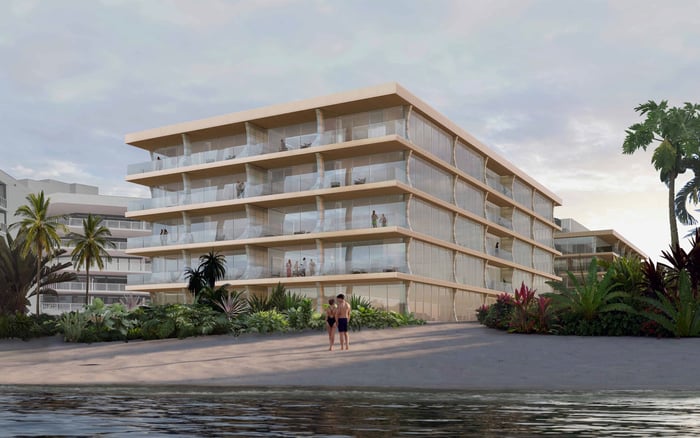
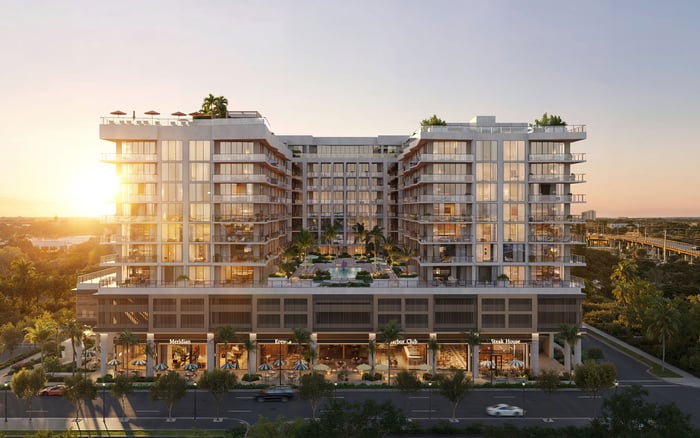
That does not diminish the appeal of Palm Beach Residences or newer West Palm offerings such as The Berkeley Palm Beach. It simply clarifies what each purchase is actually buying: in Palm Beach, a luxury address with seasonal access to the equestrian world; in Wellington, immediate participation in it.
Wellington’s advantage begins with geography but extends far beyond it. The community is home to the International Equestrian Center, a 500-acre complex designed for year-round competition and training. During the winter season, the venue hosts the Winter Equestrian Festival, a roughly 12-week circuit running from January through March that draws elite riders and horses from around the world.
For residents, that concentration matters because it reduces friction during the most valuable part of the day. Many Wellington neighborhoods sit directly adjacent to horse-oriented amenities or roughly 5 to 15 minutes from the main equestrian facilities. That means less time in traffic, fewer logistical handoffs, and a more fluid routine for training, schooling, veterinary visits, and competition preparation.
The physical infrastructure is substantial. The main complex includes 23 grass and all-weather arenas, dedicated dressage and jumping facilities, and permanent stabling for roughly 1,200 horses during peak season. Beyond the headline venues, Wellington offers more than 4,000 acres of dedicated equestrian land and over 40 boarding facilities, creating the highest concentration of equestrian infrastructure in South Florida.
Just as important, Wellington’s event calendar does not disappear once the winter circuit ends. Smaller competitions and spring programming help sustain a year-round horse culture, reinforcing the area’s identity as more than a seasonal destination. For riders who want show access embedded in daily life, that continuity is difficult to replicate elsewhere.
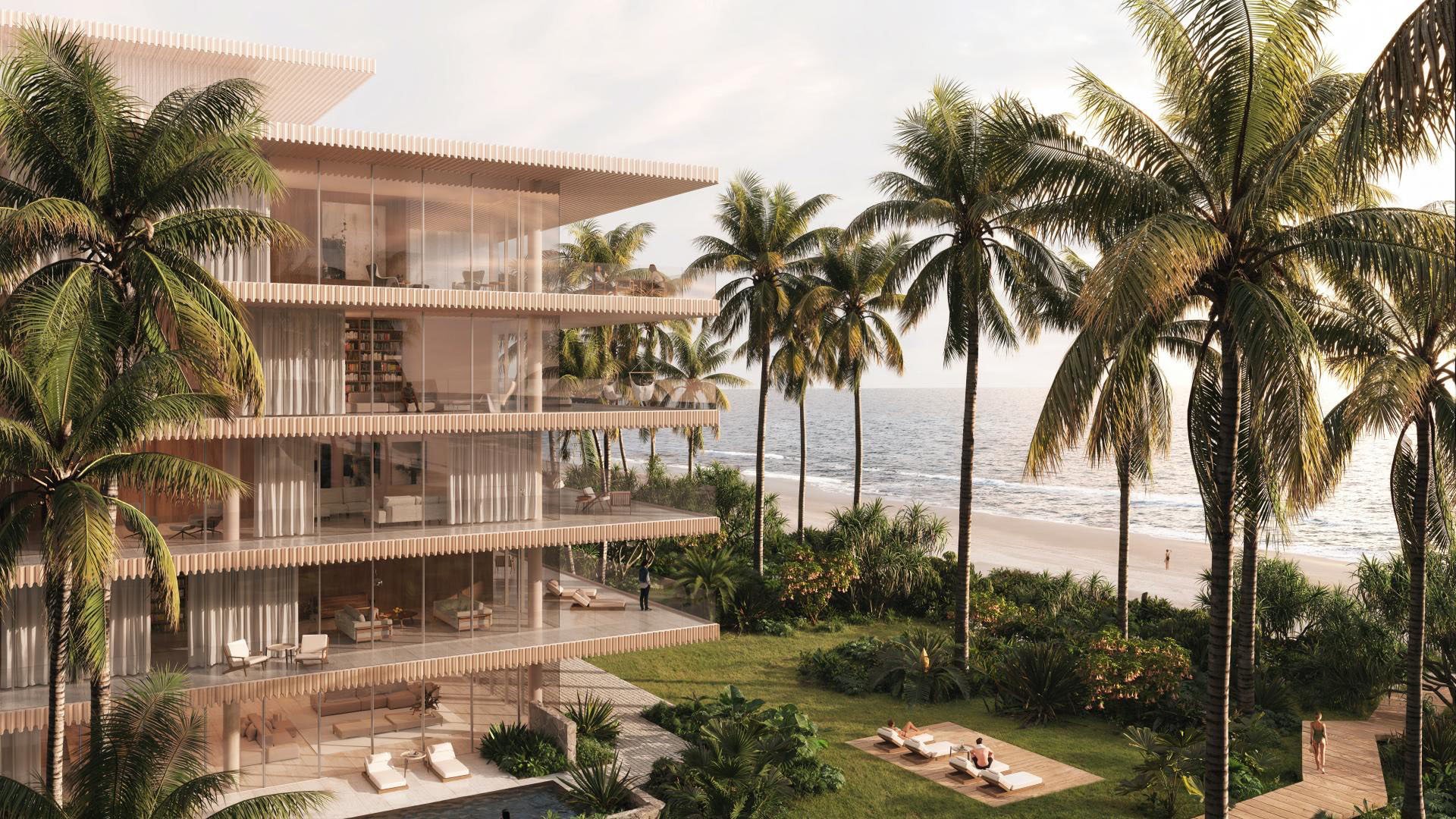
Palm Beach remains one of the most coveted addresses in the country, but its value proposition is fundamentally different. Its appeal centers on waterfront positioning, social prestige, and a residential environment tied to luxury location rather than horse facilities. For some buyers, that is precisely the point.
A Palm Beach owner may prioritize ocean views, privacy, formal entertaining, and proximity to the island’s cultural and social institutions, while still wishing to remain connected to the winter equestrian season. In that scenario, Palm Beach can work beautifully as a polished residential base. Projects such as South Flagler House West Palm Beach and The Ritz-Carlton Residences® West Palm Beach illustrate how the broader Palm Beach and West Palm market caters to buyers who place a premium on service, design, and waterfront living.
But from an equestrian perspective, Palm Beach Island has limited dedicated horse infrastructure. High-level activity is concentrated inland toward Wellington rather than on the island itself. Even access to regional polo venues pulls owners west, not deeper into Palm Beach.
So the Palm Beach proposition is elegant, but not inherently horse-centric. Buyers should understand that clearly before assuming proximity and prestige are interchangeable.
On paper, Palm Beach and Wellington may both sit within the same county orbit. In lived experience, they function very differently. Wellington is roughly 35 to 40 miles west of downtown Palm Beach, and reaching the main equestrian facilities from central Palm Beach typically requires about 35 to 45 minutes by car. Depending on the exact starting point and traffic, travel to the Palm Beach Polo area can run roughly 30 to 50 minutes.
For an occasional spectator or seasonal participant, those drive times may feel entirely acceptable. For a household with horses in work, children competing, or trainers operating on tight schedules, that commute becomes a daily tax on time and energy. Morning schooling rounds, late-afternoon returns, feed and staffing coordination, and repeated venue access all become more complicated when the residence is separated from the equestrian core.
By contrast, Wellington estates often allow owners to live within a short radius of the showgrounds and, in some communities, to maintain on-site stabling and private arenas through local zoning or deed structures. That is not merely a convenience. It can materially change how a horse-focused household functions.
The buyer most likely to favor Palm Beach is not necessarily less committed to equestrian life. More often, that buyer wants horse sport to remain one component of a broader coastal lifestyle. They may attend events during the winter season, maintain social ties to the circuit, and use the residence as an elegant base rather than an operational headquarters.
The buyer most likely to favor Wellington is usually seeking immediate immersion. In Wellington, horse culture is a defining year-round local trait. Neighborhood planning often includes trails, stabling, and horse-friendly layouts, and the residential fabric reflects the needs of riders, trainers, and owners in a way Palm Beach does not attempt to.
This distinction also shapes the emotional feel of ownership. Palm Beach offers remove, polish, and ceremony. Wellington offers access, repetition, and functional proximity. For some households, the former is luxury. For others, the latter is freedom.
For a serious equestrian purchaser, the key issue is not whether Palm Beach is more prestigious than Wellington, or whether Wellington is more specialized than Palm Beach. Both are true in their own ways. The real question is which frictions you are willing to accept.
If your priority is immediate showground access, frequent training, nearby stabling, and a residence synchronized with the demands of horse ownership, Wellington is the stronger fit. The concentration of venues, boarding infrastructure, and horse-oriented neighborhoods creates a practical advantage that Palm Beach cannot match.
If your priority is a grand coastal setting and a luxury address that supports seasonal participation in the equestrian calendar, Palm Beach remains compelling. It may be especially well suited to buyers who divide their time among several residences and want winter access without centering the entire property decision on horses.
Pricing differences further underscore the split. In Wellington, median home values span from about $350,000 to above $1.2 million depending on equestrian amenities and proximity to horse facilities. At the top end, highly specialized estates can of course move far beyond median benchmarks. In Palm Beach, value is more directly tied to location, water, and scarcity. They are different markets serving different definitions of luxury.
For equestrian households, proximity is not a cosmetic amenity. It shapes how smoothly the season unfolds and how comfortably horses, riders, and staff can operate. In that respect, Wellington estates offer the more efficient residential platform. Palm Beach residences offer the more iconic coastal lifestyle.
Neither choice is inherently superior. The better acquisition depends on whether the residence is meant to frame the equestrian season or function within it. Buyers seeking a refined winter base with social prestige may gravitate east. Buyers seeking minutes-to-ring convenience, horse infrastructure, and year-round immersion will usually find Wellington more closely aligned with their priorities.
Is Wellington closer to major equestrian venues than Palm Beach? Yes. Wellington neighborhoods are often adjacent to horse facilities or about 5 to 15 minutes from the main showgrounds.
How far is Wellington from central Palm Beach? The separation is roughly 35 to 40 miles, which usually translates to about a 35 to 45 minute drive.
Is Palm Beach Island itself an equestrian hub? No. Palm Beach offers luxury coastal living, but the region’s main high-level equestrian activity is concentrated inland in Wellington.
What makes Wellington especially attractive to serious riders? Its horse-focused planning, nearby arenas, boarding options, and year-round competition calendar make daily equestrian life markedly easier.
Does Palm Beach still work for equestrian buyers? Yes. It works best for buyers who want a prestigious winter base and are comfortable commuting to training and events.
Are polo facilities closer to Wellington than to central Palm Beach? Yes. The principal polo venue in western Palm Beach County is generally closer to Wellington than to central Palm Beach.
Do Wellington communities often include horse-friendly amenities? Many do. Trails, stabling, and planning tailored to equestrian use are common features in the broader Wellington market.
Is the Winter Equestrian Festival a seasonal or year-round draw? The marquee festival is seasonal, but Wellington also supports additional competitions and horse activity through much of the year.
Does buying in Palm Beach automatically provide polo access? No. Access to polo facilities generally depends on separate membership or ownership arrangements.
Which market is usually better for immediate showground access? Wellington is the clear choice for buyers who want to minimize travel time and stay close to the center of competition.
For a confidential assessment and a building-by-building shortlist, connect with MILLION Luxury.
If branded residences are on your mind — as a home or as an allocation — we would be glad to share what we are seeing, privately.
Begin a quiet conversation