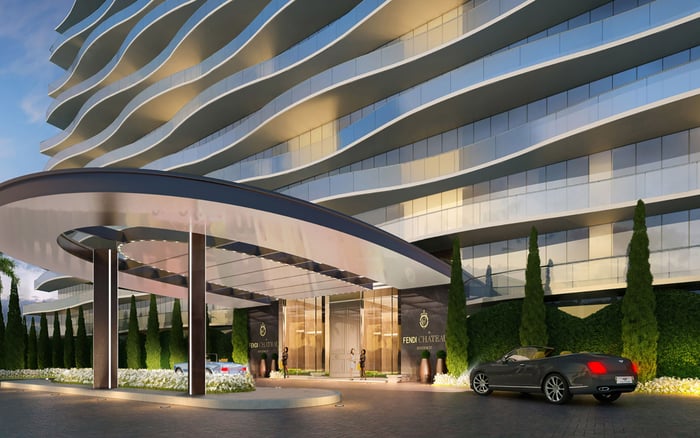
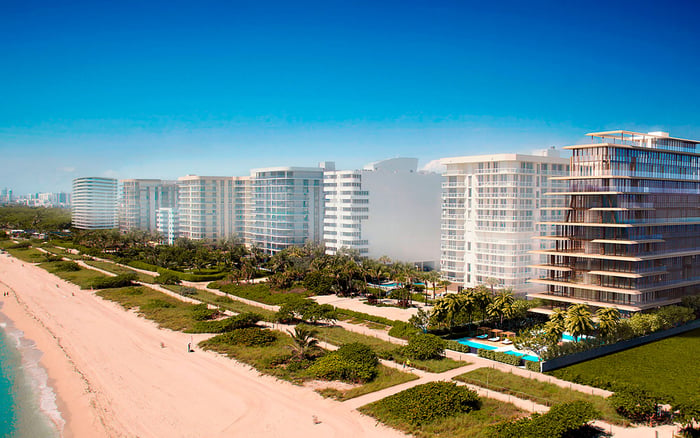
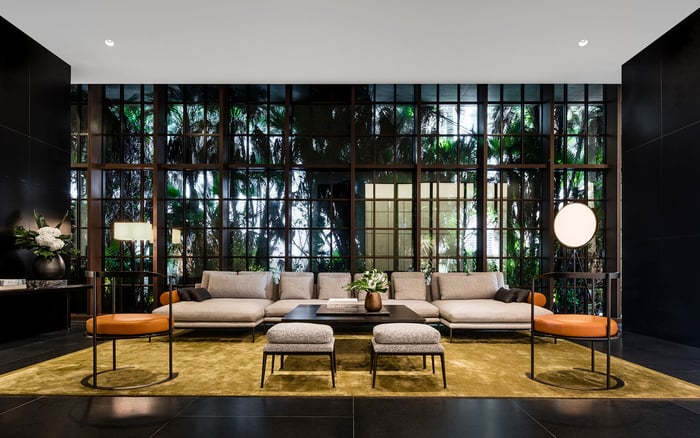
In Surfside, privacy is not a vague promise. It is engineered in the last 20 feet before your front door, where the elevator opens, sightlines resolve, and the building either gives you true seclusion or asks you to perform it. This MILLION Luxury comparison focuses on a specific, buyer-defining detail: the direct elevator entry vestibule. At **[Arte Surfside](https://www.arteresidenses.com/)** and **[The Delmore Surfside](https://www.millionluxury.com/surfside/the-delmore-surfside)**, that vestibule is more than a passage. It is a buffer against corridor exposure, a control point for staff, and an architectural cue that the residence beyond is meant to feel like a private house in the sky.
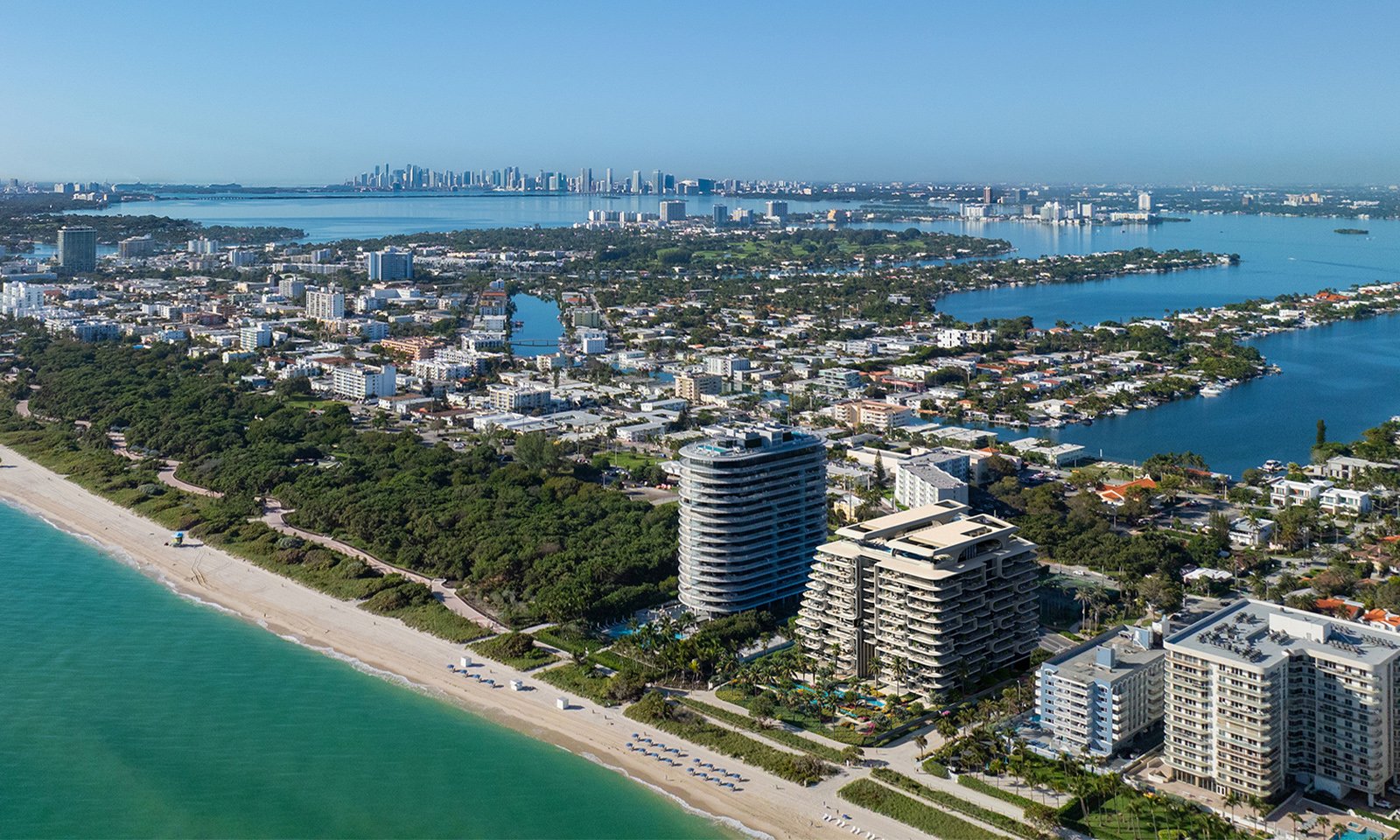
In oceanfront and near-ocean ultra-luxury towers, “private elevator” is the headline. The lived experience is decided at arrival: where the cab opens, what the threshold reveals, and how quickly you can move behind a second layer of enclosure.
At its best, a direct elevator entry vestibule works like a purpose-built decompression chamber. It shields the residence from drive-by views, keeps deliveries from bleeding into living space, and lets you receive guests with intention instead of surprise. When the design is weak, the elevator becomes a spotlight: the doors part and the interior becomes immediately legible.
In Surfside, that last stretch before the front door carries extra weight. Buyers often value anonymity as much as ocean access, and the most discreet buildings treat circulation like choreography. Below, we compare the privacy implications of elevator vestibules at Arte Surfside and The Delmore Surfside, focusing on what a buyer can evaluate without relying on marketing language.
Privacy at elevator entry is not a single feature. It is a stack of small decisions that either holds up in real life or fails under pressure: a neighbor exiting at the same time, a contractor carrying boxes, a guest arriving early, or staff moving between service and residence.
When evaluating a vestibule, think in four practical layers.
First is sightline privacy: what’s visible the moment the elevator doors open, and whether the vestibule deflects the gaze away from living areas.
Second is acoustic privacy: whether the vestibule functions as a sound lock, limiting elevator chimes, hallway voices, and door hardware noise before it reaches the residence.
Third is sequence privacy: whether there’s a meaningful pause before the front door-enough time to step out, orient, and close the elevator behind you without feeling exposed.
Fourth is operational privacy: how packages, maintenance, and staff are handled. A vestibule can be beautifully finished and still compromise discretion if every service event happens at the same threshold where you greet guests.
Arte’s positioning in Surfside reads as intentionally restrained. The privacy strategy that typically aligns with this design language is a gallery-like arrival: controlled, calm, and minimally interrupted.
In vestibule terms, that generally points to a simple, highly curated threshold. The elevator opens into a contained zone that makes it clear you’ve left shared building circulation behind. In the strongest versions of this approach, proportion and finishes do the heavy lifting rather than layers of doors. The vestibule isn’t oversized for the sake of scale; it’s sized to comfortably absorb a guest, a stroller, or luggage without forcing the residence to “perform.”
For buyers, the privacy advantage here is as much psychological as physical. A clean vestibule with limited visual noise makes it easier to keep the residence itself visually protected-your art, furnishings, and daily life remain inside the frame you choose.
A potential trade-off, depending on configuration, is reduced redundancy. If your household wants firm separation between guest arrival and service activity, the key question is whether service routing and your entry sequence deliver that separation consistently.
The Delmore’s concept fits a newer generation of Surfside luxury, where privacy is treated as a system-arrival, staffing, amenity access, and resident movement are planned to reduce unwanted overlap.
In vestibule terms, a layered strategy typically means more control points. Instead of one moment where the elevator opens and you are effectively at the front door, you look for a sequence that creates a buffer: space to step out, close the cab, and then approach the residence entrance with a second moment of separation.
This approach often suits buyers who host frequently or travel with staff. It supports a lifestyle where the front door isn’t the default receiving dock for every interaction.
The other advantage is resilience. A layered vestibule can stay private even when something goes slightly off-script-an early guest, a delivery arriving as you return, or a neighbor stepping out. The design buys you time and distance, which is what privacy often is in practice.
Because each residence can vary, the cleanest comparison isn’t “which is more private” in the abstract-it’s “which privacy mode fits your day.” Use these buyer-centric questions when touring or reviewing plans.
Stand in the cab and ask: can you see into living or dining areas? Do reflective surfaces bounce the view deeper inside? If yes, the vestibule is more decorative than protective.
A strong vestibule redirects the line of sight so that, even with the front door briefly open, the interior reads as layered rather than exposed.
A good vestibule gives you room to step out, set down a bag, and close the elevator behind you before engaging the residence door. That’s the difference between feeling “arrived” and feeling “caught.”
If you entertain, you want a vestibule that holds people comfortably and discreetly. The question is whether guests wait in a contained zone or spill into shared circulation. Even in boutique buildings, this moment sets the tone of your home.
Privacy is routinely compromised not by neighbors, but by operations: packages, maintenance, and move-ins. Ask how service events are handled so the vestibule stays a resident threshold-not a staging area.
In buildings with multiple private elevators or shared cores, near-simultaneous arrival can create awkward overlap. The most private vestibules are designed so that overlap doesn’t translate into immediate exposure.
Surfside is often chosen because it can feel more controlled than denser stretches of Miami Beach. But “controlled” doesn’t automatically mean “private.” In boutique oceanfront living, fewer units can also mean fewer layers between you and the building’s daily operations.
That’s why it pays to look beyond headline amenities and focus on the daily threshold. A vestibule that performs well turns the building into background. You move from car to elevator to vestibule to home with minimal friction-and minimal visibility.
For perspective, Surfside’s luxury corridor includes projects that speak different architectural dialects. Eighty Seven Park Surfside is often discussed in the same breath as the area’s design-forward residences, and its lifestyle appeal underscores how much buyers in this pocket care about arrival experience, not just square footage.
The best vestibule is the one that matches how you actually live. Three archetypes show up repeatedly among MILLION Luxury buyers.
You want guests to feel welcomed without your home becoming visible. Prioritize a vestibule that acts like a micro-foyer: comfortable to stand in, visually quiet, and separated enough that you can open the front door without giving the room away.
You want lock-and-leave simplicity with high confidence that no one can infer your schedule. Here, a clean, contained vestibule with strong door sequencing matters more than size. Arrival should feel fast, unobserved, and repeatable.
Privacy is operational. You want clear separation between guest arrival and service routines, plus a plan that allows packages and maintenance to happen without turning the vestibule into an extension of the corridor.
Buyers who like to compare these patterns across neighborhoods sometimes look to Brickell’s new ultra-luxury towers, where arrival design is a major differentiator because density is higher. A project such as 2200 Brickell highlights how entry sequencing becomes part of the “luxury math” when the surrounding environment is more active.
You can learn a surprising amount quickly if you test the vestibule the way you’ll actually use it.
First, ride the elevator and note whether the doors open directly into your entry zone or whether there’s meaningful separation. Step out and turn back toward the elevator. Ask yourself if you’d feel comfortable with your front door open for ten seconds.
Next, run common scenarios: a guest arrives early, a delivery is left, a neighbor exits, a contractor holds the elevator. Where would each moment occur-and would it reveal anything about your interior, your schedule, or your household?
Finally, listen. Elevator equipment, hallway conversation, and door hardware can telegraph more than you expect. A vestibule that works as a sound buffer protects the residence’s calm.
In other oceanfront markets, buyers ask the same questions for different reasons. In North Beach, 57 Ocean Miami Beach appeals to those who want serenity without leaving the city, and arrival privacy becomes a key comfort factor when the neighborhood is more active.
Arte Surfside tends to suit the buyer who wants discretion expressed through restraint: a controlled, quiet arrival that feels curated and intentionally minimal. If you prefer privacy that reads as calm and uncluttered, this mode can be compelling.
The Delmore Surfside tends to suit the buyer who wants privacy expressed through layered control: a threshold that buys you time, separation, and operational resilience. If your household has more moving parts-or you simply want more buffering between public and private-this mode often feels more secure.
In both cases, the winning decision is rarely ideological. It’s situational. The most private home is the one whose entry sequence matches your patterns so well that you stop thinking about privacy at all.
What is a direct elevator entry vestibule? It is a private entry zone where the elevator opens before your front door, acting as a buffer from shared circulation.
Does “private elevator” always mean total privacy? No. If sightlines run straight into the residence or the vestibule is too small, privacy can be compromised.
What is the single biggest design factor for privacy? Sightlines at door-open. If you cannot see into living areas from the cab, the design is doing its job.
Is a larger vestibule always better? Not necessarily. Proportion, door placement, and sequencing often matter more than raw size.
How can I evaluate vestibule privacy during a tour? Stand in the elevator as it opens and check what is visible, then step out and listen for noise transfer.
Do vestibules help with sound privacy? Yes. They can function as a sound lock that reduces elevator and corridor noise entering the home.
How do deliveries affect vestibule privacy? If packages are routinely left at the same threshold as guests, the space can lose discretion quickly.
Is guest privacy different from resident privacy? Yes. A strong vestibule protects both: it keeps your interior concealed and gives guests a composed arrival.
Which is better for a staffed household: minimal or layered vestibules? Layered vestibules usually handle service activity more discreetly, depending on building operations.
What should I ask besides the floor plan? Ask how service, maintenance, and move-ins are routed so your vestibule remains a private threshold.
For a tailored shortlist and next-step guidance, connect with MILLION Luxury.
If branded residences are on your mind — as a home or as an allocation — we would be glad to share what we are seeing, privately.
Begin a quiet conversation