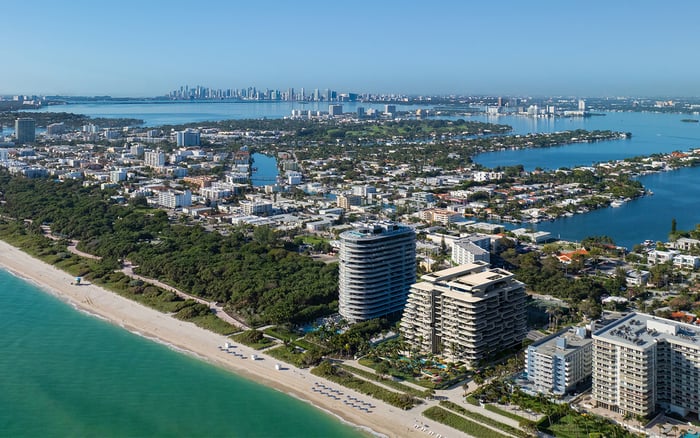
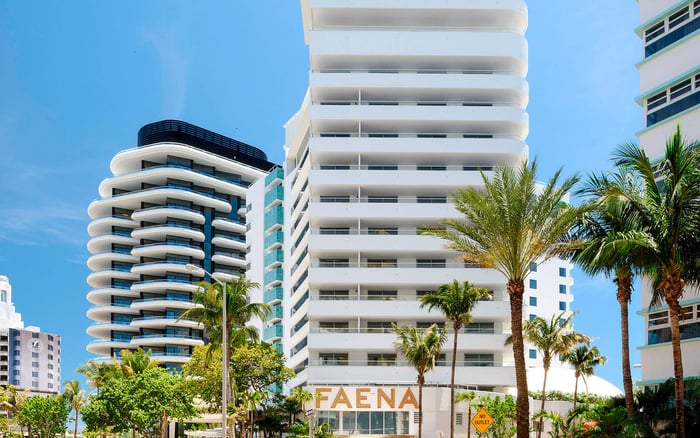
A discreet buyer’s guide to comparing The Delmore Surfside and Eighty Seven Park Surfside through waterfront rights, insurance clarity, dock protocols, children, pets, and everyday building culture.
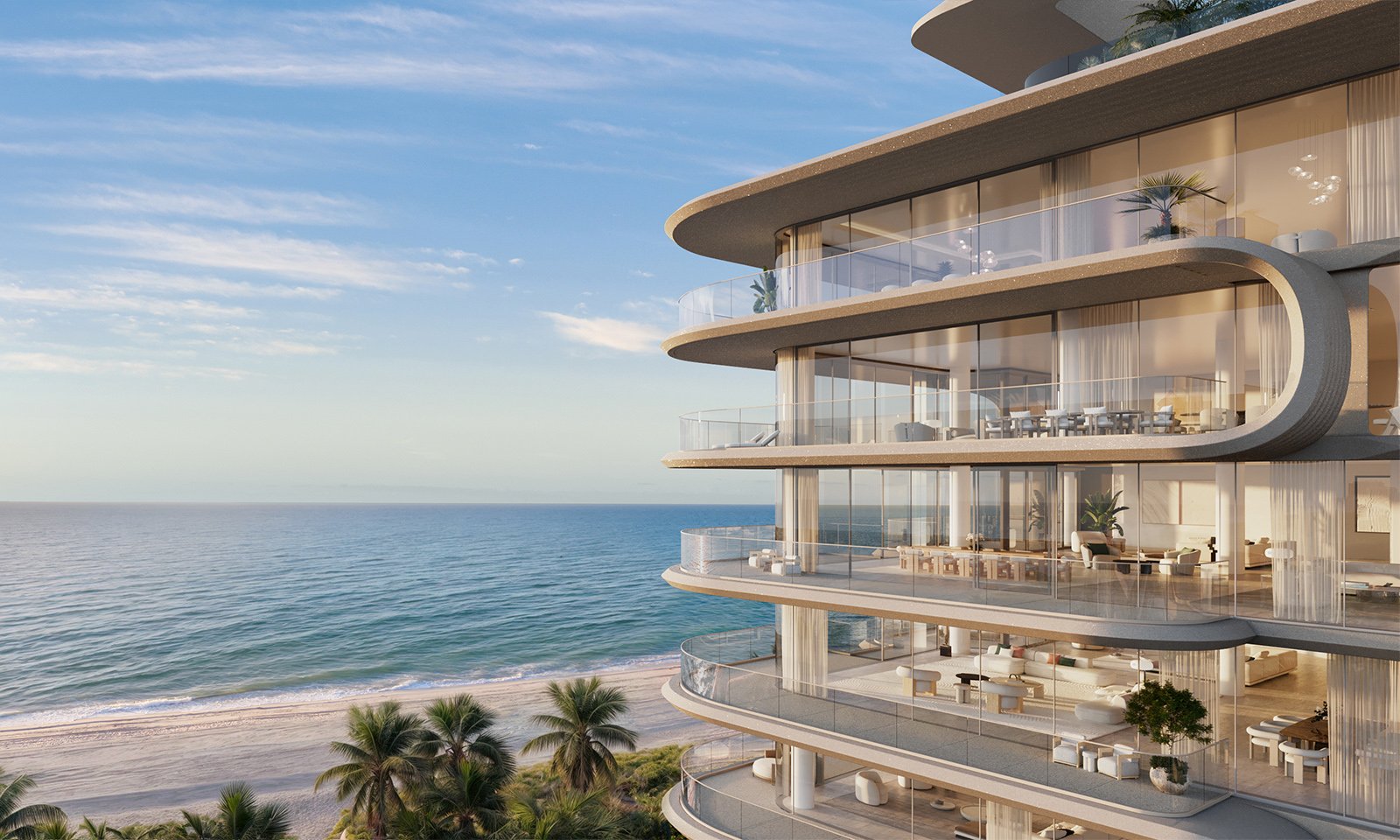
The Delmore Surfside and Eighty Seven Park Surfside belong in the conversation for buyers comparing South Florida waterfront luxury, privacy, disciplined design, and the expectation of a building culture that functions beautifully when life is not staged. For buyers with children and pets, the comparison should not begin with finishes alone. It should begin with rights, rules, service standards, insurance posture, and the daily rhythm of the building.
The most refined buyers are not simply asking which residence feels more dramatic at sunset. They are asking whether beach access is clearly governed, whether waterfront use is private, shared, limited, or conditional, and whether the building’s operating culture can gracefully absorb scooters, strollers, visiting grandparents, trainers, dog walkers, beach gear, and school-morning logistics.
That is the real distinction in a luxury purchase. The residence may be private, but the building is a community. Its documents, insurance, staff training, and board culture determine how elegantly that community works.
Waterfront property carries emotional value, but its legal and operational value depends on the exact bundle of rights. In a Surfside acquisition, buyers should review what the condominium documents say about shoreline access, easements, cabana or beach service privileges, use of common areas, guest access, and any limits on equipment, storage, deliveries, or supervised activities near the water.
This matters when comparing The Delmore Surfside with Eighty Seven Park Surfside because the waterfront experience can feel similar during a tour while operating very differently in practice. A family may care less about abstract exclusivity and more about whether children can move from residence to beach with predictable supervision, whether surfboards or paddle gear have a defined route, and whether staff procedures remain clear on busy weekends.
Oceanfront living also requires a precise understanding of maintenance responsibility. Salt air, wind exposure, storm preparation, balcony protocols, glass systems, landscaping, and exterior elements all affect carrying costs and resident expectations. A buyer should ask what belongs to the association, what belongs to the unit owner, and how promptly repairs or protective procedures are typically handled after severe weather.
The phrase dockmaster service can sound straightforward, but it should be tested carefully. If a building offers dock-related staffing, watercraft coordination, or any marine-adjacent service, buyers should ask what is actually included, when it is staffed, how liability is handled, and whether the service is governed by formal policy or informal custom.
For an owner who boats, charters, receives guests by water, or expects a seamless waterfront lifestyle, this is more than convenience. It is risk management. A well-defined service model protects owners, staff, guests, and the association. A loosely described model can create misunderstandings about access, responsibility, scheduling, and insurance.
Families should also consider dock areas through a child-safety lens. Are there rules for minors near water? Are guests required to be accompanied? Are life-safety procedures posted and practiced? Are pets permitted near waterfront areas, and under what restraint requirements? The answers define the true building culture, not the brochure language.
In South Florida, insurance clarity has become part of the luxury experience. Buyers should request the association’s insurance summary, deductibles, exclusions, windstorm coverage, flood considerations, reserve posture, recent claims history if available, and any pending or contemplated assessments. The question is not simply whether coverage exists. It is whether the coverage is legible, current, and aligned with the buyer’s risk tolerance.
A cash buyer may still care deeply about insurance because the cost structure affects resale, monthly carrying costs, and the association’s ability to respond after an event. A financed buyer has another layer to evaluate, since lender requirements can influence timing and certainty. Either way, the best buildings are not necessarily the ones that promise the least complexity. They are the ones that explain complexity clearly.
When evaluating Eighty Seven Park Surfside or The Delmore Surfside, a buyer should feel comfortable asking direct questions. What has changed in coverage? What deductibles apply? How are reserves funded? How are storm protocols communicated? What happens if a major repair is needed? A serious building should be able to answer with composure.
A building suited to children is not automatically noisy, casual, or less sophisticated. Often, the opposite is true. The most polished residential environments create order precisely because children are anticipated, not merely tolerated.
Buyers should observe arrival sequences, elevator etiquette, pool rules, service corridor use, package handling, bicycle or scooter storage, playdate guest procedures, and after-school rhythms. These small details influence daily happiness. A building may look serene at noon on a weekday and feel entirely different at 5 p.m. during season.
Families should ask whether rules are written to support safe enjoyment rather than discourage normal life. Can children use amenities with supervision? Are there quiet hours that make sense? Are pool and beach rules applied consistently? Are caregivers, tutors, coaches, and visiting relatives handled with discretion? In Surfside, where many owners expect privacy and calm, these questions are central.
Pets can be one of the clearest indicators of building culture. A luxury pet policy should be specific, humane, and enforceable. Buyers should review permitted sizes or breeds, number of pets, registration requirements, service-animal procedures, elevator rules, relief-area expectations, cleaning protocols, fines, and staff interaction.
Pets also affect architecture in practical ways. Floor plans, terrace access, elevator wait times, lobby materials, proximity to outdoor space, and grooming logistics all matter. The right building does not make pet ownership feel like an exception. It channels it with clarity.
For buyers comparing The Delmore Surfside and Eighty Seven Park Surfside, pet policy should be read alongside the broader house rules. A tolerant document with inconsistent enforcement can be more frustrating than a strict document applied fairly. The goal is not simply permission. The goal is predictability.
The better choice depends on how the buyer intends to live. A seasonal couple with occasional guests may prioritize privacy, architecture, and a quiet amenity cadence. A young family may value staff warmth, predictable access, safety procedures, and a community that understands children without becoming informal. A pet-focused buyer may care most about daily routes, elevator protocols, and reasonable enforcement.
The comparison should be conducted through documents and lived observation. Tour at different times of day. Watch how staff greet residents. Ask how guest arrivals are managed. Review meeting minutes where available. Understand how the association communicates before, during, and after weather events. Confirm whether any waterfront privileges are recorded, licensed, revocable, or subject to association control.
In true luxury, the strongest building is the one whose culture matches the owner’s private life. The Delmore Surfside and Eighty Seven Park Surfside may both attract buyers who want beauty near the water, but the right answer is the building whose rules, insurance posture, service model, and resident etiquette make daily life feel effortless.
Before choosing, request the condominium declaration, bylaws, rules and regulations, budget, reserve information, insurance summary, recent meeting minutes if available, pet policy, guest policy, renovation rules, beach or waterfront access language, and any dock or marine-use policies that apply. Have counsel review the documents for rights and restrictions, not just closing mechanics.
Then compare the documents with the experience on site. A well-run building feels consistent: staff language matches written policy, residents understand expectations, and management can explain procedures without improvisation. That consistency is one of the quietest luxuries in South Florida real estate.
Is waterfront access automatically private in a Surfside condo? No. Buyers should review recorded documents, easements, rules, and association policies to understand the exact nature of access.
Should dockmaster service be confirmed before contract? Yes. Any dockmaster service or waterfront operating support should be verified in writing, including scope, hours, limits, and liability treatment.
Why is insurance clarity important for luxury buyers? Insurance affects carrying costs, financing, assessments, storm recovery, and resale confidence, even for cash buyers.
What should families ask before choosing a building? Families should ask about pool rules, guest procedures, caregiver access, elevator etiquette, storage, and supervision expectations.
Are pet policies usually negotiable? They are typically governed by association documents and rules, so buyers should assume written policies control unless formal exceptions are documented.
Can a building be both child-friendly and quiet? Yes. The best buildings support children through clear rules, thoughtful staffing, and consistent enforcement rather than informality.
What documents matter most for waterfront rights? The declaration, bylaws, surveys, easements, licenses, and rules can all affect how waterfront areas may be used.
How should buyers compare The Delmore Surfside and Eighty Seven Park Surfside? Compare documents, insurance posture, service standards, resident culture, and daily logistics rather than relying only on design impressions.
What does beach access mean in practical terms? It can involve routes, rules, guest permissions, service protocols, and maintenance obligations, all of which should be verified.
When should legal and insurance review happen? Review should begin before key contract deadlines so concerns can be addressed while the buyer still has leverage.
When you're ready to tour or underwrite the options, connect with MILLION.
If branded residences are on your mind — as a home or as an allocation — we would be glad to share what we are seeing, privately.
Begin a quiet conversation