A practical buyer’s guide to using SIRS reserve studies as an early filter in South Florida luxury condo searches, before views, finishes and amenity narratives take over the conversation.
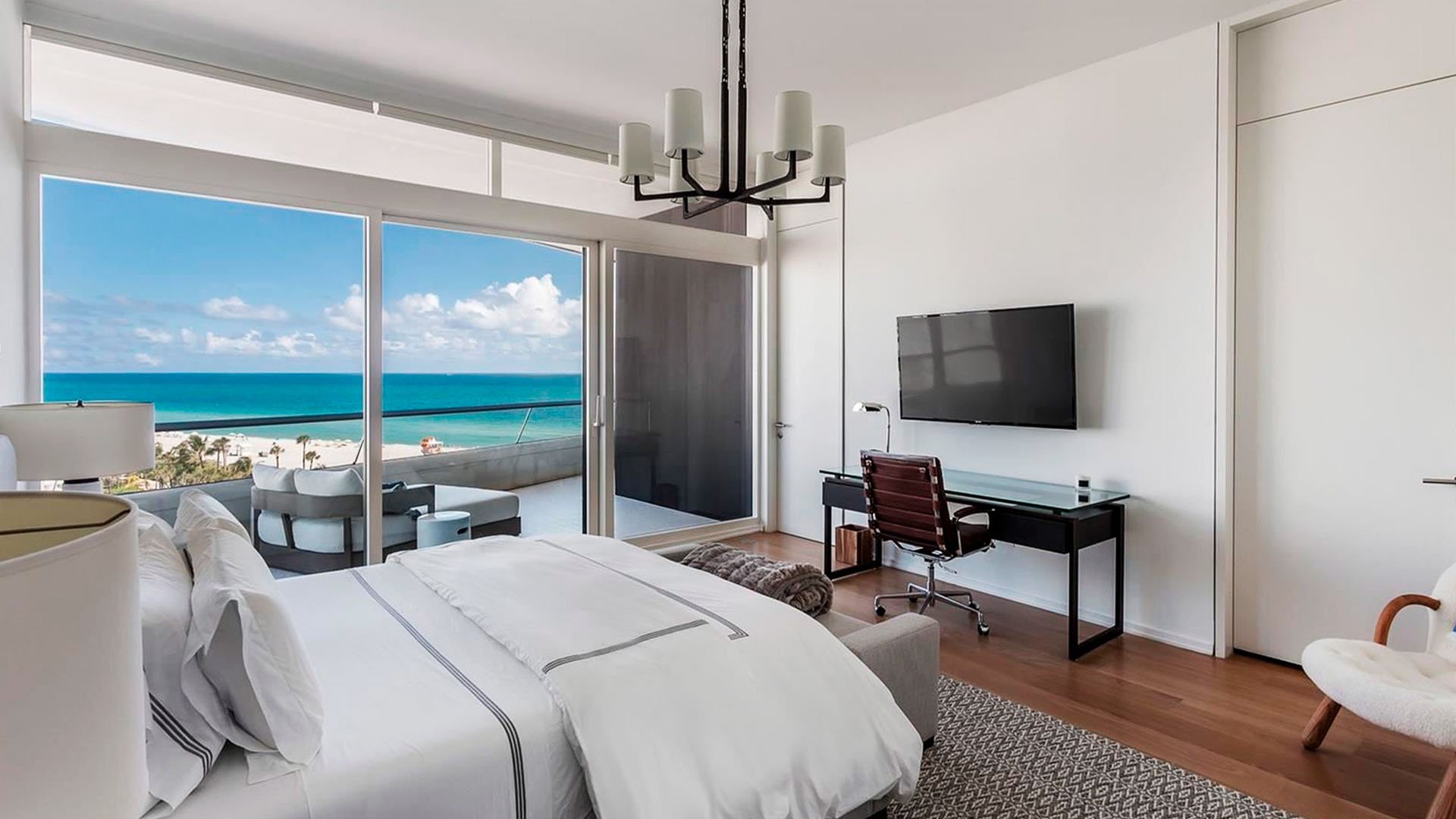
In South Florida luxury real estate, the first tour is often built to seduce. The arrival sequence, the valet choreography, the lobby volume, the waterline, the elevator ride, the reveal from the living room, these are the details that make a buyer feel a building before fully evaluating it. Yet the most consequential part of the purchase may never appear in a listing photo. It is the building’s reserve posture, and for many condominium buyers, the SIRS reserve study belongs in review before the first private showing is scheduled.
A SIRS reserve study is not an aesthetic document. It is a financial and physical lens on the building. For a buyer, its value is not simply in confirming that a condominium has reserves. Its value is in helping determine whether the lifestyle being presented is supported by a credible plan for major building needs. In a market where ocean exposure, height, age, architecture, services and ownership culture vary dramatically, that distinction matters.
The strongest buyers now use reserve information as a sorting tool. They do not wait until the contract period to ask whether the building’s capital plan matches their expectations. They use the study to decide which properties deserve time, attention and emotional bandwidth.
Before a buyer compares marble, millwork or sunrise views, the reserve study can frame a more disciplined question: what is the true cost of ownership in this building over time? Monthly dues are only part of the picture. A polished building with underfunded future needs may carry a very different risk profile than a building with a less dramatic entrance but a clearer funding culture.
The study can help your advisory team identify the categories of building systems and structural components that may require attention. It can also help distinguish routine maintenance from larger capital planning. For luxury buyers, that distinction is especially important because high-service buildings often include complex common areas, sophisticated mechanical systems, extensive amenity decks, waterfront exposure, structured parking and highly customized finishes.
The point is not to become an engineer. The point is to know what to ask. If the study suggests a meaningful future expenditure, a buyer should understand how the association intends to address it, whether through reserves, assessments, financing, phased work or another approach. That conversation belongs near the beginning of the search, not when the buyer is already emotionally committed to a residence.
A luxury buyer does not need to parse every technical line item to benefit from the document. The goal is to read the study through an ownership lens. What does the building appear to prioritize? Is the reserve plan aligned with the level of service and finish being marketed? Are large projects anticipated, deferred or already incorporated into the association’s financial rhythm?
Three patterns deserve particular attention. First, look for the relationship between visible luxury and invisible infrastructure. A spectacular pool deck or lobby matters less if the building systems behind the experience are not being funded with comparable seriousness. Second, consider the timing of major needs relative to your intended hold period. A buyer planning a long-term primary residence may evaluate exposure differently than a buyer seeking a seasonal home. Third, examine whether the building communicates with the clarity expected at the top of the market.
The best condominium ownership experiences often feel calm because the governance is calm. Documents are organized, management is responsive, financial questions are answered directly and reserves are treated as a central part of stewardship. That tone can be as valuable as any amenity.
New construction can offer a cleaner starting point, contemporary design, current systems and the appeal of a fresh ownership culture. Still, a buyer should not assume that new automatically means simple. The relevant questions are different. How will the association establish its reserve habits? How are future building needs expected to be evaluated? What responsibilities transition from developer control to owner governance, and how will that transition be managed?
In Brickell, for example, buyers comparing a branded urban tower such as St. Regis® Residences Brickell with established resale inventory should think beyond service language and skyline views. The more useful comparison is between ownership models, expected operating intensity and the financial discipline that will support the building after the initial sales period fades.
Resale buildings require another kind of scrutiny. They often offer proven locations, established communities and real operating histories. That history can be valuable, but it must be read carefully. A strong resale candidate should present not only attractive residences but also a reserve narrative that makes sense. If the building has already navigated major projects, understand what was completed, what remains and how owners participated financially.
The word resale should not be treated as a warning. It should be treated as an invitation to study the building’s behavior over time. Likewise, new construction should not be treated as a guarantee. It is a different due diligence file.
South Florida’s most desired condominium inventory is often defined by proximity to water. Oceanfront living carries emotional power, but it also calls for careful ownership questions. Salt air, wind exposure, glazing, balconies, pool decks, garages, seawalls and façade systems can all influence how a building plans for the future. The reserve study is one way to bring sobriety into a category where the view can otherwise dominate the decision.
For a Miami Beach buyer considering a property such as 57 Ocean Miami Beach, the conversation should include both lifestyle and capital planning. Beach access, privacy and wellness-driven amenities may define the experience, but the underlying ownership structure determines whether that experience feels effortless year after year.
Surfside brings a different tone, typically quieter, more residential and deeply tied to boutique beachfront living. A buyer evaluating The Delmore Surfside should consider how scale, service and future common-element planning intersect. Smaller or more intimate buildings can feel exceptionally private, but they may also require careful analysis of how costs are shared among owners.
Farther north, Pompano Beach is drawing attention from buyers who want a coastal address with a different rhythm than Miami’s core. A project such as The Ritz-Carlton Residences® Pompano Beach may appeal to buyers seeking branded services and waterfront living, yet the same reserve discipline applies. The stronger the lifestyle promise, the more important it is to understand the long-term plan behind it.
Many buyers make the mistake of treating reserve documents only as negotiation tools. They review them after selecting a unit, then use concerns to adjust price or terms. That may be useful, but it is late. The more strategic approach is to use the study before the tour schedule is built.
A good shortlist should combine emotional fit with financial coherence. If two buildings offer similar views, floor plans and locations, the reserve posture may decide which one deserves the first showing. If a building’s documents raise too many unanswered questions, it may be wiser to pause before investing time in a private appointment. Conversely, a building with disciplined planning may deserve attention even if its photographs are less theatrical.
This is especially important for investment-minded buyers, second-home owners and families comparing multiple submarkets at once. The right questions can reduce noise. They can also prevent a buyer from overvaluing surface polish while undervaluing governance.
Before the first tour, ask your advisor to obtain and review the relevant association materials available for the property. Ask what the reserve study appears to cover, how current it seems, what major categories deserve attention and whether the budget posture is consistent with the building’s age, condition and amenity load.
Then ask for context. Has the association discussed upcoming capital work? Are owners already contributing toward anticipated needs? Are there pending or recent assessments to understand? Is management able to answer questions promptly and professionally? Does the board appear to communicate clearly?
The goal is not to eliminate every building with future needs. Every serious condominium will require capital planning. The goal is to distinguish between buildings that plan and buildings that react. For ultra-premium buyers, that distinction can be the difference between elegant ownership and expensive surprise.
In the best buildings, reserve discipline is almost invisible. Owners experience it as smooth operations, well-maintained common areas, fewer shocks and a general sense that the property is being stewarded rather than merely occupied. This is a form of quiet luxury. It does not announce itself in renderings, but it protects the experience those renderings promise.
A beautiful residence remains essential. Architecture, light, privacy, service and location still matter. But the modern South Florida buyer should place the SIRS reserve study beside the floor plan and the view corridor. Together, they tell a more complete story of ownership.
Before touring, decide what level of uncertainty you are willing to accept. Decide whether you prefer a building that is visually impressive or one that is both visually compelling and financially legible. In the luxury market, the best purchase is rarely the one that simply photographs well. It is the one that still feels intelligent after the documents have been read.
Should I review the SIRS reserve study before seeing the unit? Yes. Reviewing it early helps you decide whether the building belongs on your shortlist before emotions begin to shape the decision.
Does a strong reserve position guarantee a good purchase? No. It is one important part of due diligence, alongside location, pricing, condition, governance, lifestyle fit and legal review.
Should I avoid buildings with future capital needs? Not necessarily. The better question is whether those needs are understood, planned for and communicated clearly.
Is new construction always easier from a reserve standpoint? No. New buildings may have different questions, including how reserve habits and owner governance will develop over time.
Is resale riskier than a new tower? Not automatically. A resale building may offer a valuable operating history if the documents and communication are clear.
Why does oceanfront ownership require extra attention? Waterfront buildings often face more complex maintenance considerations, so reserve planning deserves careful review.
Who should help interpret the study? Your real estate advisor, attorney, accountant and qualified building professionals can help frame the right questions.
Can the reserve study affect my offer strategy? Yes. It may influence price, timing, contingencies and whether you proceed at all.
Should seasonal buyers care as much as full-time residents? Yes. Even limited-use owners share in the building’s financial obligations and long-term maintenance culture.
What is the best sign during document review? Clear answers, organized materials and a calm plan for future needs are often more reassuring than vague optimism.
When you're ready to tour or underwrite the options, connect with MILLION.
If branded residences are on your mind — as a home or as an allocation — we would be glad to share what we are seeing, privately.
Begin a quiet conversation