A discreet 2026 due-diligence lens for ultra-luxury buyers comparing fashion-branded urban vertical living with resort-style and hotel-residence alternatives in South Florida.
For South Florida’s ultra-luxury buyer, the next stage of due diligence is less about whether a name is recognizable and more about whether the building will feel effortless on an ordinary Tuesday evening. 888 Brickell by Dolce & Gabbana, The Ritz-Carlton Residences® Fort Lauderdale, and Delano Residences & Hotel Miami sit within a conversation shaped by brand, address, and lifestyle aspiration. Yet the most valuable comparison is operational: scale, lobby privacy, circulation, amenity load, and the degree to which residents become known by the people running the property.
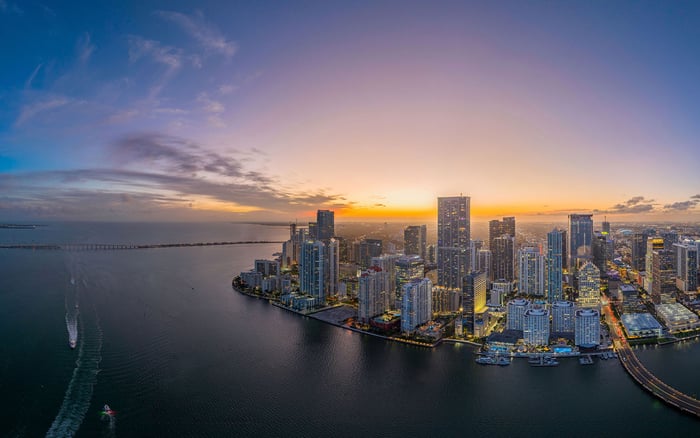
888 Brickell by Dolce & Gabbana is the clearest urban archetype in this comparison. It is identified as a branded ultra-luxury residential project in Miami’s Brickell market, with the Dolce & Gabbana identity central to its buyer-facing appeal. That matters. A fashion-house residence signals a point of view, a design language, and a social promise. But in Brickell, where the setting is a dense financial-district environment rather than a beachfront resort, the practical questions become unusually important.
The core diligence issue at 888 Brickell by Dolce & Gabbana is not whether the brand carries cachet. It does. The sharper question is how a highly visible, fashion-branded vertical tower will operate when residents, guests, service staff, valet activity, amenity users, and evening arrivals all meet the same building systems.
Brickell rewards buyers who enjoy urban intensity. It offers proximity, energy, and a skyline lifestyle fundamentally different from a beach or low-density resort setting. That is precisely why arrival sequencing deserves close attention. A buyer should ask how private the entry experience feels from the curb to the residence, how the lobby separates residential life from public-facing movement, and whether elevator sharing supports the level of discretion expected at this price point.
In a tall urban tower, luxury is measured in transition. The moment between car door and private elevator, the pause at reception, the route to wellness spaces, the ride up after dinner, and the weekend movement through shared amenities all reveal the building’s true character. Brand can set the mood, but circulation determines whether daily life feels composed.
A lobby is often presented as architecture, but in South Florida’s branded-residence market, it is also a privacy instrument. For the buyer comparing 888 Brickell with a Fort Lauderdale or Miami Beach hotel-residence alternative, the issue is not which lobby looks more dramatic. It is which lobby protects residents from unnecessary exposure.
In Brickell, the outside environment is active by nature. Business traffic, dining arrivals, drivers, visitors, and building staff are part of the urban rhythm. A residential entry that appears serene in presentation can feel quite different at peak hours if the design does not create separation. Buyers should evaluate whether there are intuitive thresholds between public, semi-private, and private space. They should also consider whether staff can identify residents quickly, whether guest flow is obvious without being theatrical, and whether service movement has been thoughtfully screened.
The same questions apply to The Ritz-Carlton Residences® Fort Lauderdale and Delano Residences & Hotel Miami, though the setting and operating culture may differ. A resort-style or hotel-associated residence can offer hospitality polish, but it can also introduce different forms of public movement. The diligence is not about rejecting one model in favor of another. It is about understanding how each model protects the residential experience.
The most discerning buyers often care less about being impressed and more about being recognized. Resident familiarity is the quiet luxury metric that rarely appears in marketing language but defines the lived experience. It is the difference between a polished building and a personal one.
At 888 Brickell, the question becomes whether an urban vertical environment can support familiarity at scale. Staff-to-resident recognition, package and valet precision, guest handling, and amenity oversight all require systems that do not collapse under peak demand. Buyers should ask how the building intends to preserve a sense of residential belonging when the architecture, brand, and location all suggest strong visibility.
For Fort Lauderdale and Miami Beach comparisons, the same principle applies in another form. A hospitality-driven address can be excellent at service rituals, but residents should still ask whether the service model is calibrated for owners, transient guests, private events, or some combination of all three. Familiarity is not simply a function of having staff. It is a function of staff continuity, access control, and the building’s commitment to making residents feel expected rather than processed.
The 2026 buyer should treat amenities as operating environments, not brochure categories. A wellness floor, pool deck, lounge, or dining concept is valuable only if it remains usable when residents actually want it. For 888 Brickell, the vertical urban setting makes this especially relevant. Elevator banks, amenity access, valet capacity, and guest arrival protocols should be tested against realistic peak-hour scenarios.
The best question is simple: what happens when the building is busy? On a Friday evening, does the arrival sequence remain graceful? On a holiday weekend, do amenities feel private or performative? During a high-traffic dinner hour, does the elevator experience still feel residential? These are not minor concerns. At the ultra-luxury level, friction is the first sign that a beautiful concept has not fully matured into a livable building.
This is also where buyers should separate labels from lifestyle. Market categories such as Brickell, Broward, Miami Beach, new construction, and pre-construction help organize the search, but they do not answer the lived-experience question. A new-construction residence can be visually compelling and still require rigorous review of management structure, access hierarchy, service corridors, and amenity load.
Read 888 Brickell by Dolce & Gabbana as the fashion-branded, high-rise, urban Miami proposition. Its appeal is inseparable from Brickell’s energy and the Dolce & Gabbana design identity. Its diligence burden is equally clear: physical scale, lobby privacy, elevator sharing, and staff familiarity.
Read The Ritz-Carlton Residences® Fort Lauderdale through the lens of residential hospitality and coastal expectations. The questions should focus on how privacy, service, and resident priority are maintained in a market where leisure and arrival choreography can be central to the experience.
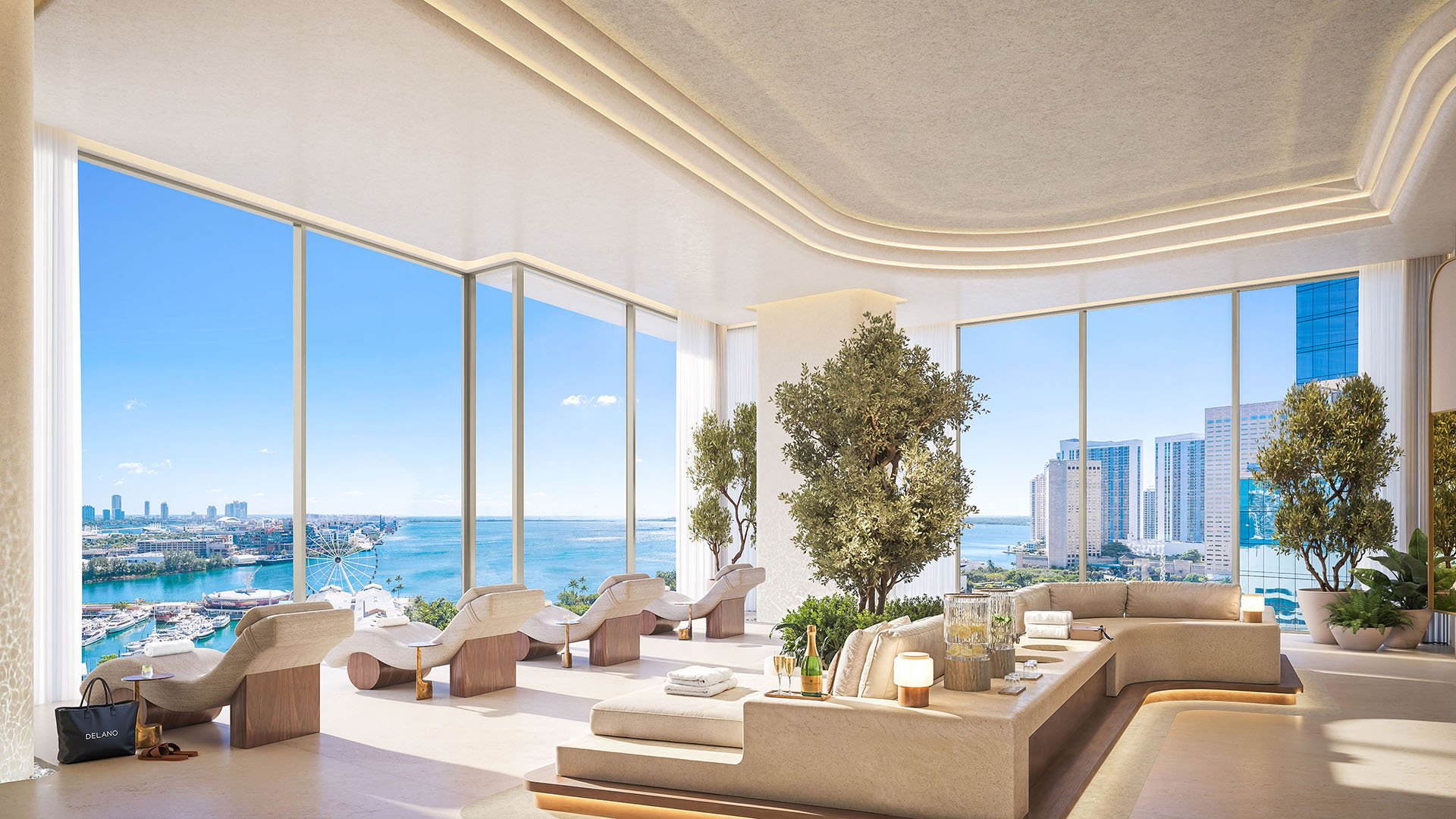
Read Delano Residences & Hotel Miami through the lens of hotel-residence complexity. The key issue is how a hospitality identity interacts with owner privacy. Buyers should ask whether the residential path feels distinct, whether amenity access is balanced, and whether the building protects the owner experience during high-visibility moments.
In all three cases, the brand is the beginning of the conversation, not the conclusion. The strongest purchase decision will come from understanding how the building behaves when it is full, how it receives residents when attention is high, and how consistently it makes daily life feel discreet.
For 2026, the luxury buyer’s edge is operational skepticism delivered with taste. A residence can be glamorous, beautifully branded, and positioned within South Florida’s most compelling markets, yet still require close evaluation of movement, privacy, and service culture.
888 Brickell by Dolce & Gabbana deserves particular scrutiny because its Brickell setting places it inside a dense urban environment where scale and circulation are central to livability. The Ritz-Carlton Residences® Fort Lauderdale and Delano Residences & Hotel Miami invite a different set of questions around hospitality, guest energy, and owner separation. The buyer who understands those differences will not be seduced by brand alone. They will know whether the residence is capable of becoming familiar, private, and calm once the initial spectacle fades.
Why is 888 Brickell by Dolce & Gabbana different from a beachfront residence? It is positioned in Brickell, a dense urban financial-district setting, so circulation, arrival privacy, and vertical living become central diligence points.
Should buyers prioritize the Dolce & Gabbana brand when evaluating 888 Brickell? The brand is central to the identity, but buyers should also evaluate lobby sequencing, elevator sharing, amenity load, and staff familiarity.
What is the most important privacy question for a branded residence? Buyers should ask whether the path from arrival to private residence feels separated from guest, public, service, and amenity traffic.
How should The Ritz-Carlton Residences® Fort Lauderdale be compared in this lens? It should be evaluated for how its hospitality promise translates into resident priority, privacy, service consistency, and daily ease.
How should Delano Residences & Hotel Miami be evaluated? Buyers should focus on how hotel-residence energy is balanced with owner privacy, access control, and calm residential circulation.
Why does building scale matter in ultra-luxury real estate? Scale affects elevator timing, amenity crowding, staff recognition, guest handling, and how private the building feels at peak hours.
What does resident familiarity mean? It means the staff and operating systems recognize residents, anticipate routines, and make the building feel personal rather than anonymous.
Are amenities always an advantage? Amenities add value when they remain usable, private, and well-managed during the times residents most want to use them.
What should buyers test during a site visit or sales appointment? They should walk the arrival sequence, ask about elevator separation, study amenity access, and imagine the building at its busiest.
What is the simplest 2026 due-diligence rule for these projects? Treat brand as the invitation and operations as the proof; the best residence must feel private, familiar, and graceful every day.
When you're ready to tour or underwrite the options, connect with MILLION.
If branded residences are on your mind — as a home or as an allocation — we would be glad to share what we are seeing, privately.
Begin a quiet conversation