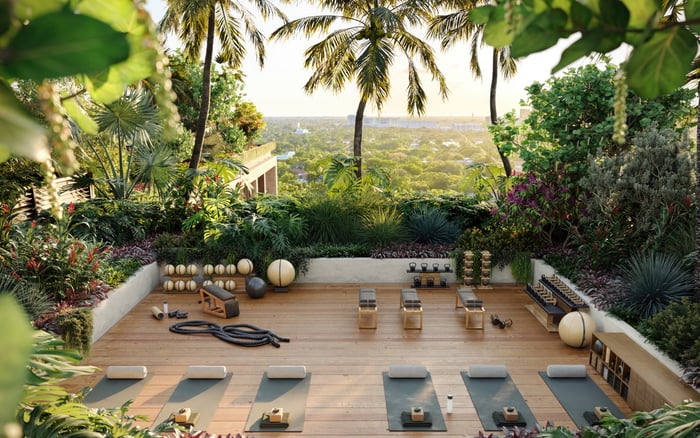
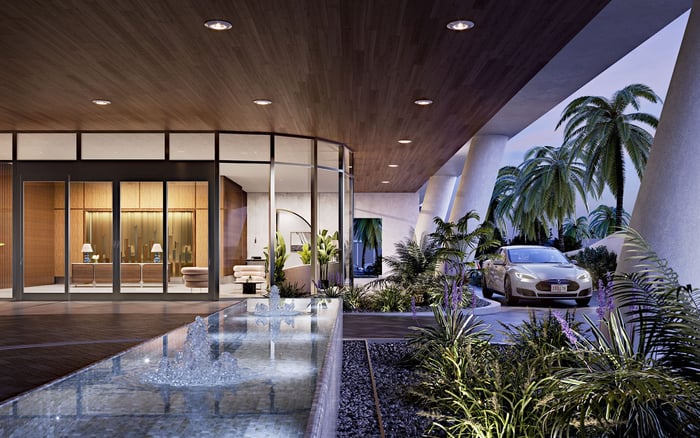
In South Florida’s new luxury, wellness is no longer an amenity suite tucked behind the fitness center. It is a design mandate that affects circulation, acoustics, air quality, privacy, staffing, and the daily rhythms of residents. Cryotherapy, in particular, is a telling bellwether: it is equipment-forward, temperature-extreme, and experience-sensitive. The way a building integrates a cryotherapy chamber reveals how serious the developer is about holistic performance, not just aesthetics. This editorial compares the integration of cryotherapy chambers as a concept in two wellness-forward residential conversations: House of Wellness Brickell and The Well Coconut Grove. Without relying on undisclosed specifications, we focus on what discerning buyers can evaluate in any tour: planning, adjacency, privacy, operations, and resale-relevant permanence.
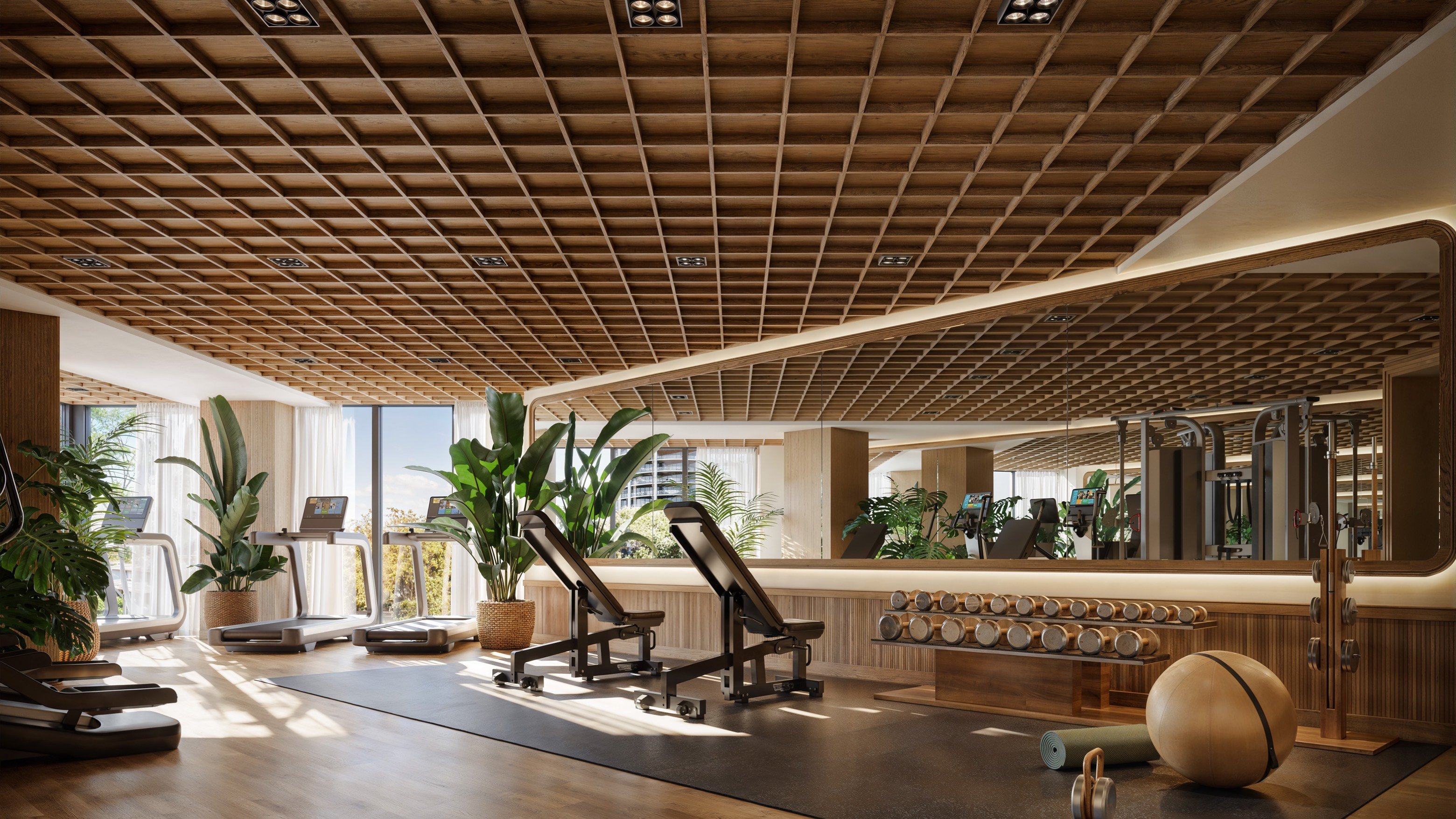
Cryotherapy sits at the intersection of performance, medicine-adjacent wellness, and hospitality theater-and it is notably unforgiving as a real-estate feature. Unlike a yoga studio or a steam room, a chamber brings real engineering and operational demands: temperature differentials, ventilation, acoustic containment, moisture management, and a clear choreography of arrival and recovery.
For buyers, this matters because wellness amenities only earn their keep when residents actually use them. If the route to the chamber feels exposed, if the space reads as an afterthought, or if day-to-day operations feel inconsistent, residents quietly stop going. When integration is done correctly, cryotherapy becomes part of a weekly rhythm-much like a well-run pool deck or a true spa.
In a market like South Florida, where residences compete as much on lifestyle performance as on square footage, the question is not simply whether cryotherapy is offered. The question is whether the building is planned to support it with discretion, comfort, and repeatability.
Brickell is a neighborhood engineered for momentum. Residents often want wellness to function like a private membership club that happens to be located downstairs. The clearest value proposition is speed: a short transition from elevator to treatment, and an equally short transition back to work, dinner, or travel.
In that context, House of Wellness Brickell is best evaluated as an integration challenge: how does a high-tempo vertical neighborhood make an extreme-temperature experience feel effortless and private? The strongest implementations typically share three traits.
First, circulation that avoids spectacle. The ideal path from residence to wellness level should minimize long corridors of glass, busy lobby crossings, or moments where you feel “on display” post-treatment. Second, a calibrated threshold sequence: a reception or check-in moment, then a decompression zone, then the chamber, then an equally calm recovery zone. Third, operational clarity. Cryotherapy is not a set-and-forget amenity; it benefits from a consistent protocol and a space that reads as managed-not merely unlocked.
In Brickell, the buyer lens is pragmatic: will you actually use it on a Tuesday at 7:10 a.m.? Will it feel reliable before an early flight? Will the experience stay discreet when guests are visiting? If the answers are yes, the amenity becomes part of the building’s identity, not just its brochure.
When considering Brickell’s broader luxury ecosystem, it is useful to compare the “wellness as cadence” model against neighboring new-construction living. Buildings such as 2200 Brickell and Una Residences Brickell underscore how the district increasingly sells time, service, and frictionless routines as much as skyline views.
Coconut Grove has a different rhythm. Even at its most elevated, the Grove tends to prize a sense of protected calm: more tree canopy, more walkability, more neighborly familiarity, and an easy pivot from city life into something quieter.
That shift in psychology changes what “good” cryotherapy integration looks like. Here, the ideal is not only speed, but atmosphere. Buyers tend to favor a space that feels like an intentional sanctuary, with stronger acoustic separation, warmer materiality in the pre- and post-treatment zones, and a more spa-like pacing.
Belongs in this conversation because it signals an approach where wellness is not an appendage to fitness-it is a pillar of the residential narrative. In Grove-adjacent thinking, cryotherapy performs best when it is positioned as one chapter in a broader ritual: arrive, reset, treat, recover, leave better than you came.
That ritual framing has design consequences. It typically calls for a more generous decompression lounge and a clearer hierarchy of privacy, including controlled access and a layout that prevents accidental cross-traffic with high-volume amenities. For residents, that translates into a feeling of ownership: you are not borrowing a room; you are entering a managed wellness environment.
To understand the Grove’s luxury trajectory, it also helps to keep your eye on nearby residential options that emphasize lifestyle refinement and neighborhood texture, such as Four Seasons Residences Coconut Grove and Opus Coconut Grove. Even when amenities differ, the buyer expectation is consistent: calm, privacy, and a sense of permanence.
Because the Fact Table is not providing equipment specifications, the most buyer-useful comparison is a practical audit. If you tour House of Wellness Brickell and The Well Coconut Grove, or any wellness-forward residence in Brickell or Coconut-grove, use these criteria.
Cryotherapy should not open directly into a busy gym floor. Look for a buffer-reception, lounge, or corridor-that creates psychological separation. The best layouts treat the chamber area as a suite, not a corner.
Policies change; walls remain. Evaluate sightlines from elevators, corridors, and other amenity rooms. A discreet experience is often the difference between consistent use and avoidance.
Even if the chamber is the headline, the spaces around it determine whether the experience feels luxurious. Ask how ventilation, temperature, and odor control are handled in the surrounding zone. A high-end wellness floor should feel neutral and clean-never clammy or over-perfumed.
Recovery is a sensory state. If you can hear weights, music bleed, or loud corridor traffic, the amenity reads as an add-on. In the Grove, this matters even more because residents often expect retreat-level calm.
Cryotherapy tends to work best when there is a consistent operating standard. Ask what the check-in experience is, how scheduling works, and the building’s approach to resident and guest access. You are not only buying equipment; you are buying a pattern of use.
The cleanest way to compare House of Wellness Brickell and The Well Coconut Grove is to treat cryotherapy as a proxy for the building’s lifestyle thesis.
In Brickell, value is often measured in velocity. Residents want amenities that compress time: you can take care of your body without interrupting your day. The ideal integration is efficient, intuitive, and resilient to peak-hour demand. If the design supports fast in and fast out while maintaining privacy, it will be used.
In Coconut-grove, value is often measured in nervous-system quiet. Residents want amenities that deepen the sense of living somewhere restorative. The ideal integration is more ceremonial: you should feel your pace slow down as you enter the wellness area. If the design supports that mental shift, the amenity will be cherished.
Neither model is “better.” They simply reflect different definitions of luxury. Brickell’s definition is often about control over a packed calendar. The Grove’s is often about control over your internal environment.
Luxury wellness has entered the resale conversation, but not all amenities age well. Cryotherapy’s resale value depends on three things.
First, permanence of integration. If the chamber reads like it could be removed and replaced by another fitness gadget, it will not hold lasting appeal. The more the space feels purpose-built, the more it anchors value.
Second, operational consistency. Future buyers will ask whether the amenity is actually maintained and used, not just shown. A well-run system becomes a reputation.
Third, buyer belief. In Brickell, the buyer belief is that life is optimized by proximity and service. In Coconut-grove, the belief is that home should regulate stress. If the cryotherapy experience aligns with the neighborhood’s buyer belief, it will remain relevant even as wellness trends evolve.
For those evaluating multiple neighborhoods, it can be clarifying to contrast this wellness-led positioning with other ultra-premium propositions nearby. For example, St. Regis® Residences Brickell represents a service-first interpretation of luxury living in Brickell, which can influence how residents expect amenities to be curated and staffed.
When you are under contract, it is easy to focus on views and finishes. If cryotherapy is part of why you are buying, treat it like any other critical building system and ask direct, buyer-grade questions.
Ask where the chamber is located relative to elevators and other amenities, and whether the route preserves discretion. Ask how scheduling works and whether access is resident-only or shared broadly. Ask what the recovery zone looks like, because that is where luxury is felt. And ask who, operationally, “owns” the experience day-to-day.
A final, subtle test: stand quietly in the wellness area for a moment. If the space feels calm, legible, and intentional, you are seeing integration. If it feels like a corridor to something else, you are seeing marketing.
Is cryotherapy in a condo building mainly a lifestyle perk or a value driver? It can be both, but it holds value best when the space is purpose-built and consistently operated.
What matters more: having a cryotherapy chamber or having a full wellness suite around it? The surrounding suite matters more because it determines privacy, comfort, and repeat use.
How can I tell if the integration is discreet enough? Trace the path from elevator to chamber and look for buffered thresholds and minimal sightlines.
Does neighborhood culture change how residents actually use wellness amenities? Yes. Brickell often favors quick routines; Coconut-grove often favors slower, retreat-like rituals.
Should I expect staffing for cryotherapy in a luxury residence? Many residents prefer a managed experience; ask how scheduling, access, and oversight are handled.
What design detail signals a higher-end cryotherapy experience? A dedicated recovery lounge with strong acoustics and comfort is often the clearest tell.
Can cryotherapy amenities become obsolete? Trends change, but well-designed wellness spaces adapt more easily than single-purpose rooms.
Is it a red flag if the chamber is next to the weight room? It can be, because noise and traffic undermine the recovery mindset and the sense of privacy.
How do I evaluate operations during a sales tour? Ask about access control, hours, reservation rules, and how the building maintains the equipment.
What is the simplest way to compare two buildings’ wellness offerings? Compare circulation, privacy, and the quality of the pre and post-treatment spaces.
For a confidential assessment and a building-by-building shortlist, connect with MILLION Luxury.
If branded residences are on your mind — as a home or as an allocation — we would be glad to share what we are seeing, privately.
Begin a quiet conversation