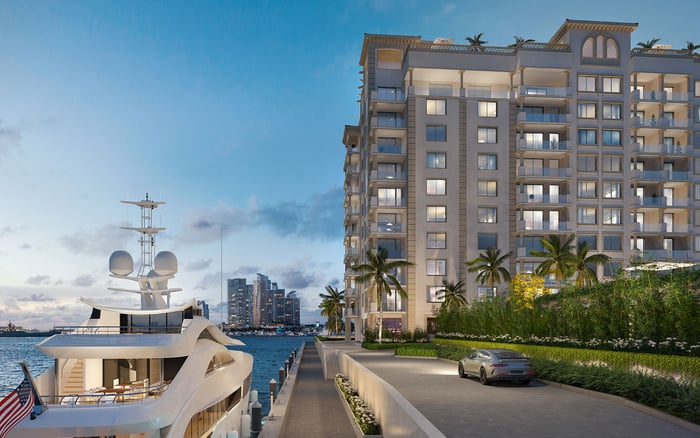
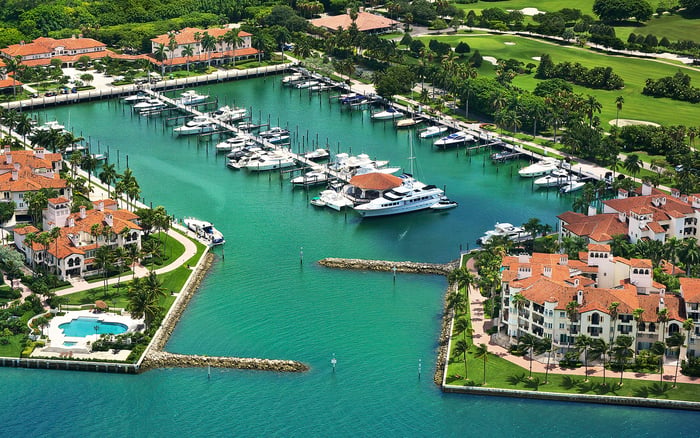
A practical, discreet guide for seasonal buyers evaluating Five Park Miami Beach through the lens of boating-day departures, guest flow, valet timing, storage, and marina coordination.
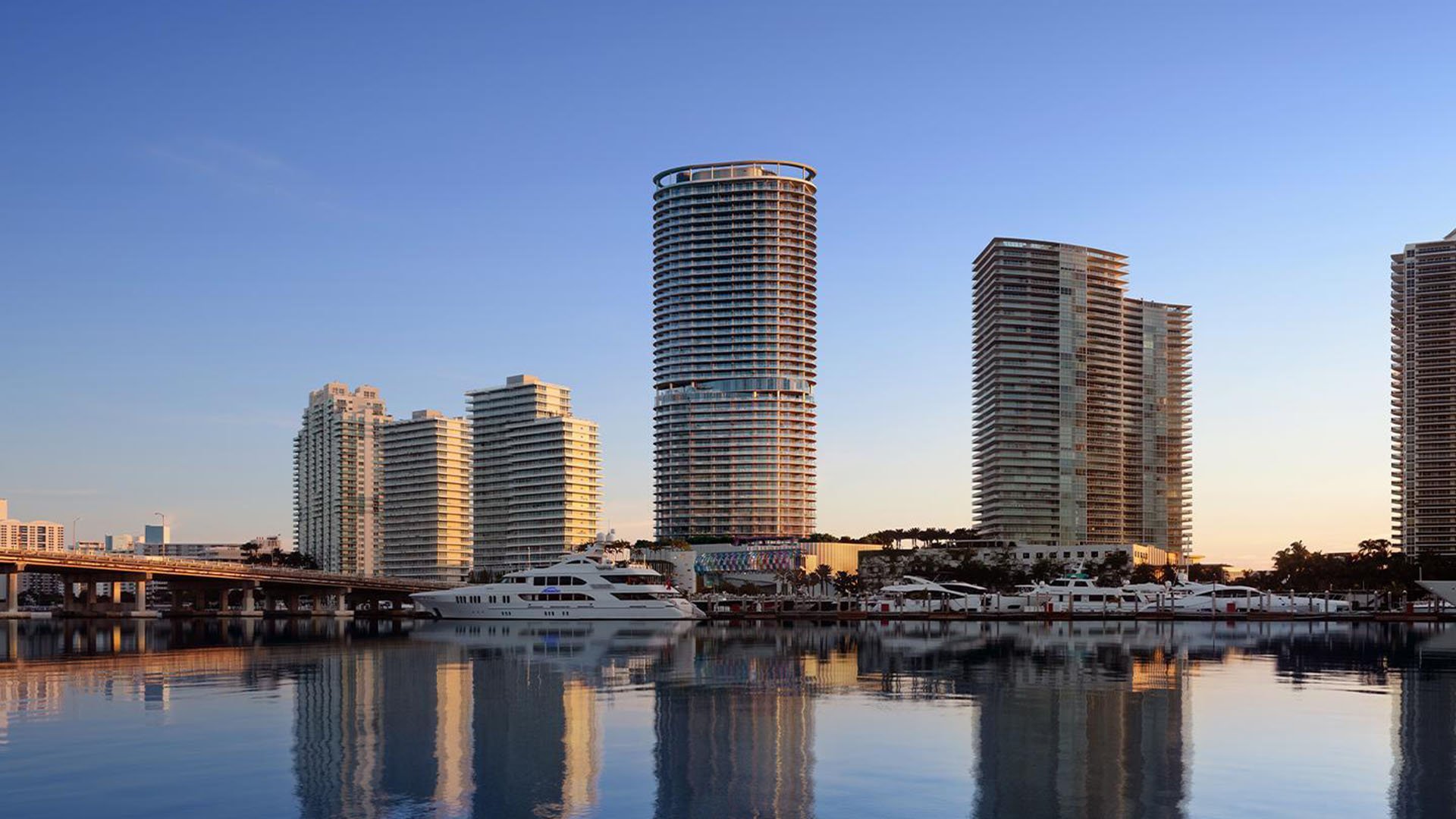
For a seasonal buyer, the quality of a South Florida residence is measured not only by finishes, views, or arrival drama. It is measured by how gracefully the home supports the owner’s routines. At Five Park Miami Beach, one of those routines may be the boating-day departure: the morning sequence that turns a residence into a launch point for the water, guests, provisions, towels, bags, children, pets, and time-sensitive marina coordination.
The most successful second-home owners think about boating days before furniture placement. They ask how the residence functions on a bright weekend morning, when guests are texting from the lobby, the boat captain is waiting, the weather window appears favorable, and a forgotten pair of sunglasses can unsettle the rhythm. This is where luxury becomes operational: not showy, not complicated, simply calm.
Five Park Miami Beach invites this level of buyer analysis because seasonal ownership in Miami Beach is rarely passive. The owner may be in residence for compressed periods, often with family and visiting friends. Every day carries greater value. A boating day should not begin with friction.
The first hour of a boating day usually determines the tone of the entire outing. Buyers should picture the departure sequence in layers: waking, staging, elevator movement, lobby coordination, car or rideshare arrival, provisioning, marina transfer, and guest readiness. The smoother this chain, the more the residence feels like a true seasonal base rather than a beautiful address that requires constant improvisation.
This is especially important for owners who do not live in Miami Beach year-round. Seasonal buyers often arrive with luggage, rotating guests, and a calendar that is already full. They may not have months to refine routines. Before committing, they should understand where boating gear will live, where coolers can be staged, how service access works, and whether the building’s everyday rhythm supports early departures.
Within a buyer’s internal notes, practical filters often read like this: Miami Beach, boat-slip planning, marina coordination, second-home use, and beach access. Those terms are not decorative. They are reminders that a seasonal residence must support movement as elegantly as it supports stillness.
The most refined residences often succeed because the least glamorous details have been anticipated. For boating-oriented owners, storage is central. Towels, hats, sunscreen, children’s flotation items, dry bags, footwear, and spare clothing need a designated place. If every boating day begins with rummaging through closets, the home is underperforming.
Buyers should evaluate whether the floor plan allows for a practical departure zone near the entry. A console, hidden cabinet, or service closet can mark the difference between composure and clutter. Seasonal ownership magnifies this need because the home may be used intensely for short stretches. The best routines are simple enough for household staff, family members, and guests to follow without explanation.
Staging also affects hospitality. Guests should not feel as if they are standing in the middle of a private domestic scramble. Ideally, the owner can prepare discreetly, gather the party efficiently, and move through the building with the ease expected from a private club.
Even when the boat is the destination, the vehicle sequence matters. A boating-day departure may involve a private car, rideshare, captain pickup, or a combination of family vehicles and service runs. Seasonal buyers should consider how many people typically travel together, how much equipment they carry, and whether the departure time coincides with broader building activity.
The core question is not simply whether valet exists, but whether the routine feels predictable. Buyers should ask how advance requests are handled, how peak periods are managed, and where guests are best directed. A well-planned owner will create a standard departure protocol before the season begins, including who calls the car, who confirms the boat, who handles provisions, and who makes the final weather check.
This is also where privacy enters. Ultra-premium buyers often prefer quiet coordination over visible logistics. The less a departure feels like an event in the lobby, the better. Discretion is not only about who sees you; it is about how little effort the day appears to require.
Boating access is never a detail to assume. A buyer interested in Five Park Miami Beach should verify the exact boating arrangement that matters to their lifestyle, whether that means a separately maintained slip, a preferred marina relationship, a captain-managed vessel, or occasional charter use. The word boat-slip can mean very different things depending on ownership structure, location, size requirements, and transferability of rights.
The same caution applies to marina planning. Proximity is useful, but operational fit is more important. A boat owner should consider vessel size, captain availability, parking at the marina, provisioning access, fuel timing, pickup rules, and the return experience at the end of the day. Seasonal owners should also think about what happens when plans change: wind, storms, guest delays, lunch reservations, and late returns are all part of the South Florida boating calendar.
A refined buyer does not need every answer immediately, but they should know which questions must be answered before contract decisions become emotional. The residence and boating life should be compatible, not merely adjacent.
Many seasonal buyers imagine boating days as effortless social occasions, but guest flow requires design thinking. Who arrives first? Where do children wait? Is there a place for a visiting couple to set down a bag? Can older relatives move comfortably from residence to car? Does the household have a plan for wet items upon return?
These are not minor questions. They shape whether the residence feels generous under real use. A beautifully composed living room matters, but so does the ability to return from the water without turning the home into a temporary locker room. Buyers should think through the full cycle: departure, midday communication, return, rinsing and storing gear, changing for dinner, and resetting the home for the next day.
For a second-home owner, repeatability is the standard. A routine that works once is pleasant. A routine that works every weekend of the season is luxury.
Miami Beach buyers often weigh beach access and boating access together, yet the two experiences function differently. Beach days are usually more spontaneous and forgiving. Boating days require coordination, timing, and contingency planning. A residence can be excellent for one and only moderately convenient for the other.
The wise buyer defines priorities with clarity. If the boat is central to the household’s seasonal identity, departure logistics deserve the same scrutiny as views and interior specifications. If boating is occasional, flexibility may matter more than dedicated systems. Neither approach is superior. The mistake is pretending they are the same.
Five Park Miami Beach should be evaluated through the buyer’s actual pattern of use, not an imagined postcard version of ownership. The best purchase is the one that supports the life the owner will truly lead.
Before the first extended stay, seasonal owners should establish a simple boating-day playbook. Confirm marina arrangements, captain contacts, preferred provisioners, weather resources, guest meeting points, valet expectations, and return routines. Build a dedicated boating kit and keep duplicates of items that are easily forgotten. Assign responsibilities so the owner is not managing every detail personally.
For households with staff, the playbook should be written and specific. For owners without staff, it should be even simpler. The goal is not to formalize pleasure, but to remove avoidable decisions from the morning. When the essentials are already decided, the day feels more private, more relaxed, and more worthy of the address.
Is Five Park Miami Beach a good fit for seasonal boating buyers? It can be evaluated as a seasonal home base, but buyers should verify the exact boating logistics that matter to their vessel, guests, and routine.
Should I assume a boat-slip is included? No. Boat-slip rights, access, sizing, and transferability should always be confirmed independently before relying on them in a purchase decision.
What is the most important boating-day question to ask? Ask how the first hour works, from residence staging to lobby movement, vehicle timing, marina transfer, and guest coordination.
Does marina proximity guarantee convenience? Not necessarily. The better measure is operational fit, including captain access, provisioning, parking, pickup rules, and the return routine.
Why does storage matter so much for boating days? Seasonal owners use the residence intensely, and dedicated storage keeps towels, bags, sun care, and water gear from overwhelming the home.
How should guests be handled on departure mornings? Establish a clear meeting point and timing protocol so guests do not create congestion or uncertainty during the most time-sensitive part of the day.
Is beach access the same as boating convenience? No. Beach access is often more spontaneous, while boating requires scheduling, equipment, weather awareness, and marina coordination.
What should a second-home owner prepare before the season? Create a boating-day playbook with contacts, staging areas, valet expectations, provisioning routines, and return procedures.
Can a buyer evaluate this during a showing? Yes. Walk through the exact departure path and imagine a real boating morning with guests, bags, vehicles, and time constraints.
What makes a boating-day departure feel luxurious? Predictability, discretion, and the absence of friction make the experience feel refined before the boat ever leaves the dock.
To compare the best-fit options with clarity, connect with MILLION.
If branded residences are on your mind — as a home or as an allocation — we would be glad to share what we are seeing, privately.
Begin a quiet conversation