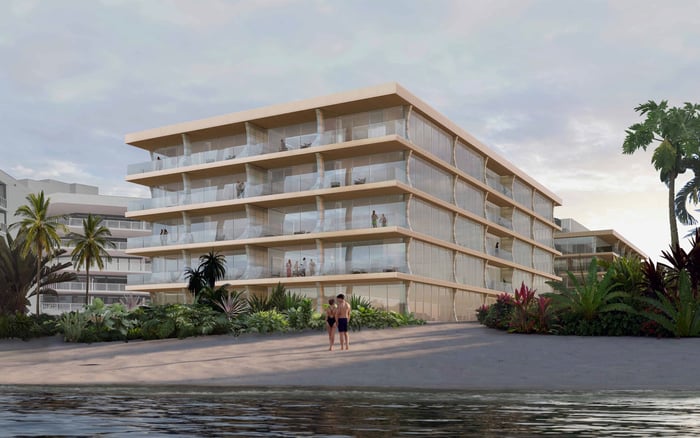
A refined buyer’s guide for New York residents considering a move to Palm Beach, with practical perspective on lifestyle fit, property selection, privacy, due diligence, and long-term ownership strategy.

For many New York buyers, Palm Beach is not simply a warmer address. It is a recalibration of daily life. The move often begins with familiar motivations: privacy, light, outdoor living, family proximity, tax planning, and the desire for a residence that feels restorative without feeling remote. Yet the most successful searches do not start with a checklist of finishes. They start with a precise understanding of how the home will be used.
A primary residence, a seasonal base, and a weekend retreat each demand a different real estate strategy. A buyer who expects to entertain through the winter season may value formal flow, staff circulation, guest separation, and parking more than raw interior volume. A buyer shifting from a Manhattan townhouse or prewar cooperative may care most about architectural character, ceiling height, garden presence, and quiet. A buyer leaving a high-service condominium may want lock-and-leave simplicity, private amenities, and a building culture that feels discreet.
In Palm Beach, luxury is often measured less by spectacle than by ease. The best property reduces friction: arrival feels composed, maintenance is manageable, guests are comfortable, and the setting supports the owner’s preferred rhythm.
New York buyers tend to be highly fluent in property nuance. They understand building reputation, board culture, light, views, service levels, and the difference between a beautiful listing and a livable home. That discipline is valuable in Palm Beach, but it must be translated.
Instead of evaluating only vertical convenience, the Palm Beach buyer must consider approach, exposure, landscaping, outdoor rooms, garage capacity, pool placement, and the relationship between the house and its surroundings. A residence may photograph beautifully and still feel too visible, too formal, or too maintenance-intensive for the way an owner actually lives.
Condominium buyers should look beyond interior design and study the operating environment. Service culture, governance, renovation rules, amenity standards, reserve posture, and the feel of common areas all influence long-term satisfaction. Single-family buyers should consider the house as both architecture and system: mechanical condition, roof life, drainage, window performance, insurance requirements, and landscape maintenance are part of the luxury equation.
In practical search notes, buyers often group needs around Palm Beach, West Palm Beach, new construction, oceanfront living, second-home use, and investment discipline. Those labels are useful only when connected to a real ownership plan.
Palm Beach appeals because it offers several distinct ways to live. Some buyers want the classic island experience: quiet streets, established residences, proximity to clubs, and a sense of continuity. Others prefer the convenience and energy of West Palm Beach, where a more urban cadence can suit buyers who want restaurants, offices, cultural access, and newer residential options nearby.
For those who want a broader search, nearby coastal and club-oriented markets may enter the conversation. Boca Raton, Palm Beach Gardens, and select waterfront enclaves can appeal to buyers who prioritize space, golf, boating, family infrastructure, or a newer product profile. The key is not to treat these markets as interchangeable. Each has its own social rhythm, architectural inventory, and daily logistics.
A New Yorker accustomed to walking everywhere may underestimate the importance of drive patterns, bridge timing, school commutes, airport access, and seasonal traffic. A buyer accustomed to doorman living may overestimate the convenience of a large estate without a thoughtful staffing and maintenance plan. The right location supports ordinary days, not just perfect weekends.
The Palm Beach decision often narrows to a fundamental choice: estate living or condominium living. Single-family homes offer privacy, land, gardens, pools, guest accommodations, and the possibility of more personal architectural expression. They also require a deeper tolerance for operations. Even the most beautifully maintained home needs management, scheduling, vendors, and oversight.
Condominiums can deliver service, security, simplified maintenance, and seasonal flexibility. For buyers who divide time among several residences, this can be compelling. The tradeoff is governance, shared infrastructure, association rules, and less control over building-wide decisions. A buyer moving from a New York co-op or condominium will understand this balance immediately, although the local context differs.
New construction can be attractive for buyers who want contemporary systems, current design language, and a more turnkey experience. Still, new does not remove the need for diligence. Review the quality of execution, warranties, delivery expectations, building management, and the long-term fit of the amenity program.
A luxury purchase in Palm Beach should be evaluated with both emotion and discipline. The emotional side matters because the residence must feel right. The disciplined side matters because carrying costs, maintenance, insurance, governance, and future liquidity can shape the ownership experience.
For houses, diligence should include structural condition, mechanical systems, roof status, water management, window and door integrity, landscape health, and the suitability of prior renovations. For condominiums, review building financials, rules, reserves, assessment history, insurance structure, staff model, and renovation limitations. A beautiful unit can be undermined by a building that does not match the buyer’s expectations for privacy, service, or operational clarity.
Buyers should also think carefully about furnishings and timing. A residence intended for immediate seasonal use requires a different plan than a home that will be renovated before occupancy. Lead times, design approvals, contractor availability, and association rules can shape the real calendar. The most elegant strategy anticipates these issues before the contract stage.
The strongest Palm Beach acquisitions tend to share a few qualities. They are positioned well for the owner’s daily life. They offer privacy without isolation. They have a coherent maintenance plan. They feel appropriate in both high season and quiet months. They also make sense if the owner’s use changes over time.
For a second-home buyer, simplicity can be more valuable than complexity. For an investment-minded buyer, the emphasis should be on quality, scarcity, and broad appeal rather than speculative narratives. For an oceanfront buyer, the romance of the view should be paired with a careful understanding of building condition, exposure, service, and resilience. For a buyer seeking a permanent move, neighborhood fit may matter more than any single amenity.
Palm Beach rewards patience. The right property may not be the most visible listing or the most dramatic house. It may be the one that quietly solves the most problems.
A New York to Palm Beach move often touches several areas at once: real estate, tax planning, estate planning, insurance, design, security, staffing, and property management. These conversations should be coordinated early. A buyer does not need a large circle, but does need a precise one.
The real estate advisor should understand both the emotional and practical dimensions of the move. The attorney should be fluent in local contract norms. The inspector and insurance professionals should be brought in with enough time to evaluate the property carefully. If renovation is contemplated, design and construction input should be obtained before assumptions harden.
Discretion matters. So does candor. A refined purchase process protects the buyer from overpaying for glamour, underestimating operational complexity, or selecting a residence that is impressive but misaligned.
The best move from New York to Palm Beach is not a retreat from sophistication. It is a different expression of it. The formality may soften, the light may change, and daily life may move outdoors, but the standards remain high. Buyers still want design integrity, privacy, service, access, and confidence.
Palm Beach works beautifully for those who know what they want from the next chapter. It is less forgiving for buyers who chase an image without defining the life behind it. Begin with use, then location, then property type, then details. That order keeps the search intelligent and the purchase grounded.
Is Palm Beach a good fit for New York buyers seeking a primary residence? It can be, particularly for buyers who value privacy, outdoor living, and a quieter daily rhythm. The key is choosing a location and property type that support year-round routines.
Should I buy before spending a full season in Palm Beach? Many buyers benefit from experiencing the area during peak and quieter periods before committing. If timing requires faster action, focus on flexibility, location quality, and operational simplicity.
Is a single-family home better than a condominium? Neither is inherently better. A house offers control and privacy, while a condominium can provide service, security, and easier seasonal use.
What should New York co-op and condo owners understand first? They should study governance, reserves, rules, insurance, and renovation procedures with the same seriousness they would apply in New York. Building culture matters as much as design.
Does new construction remove due diligence concerns? No. Buyers should still review quality, warranties, management, timelines, and the long-term usefulness of amenities.
How important is oceanfront positioning? Oceanfront property can be deeply desirable, but view quality should be weighed against exposure, maintenance, service, and building condition. The best choice balances beauty with resilience.
Can Palm Beach work as a second home? Yes, especially when the residence is easy to secure, maintain, and enjoy without constant oversight. Lock-and-leave convenience should be part of the search criteria.
Should investment potential drive the purchase? Investment considerations are important, but they should not override lifestyle fit and property quality. Scarcity, condition, and location tend to matter most.
How early should I involve advisors? Bring in legal, insurance, inspection, and tax professionals before the contract process becomes compressed. Early coordination reduces surprises.
What is the most common mistake New York buyers make? The common mistake is buying the fantasy before testing the daily reality. The right home should feel compelling and function smoothly.
For a confidential assessment and a building-by-building shortlist, connect with MILLION.
If branded residences are on your mind — as a home or as an allocation — we would be glad to share what we are seeing, privately.
Begin a quiet conversation