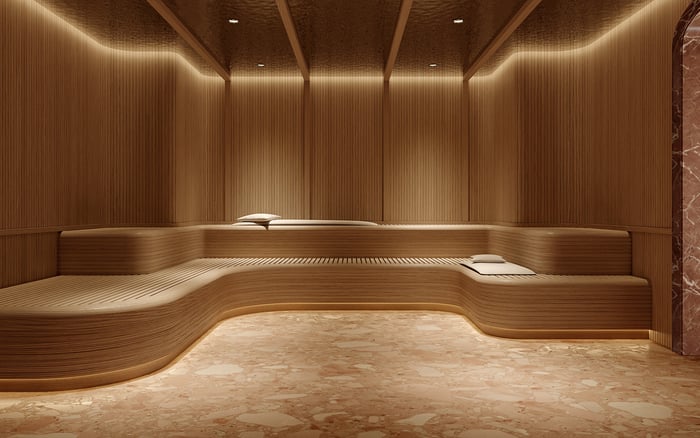
In South Florida, the next frontier of luxury is not always a bigger view or a rarer stone. It is the ability to close the door on the city and hear nothing at all. As traffic, nightlife, and denser urban living push sound into the foreground, buyers are increasingly treating acoustic comfort as a core amenity that protects lifestyle, sleep, and long-term value.
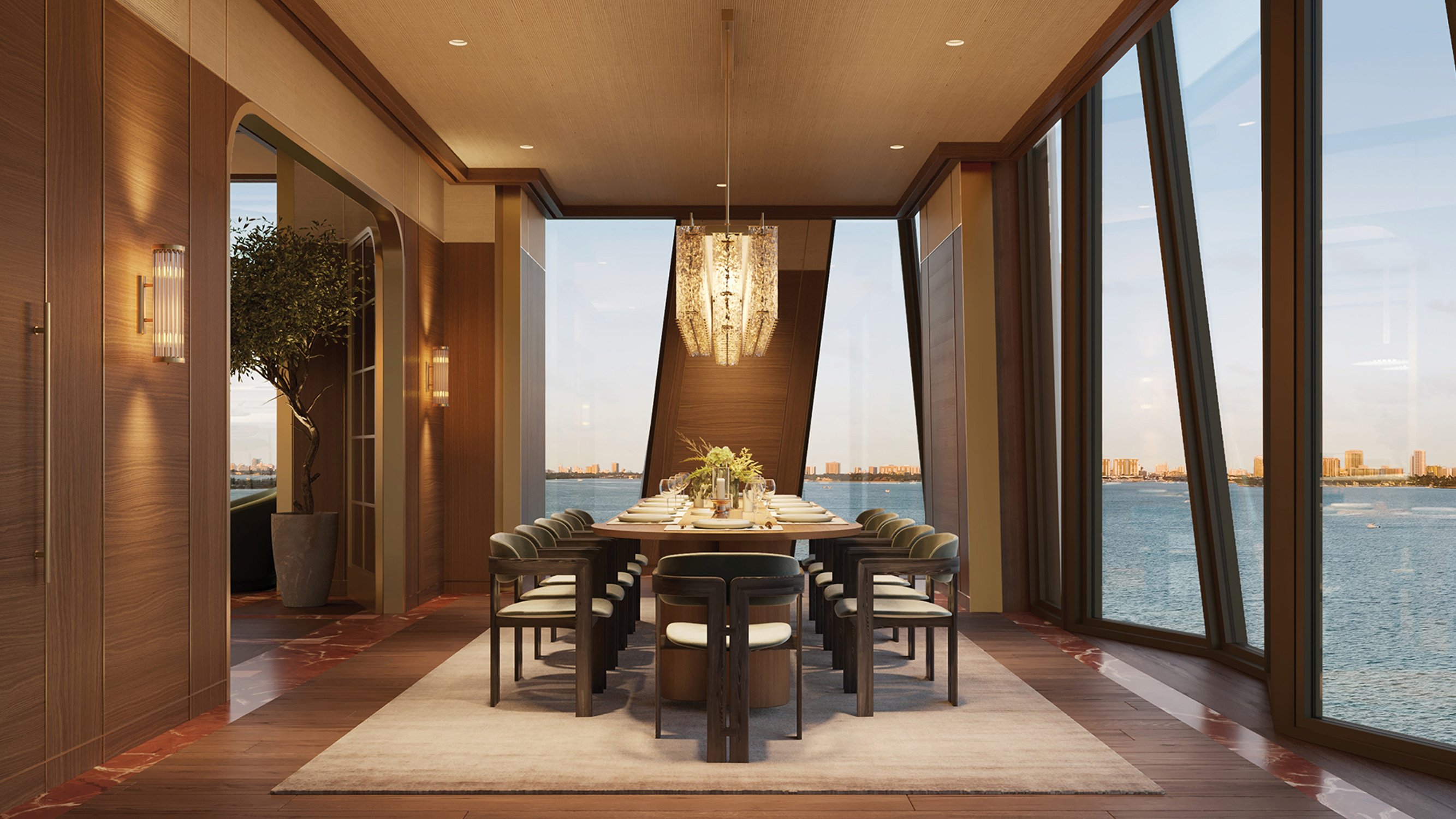
For years, South Florida luxury marketing leaned on what you can see: skyline panoramas, waterfront terraces, curated lobbies, and the theater of arrival. Yet the most persuasive form of exclusivity is increasingly what you can’t. Quiet now commands a premium, and buyers are weighing sound control the way they once weighed ceiling height or a view corridor: as a core component of daily wellbeing.
This shift isn’t merely aesthetic. As traffic, construction cycles, and nightlife activity intensify in denser districts, acoustic comfort becomes a practical differentiator-especially for primary-bedroom rest, remote work, and overall privacy.
South Florida is not a single acoustic environment. The region toggles between ocean hush, tropical wind, and an undercurrent of mobility and entertainment-often depending on micro-location and time of day.
The most sophisticated purchasers now run an informal “sound audit” alongside their view and light assessment:
Time-of-day variability: morning traffic, afternoon construction windows, late-night entertainment peaks.
Orientation: water-facing vs. corridor-facing, exposure to major roads, and proximity to active retail/nightlife.
Building envelope performance: the difference between a well-sealed façade and a leaky one is immediate.
Verticality and placement: higher floors can reduce some street-level noise, while wind and building systems can become more noticeable.
This is where luxury due diligence looks less like a walk-through and more like a lifestyle simulation.
South Florida buyers often face a familiar decision: urban proximity and walkability versus space and quiet. Urban living can bring more activity and convenience, with the trade-off of higher ambient sound. Lower-density pockets can be quieter, with the trade-off of more driving.
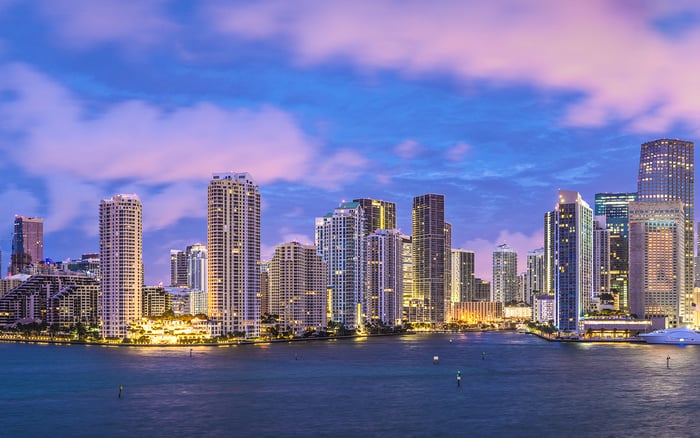
Luxury clients are increasingly unwilling to accept that trade-off as binary. They want the urban address-and bedroom-grade calm. In Brickell, for example, the appeal is immediacy: dining, waterfront access, and a sense of being in the center of things. The practical question is whether the residence can perform like a sanctuary when the district is at full volume. A building such as 2200 Brickell reflects a growing preference for refined, residential-feeling living within a high-energy setting.
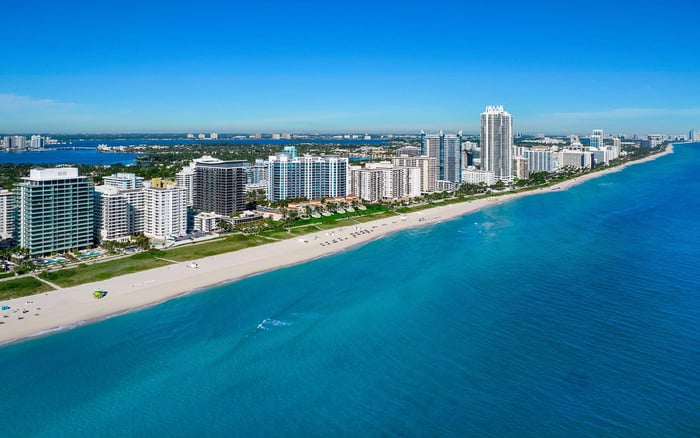
On the waterfront and beaches, the acoustic profile shifts. Oceanfront locations can offer a more consistent ambient sound, where wind and surf act as natural masking. That can be part of why Miami Beach continues to attract buyers seeking a calmer interior rhythm paired with outdoor glamour, with properties like 57 Ocean Miami Beach often considered by those who want design-forward living without feeling pinned beneath a constant street soundtrack.
In premium residences, sound control isn’t a single feature. It’s a system. The highest-performing homes treat acoustics the way they treat waterproofing: largely invisible when executed well, and obvious when ignored.
Key elements buyers can evaluate without becoming engineers:
Glazing and doors. The real-world test is experiential: a balcony door that closes with a confident seal and immediately drops the street presence.
Airtightness and detailing. Noise often travels through gaps and penetrations; effective seals matter.
Layout buffering. Bedrooms placed behind living areas, corridors, closets, or interior buffers can reduce direct exposure.
Mechanical planning. Even in quieter locations, HVAC and building systems can become the dominant interior noise source.
Quiet luxury isn’t absolute “soundproofing.” It’s controlled performance-the ability to choose when you engage with the city.
Luxury buyers often bundle privacy and security with comfort. Sound increasingly belongs in the same conversation because it governs a form of privacy that cameras and access control don’t address: auditory exposure.
In coastal pockets that feel more residential while staying close to the city, this privacy-plus-calm equation can be especially compelling. Wellness-forward living at The Well Bay Harbor Islands aligns with this broader direction: a luxury product that treats lifestyle as a composite of air, light, and quiet.
In denser waterfront districts with newer inventory, buyers may also weigh visual drama against day-to-day interior calm-particularly if they work from home or host frequently. In settings like Aria Reserve Miami, the question becomes how the home feels once doors close and the focus shifts from view to livability.
Even the best buildings can’t eliminate every sound variable. That’s why a second layer is emerging inside the home: dedicated quiet zones.
In luxury residences, the concept translates as a library-like room, a study with acoustic treatments, or a flexible den that functions as a retreat when the household is active. The value proposition is simple: you’re not just buying square footage-you’re buying controllable space.
In ultra-premium transactions, the quiet premium is best assessed the same way you assess light: in person, repeatedly, and with intention.
Consider a disciplined approach:
Visit twice. Tour once during typical business hours and once closer to late evening.
Stand still. Spend a full minute in the primary bedroom without speaking. Note what persists.
Test openings. Open and close balcony doors and windows; listen for the “drop” in exterior sound.
Listen for systems. In condos, pause near vents and returns; mechanical hum can matter as much as traffic.
Ask about routines. Renovation schedules, move-ins, and short-term use patterns can affect day-to-day noise.
None of these steps requires technical equipment. They simply reflect how luxury is lived: calm should be intentional, not accidental.
Why is sound control becoming a luxury priority in South Florida? Denser living, active entertainment corridors, and constant mobility make interior calm feel more valuable day to day.
What’s the simplest way to evaluate noise during a showing? Pause in the primary bedroom for a full minute, then open and close doors/windows to see how much sound drops.
Does floor level automatically mean a quieter condo? Not always; higher floors can reduce some street noise, but wind exposure and building systems may be more noticeable.
Which home design elements most affect interior quiet? Sealed doors and windows, careful façade detailing, buffered bedroom layouts, and well-planned mechanical systems.
Why can two units in the same building feel very different acoustically? Orientation, line-of-sight to active streets, adjacency to elevators or amenity areas, and unit layout can all change the experience.
How can buyers check for “leaky” sound pathways? Listen around window frames, balcony doors, and penetrations; if exterior sound remains sharp after closing, sealing may be weaker.
What is a “quiet room” in a luxury residence? It’s a dedicated retreat space-often a study/den designed for focused work, calls, or downtime with reduced interruption.
How does remote work influence what buyers want from acoustics? When calls and meetings happen at home, consistent interior calm becomes a functional need, not just a preference.
Can waterfront living feel calmer even in urban areas? Often it can; steady ambient sounds like wind and surf may mask intermittent street noise, depending on the specific location and orientation.
How should a buyer balance nightlife access with a peaceful home? Look for buildings and unit placements that separate bedrooms from street exposure and prioritize strong envelope performance.
For a tailored shortlist and next-step guidance, connect with MILLION Luxury.
If branded residences are on your mind — as a home or as an allocation — we would be glad to share what we are seeing, privately.
Begin a quiet conversation