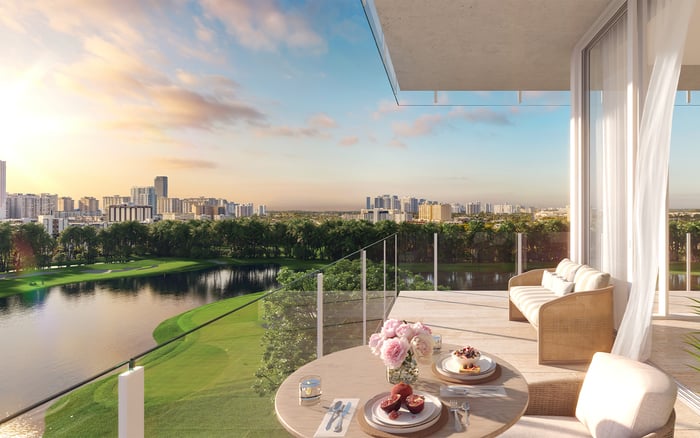
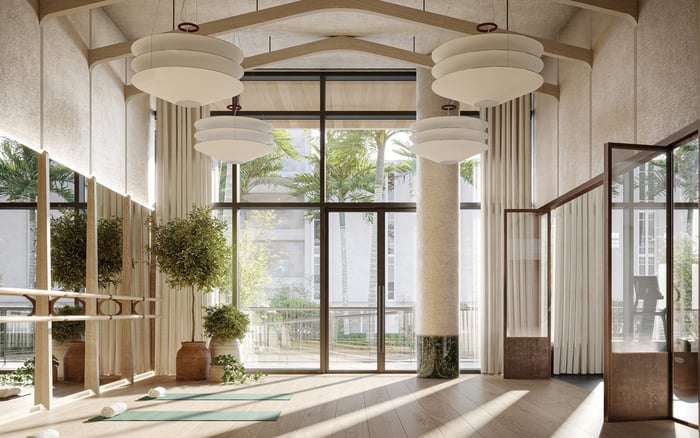
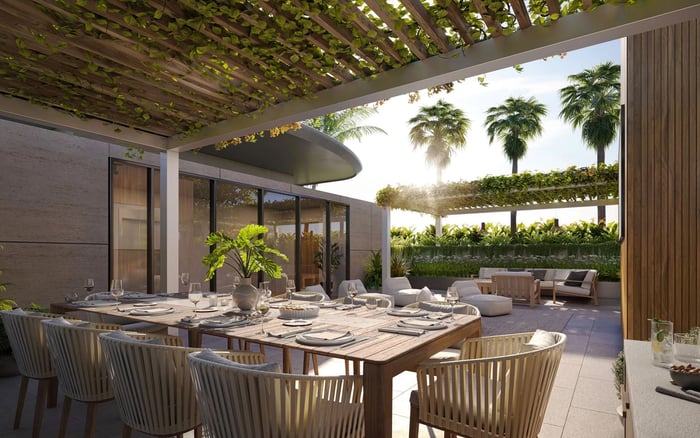
Luxury in South Florida is being redefined by wellness infrastructure, flexible planning, and turnkey livability. Post-pandemic buyers are prioritizing homes that support sleep, air quality, acoustic privacy, and effortless indoor-outdoor living, while still delivering refined design. This editorial outlines the features shaping the next generation of ultra-high-end residences and how to evaluate them when touring new construction or a high-caliber resale.
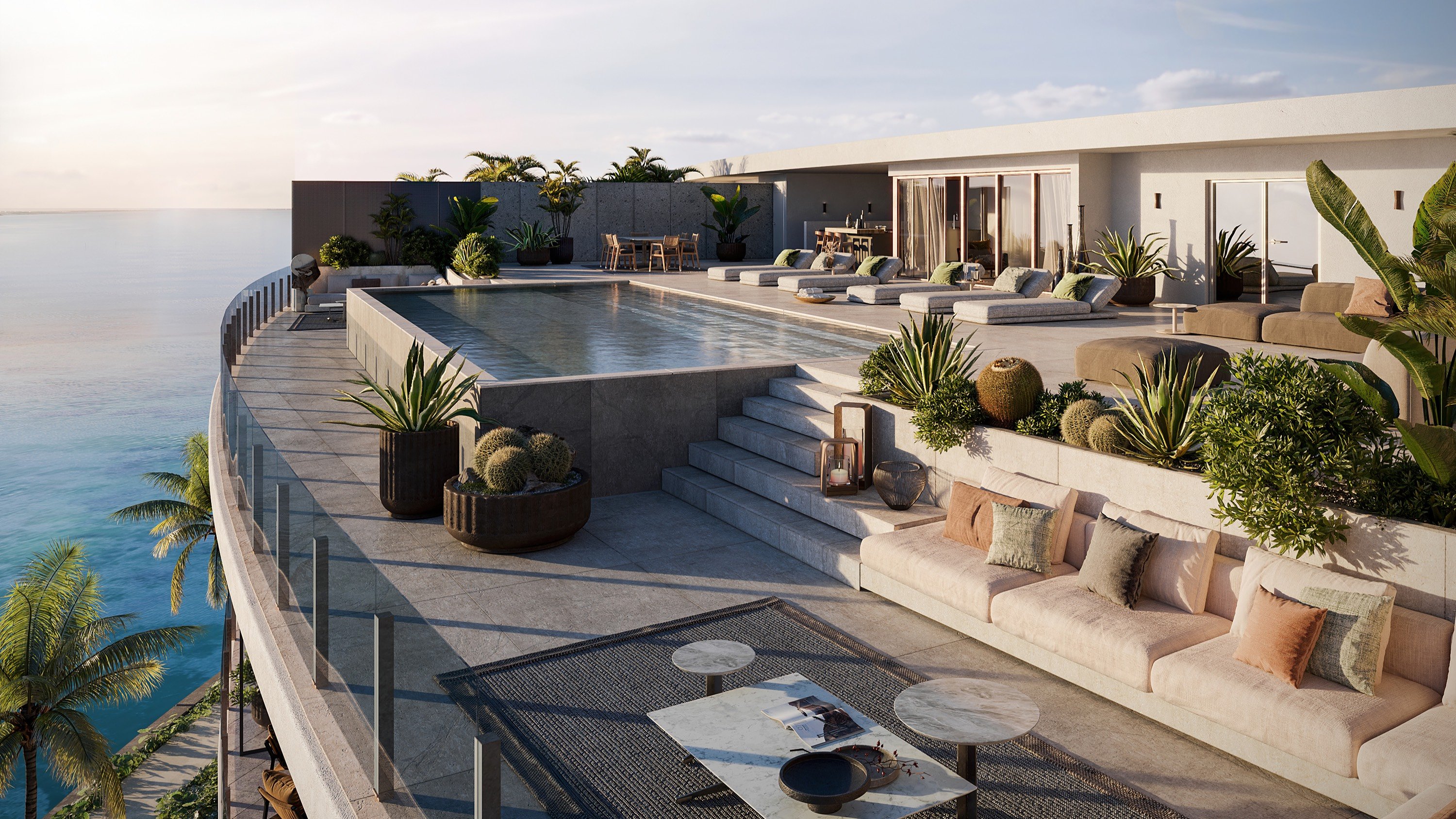
In South Florida, the most sophisticated homes are signaling wealth less through spectacle and more through how daily life feels. Today’s strongest status cues are health-centered: cleaner indoor air, lighting that supports sleep, spaces that adapt to shifting routines, and outdoor rooms that live as true extensions of the interior-not seasonal add-ons.
This shift has accelerated as high-end households use their homes in more ways. Residences are no longer only destinations for evenings and weekends. They function as workplaces, recovery environments, entertaining venues, and, in many cases, multigenerational hubs. In that reality, “trophy” design still matters-but it has to perform.
A parallel change is generational. Many younger luxury buyers are seeking accessible, sustainable luxury-and homes that feel authentic and experience-driven rather than defined by excess. That preference elevates restraint, craftsmanship, and features that quietly improve wellbeing.
Open plans are not disappearing; they are being refined. The prevailing direction is a layout that preserves flow while introducing separation for privacy and simultaneous activities. Think hospitality planning applied to residential life: you can host without broadcasting the entire home, and you can work without feeling like you’re working in the middle of the living room.
Movable partitions add that flexibility. Sliding and pocket doors create on-demand separation for calls, study sessions, or overnight guests-then disappear when it’s time to entertain. A well-executed plan also anticipates how households evolve, which is why multi-purpose rooms are increasingly requested. Today, that room might be a wellness studio; later, it becomes a media lounge, a study, or a secondary office.
In Brickell, where vertical living can be exceptionally elegant, zoning becomes even more consequential. A residence in 2200 Brickell, for example, suits the buyer who wants a city address but still expects clear separation between hosting, sleeping, and focus time. When touring any building, evaluate not just square footage, but how the plan performs when multiple activities are happening at once.
Purpose-built home offices remain a defining post-pandemic feature. But discerning buyers have moved beyond the “desk in a spare room” solution. The new standard is an office designed for real concentration and professional presence-supported by deliberate acoustic privacy.
Acoustics are easy to overlook because they rarely show up in listing photos. In everyday living, though, they determine whether a home can truly support focused work. Look for a room that fully closes, ideally buffered from the loudest social zones. Materials matter: solid-core doors, layered wall assemblies, and softer finishes that reduce echo. If your lifestyle includes frequent calls, content creation, or confidential work, the office is a value driver-not just an amenity.
In mixed-use downtown environments, office design is also about psychological separation. A closed door and strong sound control can be the difference between living at home and feeling like you live at work.
Wellness is shifting from an optional upgrade to built-in infrastructure. The most future-proof luxury homes are planned with dedicated wellness rooms or zones from the start, rather than forcing a retrofit later.
That space may be a studio for yoga and strength training, a meditation room, or a recovery-focused zone adjacent to a spa-like bathroom. Bathrooms themselves are being reimagined as daily wellness suites, with experience as the priority: calm materials, layered lighting, and enough room to incorporate recovery amenities over time.
In neighborhoods where boutique living is prized, wellness-forward positioning has become part of the lifestyle narrative. Buyers exploring Bay Harbor Islands increasingly gravitate toward concepts that put wellbeing at the center of the residential experience, including The Well Bay Harbor Islands, where health-supporting design is integrated rather than appended.
If one category has quietly surged in importance, it’s indoor air quality. Health-conscious owners want to understand what they’re breathing-not just what they’re seeing. As a result, air-quality products and monitoring have become one of the fastest-growing smart-home categories.
For buyers, the lens is practical:
Can the home support high-performance filtration and fresh-air exchange?
Is there space and infrastructure for monitoring and control?
Are finishes and materials selected to promote a healthier indoor environment?
Even in an impeccably designed home, air can be compromised by poor filtration, humidity swings, or an incomplete ventilation strategy. On tour, ask to see the mechanical approach and where filtration lives. In a new-construction condo, the conversation centers on building systems and unit-level control. In a single-family estate, it’s about how the full envelope and HVAC strategy work together.
Lighting is now a wellbeing feature-not merely a design choice. Human-centric, circadian-aligned lighting strategies are intended to support sleep and daily rhythm by adjusting intensity and color temperature throughout the day. Research reviews have linked circadian-aligned lighting interventions with sleep and wellbeing-related outcomes, one reason the concept is moving into luxury residences.
In South Florida, where natural light can be abundant, the goal isn’t just brightness. It’s control and nuance. Look for:
Daytime light that feels clean and energizing in kitchens and work zones
Softer, warmer light in the evening to support winding down
Layered lighting in bathrooms and closets that avoids harsh glare
In Miami Beach, buyers who value design discretion often respond to residences where light shapes mood without calling attention to itself. The best lighting plans feel inevitable-like the home is always set to the right scene.
Biophilic design strengthens daily connection to nature through views, plants, natural materials, and organic textures. Its appeal isn’t trend-driven; it’s visceral. Homes that integrate greenery, wood, stone, and generous openings to outdoor space tend to read as calmer and more restorative.
In a coastal market, the simplest biophilic decisions can be the most powerful: framing water views, using natural stone that feels tactile rather than polished into anonymity, and creating sheltered outdoor rooms that can be enjoyed year-round.
That’s why certain oceanfront and near-ocean projects resonate so strongly with wellness-minded buyers. In Surfside, for instance, Eighty Seven Park Surfside speaks to the buyer who wants the sensory benefits of light, air, and proximity to nature-paired with a refined, design-forward atmosphere.
Indoor-outdoor living remains a defining luxury priority in South Florida, but the bar has moved higher. Outdoor lounges and kitchens are now conceived as true living and entertaining spaces-not secondary zones with a grill.
Outdoor kitchen design has evolved beyond a single cooking element into a more complete hosting setup that functions like a second kitchen. Evaluate outdoor space with the same rigor as the interior:
Is there a real work zone for cooking and plating?
Are shade, airflow, and lighting designed for comfort?
Does the outdoor space connect naturally to indoor social zones?
In beachfront settings, the outdoor room becomes a wellness asset, too: space for morning movement, sunset dining, and effortless social time. In Hallandale, 2000 Ocean Hallandale Beach aligns with this lifestyle, where exterior amenities are expected to be livable extensions of the home environment.
High-end households are planning for change. Dual primary suites are rising in popularity, supporting multigenerational living, long-term guests, and evolving family structures. In practice, that means two owner-caliber suites with comparable privacy and bathroom quality-not a “main suite” plus a distant compromise.
Even for buyers who don’t currently need multigenerational capacity, the value is resilience. A dual-suite plan can accommodate visiting parents, an adult child home from school, or a partner on a different schedule. In resale terms, flexibility tends to broaden the future buyer pool.
Luxury buyers increasingly expect turnkey residences that are immediately livable, with integrated amenities. That doesn’t mean every room must be filled; it does mean the infrastructure is complete: lighting controls are programmed, climate and air strategies are in place, and the home reads as finished rather than perpetually “almost.”
For buyers, the implication is simple: scrutinize what is truly included. Turnkey at the ultra-high end is about eliminating friction. If a residence requires months of post-closing construction to reach its intended standard, it may still be exceptional-but it is no longer effortless.
In Miami Beach, a turnkey mindset can be especially compelling for second-home owners who want arrival to feel immediate. 57 Ocean Miami Beach fits the buyer who prizes a refined, ready-to-live coastal residence and expects wellness, privacy, and outdoor living to be fully considered in the overall experience.
A wellness-first residence should register in quiet, functional ways. Use a checklist that goes beyond finishes:
Sound: step into bedrooms and offices, close the door, and listen
Light: note glare, shadow, and whether the lighting feels adaptable
Air: ask about filtration, ventilation, and humidity-control capability
Plan: identify where privacy exists without sacrificing flow
Outdoors: confirm the outdoor space is genuinely functional for daily life
A final lens is longevity. The most valuable homes will be the ones that can support changing routines without requiring fundamental rework.
What makes a home “wellness-first” rather than simply luxurious? It treats air, light, acoustics, and recovery spaces as core infrastructure, not optional add-ons.
Are fully open floor plans falling out of favor? Many buyers now prefer layouts that keep flow but allow separation for privacy and parallel use.
What is a multi-purpose room in today’s luxury homes? It is a space designed to change function over time, such as wellness today and office tomorrow.
Why are pocket and sliding doors trending in high-end design? They create on-demand privacy without sacrificing the openness and continuity buyers still want.
What should I look for in a luxury home office? Prioritize acoustic privacy, a closable room, and placement away from the home’s social core.
How do buyers evaluate indoor air quality in a residence? Ask about filtration, fresh-air strategy, monitoring options, and the home’s humidity control.
What is circadian or human-centric lighting? It is lighting designed to support daily rhythm by shifting intensity and color temperature over the day.
How does biophilic design show up in a South Florida home? Through natural materials, greenery, and layouts that maximize views and connection to outdoor space.
What is the new standard for outdoor kitchens? A complete hosting setup that operates like a second kitchen, not just a grill station.
Why are dual primary suites increasingly popular? They support multigenerational living, long-term guests, and flexible household needs over time.
For a confidential assessment and a building-by-building shortlist, connect with MILLION Luxury.
If branded residences are on your mind — as a home or as an allocation — we would be glad to share what we are seeing, privately.
Begin a quiet conversation