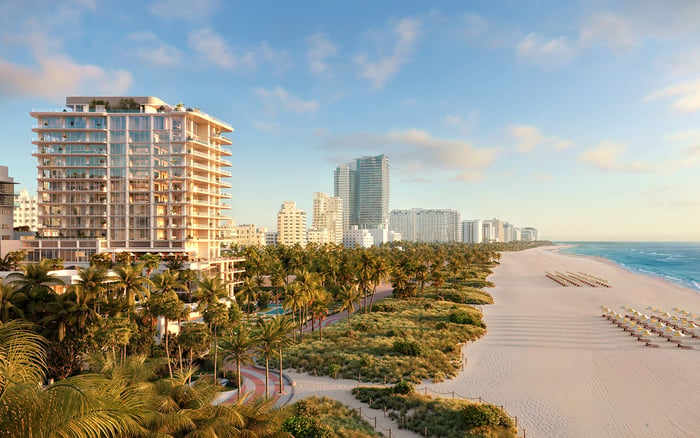
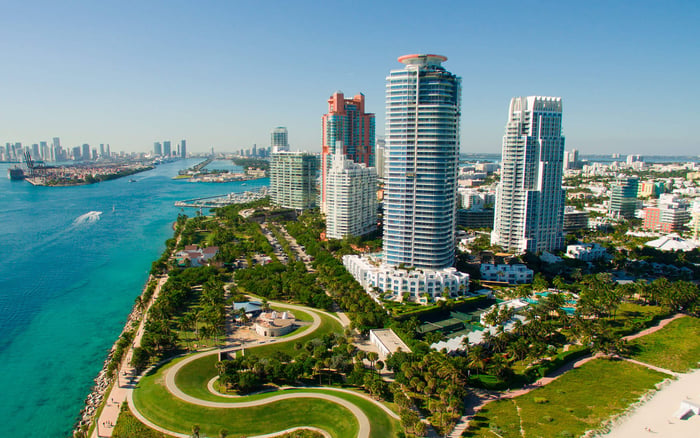
In South Florida’s luxury condo universe, “brand” and “address” both command a premium, but they do so in different ways. This editorial compares Miami Beach and Sunny Isles through the lens of liquidity, pricing power, and total cost of ownership, with a buyer-focused framework for underwriting the real value of hospitality-led living.
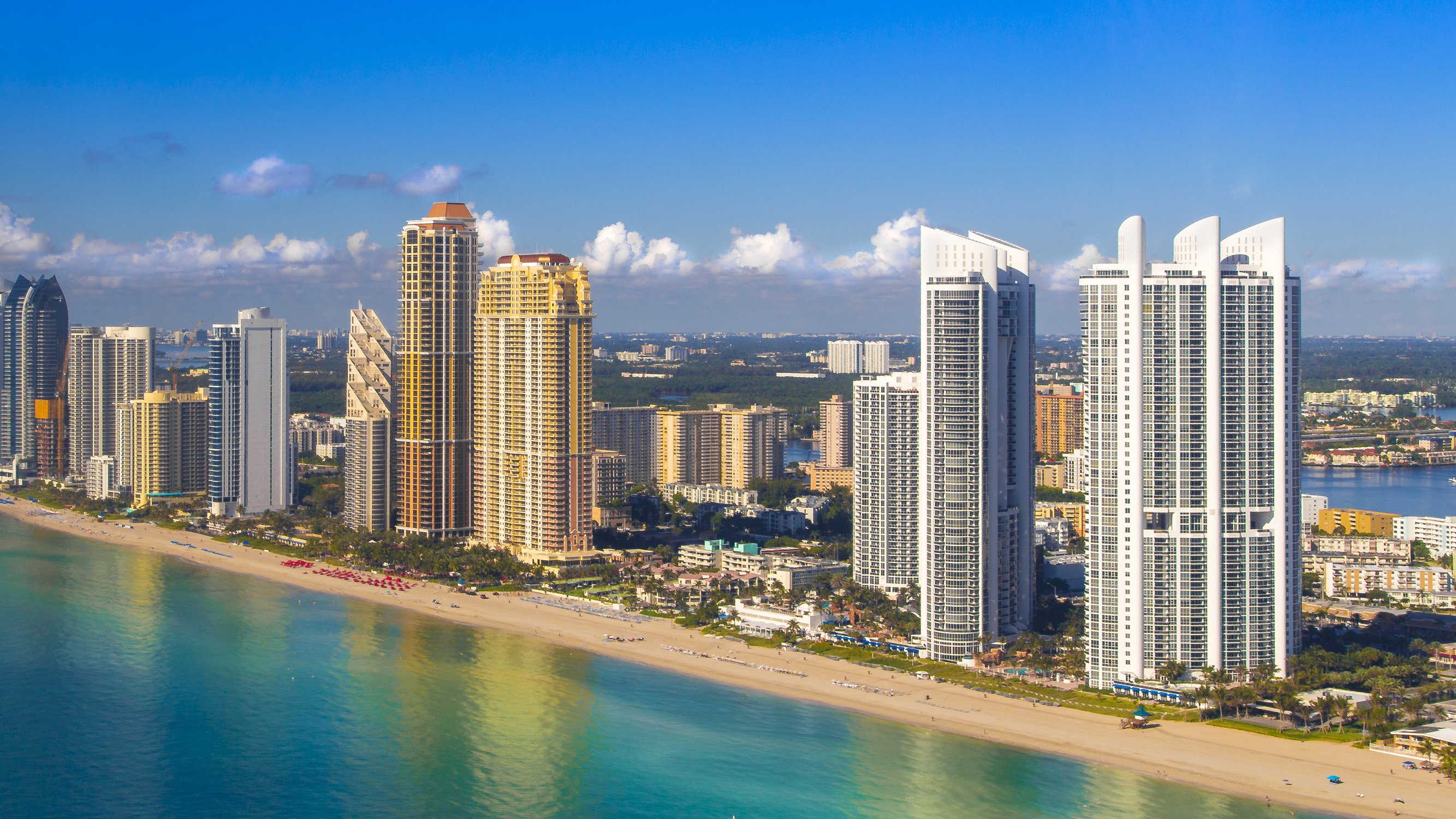
Luxury buyers rarely debate whether a residence is “nice.” The real debate is whether the premium will hold. In South Florida, two premiums often overlap but don’t always compound: the branded-residence premium and the prime-location premium. A branded residence is not merely a logo in the lobby. The value proposition is hotel-style operations that make ownership feel effortless: concierge problem-solving, housekeeping coordination, owner services, and the lock-and-leave convenience second-home buyers quietly prize. In practice, the brand is an operating system. Prime location, by contrast, is a scarcity thesis. It’s the wager that a specific coastline, neighborhood fabric, and lifestyle ecosystem will keep pulling demand even when sentiment cools. Miami Beach and Sunny Isles Beach are a clean case study because both are beachfront, both are internationally legible, and both attract global second-home capital. Yet their pricing and liquidity can diverge meaningfully.
When buyers say “I want optionality,” they typically mean resale liquidity without sacrificing pride of ownership. In recent market snapshots, Miami Beach luxury condos in South Beach have been around $1,538 per square foot, with strong year-over-year growth and average days on market near 80. Sunny Isles Beach, in the same timeframe, has been closer to a $977 per square foot median with average days on market around 103, alongside a modest year-over-year decline. Read plainly, this is not a value judgment on architecture or lifestyle. It’s evidence that prime location can outperform the value entry point on liquidity, even at a higher price level. Miami Beach’s premium is tied to its cultural gravity, walkability pockets, dining density, and the brand equity of the place itself. Sunny Isles often competes differently. It sells a highly streamlined beachfront lifestyle, newer inventory, and a straight-line commute to Aventura and Bal Harbour. The market can be more price-sensitive, which means buyers who choose Sunny Isles should be intentional about what they’re optimizing: newer tower living, panoramic views, and a resort cadence, rather than a broader neighborhood ecosystem.
Branded residences have been observed trading at roughly a 31% average premium versus comparable non-branded luxury properties. That premium can be rational when the buyer is truly purchasing consistency, convenience, and a known service standard. But the same model that supports pricing power also creates a second line item that cannot be hand-waved: recurring brand or service costs on top of HOA dues. Buyers routinely encounter hospitality-style fee stacks that can land in the range of $20,000 to $30,000 per year for service and amenity components, depending on the project’s structure. This isn’t an argument against branded living. It’s simply the reality that you are underwriting an ongoing operation, not just a building. One nuance sophisticated buyers respect: service consistency can vary. Even with brand standards, execution depends on local management, staffing, and how responsibilities are split between the condominium association and the operator. The brand can reduce perceived risk, but it doesn’t eliminate it. In due diligence, the questions that matter are operational: Who hires? Who trains? What is truly included? What is à la carte? What are the service hours? What happens when budgets tighten?
Think of Miami Beach as an address moat and branded residences as a service moat. The right choice depends on how you plan to live. If your usage is spontaneous and frequent, a service moat can be priceless. A residence that behaves like a well-run hotel makes it easier to arrive on a Friday and live immediately. That’s why buyers gravitate to hospitality-led environments in both Miami Beach and Sunny Isles. If your usage is seasonal but you care about resale velocity and cultural adjacency, the address moat can matter more. Miami Beach’s higher price per square foot is also a signal: more buyers are competing for a narrower slice of coastline and lifestyle. This is where project selection becomes strategic. In Miami Beach, buyers who want a contemporary, design-forward lens often compare new or newly positioned inventory such as Five Park Miami Beach with beachfront options that emphasize privacy and long-hold desirability. For those prioritizing a quieter, more boutique scale, 57 Ocean Miami Beach can frame the decision around limited supply rather than maximal amenity footprint. In Sunny Isles, the calculus often becomes: do you want branded operations, or do you want best-in-class oceanfront living without paying for the brand layer? Buyers drawn to statement engineering and an overtly branded lifestyle may gravitate toward Bentley Residences Sunny Isles, while those seeking established oceanfront luxury compare the view corridors and tower profiles of Jade Signature Sunny Isles Beach.
Across Miami’s luxury condo landscape, recent conditions have tilted buyer-leaning, with overall supply measured in the neighborhood of 12.9 months at the prevailing pace. The practical takeaway isn’t to negotiate aggressively for its own sake. It’s to be precise. In buyer-leaning environments, neighborhood variance matters more than headline “Miami” narratives. Two zip codes can behave like two different markets, with different absorption, different buyer profiles, and different sensitivity to interest rates, insurance headlines, and new-delivery competition. For Miami Beach, higher pricing can still coexist with better liquidity when the product is genuinely scarce: best streets, best views, best walkability, or a building with a long-established reputation. For Sunny Isles, the buyer-leaning backdrop can create opportunity, but it also places a premium on choosing inventory that won’t feel interchangeable in five years.
Before you pay the brand premium, treat the residence like an operating business you’re buying into. First, separate “amenities” from “services.” Amenities are the physical spaces. Services are the staffing and systems that make those spaces, and your life, work. If your lifestyle doesn’t meaningfully use daily services, you may be paying for a narrative rather than a benefit. Second, map the full cost of ownership. Beyond taxes and HOA, branded models can add recurring service fees that are material over a decade. Underwrite those costs with the same seriousness you apply to carrying costs on a waterfront single-family home. Third, test the service promise. Talk through the lived experience: package handling, guest arrival protocols, house car availability if offered, housekeeping coordination, and how the building performs during peak season. This is where a brand is either an advantage or merely a decorative sign. Finally, consider resale psychology. Branding can increase buyer confidence, which may widen the pool of future purchasers who are not local experts. But resale strength still depends on the fundamentals: view, layout efficiency, privacy, and the neighborhood’s long-term desirability.
There is no universal winner, only a better match. Choose Miami Beach when you are buying the city’s identity. If you want a residence that plugs into restaurants, culture, and a sense of place that reads as “Miami” worldwide, paying more per square foot can be rational because you are buying frictionless demand. Choose Sunny Isles when you want streamlined beachfront living and a high-rise resort cadence, often with newer construction profiles and panoramic views. It can be the right choice for buyers who want oceanfront clarity and are willing to be more selective on building differentiation. Choose branded residences when operations are the lifestyle. If you travel constantly, entertain guests, or want the home to behave like a five-star environment, the premium can be an efficiency play: fewer decisions, fewer vendors, and a higher likelihood of consistent execution. In every scenario, the luxury move is not to chase a label. It’s to buy the moat you will actually use.
Do branded residences usually cost more than non-branded luxury condos? Yes, branded residences commonly trade at a meaningful premium versus comparable non-branded product.
What am I really buying with a branded residence? You’re buying hospitality-style operations and service consistency more than extra marble or appliances.
Are branded residence fees separate from HOA dues? Often, yes. Many branded buildings add recurring brand or service fees on top of HOA.
How large can branded service fees be? Buyers frequently see annual brand and service costs that can land around $20,000 to $30,000.
Is Miami Beach always more expensive than Sunny Isles? Not always, but Miami Beach has recently shown higher luxury $/ft² than Sunny Isles in key segments.
Which market tends to sell faster, Miami Beach or Sunny Isles? Recent snapshots have shown faster average days on market in Miami Beach than Sunny Isles.
Do brand standards guarantee great service? No. Standards exist, but execution can vary based on local management and staffing.
Is a buyer-leaning market good for branded residences? It can be, because buyers can compare value more critically and negotiate around true utility.
Should I prioritize location over brand? Prioritize the moat you will use: location for lifestyle ecosystem and liquidity, brand for service.
What is the smartest first step before choosing a building? Clarify your usage pattern, then underwrite total cost of ownership and resale optionality.
For tailored guidance, speak with MILLION Luxury.
If branded residences are on your mind — as a home or as an allocation — we would be glad to share what we are seeing, privately.
Begin a quiet conversation